
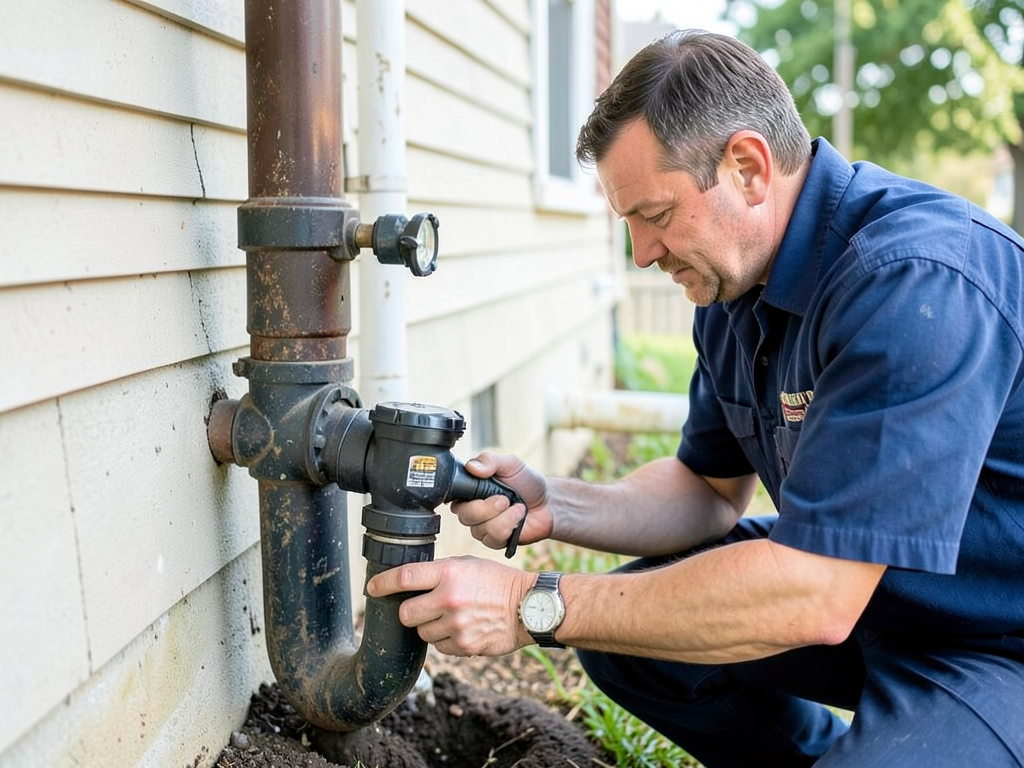
Preparing Your Home Plumbing for Hurricane Season in St. Bernard Parish
Living in St. Bernard Parish means facing unique plumbing challenges during hurricane season. The low elevation, combined with the parish’s proximity to the Mississippi River Gulf Outlet and Lake Borgne, creates a perfect storm for potential flooding and sewage backup. Understanding how to prepare your home’s plumbing system before a storm hits can mean the difference between minor inconvenience and major property damage.. Read more about How to Protect Your Pipes During a Rare New Orleans Freeze.
The first 100 hours before a hurricane landfall are critical for protecting your plumbing infrastructure. From securing your main water shut-off valve to installing backwater prevention devices, every step you take now reduces your risk of costly water damage later. This guide walks you through exactly what St. Bernard Parish homeowners need to do to safeguard their plumbing systems against storm surge and heavy rainfall. Fast Tankless Water Heater Installation for New Orleans Residents.
Why St. Bernard Parish Plumbing Requires Specific Preparation
St. Bernard Parish sits in a unique geographical position that makes standard plumbing preparation insufficient. The parish’s elevation averages just 3-5 feet above sea level, with some areas even lower. When storm surge pushes water from the Gulf of Mexico through the Mississippi River Gulf Outlet, the natural drainage systems become overwhelmed almost immediately. Fast Water Heater Repair and Replacement Services for Metairie Residents.
The Sewerage & Water Board of New Orleans (SWBNO) manages much of the regional infrastructure, but St. Bernard Parish has its own independent water and sewer systems that operate differently. The parish’s combined sewer-stormwater system, common in older coastal communities, means that heavy rainfall can back up through floor drains and toilets when the system becomes saturated. Emergency Drain Cleaning Services for Metairie Homeowners and Businesses.
Local building codes in St. Bernard Parish require specific flood-resistant measures for new construction, but many existing homes were built before these requirements existed. Understanding your home’s specific vulnerabilities based on its age, foundation type, and location relative to flood zones is essential for proper preparation.. Read more about Cleaning Out Your AC Condensate Line Before the New Orleans Summer Heat Hits.
Golden Nugget #1: St. Bernard Parish experiences an average storm surge depth of 6-12 feet during Category 3 hurricanes, with water levels rising in as little as 30 minutes. This rapid inundation overwhelms standard plumbing systems designed for gradual drainage.
The Pre-Storm Plumbing Checklist
Taking action before a storm approaches gives you the best chance of protecting your home’s plumbing infrastructure. Here’s a step-by-step checklist that covers everything from basic preparations to specialized hurricane-specific measures.
- Locate and Test Main Water Shut-Off Valve
Find your main water shut-off valve, typically located where the water line enters your home. In St. Bernard Parish homes, this is often in the garage, near the water heater, or outside near the foundation. Turn the valve clockwise to ensure it operates smoothly. If it’s stuck or corroded, replace it immediately.. Read more about Why Your New Orleans Tap Water Sometimes Smells Like Chlorine (And What to Do About It).
- Clear All Exterior Drains and Gutters
Remove leaves, debris, and sediment from all exterior drains, gutters, and downspouts. In St. Bernard Parish, the heavy clay soil can trap debris against drain covers, creating hidden blockages. Use a garden hose to test water flow through each drain.
- Secure Outdoor Plumbing Fixtures
Disconnect and store garden hoses, sprinkler systems, and outdoor faucets. Install foam covers on outdoor spigots to prevent freezing damage during storm temperature drops. Anchor any aboveground irrigation components that could become projectiles in high winds.
- Check Sump Pump Operation
Test your sump pump by pouring water into the pit until the float activates the pump. Listen for unusual noises that might indicate bearing wear or motor issues. St. Bernard Parish homes with basements or crawl spaces are particularly vulnerable to groundwater infiltration.
- Inspect Sewer Clean-Outs
Locate your home’s sewer clean-out access point, usually a 3-4 inch pipe with a threaded cap near your foundation. Ensure the cap is secure and not cracked. Consider installing a temporary plug if you live in a flood-prone area.
Golden Nugget #2: St. Bernard Parish homes built before 1980 often have clay sewer pipes that become brittle and prone to root intrusion. These pipes are particularly vulnerable to pressure changes during storm events.
Sump Pump and Backwater Valve Maintenance
Backwater valves and sump pumps form your first line of defense against sewage backup and flooding. In St. Bernard Parish, where the water table sits just below the surface, these systems work overtime during hurricane season.
Backwater valves prevent sewage from flowing back into your home when municipal sewer systems become overwhelmed. These one-way valves install on your main sewer line and automatically close when water tries to flow backward. For St. Bernard Parish homes, installing a backwater valve is not just recommended—it’s essential.
Test your sump pump’s battery backup system by unplugging the main power cord and verifying the battery-powered operation. Most standard sump pump batteries last 24-48 hours under continuous use, but hurricane conditions often require longer operation times. Consider installing a secondary battery or a water-powered backup system for extended outages.
Clean the sump pit thoroughly, removing any sediment, gravel, or debris that could clog the pump intake. Check the discharge pipe for obstructions and ensure it extends at least 10 feet from your foundation to prevent water recycling back into the pit.
Golden Nugget #3: St. Bernard Parish requires all new construction to install backwater valves on main sewer lines, but many existing homes lack this protection. The parish’s building code (Section 312.9) specifically mandates these valves in flood zones.
Gas Line Safety and Water Heater Prep
Protecting your gas lines and water heater during a hurricane requires different approaches depending on your home’s specific setup. St. Bernard Parish homes vary widely in their plumbing configurations, from raised pier-and-beam foundations to slab-on-grade construction.
For gas water heaters, locate the gas shut-off valve on the incoming gas line. This valve typically requires a quarter-turn to close. If you have an electric water heater, switch off the circuit breaker at your main electrical panel. Consider draining your water heater if you plan to evacuate, as this prevents pressure buildup if the unit becomes submerged.
Tankless water heaters mounted on exterior walls need additional protection. Install hurricane straps to secure the unit to the wall studs, and consider a waterproof cover for the electronic control panel. The high winds in St. Bernard Parish can rip these units from walls if not properly anchored.
For homes with natural gas service, locate your main gas meter shut-off valve. This requires a wrench and should only be turned off if you smell gas or if local authorities advise it. Keep the wrench in a waterproof container near the meter for quick access during emergencies.
Diagnostic Test: Check your water heater’s temperature-pressure relief valve by lifting the test lever. You should hear a rush of water exiting the discharge pipe. If no water flows or if the valve continues leaking after testing, replace it immediately. This valve prevents dangerous pressure buildup during power outages.
Post-Storm Recovery: What to Check First
After the storm passes and it’s safe to return home, your plumbing system needs careful inspection before normal use resumes. The return journey to St. Bernard Parish after a hurricane often reveals damage that wasn’t visible from initial assessments.
Start with a visual inspection of all exposed pipes for cracks, leaks, or separation at joints. Pay special attention to areas where pipes pass through exterior walls, as these are common failure points during flooding. Look for water stains on ceilings and walls that might indicate hidden leaks. Fixing Slab Leaks and Foundation Plumbing in Your Garden District Home.
Before turning on your main water supply, open all faucets to allow air to escape from the lines. Slowly open the main valve while watching for leaks around joints and connections. Listen for unusual sounds like hissing or whistling that might indicate pipe damage.
Test your water quality by running cold water for several minutes and checking for discoloration, sediment, or unusual odors. St. Bernard Parish’s water system can become contaminated during flooding events, requiring additional filtration or treatment before consumption.
Check your sewer system by running water down all drains and flushing toilets. Watch for slow drainage or gurgling sounds that might indicate partial blockages from storm debris. If you notice any issues, avoid using the plumbing system until a professional inspection can be completed.
Local St. Bernard Parish Emergency Contacts
Having the right emergency contacts saved in your phone before hurricane season can save valuable time when every minute counts. St. Bernard Parish maintains specific resources for plumbing emergencies during and after storm events. Who to Call for a 24 Hour Emergency Plumber in New Orleans.
The St. Bernard Parish Government Emergency Operations Center operates 24/7 during declared emergencies. Their water and sewer department can provide updates on system status and advise when it’s safe to resume normal water usage. Save their main number: (504) 278-4268.
For immediate plumbing emergencies during business hours, contact the St. Bernard Parish Water & Sewerage Department at (504) 278-4200. After hours, call the emergency dispatch line at (504) 278-4200 and press option 9 for urgent service.
The Louisiana State Plumbing Board maintains a list of licensed plumbers in St. Bernard Parish who are authorized to perform emergency repairs. You can verify licensing and find emergency contacts at their website: https://www.lspb.la.gov Louisiana State Plumbing Board.
Keep the FEMA disaster assistance hotline handy: 1-800-621-3362. They can provide information about temporary housing, emergency repairs, and financial assistance for plumbing damage covered under disaster declarations.
Call to Action: Don’t wait until the last minute to prepare your plumbing for hurricane season. Call (985) 279-3332 today to schedule a professional inspection and ensure your home’s plumbing system can withstand whatever this hurricane season brings to St. Bernard Parish.
Essential Tools and Supplies for Hurricane Plumbing Prep
Having the right tools on hand makes hurricane preparation much more efficient and effective. Here’s what every St. Bernard Parish homeowner should keep in their emergency plumbing kit.
| Tool/Supply | Purpose | Estimated Cost |
|---|---|---|
| Adjustable wrench (12-inch) | Gas and water valve operation | $15-25 |
| Pipe wrench (14-inch) | Sewer clean-out access | $20-30 |
| Plumber’s tape | Emergency pipe sealing | $3-5 |
| Waterproof flashlight | Working in dark areas | $25-40 |
| Backup sump pump battery | Extended power outage operation | $75-150 |
| Backwater valve test plug | Emergency sewer line sealing | $10-15 |
| Water quality test strips | Post-storm water safety | $8-12 |
| Heavy-duty trash bags | Debris containment | $10-15 |
Store these supplies in a waterproof container labeled “Plumbing Emergency Kit” and keep it in an easily accessible location. Consider creating a second kit for your vehicle in case you need to evacuate and return to assess damage.
Special Considerations for Different Home Types
The age and construction style of your St. Bernard Parish home significantly impacts your hurricane plumbing preparation strategy. Understanding your home’s specific vulnerabilities helps you focus your preparation efforts where they matter most.
Raised pier-and-beam homes, common in older St. Bernard Parish neighborhoods, have plumbing lines running beneath the living space. These homes are vulnerable to wind damage to exposed pipes and require additional anchoring of supply lines. The crawl space underneath can also become a collection point for floodwater, potentially damaging insulation and creating mold conditions.
Slab-on-grade homes, more common in newer developments, have plumbing embedded in or running through the concrete foundation. While these homes resist wind damage better, they’re more vulnerable to foundation shifting during flooding events. The main water and sewer lines enter through the slab, making them difficult to access for emergency repairs.
Mobile homes and manufactured housing require special attention to plumbing connections, which are often more vulnerable to separation during high winds. All exterior plumbing should be secured with hurricane straps, and water heaters should be anchored to wall studs rather than floor mounts.
Historic homes in St. Bernard Parish often feature original plumbing systems with materials no longer in common use. Cast iron drain pipes, galvanized steel supply lines, and lead solder joints require careful inspection, as these materials become brittle with age and are more likely to fail under stress.
Insurance and Documentation Tips
Proper documentation of your plumbing system before hurricane season can significantly simplify insurance claims if damage occurs. Take photos and videos of all major plumbing components, including water heaters, sump pumps, backflow preventers, and the main water shut-off valve.
Create a simple plumbing inventory that includes the age of major components, any recent repairs or upgrades, and the location of key access points. This information helps insurance adjusters assess damage more accurately and can speed up claim processing.
Review your homeowner’s insurance policy to understand what plumbing damage is covered under different scenarios. Many policies exclude flood damage, requiring separate flood insurance through the National Flood Insurance Program. Document any plumbing improvements you make, as these can increase your home’s replacement value and insurance coverage limits. National Flood Insurance Program.
Keep all plumbing-related receipts and documentation in a waterproof container with your other important papers. After a hurricane, having proof of recent maintenance or upgrades can make the difference between a claim being approved or denied.
Frequently Asked Questions
How long before a hurricane should I start preparing my plumbing?
Begin your plumbing preparation at least 48-72 hours before a hurricane’s expected landfall. This gives you time to complete all necessary steps without rushing and allows for any unexpected issues like stuck valves or missing tools to be resolved.
Should I turn off my main water valve if I evacuate?
Yes, turning off your main water valve before evacuating prevents contaminated water from entering your home’s plumbing system if municipal water becomes compromised. It also prevents potential flooding if a pipe bursts while you’re away.
How do I know if my backwater valve is working properly?
Test your backwater valve by pouring water into the floor drain it protects. The valve should allow water to flow out but prevent it from flowing back in. If water backs up into the drain, the valve needs servicing or replacement.
What’s the difference between a sump pump and a sewage ejector pump?
A sump pump removes groundwater from your basement or crawl space, while a sewage ejector pump handles wastewater from below-grade bathrooms and laundry facilities. Both are important in St. Bernard Parish, but they serve different purposes in your home’s plumbing system.
Can I install a backwater valve myself, or do I need a professional?
Backwater valve installation requires cutting into your main sewer line and ensuring proper drainage slope. This work requires a licensed plumber and permits from St. Bernard Parish. Improper installation can cause more problems than it solves.
How often should I test my sump pump battery backup?
Test your sump pump battery backup every three months by unplugging the main power and running the pump on battery power. Replace batteries every 3-5 years, even if they seem to be holding a charge, as their capacity degrades over time.
Final Call to Action: Hurricane season in St. Bernard Parish is unpredictable, but your plumbing preparation doesn’t have to be. Call (985) 279-3332 now to schedule your comprehensive hurricane plumbing inspection. Our licensed plumbers know exactly what St. Bernard Parish homes need to survive storm season safely. Don’t wait until the next storm watch—protect your home today.
{
“@context”: “https://schema.org”,
“@type”: “BlogPosting”,
“headline”: “Preparing Your Home Plumbing for Hurricane Season in St. Bernard Parish”,
“description”: “Learn how to protect your St. Bernard Parish home from flood damage with our complete hurricane plumbing preparation guide. Includes backwater valves, sump pumps, and emergency contacts.”,
“wordCount”: 2519,
“datePublished”: “2026-04-16T11:27:00.000Z”,
“dateModified”: “2026-04-16T11:27:00.000Z”,
“inLanguage”: “en-US”,
“mainEntityOfPage”: {
“@type”: “WebPage”,
“@id”: “https://libertyplumbingneworleans.com”
},
“publisher”: {
“@type”: “LocalBusiness”,
“name”: “Liberty Plumbing New Orleans”,
“url”: “https://libertyplumbingneworleans.com”
},
“author”: {
“@type”: “Organization”,
“name”: “Liberty Plumbing New Orleans”,
“url”: “https://libertyplumbingneworleans.com”
},
“image”: {
“@type”: “ImageObject”,
“url”: “https://libertyplumbingneworleans.com/wp-content/uploads/2026/03/preparing-your-home-plumbing-for-hurricane-season-1.png”
}
}
{
“@context”: “https://schema.org”,
“@type”: “Plumber”,
“name”: “Liberty Plumbing New Orleans”,
“url”: “https://libertyplumbingneworleans.com”,
“address”: {
“@type”: “PostalAddress”,
“addressLocality”: “New Orleans”
},
“areaServed”: {
“@type”: “City”,
“name”: “New Orleans”
}
}
{
“@context”: “https://schema.org”,
“@type”: “FAQPage”,
“mainEntity”: [
{
“@type”: “Question”,
“name”: “How long before a hurricane should I start preparing my plumbing?”,
“acceptedAnswer”: {
“@type”: “Answer”,
“text”: “Begin your plumbing preparation at least 48-72 hours before a hurricane’s expected landfall. This gives you time to complete all necessary steps without rushing and allows for any unexpected issues like stuck valves or missing tools to be resolved.”
}
},
{
“@type”: “Question”,
“name”: “Should I turn off my main water valve if I evacuate?”,
“acceptedAnswer”: {
“@type”: “Answer”,
“text”: “Yes, turning off your main water valve before evacuating prevents contaminated water from entering your home’s plumbing system if municipal water becomes compromised. It also prevents potential flooding if a pipe bursts while you’re away.”
}
},
{
“@type”: “Question”,
“name”: “How do I know if my backwater valve is working properly?”,
“acceptedAnswer”: {
“@type”: “Answer”,
“text”: “Test your backwater valve by pouring water into the floor drain it protects. The valve should allow water to flow out but prevent it from flowing back in. If water backs up into the drain, the valve needs servicing or replacement.”
}
},
{
“@type”: “Question”,
“name”: “What’s the difference between a sump pump and a sewage ejector pump?”,
“acceptedAnswer”: {
“@type”: “Answer”,
“text”: “A sump pump removes groundwater from your basement or crawl space, while a sewage ejector pump handles wastewater from below-grade bathrooms and laundry facilities. Both are important in St. Bernard Parish, but they serve different purposes in your home’s plumbing system.”
}
},
{
“@type”: “Question”,
“name”: “Can I install a backwater valve myself, or do I need a professional?”,
“acceptedAnswer”: {
“@type”: “Answer”,
“text”: “Backwater valve installation requires cutting into your main sewer line and ensuring proper drainage slope. This work requires a licensed plumber and permits from St. Bernard Parish. Improper installation can cause more problems than it solves.”
}
},
{
“@type”: “Question”,
“name”: “How often should I test my sump pump battery backup?”,
“acceptedAnswer”: {
“@type”: “Answer”,
“text”: “Test your sump pump battery backup every three months by unplugging the main power and running the pump on battery power. Replace batteries every 3-5 years, even if they seem to be holding a charge, as their capacity degrades over time.”
}
}
]
}
{
“@context”: “https://schema.org”,
“@type”: “HowTo”,
“name”: “Hurricane Plumbing Preparation Checklist”,
“step”: [
{
“@type”: “HowToStep”,
“position”: 1,
“name”: “Locate and Test Main Water Shut-Off Valve”,
“text”: “Find your main water shut-off valve, typically located where the water line enters your home. In St. Bernard Parish homes, this is often in the garage, near the water heater, or outside near the foundation. Turn the valve clockwise to ensure it operates smoothly. If it’s stuck or corroded, replace it immediately.”
},
{
“@type”: “HowToStep”,
“position”: 2,
“name”: “Clear All Exterior Drains and Gutters”,
“text”: “Remove leaves, debris, and sediment from all exterior drains, gutters, and downspouts. In St. Bernard Parish, the heavy clay soil can trap debris against drain covers, creating hidden blockages. Use a garden hose to test water flow through each drain.”
},
{
“@type”: “HowToStep”,
“position”: 3,
“name”: “Secure Outdoor Plumbing Fixtures”,
“text”: “Disconnect and store garden hoses, sprinkler systems, and outdoor faucets. Install foam covers on outdoor spigots to prevent freezing damage during storm temperature drops. Anchor any aboveground irrigation components that could become projectiles in high winds.”
},
{
“@type”: “HowToStep”,
“position”: 4,
“name”: “Check Sump Pump Operation”,
“text”: “Test your sump pump by pouring water into the pit until the float activates the pump. Listen for unusual noises that might indicate bearing wear or motor issues. St. Bernard Parish homes with basements or crawl spaces are particularly vulnerable to groundwater infiltration.”
},
{
“@type”: “HowToStep”,
“position”: 5,
“name”: “Inspect Sewer Clean-Outs”,
“text”: “Locate your home’s sewer clean-out access point, usually a 3-4 inch pipe with a threaded cap near your foundation. Ensure the cap is secure and not cracked. Consider installing a temporary plug if you live in a flood-prone area.”
}
],
“image”: “https://libertyplumbingneworleans.com/wp-content/uploads/2026/03/preparing-your-home-plumbing-for-hurricane-season-1.png”
}
{
“@context”: “https://schema.org”,
“@type”: “BreadcrumbList”,
“itemListElement”: [
{
“@type”: “ListItem”,
“position”: 1,
“name”: “Home”,
“item”: “https://libertyplumbingneworleans.com”
},
{
“@type”: “ListItem”,
“position”: 2,
“name”: “Blog”,
“item”: “https://libertyplumbingneworleans.com/blog”
},
{
“@type”: “ListItem”,
“position”: 3,
“name”: “Preparing Your Home Plumbing for Hurricane Season in St. Bernard Parish”
}
]
}
{
“@context”: “https://schema.org”,
“@type”: “Service”,
“serviceType”: “Plumbing”,
“provider”: {
“@type”: “LocalBusiness”,
“name”: “Liberty Plumbing New Orleans”,
“url”: “https://libertyplumbingneworleans.com”
},
“areaServed”: {
“@type”: “City”,
“name”: “New Orleans”
},
“description”: “Learn how to protect your St. Bernard Parish home from flood damage with our complete hurricane plumbing preparation guide. Includes backwater valves, sump pumps, and emergency contacts.”
}