



menu

Drain Cleaning & Rooter Service in New Orleans – Fast Response for Stubborn Clogs & Sewer Line Backups

Professional drain clearing and sewer rooter service backed by advanced video inspection technology to diagnose and resolve even the toughest blockages in New Orleans plumbing systems.

Slider Image 1
Slider Image 2
Slider Image 3
Slider Image 4
Slider Image 5
Slider Image 7
Slider Image 8
Slider Image 9
Slider Image 10
Slider Image 11

Why New Orleans Drains Clog More Than Other Cities

New Orleans sits below sea level on soft alluvial soil that shifts constantly. This ground movement creates pressure on sewer lines, causing joints to separate and pipes to sag. Water pools in these low spots, collecting debris and slowing flow. Add the city's aging cast iron and clay pipe infrastructure, some dating back over a century, and you understand why clogged drain clearing becomes a recurring issue for property owners across the metro.

The high water table complicates the problem further. During heavy rain events, groundwater infiltrates compromised sewer lines through cracks and separated joints. This inflow overwhelms the system and pushes debris back toward your property. Tree roots from live oaks and magnolias aggressively seek moisture in sewer pipes, creating dense root masses that trap grease, paper, and solid waste.

The humid subtropical climate accelerates organic buildup inside drain lines. Grease congeals faster in cooler winter months, while bacteria and biofilm multiply rapidly during hot summers. This combination creates sticky deposits that snag hair, soap residue, and food particles. What starts as slow drainage quickly escalates to complete blockage without professional drain cleaning intervention.

Historic neighborhoods in the French Quarter, Garden District, and Uptown face additional challenges. Many properties still use original drain systems with outdated venting and inadequate slope. Modern fixtures produce higher water volumes than these systems were designed to handle. Regular sewer rooter service becomes necessary maintenance rather than emergency response in these areas.

Why New Orleans Drains Clog More Than Other Cities
Our Diagnostic Approach to Drain and Sewer Line Problems

Our Diagnostic Approach to Drain and Sewer Line Problems

We start every plumbing snake service call with a thorough assessment before introducing equipment into your drain system. Running a cable blindly risks pushing blockages deeper or damaging compromised pipe. Our technicians ask specific questions about drainage patterns, gurgling sounds, and previous cleaning history to map the probable blockage location.

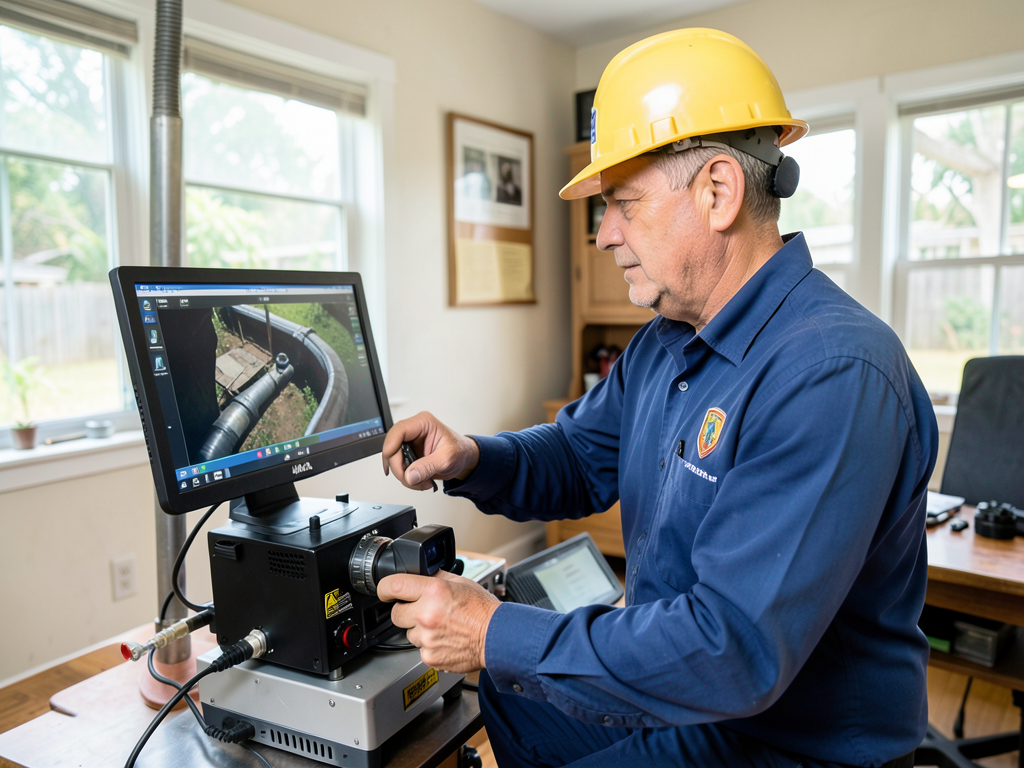
For recurring clogs or main sewer line issues, we deploy video inspection cameras before mechanical cleaning. This reveals root intrusion extent, pipe material condition, and whether the blockage is organic buildup or a collapsed section. The camera footage shows you exactly what we find, eliminating guesswork about whether you need simple augering or more extensive sewer line repair.

We match cleaning equipment to your specific pipe material and blockage type. Older cast iron and clay pipes require careful cable selection to avoid fracturing weakened sections. For grease buildup in kitchen lines, we use cutting heads designed to scrape walls clean without damaging pipe integrity. Root masses demand specialized saw-tooth cutters that slice through dense vegetation while preserving the host pipe.

Our sewer line cleaning process includes hydro jetting for complete debris removal when pipe condition allows. High-pressure water at 3,000 to 4,000 PSI scours pipe walls, removing years of accumulated scale, grease, and biofilm that mechanical snakes leave behind. This thorough cleaning extends the time between service calls and improves overall drain system performance.

We document baseline pipe condition with post-cleaning camera footage. This creates a reference point for monitoring deterioration over time and helps you plan for eventual pipe replacement before emergency failure occurs.

What Happens During Your Drain Service Call

Drain Cleaning & Rooter Service in New Orleans – Fast Response for Stubborn Clogs & Sewer Line Backups
01

Initial Assessment and Access

We identify the affected drain fixtures and locate appropriate cleanout access points. Our technician explains what they found during initial inspection and recommends either cable augering for simple blockages or camera inspection for recurring issues. We protect your floors with mats and prepare containment for any backflow during the clearing process. You receive upfront information about the suspected problem before we begin work.
02

Blockage Removal and Verification

We feed the appropriate cable or jetting equipment through the cleanout, working methodically toward the blockage location. You hear the motor change tone when the cutting head engages the obstruction. We advance and retract the cable multiple times to fully clear the blockage and scrape accumulated debris from pipe walls. Water flow testing confirms complete clearing before we withdraw equipment and verify all fixtures drain properly.
03

Documentation and Prevention Planning

We review what caused the blockage and discuss realistic prevention strategies for your specific situation. If video inspection revealed pipe damage or root intrusion, we provide footage and explain your options for addressing the underlying problem. You receive clear information about expected service intervals based on your drain system's condition. We clean the work area and ensure all access points are properly secured before completing the service call.

Why Local Knowledge Matters for New Orleans Drain Systems

Liberty Plumbing New Orleans technicians understand the unique drainage challenges across different neighborhoods in the metro area. We know which areas still have Orangeburg pipe from post-war construction and which properties connect to combined sewer systems that backup during heavy rain. This local knowledge helps us diagnose problems faster and recommend solutions appropriate for your specific location and infrastructure.

We maintain relationships with the Sewerage and Water Board, staying current on system upgrade projects and capacity issues affecting different service areas. When your backup stems from municipal system problems rather than private line issues, we provide documentation you need when filing claims or requesting city intervention. This advocacy saves you time navigating bureaucracy during stressful situations.

Our equipment inventory reflects the realities of working in New Orleans. We stock specialty tools for accessing cleanouts in tight crawl spaces common to raised foundations. We carry cable and jetting equipment sized appropriately for the smaller diameter pipes found in older construction. We understand local building code requirements for cleanout placement and venting, ensuring any repairs or modifications we recommend meet current standards.

The geology and climate here demand different maintenance intervals than other regions. We provide honest assessments about how often your specific property needs preventive sewer rooter service based on pipe material, tree proximity, and system age. Properties with live oaks overhead need root treatment every 18 to 24 months. Homes with cast iron stacks require more frequent inspection as the pipe ages and interior corrosion accelerates.

We also understand the financial realities facing property owners in New Orleans. We prioritize solutions that extend your existing system's life when replacement costs exceed your budget. Sometimes strategic spot repairs and regular maintenance provide years of additional service at a fraction of replacement cost.

What You Can Expect From Our Service

Response Time and Availability

We dispatch technicians for emergency drain calls within two hours during business hours and maintain on-call service for sewage backups that create health hazards. Non-emergency service calls typically schedule within 24 to 48 hours depending on demand. Our trucks carry complete equipment inventories, so we resolve most blockages on the first visit without needing to return for specialty tools. You receive a call when the technician is en route with an estimated arrival window. We respect your time and communicate proactively if delays occur.

Inspection and Diagnosis Process

Our technician conducts a visual inspection of accessible drain components and tests water flow at multiple fixtures to isolate the blockage location. For main line issues or recurring problems, we recommend video camera inspection to identify the root cause. You watch the camera feed in real time and see exactly what exists inside your pipes. We explain what the footage reveals in plain language and discuss whether you need immediate cleaning, ongoing monitoring, or eventual pipe replacement. This transparency helps you make informed decisions about your plumbing system.

Service Quality and Results

We measure success by complete blockage removal and restored normal flow, not just getting water to drain slowly. Our technicians verify proper drainage velocity at all affected fixtures before considering the job complete. When we use hydro jetting, we follow up with camera inspection to document the cleaned pipe interior. You see the before and after condition. We also test for proper venting function, as inadequate venting often contributes to recurring drain problems. The work area is left clean, with all access panels and cleanout caps properly reinstalled.

Maintenance Recommendations and Follow-Up

Based on what we find during service, we provide realistic guidance about preventive maintenance intervals for your specific drain system. Properties with root intrusion need scheduled rooter service before complete blockage occurs. Older pipe showing deterioration requires monitoring camera inspections to track degradation rate. We document service history and pipe condition in our system, so future technicians access this information immediately. You receive written recommendations with no pressure for immediate upsells. Our goal is helping you plan appropriately for both routine maintenance and eventual system upgrades.

Frequently Asked Questions

You Have Questions,
We Have Answers

What is the average cost of drain cleaning? +

Drain cleaning costs in New Orleans range from $150 to $450 depending on severity and access. A simple clog in a bathroom sink runs less than a main sewer line blockage. Factors include clog location, pipe depth, root intrusion severity, and whether video inspection is needed. Clay soil shifts and aging cast iron pipes common in older New Orleans neighborhoods often complicate access. Emergency after-hours service costs more. Hydro jetting for stubborn blockages runs higher than cable snaking. Always get a detailed estimate before work begins. Most reputable plumbers charge diagnostic fees that apply toward the repair.

How much does it cost to have your drain cleared? +

Clearing a drain in New Orleans typically costs $150 to $300 for standard clogs using cable snaking equipment. Main line stoppages run $250 to $500 depending on depth and access points. If tree roots have invaded your sewer line, which happens frequently in neighborhoods with mature oaks, expect higher costs. Hydro jetting for grease buildup or root removal adds $300 to $600. Video camera inspections add $150 to $300 but help identify exact problem locations. The high water table and clay soil in New Orleans can complicate repairs, affecting final cost. Always request upfront pricing.

Is professional drain cleaning worth it? +

Professional drain cleaning is worth it in New Orleans. Plumbers use video cameras to diagnose exact blockage locations, preventing guesswork. They have hydro jetting equipment that removes grease buildup and root intrusions that store-bought chemicals cannot touch. Cast iron pipes in older homes corrode internally, creating rough surfaces that catch debris. Professionals identify these issues before they become emergency repairs. The humid climate accelerates mold growth in slow drains, creating health risks. Professional cleaning removes biofilm and bacteria that DIY methods miss. You also avoid damaging pipes with harsh chemicals or improper augering techniques that create expensive leaks.

Why do plumbers say not to use drain cleaner? +

Plumbers warn against chemical drain cleaners because they damage pipes without solving root problems. The caustic chemicals generate heat that warps PVC joints and corrodes cast iron pipes common in New Orleans homes. Chemicals sit in the pipe, eating away at seals and gaskets. They rarely clear complete blockages, just bore small holes through debris that re-clog quickly. Chemical residue creates hazardous conditions when plumbers later open the line. The fumes corrode metal fixtures. Most importantly, chemicals cannot remove tree roots, grease buildup, or collapsed pipe sections that cause recurring clogs in New Orleans drainage systems.

How much does Roto Rooter charge to snake a drain? +

Roto-Rooter pricing varies by location and specific drain issue. In New Orleans, expect similar market rates to other professional plumbers, typically $150 to $450 for cable snaking depending on clog severity and location. Main sewer line work runs higher. They charge premium rates for emergency and after-hours service. Many homeowners comparison shop between several local plumbers before committing. Get detailed written estimates that specify exactly what work is included. Ask about diagnostic fees, hourly rates versus flat fees, and whether video inspection is included. Local independent plumbers often provide comparable service at competitive rates with faster response times.

Does homeowners insurance cover sewer line repair? +

Standard homeowners insurance typically does not cover sewer line repairs in New Orleans. Most policies exclude damage from wear and tear, lack of maintenance, or gradual deterioration. Tree root intrusion and aging cast iron pipe failure fall into these exclusions. However, if a sudden covered peril like a hurricane causes immediate collapse, you may have coverage. Some insurers offer optional sewer line endorsements for additional premiums. Water backup coverage protects your home interior from sewage damage but does not pay for pipe repairs. Always review your policy declarations and speak with your agent about specific coverage before assuming protection exists.

Why is drain cleaning so expensive? +

Drain cleaning costs reflect specialized equipment, expertise, and liability. Professional hydro jetters cost $15,000 to $40,000. Video inspection cameras run $5,000 to $12,000. Plumbers invest years learning proper techniques to avoid damaging pipes. They carry expensive liability insurance and licensing. In New Orleans, accessing sewer lines often requires excavation through high water tables and clay soil, adding labor costs. Root-infested lines from mature oak trees require multiple passes and powerful equipment. Emergency calls demand immediate availability and after-hours labor. You pay for permanent solutions, not temporary fixes that fail within weeks like chemical treatments provide.

Are blocked drains covered by insurance? +

Blocked drains are rarely covered by standard homeowners insurance in New Orleans. Policies exclude maintenance issues, gradual wear, and preventable problems. Tree root intrusion, grease buildup, and aging pipe deterioration fall under these exclusions. If a covered sudden event causes the blockage, like hurricane damage collapsing a line, you may have coverage. Water backup endorsements cover interior damage from sewage backups but not the pipe repair itself. Flood insurance through NFIP does not cover sewer line issues. Review your specific policy declarations or contact your agent for clarification on your coverage limits and exclusions.

What are the signs of a blocked drain? +

Watch for multiple drains backing up simultaneously, indicating a main line blockage common in New Orleans homes. Gurgling sounds from toilets or drains signal trapped air from partial obstructions. Slow drainage that worsens over time points to building blockages. Water pooling around floor drains or cleanout access points shows backing pressure. Foul sewage odors from drains indicate biofilm buildup or venting issues. Lawn wet spots over sewer lines suggest underground leaks. Fruit flies or drain flies breed in organic matter inside pipes. If plunging provides only temporary relief, you have a deeper blockage requiring professional camera inspection and cleaning.

Why do plumbers say don't use Drano? +

Plumbers advise against Drano because it damages pipes and fails to clear serious blockages. The sodium hydroxide generates extreme heat that warps PVC fittings and corrodes cast iron pipes found throughout New Orleans. It creates toxic fumes that linger in your plumbing system. Drano only bores small holes through clogs, leaving debris that quickly re-blocks the line. It cannot dissolve tree roots, hardened grease deposits, or foreign objects. The chemical residue creates dangerous splash-back hazards when plumbers open the line later. In high water table areas like New Orleans, failed chemical treatments contaminate groundwater. Professional mechanical cleaning permanently removes blockages without pipe damage.

How New Orleans Soil and Water Table Affect Sewer Line Integrity

The Mississippi River delta soil beneath New Orleans consists of soft clay and organic material that compresses and shifts continuously. This subsidence stresses rigid sewer pipes, causing joints to separate and creating bellies where pipes sag below grade. Water and debris collect in these low spots, creating perfect conditions for blockages to form. The high water table means external groundwater pressure constantly tests every crack and joint in underground sewer lines. Properties in lower-lying areas near Lake Pontchartrain or along drainage canals face even higher infiltration risk. This makes regular professional drain cleaning and video monitoring critical for catching problems before pipe failure creates expensive emergency repairs.

Liberty Plumbing New Orleans maintains deep familiarity with infrastructure patterns across different construction eras in the metro area. We know which neighborhoods installed Orangeburg fiber pipe in the 1950s and where clay pipe from the 1920s still provides main line service. This historical knowledge helps us anticipate problems and recommend appropriate inspection intervals. We also understand local permit requirements for sewer line work and coordinate with the Sewerage and Water Board when repairs affect the connection to municipal systems. Choosing a provider with established local presence means you get service from technicians who understand your property's specific challenges, not generic approaches that ignore New Orleans's unique conditions.
Plumbing Services in The New Orleans Area

Liberty Plumbing proudly serves New Orleans and surrounding areas with dependable plumbing services available 24/7. Use the map below to locate our service area and see how close we are to your home or business. Whether you need emergency repairs or scheduled maintenance, we’re nearby and ready to help. Our team is local, friendly, and always prepared to respond when you need us most. Don’t wait for a plumbing issue to get worse—get fast, professional help from Liberty Plumbing today.

Address:
Liberty Plumbing New Orleans, 201 St Charles Ave, New Orleans, LA, 70170

Additional Services We Offer

Our news updates

Latest Articles & News from The Blogs

Common Plumbing Issues for Homeowners Using Well Water in Rural St. Bernard Parish Living in rural St. Bernard Parish means…

Common Plumbing Issues for Homeowners Using Well Water in Rural St. Bernard Parish

Common Plumbing Issues for Homeowners Using Well Water in Rural St. Bernard Parish Living in rural St. Bernard Parish means…

Dealing with Standing Water in Your Yard After a Typical New Orleans Rainstorm

Dealing with Standing Water in Your Yard After a Typical New Orleans Rainstorm Living in New Orleans means dealing with…

How to Make Your New Orleans Restaurant Bathrooms ADA Compliant

How to Make Your New Orleans Restaurant Bathrooms ADA Compliant Running a restaurant in New Orleans means navigating historic buildings,…

Contact Us

Slow drains turn into backups fast in New Orleans. Call Liberty Plumbing New Orleans at (985) 279-3332 for professional diagnosis and clearing. We provide upfront pricing and honest assessments of your drain system's condition.