



menu

Plumbing Inspection Checklist in New Orleans – Protect Your Home from Humidity Damage and Costly Repairs

A comprehensive plumbing inspection checklist designed for New Orleans homes tackles high humidity corrosion, cast iron degradation, and ground settlement issues before minor leaks turn into foundation-threatening disasters.

Slider Image 1
Slider Image 2
Slider Image 3
Slider Image 4
Slider Image 5
Slider Image 7
Slider Image 8
Slider Image 9
Slider Image 10
Slider Image 11

Why New Orleans Homes Need a Different Plumbing Approach

New Orleans sits on clay and silt soil that shifts constantly. Your plumbing system moves with it. That cast iron drain line installed in 1940 corrodes faster here than anywhere else in the country because of humidity levels that rarely drop below 75%. The water table sits just feet below your foundation in many neighborhoods, creating hydrostatic pressure that pushes groundwater into your crawlspace and stresses pipe joints.

You cannot use a generic home plumbing inspection list in this environment. A preventative plumbing maintenance checklist for a home in Lakeview looks different than one for Mid-City because of elevation changes and soil composition. Homes near the Mississippi River face different pressures than those in Gentilly. Your residential plumbing checkup list must account for these variables.

Most homeowners discover problems only after they see water damage. A proper plumbing system inspection guide catches issues before you notice them. Galvanized pipes corrode from the inside out in this climate. You won't see rust stains on your wall until the pipe has already lost 60% of its thickness. Slab leaks develop slowly as shifting soil stresses copper lines. By the time your water bill spikes, you have already wasted thousands of gallons.

The average New Orleans home contains plumbing components from three different decades. Each generation of pipe material reacts differently to our specific conditions. A plumbing maintenance checklist that ignores local factors wastes your time and misses critical failure points.

Why New Orleans Homes Need a Different Plumbing Approach
How a Professional Plumbing Inspection Works in High-Risk Environments

How a Professional Plumbing Inspection Works in High-Risk Environments

A real plumbing inspection checklist starts below your home, not at your fixtures. We inspect crawlspace conditions first because that tells us how moisture affects your supply and drain lines. High humidity accelerates corrosion on metal components. We measure humidity levels and look for standing water that indicates poor drainage or a high water table pressing against your foundation.

Next comes pressure testing. We isolate sections of your supply system and pressurize them to 150 PSI. If pressure drops, you have a leak. This catches pinhole leaks in copper lines before they spray water into your walls. We test your drain system separately using a smoke test. Pumping non-toxic smoke through your drain lines reveals cracks and failed seals that leak sewer gas into your living space.

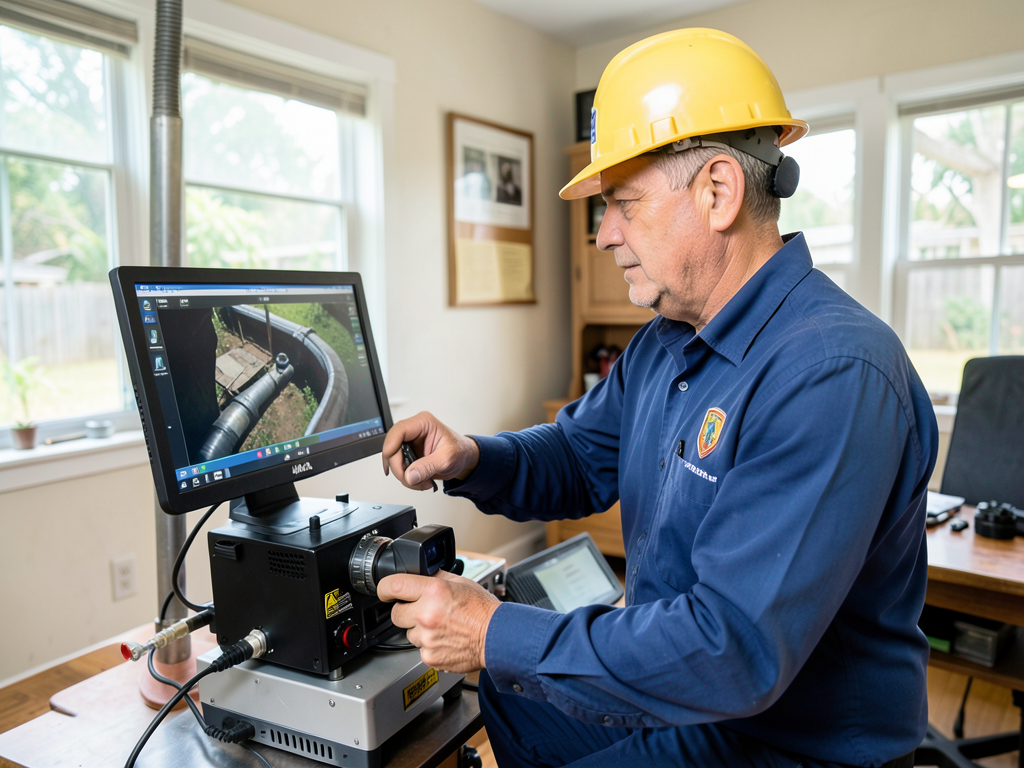
Camera inspection of your sewer lateral is non-negotiable in New Orleans. Tree roots from live oaks penetrate clay sewer pipes aggressively. We snake a camera through your main drain line to the street connection, documenting root intrusion, belly sections where waste collects, and cracks from soil settlement. This footage shows you exactly what's happening 4 feet underground.

We test your water heater's anode rod condition, flush sediment from the tank, and measure recovery time. In areas with hard water, sediment buildup cuts efficiency by 30% within 3 years. We inspect your main water shutoff valve because most homes have a gate valve that corrodes shut. When you need to stop water flow during an emergency, that valve must turn. We verify your backflow preventer works correctly to keep contaminated water from flowing backward into the city supply during pressure drops.

Your Home Plumbing Inspection Walkthrough

Plumbing Inspection Checklist in New Orleans – Protect Your Home from Humidity Damage and Costly Repairs
01

System Documentation Review

We start by reviewing your home's age, permit history, and previous plumbing work. New Orleans homes built before 1975 likely contain galvanized steel supply lines that corrode from within. Knowing your plumbing generation helps us target high-risk areas. We document fixture locations, water heater age, and visible shut-off valves. This creates a baseline for future inspections and helps you track component lifecycles across your entire system.
02

Component Testing Protocol

Each fixture gets flow-tested to measure pressure and volume. Low flow indicates partial blockages or corroded pipes reducing diameter. We test toilet flappers, fill valves, and wax rings for leaks that waste water silently. Under-sink supply lines get inspected for bulging, corrosion, and proper connection. We test your washing machine hoses, dishwasher connections, and refrigerator lines. These flexible connectors fail frequently and cause significant water damage when they burst unexpectedly.
03

Report and Priority Ranking

You receive a detailed report ranking issues by urgency and risk. Active leaks and sewer line damage get flagged as immediate priorities. Components near end-of-life go into a maintenance schedule. We provide photos and video evidence of problem areas so you understand exactly what needs attention. This residential plumbing checkup list becomes your roadmap for budgeting repairs over the next 1 to 5 years based on actual condition, not guesswork.

Why Local Knowledge Matters for Plumbing Inspections

Liberty Plumbing New Orleans understands the specific challenges facing homes in Orleans Parish. We know which neighborhoods sit in former swampland where soil movement stresses pipe joints. We recognize the plumbing configurations common in shotgun doubles versus raised Creole cottages. This matters because inspection priorities change based on your home's construction style and location.

New Orleans enforces specific plumbing codes that differ from surrounding parishes. We know these requirements and inspect to those standards. If you plan to sell your home, our inspection identifies code violations that will appear during a buyer's inspection. Fixing them proactively prevents deal-killing surprises during negotiations.

We see the same failure patterns repeatedly in specific areas. Homes in Lakeview and Metairie frequently have issues with main line bellies caused by soil settlement after Hurricane Katrina. Mid-City homes often have root intrusion problems from mature street trees. Uptown properties with original plumbing contain lead supply lines that require replacement. A plumber without local experience misses these patterns.

Insurance companies increasingly require proof of plumbing maintenance for older homes. A documented inspection history shows you maintain your property responsibly. This can prevent coverage denial or rate increases when you file a water damage claim. We provide documentation that satisfies insurance requirements and protects your coverage.

Our plumbing system inspection guide accounts for the reality that you cannot prevent all problems, but you can catch them early. A small leak caught during an inspection costs hundreds to repair. The same leak discovered after it damages your floor joists costs thousands. Regular inspections shift maintenance from reactive crisis management to planned, budgeted improvements that preserve your home's value.

What Your Plumbing Inspection Includes

Inspection Timeline and Scheduling

A thorough inspection takes 2 to 4 hours depending on your home's size and plumbing complexity. We schedule appointments within 48 hours for most requests. You do not need to be present during the entire inspection, but we walk you through findings afterward. For rental properties or investment homes, we coordinate with tenants and provide reports remotely. We work around your schedule because plumbing inspections should not disrupt your day. Most homeowners schedule inspections annually, but homes over 40 years old benefit from biannual checks.

Diagnostic Equipment and Methods

We use calibrated pressure gauges, infrared cameras for leak detection, and fiber-optic sewer cameras to inspect underground lines. Moisture meters detect hidden water damage in walls and floors before you see visible stains. Acoustic leak detection equipment pinpoints slab leaks without breaking concrete randomly. We test water quality for hardness, pH, and contaminants that accelerate pipe corrosion. Each tool provides objective data about your system's condition. You get facts, not opinions. We document everything with photos and video so you can review findings at your own pace.

Comprehensive Written Report

Your inspection report lists every component we tested, its condition, and expected remaining lifespan. We categorize issues as immediate, short-term (within 1 year), and long-term (1 to 5 years). This helps you budget for repairs strategically instead of facing surprise expenses. The report includes photos showing problem areas and explanations in plain language. We provide repair cost estimates for major items so you can plan accordingly. You own this report permanently and can share it with insurance companies, home buyers, or other contractors as needed.

Ongoing Maintenance Planning

After your initial inspection, we create a customized maintenance schedule based on your system's age and condition. Some components need annual attention while others can go 3 to 5 years between services. We send reminders when maintenance is due so nothing falls through the cracks. Consistent maintenance prevents 80% of plumbing emergencies. For homes with older systems, we develop a phased replacement plan that spreads costs over several years. This preventative approach saves money compared to emergency repairs and extends your plumbing system's functional life significantly.

Frequently Asked Questions

You Have Questions,
We Have Answers

What does a plumbing inspection consist of? +

A plumbing inspection evaluates your water supply lines, drain lines, water heater, fixtures, and shut-off valves. The inspector checks for leaks, corrosion, water pressure issues, and proper venting. In New Orleans, inspectors pay close attention to cast iron pipes common in older homes, as high humidity and acidic soil accelerate corrosion. They also examine slab foundations for hidden leaks and assess whether fixtures meet current code. The inspector tests water flow, examines exposed piping in crawl spaces or basements, and identifies potential problems before they cause water damage or health hazards.

What is the biggest red flag in a home inspection? +

Active water leaks represent the biggest red flag during a home inspection. Leaks indicate immediate damage and point to larger system failures. In New Orleans homes, inspectors flag corroded cast iron drain pipes, which are common in pre-1980s construction and fail rapidly in our humid climate. Water stains on ceilings or walls, soft flooring near fixtures, and mold growth signal chronic moisture problems. Foundation issues from poor drainage are also critical, as clay soil shifts during seasonal flooding. These problems require immediate repairs and can cost thousands to fix, affecting your home value and negotiating power.

What are the 5 main items you should inspect for at a drain detail? +

At a drain detail, inspect the trap for proper seal and blockages, check the drain line slope for adequate flow, examine pipe connections for leaks or loose fittings, verify proper venting to prevent slow drainage, and assess the condition of drain materials for corrosion or damage. In New Orleans, cast iron drain pipes deserve extra attention because they corrode from the inside out in humid conditions. Look for rust stains, thin spots, or flaking metal. Check that floor drains have functional traps to prevent sewer gas infiltration, which is critical in below-grade spaces prone to flooding.

What should be included in the inspection checklist? +

A complete plumbing inspection checklist includes water supply lines, drain waste and vent systems, water heater function and age, fixture operation and condition, shut-off valve accessibility, water pressure testing, visible pipe condition, sewer line integrity, and code compliance. For New Orleans properties, add assessments of sump pumps, backflow preventers required in flood zones, outdoor hose bibs for freeze protection, and gas line connections if applicable. Document pipe materials, especially cast iron or polybutylene. Check crawl spaces for standing water, examine foundation penetrations for proper sealing, and verify that drainage systems direct water away from the structure.

How much does it cost to have a plumbing inspection? +

Plumbing inspections in New Orleans typically range based on property size and scope. A basic residential inspection for a single-family home costs less than a comprehensive evaluation with sewer camera inspection. Older homes in neighborhoods like the Garden District or Bywater often require more extensive inspections due to aging cast iron pipes and outdated fixtures. Commercial properties cost more because of system complexity. Specialized inspections like sewer line camera work or water quality testing add to the base price. Get quotes from licensed inspectors who understand local plumbing challenges and building codes specific to Orleans Parish.

What is the first thing an inspector wants to see? +

Inspectors first want to see the water heater, as it reveals system age, maintenance history, and potential safety hazards. They check the installation date, examine the temperature and pressure relief valve, look for corrosion or leaks at connections, and verify proper venting for gas units. In New Orleans, inspectors also assess whether the water heater sits on an elevated platform in flood-prone areas, as required by code in certain zones. The water heater condition often predicts the overall plumbing system state. A well-maintained unit suggests responsible ownership, while a neglected heater signals deferred maintenance throughout the property.

What would make a house fail a home inspection? +

A house fails inspection when it has major safety hazards, code violations, or structural defects. Plumbing failures include active leaks causing water damage, non-functional sewage systems, missing shut-off valves, cross-connections between potable and non-potable water, or gas leaks. In New Orleans, homes fail for inadequate drainage systems that direct water toward the foundation, corroded cast iron pipes at risk of collapse, or improperly installed backflow preventers in flood zones. Failed sewer lines leaking into the yard, water heaters without proper venting, and exposed electrical wiring near plumbing fixtures also trigger failures. These issues require repairs before closing.

What are the five red flags? +

Five critical red flags include persistent low water pressure indicating hidden leaks or corroded pipes, discolored water suggesting rust or sediment buildup, slow drains pointing to blockages or venting problems, water stains on ceilings or walls revealing active leaks, and sewage odors indicating failed traps or vent issues. In New Orleans homes, add foundation cracks near plumbing penetrations, which signal soil movement from water intrusion. High water bills without increased usage indicate underground leaks. These warning signs require immediate professional assessment, as they worsen rapidly in our humid climate and can cause extensive structural damage if ignored.

What do home inspectors not look for? +

Home inspectors do not open walls or dig underground to expose hidden pipes. They do not perform destructive testing, predict future failures, or estimate repair costs. Inspectors do not evaluate permit history or verify code compliance for work completed before their visit. They do not inspect septic systems unless specifically contracted. In New Orleans, standard inspections do not include sewer camera inspections, water quality testing, or mold assessment. Inspectors report only visible, accessible conditions at the time of inspection. They do not guarantee that problems will not develop later or that all defects have been identified.

What are the three phases of plumbing that require inspection? +

Plumbing inspections occur in three phases during construction. The underground rough-in inspection happens after pipes are installed under the slab but before concrete is poured, verifying proper slope and materials. The rough-in inspection occurs after wall framing with supply lines, drain lines, and vents installed but before walls close, checking connections and support. The final inspection happens after fixtures are installed and the system is complete, testing water flow, drainage, and code compliance. In New Orleans, inspectors verify flood zone requirements and proper foundation drainage at each phase. Each inspection must pass before construction continues.

How New Orleans Soil and Water Table Affect Your Plumbing Inspection Checklist

The Mississippi River alluvial plain beneath New Orleans contains layers of clay, silt, and organic material that compress and shift continuously. This soil movement stresses rigid pipe connections, creating leaks at joints and fittings. The high water table in most neighborhoods sits 2 to 4 feet below ground level, creating hydrostatic pressure that pushes groundwater into any crack or opening. A plumbing maintenance checklist for New Orleans must prioritize crawlspace drainage, foundation penetrations, and main line integrity because these areas face constant moisture pressure. Homes in areas below sea level experience even greater stress on underground plumbing components.

Liberty Plumbing New Orleans works throughout Orleans Parish, from the French Quarter's historic properties to Lakeview's post-Katrina rebuilds. We understand how different neighborhoods face unique plumbing challenges based on elevation, soil type, and infrastructure age. Our inspection protocols account for these local variables because a one-size-fits-all approach misses critical failure points. We have seen every plumbing configuration common to New Orleans architecture, from single-family homes to multi-unit properties. This local expertise ensures your residential plumbing checkup list addresses the actual risks your home faces, not generic problems from national standards that do not apply here.

Plumbing Services in The New Orleans Area

Liberty Plumbing proudly serves New Orleans and surrounding areas with dependable plumbing services available 24/7. Use the map below to locate our service area and see how close we are to your home or business. Whether you need emergency repairs or scheduled maintenance, we’re nearby and ready to help. Our team is local, friendly, and always prepared to respond when you need us most. Don’t wait for a plumbing issue to get worse—get fast, professional help from Liberty Plumbing today.

Address:
Liberty Plumbing New Orleans, 201 St Charles Ave, New Orleans, LA, 70170

Additional Services We Offer

Our news updates

Latest Articles & News from The Blogs

Why Your New Orleans Water Bill Is Suddenly Sky High (and How to Fix It) Your water bill just jumped…

Why Your New Orleans Water Bill Is Suddenly Sky High (and How to Fix It)

Why Your New Orleans Water Bill Is Suddenly Sky High (and How to Fix It) Your water bill just jumped…

High-Performance Toilets for Busy Families Living in the Warehouse District

High-Performance Toilets for Busy Families Living in the Warehouse District Warehouse District families need toilets that can handle heavy daily…

Tankless or Traditional Water Heaters — Which One Actually Makes Sense for a Harvey Family?

Tankless or Traditional Water Heaters — Which One Actually Makes Sense for a Harvey Family? Harvey families face a common…

Contact Us

Stop wondering about your plumbing system's condition and get definitive answers. Call Liberty Plumbing New Orleans at (985) 279-3332 to schedule your comprehensive inspection. We will identify problems before they become emergencies and give you a clear maintenance roadmap.