




menu

Noisy Pipes in New Orleans | Expert Diagnosis and Permanent Repairs

Loud water pipes, banging sounds, and water hammer issues stem from specific causes that require proper diagnosis. We identify the root problem in your plumbing system and fix it correctly the first time.

Slider Image 1
Slider Image 2
Slider Image 3
Slider Image 4
Slider Image 5
Slider Image 7
Slider Image 8
Slider Image 9
Slider Image 10
Slider Image 11

Why New Orleans Homes Experience Loud Water Pipes and Banging Sounds

You turn on the faucet and hear banging pipes echoing through your walls. The noise wakes you at night when someone flushes the toilet. This is not normal, and it is not something you should ignore.

In New Orleans, water hammer and rattling pipes happen more often than in other cities. The high water pressure from the municipal system, combined with older pipe infrastructure in neighborhoods like the Garden District and Mid-City, creates conditions where noisy plumbing becomes a daily frustration. Many homes in the area were built before modern pressure regulation standards, which means your pipes take a beating every time you shut off a valve.

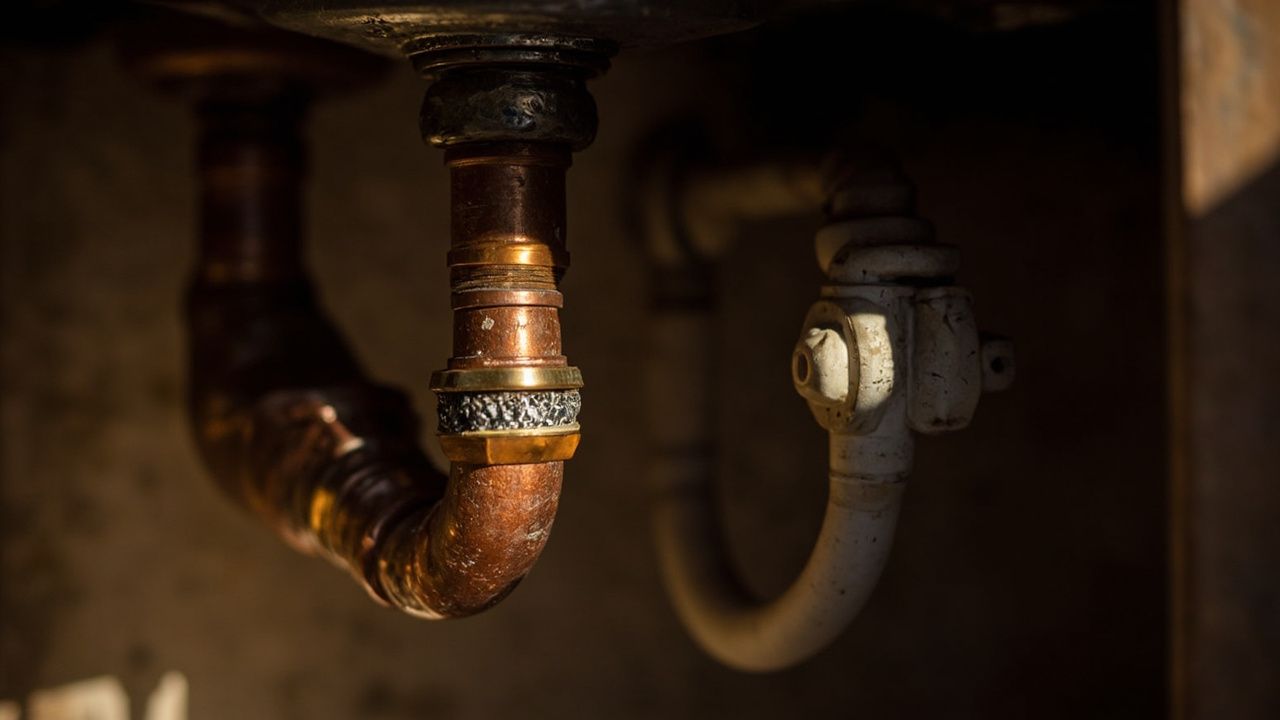
The humidity here causes another problem. Pipe hangers and mounting brackets rust faster in our climate, leaving copper and galvanized pipes loose in wall cavities. When water rushes through and suddenly stops, those loose pipes slam against studs and joists. That is the banging sound you hear.

Older homes near Uptown and in Lakeview often have original galvanized pipes that have corroded internally. The narrowed passages create turbulence and vibration. Add in the sediment from our treatment facilities, and you get rattling pipes that sound like someone is hammering inside your walls.

Water hammer happens when fast-moving water stops abruptly. Without proper air chambers or water hammer arrestors, the pressure wave has nowhere to go. It slams back through the system, creating that loud thud. This is not just annoying. It stresses joints, loosens fittings, and can eventually cause leaks. In New Orleans, where many homes sit on pier-and-beam foundations that shift with clay soil movement, those stressed joints fail faster.

The problem will not fix itself. The noise signals pressure issues, loose hardware, or failing components that need professional attention.

Why New Orleans Homes Experience Loud Water Pipes and Banging Sounds
How We Diagnose and Eliminate Water Hammer and Pipe Noise

How We Diagnose and Eliminate Water Hammer and Pipe Noise

Most plumbers guess at the cause or try a quick fix that does not last. We use a systematic diagnostic approach that identifies the actual source of your loud water pipes.

We start with a pressure test at your main shutoff valve. New Orleans water pressure typically runs between 60 and 80 PSI, but some areas near pumping stations see spikes above 90 PSI. Anything over 80 PSI needs a pressure reducing valve. If you already have one and it is failing, that creates intermittent pressure surges that cause banging pipes.

Next, we trace the supply lines to identify where the noise originates. We open fixtures one at a time while listening at access points. This tells us if the water hammer happens at a specific valve or throughout the system. Quick-closing valves, like those in modern washing machines and dishwashers, often trigger the problem.

We inspect visible pipe runs in crawl spaces and attics. Loose pipe hangers are common in older New Orleans homes. We check for proper spacing between supports and verify that pipes have room to expand without hitting framing. Copper pipes expand when hot water flows through them. Without proper clearance, they scrape against wood and create rattling sounds.

We also check for missing or failed air chambers. Older plumbing systems used short vertical pipe sections filled with air to cushion water hammer. Over time, water absorbs that air cushion and the chambers stop working. Modern systems use mechanical water hammer arrestors, which are more reliable but still fail after years of use.

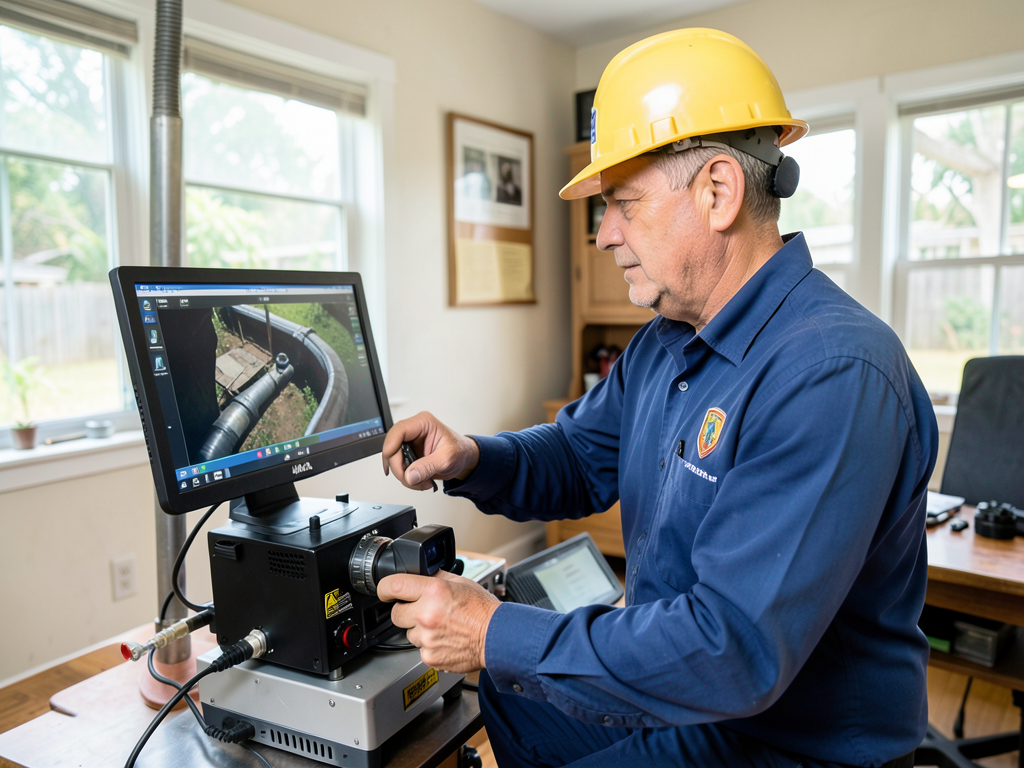
If your home has galvanized pipes, we inspect for internal corrosion. A scope camera shows us the interior condition without tearing into walls. Corroded pipes need replacement, not a band-aid repair.

Once we identify the cause, we fix it correctly. That might mean installing pressure regulation, adding arrestors at problem fixtures, securing loose pipes, or replacing corroded sections.

What Happens During Your Pipe Noise Service Call

Noisy Pipes in New Orleans | Expert Diagnosis and Permanent Repairs
01

System Pressure Testing

We measure static and dynamic water pressure at your main line and at individual fixtures throughout your home. This identifies if high pressure, pressure fluctuations, or valve issues cause your water hammer. We test during actual use conditions to replicate the banging sounds you hear. If pressure exceeds safe levels, we discuss regulation options before proceeding with other repairs.
02

Physical Inspection and Tracing

We access crawl spaces, attics, and wall cavities to physically examine your pipe runs. We check hanger spacing, look for contact points where pipes hit framing, and identify loose sections that move when water flows. We operate fixtures while observing the system to pinpoint exactly where rattling pipes or banging occurs. This hands-on inspection reveals problems that pressure tests miss.
03

Targeted Repair Execution

We implement the specific fix your system needs. This could mean installing water hammer arrestors at problem valves, adding or replacing air chambers, securing loose pipes with proper hangers, or installing a pressure reducing valve at your main line. We verify the repair by running fixtures and confirming the noise is gone. You hear the difference immediately when the work is complete.

Why New Orleans Homeowners Choose Liberty Plumbing for Pipe Noise Problems

You need someone who understands how New Orleans plumbing behaves. Our techs work in these homes every day. We know the difference between a post-Katrina rebuild with PEX supply lines and a 1920s shotgun with original galvanized pipes. That experience matters when diagnosing noisy plumbing.

We know the pressure characteristics in different parts of the city. Areas near the pumping stations on the East Bank see higher baseline pressure. Neighborhoods at the end of distribution lines sometimes get fluctuating pressure. Uptown homes often have pressure reducing valves that were installed decades ago and no longer function properly. We account for these local variables when we troubleshoot your system.

The soil conditions here also affect plumbing. New Orleans sits on deep clay that expands and contracts with moisture changes. Homes shift, and that movement stresses pipe connections. We look for stress cracks and loosened joints that other plumbers miss because they are not thinking about foundation settlement. A pipe that worked fine for 30 years can suddenly start banging after a dry summer causes soil contraction.

We stock the parts that actually work in this climate. Standard pipe hangers rust out in two years here. We use coated hardware that lasts. We keep water hammer arrestors rated for high-pressure systems because we see those conditions regularly. When we install a pressure reducing valve, we use models that handle the sediment load in New Orleans water without clogging.

You also get a proper explanation of what we find. We show you the problem, explain why it happens, and give you options. If your galvanized pipes are corroded, we tell you the truth about temporary fixes versus permanent solutions. If the issue is a simple loose hanger, we do not upsell you on work you do not need.

Our work follows local code requirements, which matter if you ever sell your home or file an insurance claim. Inspectors in Orleans Parish know what proper plumbing looks like, and we install to those standards.

What to Expect When You Call Liberty Plumbing About Noisy Pipes

Fast Response Times

We schedule service calls quickly because we know loud water pipes disrupt your daily life. Most appointments happen within 24 to 48 hours of your call. If your situation involves visible leaks or severe water hammer that threatens pipe joints, we prioritize your service. Our trucks stock diagnostic tools and common repair parts, which means we can often complete the fix during the first visit. You do not wait days for a follow-up appointment to install a part we should have brought initially.

Thorough System Assessment

Our diagnostic process takes 45 minutes to an hour, depending on your home size and system complexity. We test pressure, inspect visible pipes, and operate fixtures to replicate the problem. We explain what we find in plain language and show you the issue when possible. You get a clear explanation of what causes your banging pipes and what it takes to fix it. We provide options if multiple solutions exist, and we discuss cost factors for each approach so you can make an informed decision.

Verified Results

We do not consider the job done until the noise is gone. After completing repairs, we test the system by running the fixtures that previously caused problems. You hear the difference immediately. We operate washing machines, flush toilets, and shut off faucets rapidly to verify that water hammer no longer occurs. If we installed a pressure reducing valve, we show you the gauge reading and explain the proper operating range. You know the problem is solved before we leave your property.

Ongoing Support

Your repair includes guidance on system maintenance. If we installed water hammer arrestors, we explain their function and expected lifespan. If we adjusted or replaced a pressure reducing valve, we tell you what symptoms to watch for that indicate future adjustment needs. We provide contact information for follow-up questions. If you experience any recurring issues related to the repair, we address them promptly. Our goal is a permanent fix, not a temporary patch that fails in six months.

Frequently Asked Questions

You Have Questions,
We Have Answers

What is the average cost to fix noisy pipes? +

Repair costs vary based on the source of the noise. Simple fixes like securing loose pipes or replacing worn washers typically run lower. Water hammer arrestor installations fall in the mid-range. More complex issues like corroded pipe replacement or pressure regulator adjustments cost more. In New Orleans, older homes with galvanized piping or settling foundations from clay soil shifting often require extensive work, which increases the price. High water pressure from municipal systems can also complicate repairs. A professional diagnostic inspection identifies the exact cause before quoting repair costs, preventing unnecessary spending on guesswork fixes.

Why does my pipes sound when the water is not running? +

Pipes making noise without water flow usually indicate thermal expansion or pressure issues. When hot water pipes heat up, they expand and rub against mounting brackets or joists, creating creaking or ticking sounds. In New Orleans homes, high humidity accelerates pipe corrosion, which can cause vibrations from air trapped in the system. Water pressure fluctuations from municipal supply changes also create noise even when fixtures are off. Loose mounting straps allow pipes to shift and bang against framing. Your water heater may also be heating, causing expansion noises that travel through the system. A plumber can diagnose the specific cause.

Is it normal for house pipes to make noise? +

Occasional minor noises can be normal, but persistent or loud sounds indicate problems that need attention. Quick ticking during temperature changes from expansion is common. However, banging, hammering, whistling, or humming signals issues like water hammer, high pressure, or loose components. New Orleans homes face unique challenges from foundation settling on clay soil, which can stress pipe connections and create abnormal noises. High mineral content in local water can also cause scale buildup that restricts flow and creates whistling. If noises worsen over time or wake you at night, call a plumber. Ignoring symptoms leads to pipe damage and costly leaks.

Why are my pipes making a loud humming sound? +

Loud humming typically comes from high water pressure or vibrating pipes. When municipal pressure exceeds 80 psi, it causes pipes to vibrate and hum, especially at fixtures with restrictive valves. Loose mounting straps allow pipes to resonate against wall studs or joists. In New Orleans, water pressure can spike during off-peak hours when fewer homes draw from the system. Partially closed valves or clogged aerators also create humming as water forces through restricted openings. Faulty pressure regulators fail to maintain steady pressure. A plumber can install a pressure regulator or arrestor, secure loose pipes, and test your system to eliminate the noise source.

Does homeowners insurance cover water pipe repair? +

Standard homeowners insurance typically does not cover pipe repairs from normal wear, age, or maintenance neglect. Policies usually cover sudden and accidental damage like burst pipes from freezing or tree root intrusion that causes immediate failure. Gradual issues like corrosion, water hammer damage, or loose fittings fall under maintenance responsibilities. In New Orleans, hurricane-related pipe damage may be covered depending on your policy and wind versus water damage determination. Review your specific policy or call your agent before filing a claim. Some insurers deny claims for noisy pipes that should have been addressed before causing damage. Document problems and repairs for records.

Can a plumber fix noisy pipes? +

Yes, licensed plumbers diagnose and fix all types of noisy pipe issues. They identify whether the problem stems from water hammer, high pressure, loose mounting, thermal expansion, or corroded components. Plumbers install water hammer arrestors, pressure regulators, and secure loose pipes to framing. They can replace worn washers, fix valve issues, and bleed air from the system. In New Orleans, plumbers familiar with local construction methods understand how settling foundations and high humidity affect older plumbing systems. They access crawl spaces and walls to reach problem areas and use specialized tools to measure pressure and flow rates for accurate diagnostics and permanent solutions.

Should I call a plumber for noisy pipes? +

Yes, call a plumber when noises persist, worsen, or accompany other symptoms like reduced water pressure or visible leaks. What seems like a minor annoyance often signals underlying problems that cause pipe damage over time. Water hammer can crack joints and fittings. High pressure stresses every connection in your system. In New Orleans, where many homes have older plumbing and shifting foundations from clay soil, ignoring noisy pipes leads to expensive failures. A diagnostic inspection costs less than emergency repairs from burst pipes or water damage. Plumbers quickly identify the cause and prevent small problems from becoming major issues that disrupt your home.

Can I ignore the water hammer? +

No, do not ignore water hammer. That distinctive banging sound when you shut off faucets indicates shock waves slamming through your pipes at high velocity. Repeated impacts stress joints, fittings, and connections, causing cracks and leaks over time. Water hammer also damages fixture valves and washing machine hoses. In New Orleans homes with older plumbing systems, water hammer accelerates corrosion at connection points and can break weakened galvanized pipes. The problem worsens as pipes age. Installing water hammer arrestors or adjusting pressure stops the shock waves before they cause expensive damage. A plumber can fix this issue quickly and protect your entire system from progressive harm.

How long does it take to bleed air out of water pipes? +

Bleeding air from pipes usually takes 10 to 30 minutes depending on your home size and plumbing layout. The process involves shutting off your main water valve, opening all faucets from highest to lowest elevation, then turning water back on slowly. Air escapes through open faucets as water refills the system. Start with upper floor fixtures and work down. Close each faucet once water flows steadily without sputtering. In New Orleans multi-story homes or properties with complex plumbing, the process may take longer. If air returns repeatedly, you likely have a leak or faulty pressure tank allowing air intrusion that requires professional repair.

How to identify noisy pipe problems? +

Identify noisy pipe problems by noting when and where sounds occur. Banging when shutting off faucets indicates water hammer. Humming during water use suggests high pressure or vibrating pipes. Ticking or creaking without water flow points to thermal expansion. Whistling indicates restricted flow from clogged aerators or partially closed valves. Check your water pressure with a gauge, normal range is 40 to 60 psi. In New Orleans, look for signs of foundation settling causing pipe stress, visible corrosion on exposed pipes, or loose mounting straps in crawl spaces. Document sound timing and location before calling a plumber for faster, more accurate diagnosis.

How New Orleans Water Quality Affects Pipe Noise and System Longevity

New Orleans water comes from the Mississippi River and goes through treatment that leaves mineral content and sediment. That sediment accumulates in pipes, water heaters, and valve seats over time. When valves close, sediment particles get caught in seals, preventing complete shutoff. This causes pressure fluctuations that make pipes rattle. The minerals also build up inside galvanized pipes, narrowing the interior diameter and increasing water velocity. Higher velocity means more turbulence and more noise. Homes in areas with older distribution lines, like parts of Gentilly and the Bywater, see heavier sediment loads because the infrastructure sheds particles as it ages.

New Orleans operates under Orleans Parish plumbing codes that specify proper installation methods for supply lines, pressure regulation, and water hammer prevention. These codes exist because local conditions demand them. A plumber licensed to work in Orleans Parish understands these requirements. Liberty Plumbing techs know the inspection standards and install systems that pass scrutiny. When we secure loose pipes or install arrestors, we do it according to code. This protects you if you ever need a permit for other work or if an insurance adjuster inspects your plumbing after a claim.
Plumbing Services in The New Orleans Area

Liberty Plumbing proudly serves New Orleans and surrounding areas with dependable plumbing services available 24/7. Use the map below to locate our service area and see how close we are to your home or business. Whether you need emergency repairs or scheduled maintenance, we’re nearby and ready to help. Our team is local, friendly, and always prepared to respond when you need us most. Don’t wait for a plumbing issue to get worse—get fast, professional help from Liberty Plumbing today.

Address:
Liberty Plumbing New Orleans, 201 St Charles Ave, New Orleans, LA, 70170

Additional Services We Offer

Our news updates

Latest Articles & News from The Blogs

Upgrading Your Algiers Point Rental Property with Low-Maintenance Commercial Grade Fixtures Managing rental properties in Algiers Point means dealing with…

Upgrading Your Algiers Point Rental Property with Low-Maintenance Commercial Grade Fixtures

Upgrading Your Algiers Point Rental Property with Low-Maintenance Commercial Grade Fixtures Managing rental properties in Algiers Point means dealing with…

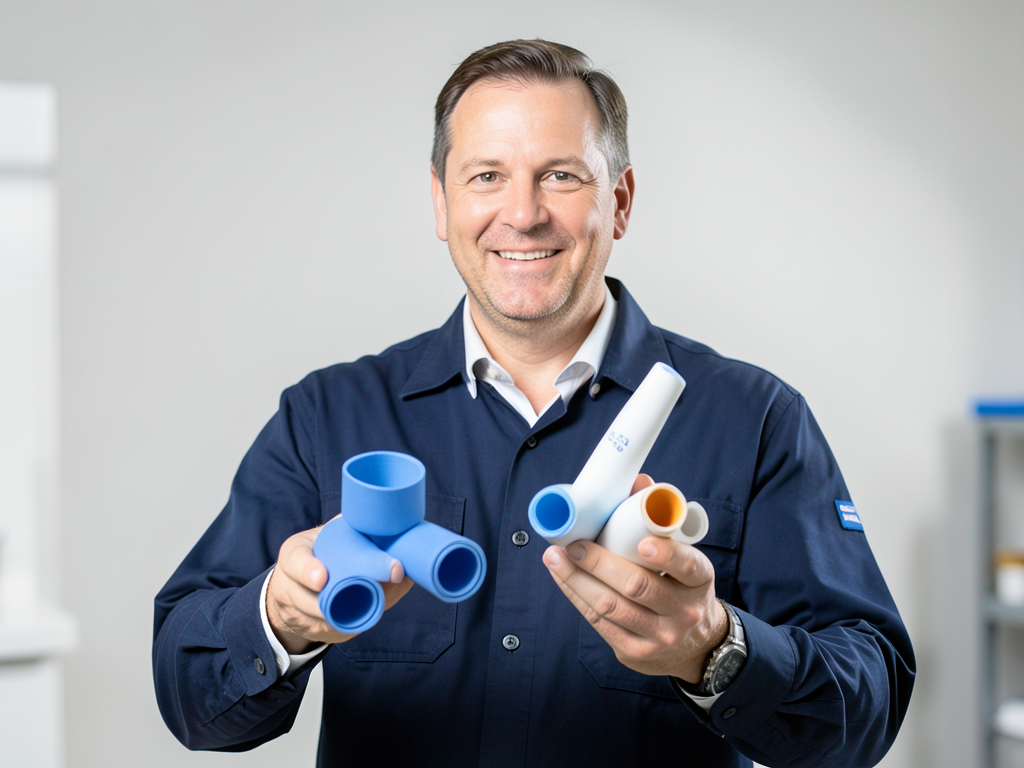
Why PEX-A is Often Better Than PEX-B for Re-Piping Projects in Older New Orleans Homes

Why PEX-A is Often Better Than PEX-B for Re-Piping Projects in Older New Orleans Homes Choosing the right piping material…

What New Orleans Homebuyers Should Look for in a Sewer Camera Inspection Report

What New Orleans Homebuyers Should Look for in a Sewer Camera Inspection Report Buying a home in New Orleans means…

Contact Us

Call Liberty Plumbing New Orleans at (985) 279-3332 right now. We will schedule your diagnostic appointment and identify exactly why your pipes make noise. You get honest answers and repairs that last.