




menu

Low Water Pressure Issues in New Orleans – Expert Diagnosis and Proven Solutions for Your Home

We identify the root cause of weak water pressure, poor water flow, and decreased water pressure in New Orleans homes, then fix it right the first time using advanced diagnostic tools and proven repair techniques.

Slider Image 1
Slider Image 2
Slider Image 3
Slider Image 4
Slider Image 5
Slider Image 7
Slider Image 8
Slider Image 9
Slider Image 10
Slider Image 11

Why New Orleans Homes Struggle with Weak Water Pressure

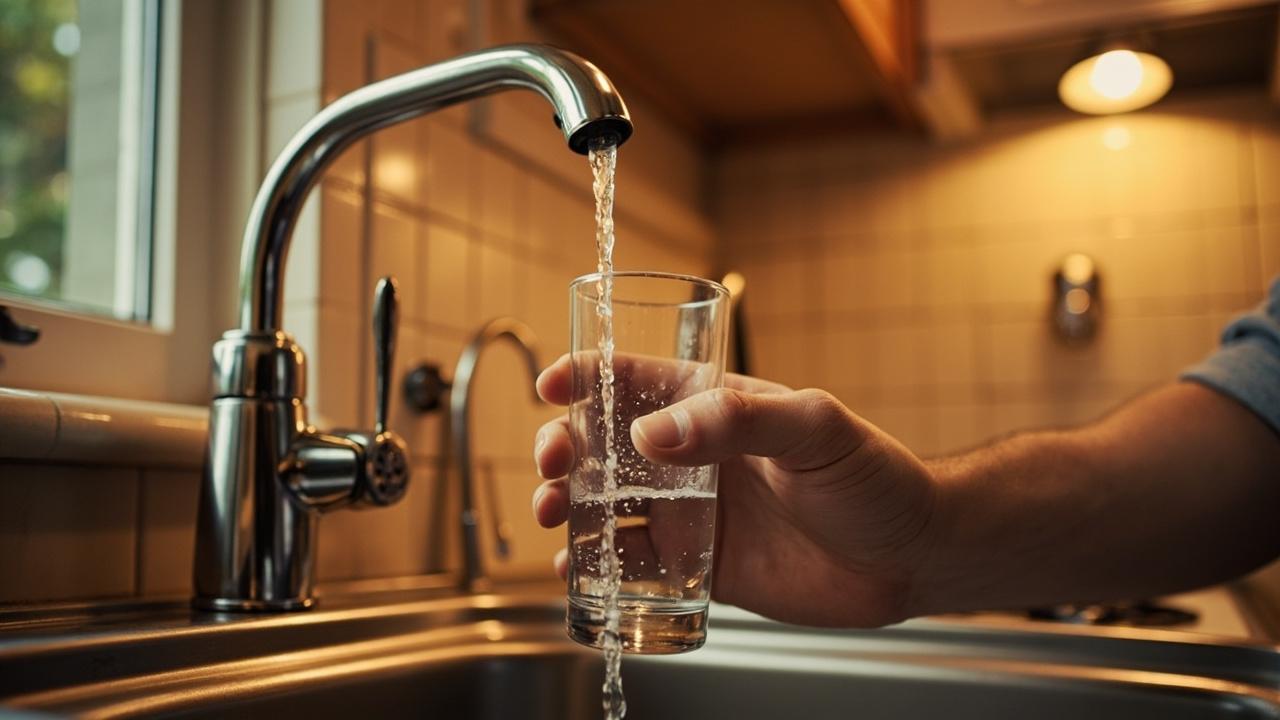
You turn on the shower and the water trickles out. The washing machine takes twice as long to fill. The kitchen faucet barely produces enough flow to rinse a plate. Poor water pressure disrupts your daily routine and signals a problem somewhere in your plumbing system.

New Orleans homes face unique pressure challenges. The city's aging water infrastructure, built decades before modern demands, often delivers inconsistent supply pressure to older neighborhoods. Galvanized pipes installed in pre-1970 homes corrode from the inside, narrowing the pipe diameter and choking off flow. The high mineral content in our municipal water supply accelerates this corrosion, creating rough deposits that catch sediment and further restrict water movement.

Loss of water pressure rarely happens overnight. You adapt gradually, not realizing how bad the flow has become until you visit a friend's house and notice the difference. The problem compounds when multiple fixtures run simultaneously. Your shower pressure drops when someone flushes a toilet or starts the dishwasher.

Below-grade homes in areas like Lakeview and Gentilly face additional challenges. Homes built at or below sea level depend entirely on municipal pressure without the benefit of gravity assist. Any restriction in your supply line, from the street connection to your fixtures, creates noticeable decreased water pressure throughout the house.

The causes range from simple to complex. A partially closed main shutoff valve is an easy fix. Corroded galvanized pipes require repiping. A failing pressure regulator needs replacement. Hidden leaks steal pressure before water reaches your fixtures. Each cause requires different diagnostic tools and repair approaches.

Why New Orleans Homes Struggle with Weak Water Pressure
How We Diagnose and Fix Low Water Flow Problems

How We Diagnose and Fix Low Water Flow Problems

We start every low water pressure call with systematic pressure testing at multiple points. Our digital pressure gauges measure PSI at your main shutoff, at the water heater, and at various fixtures throughout the house. This creates a pressure map that reveals exactly where the restriction occurs.

Normal residential water pressure ranges from 40 to 80 PSI. Anything below 40 PSI causes noticeable weak water pressure. We test your street pressure at the meter to establish your baseline supply. If street pressure reads normal but your indoor pressure tests low, the problem lies in your service line or your internal plumbing.

We inspect pressure regulators next. These devices protect your plumbing from excessive municipal pressure, but they fail over time. A stuck regulator can choke your entire house down to 20 PSI or less. We test the regulator under load and replace it if adjustment does not restore proper pressure.

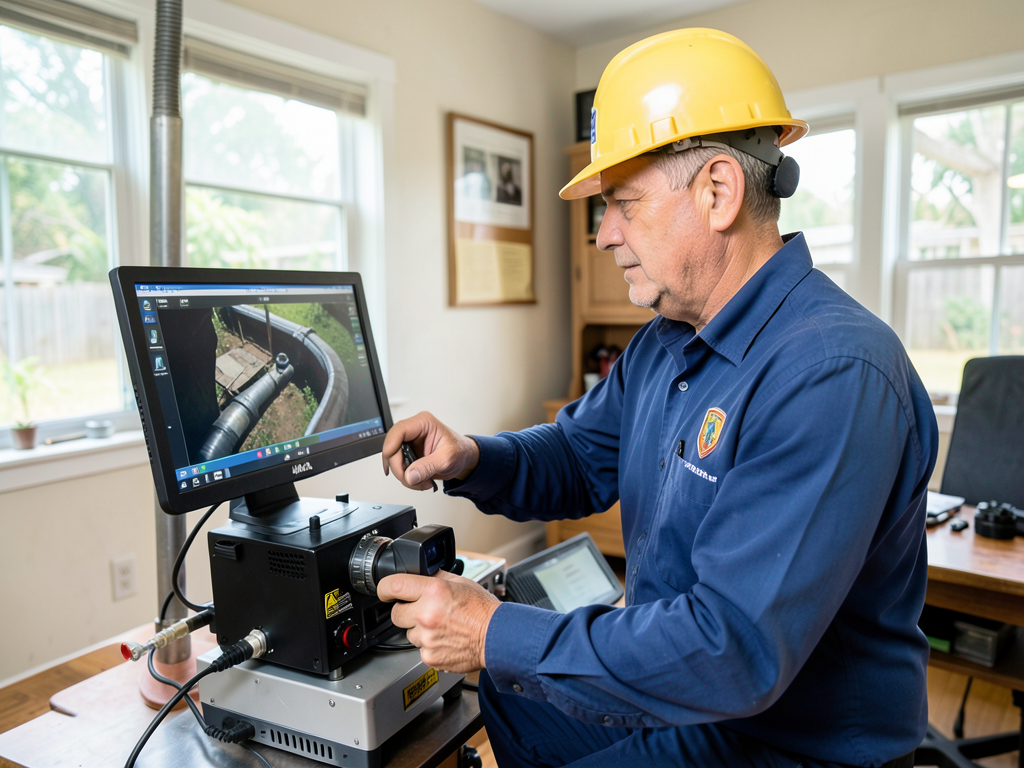
Galvanized pipe inspection requires different tools. We use a pipe camera to look inside accessible sections, checking for scale buildup and corrosion. In homes built between 1950 and 1980, we often find pipes with 50 percent or more diameter loss from internal rust. No amount of cleaning restores these pipes. They need replacement.

We check your aerators and fixture shutoff valves. Sediment trapped in aerator screens mimics whole-house pressure problems when multiple fixtures show decreased water pressure. We remove and inspect each aerator, clearing debris that blocks flow.

Liberty Plumbing New Orleans addresses the actual cause, not just the symptom. We explain what we find, show you the diagnostic data, and recommend the repair that solves your specific problem. Our approach eliminates guesswork and prevents unnecessary work.

What Happens During Your Pressure Evaluation

Low Water Pressure Issues in New Orleans – Expert Diagnosis and Proven Solutions for Your Home
01

Pressure Testing Protocol

We connect calibrated digital gauges at your main water supply and measure static pressure with all fixtures closed. Next, we test dynamic pressure while running multiple fixtures simultaneously to see how your system performs under load. This reveals whether you have a supply problem, a distribution problem, or a fixture-specific restriction causing your poor water pressure symptoms.
02

System Component Inspection

We examine your pressure regulator, check for proper valve operation at your main shutoff, and inspect visible piping for corrosion or damage. We test your water heater's inlet pressure and check expansion tank function. For homes with galvanized piping, we assess pipe condition and estimate remaining service life based on installation date and current flow performance.
03

Solution and Repair Plan

We present our findings with clear diagnostic data and explain your repair options. Simple fixes like regulator adjustment or aerator cleaning happen immediately. Larger projects like pipe replacement or service line repair get detailed estimates with timeline expectations. You receive documentation of all pressure readings and a written explanation of what caused your decreased water pressure and how we fix it permanently.

Why New Orleans Homeowners Trust Our Pressure Diagnostics

Low water pressure diagnosis requires experience with local plumbing systems. We work in New Orleans homes every day. We know which neighborhoods have galvanized pipe problems, which areas experience municipal pressure fluctuations, and which home vintages face specific plumbing challenges.

Our diagnostic approach eliminates the guessing that wastes your money. Other companies quote whole-house repiping without proper testing. They assume your galvanized pipes are bad because of their age. We test first. Sometimes the problem is a $200 pressure regulator, not a $15,000 repipe. We give you the truth, backed by pressure data you can see on our gauges.

We understand the construction methods used in different New Orleans eras. Homes in Uptown built before 1950 often have lead or galvanized service lines from the street. Mid-century homes in Lakeview used galvanized pipes throughout. Post-Katrina reconstructions typically have PEX or copper. Each pipe material ages differently and requires different diagnostic techniques.

Our technicians carry professional-grade diagnostic equipment. We use calibrated pressure gauges accurate to 0.5 PSI. We have pipe cameras for internal inspection. We understand how pressure regulators fail and how to test them properly under load conditions. This equipment investment means accurate diagnosis on the first visit.

We explain everything in plain language. You see the pressure readings. We show you the corroded pipe sections or the failed regulator. You understand exactly what caused your weak water pressure and why our recommended repair fixes it. No mystery, no overselling, no unnecessary work.

Liberty Plumbing New Orleans built our reputation on honest diagnostics and quality repairs. We live and work in this community. Our success depends on your trust and your referrals to neighbors and family.

What to Expect When You Call About Pressure Problems

Response Time and Scheduling

We schedule diagnostic appointments within 24 to 48 hours for most low water pressure calls. Emergency situations with complete pressure loss get same-day response. We provide two-hour arrival windows and call ahead when we are on the way. Most diagnostic visits take 45 minutes to 90 minutes, depending on your home size and plumbing complexity. We complete simple repairs like regulator replacement or aerator cleaning during the same visit when possible.

Comprehensive Pressure Assessment

Your diagnostic appointment includes pressure testing at multiple points, regulator function testing, visual pipe inspection, and fixture-by-fixture evaluation. We document all pressure readings and take photos of problem areas. You receive a written diagnostic report explaining what we found and what caused your poor water pressure. We never recommend repairs without showing you the diagnostic evidence. The assessment gives you complete information to make informed repair decisions.

Permanent Pressure Restoration

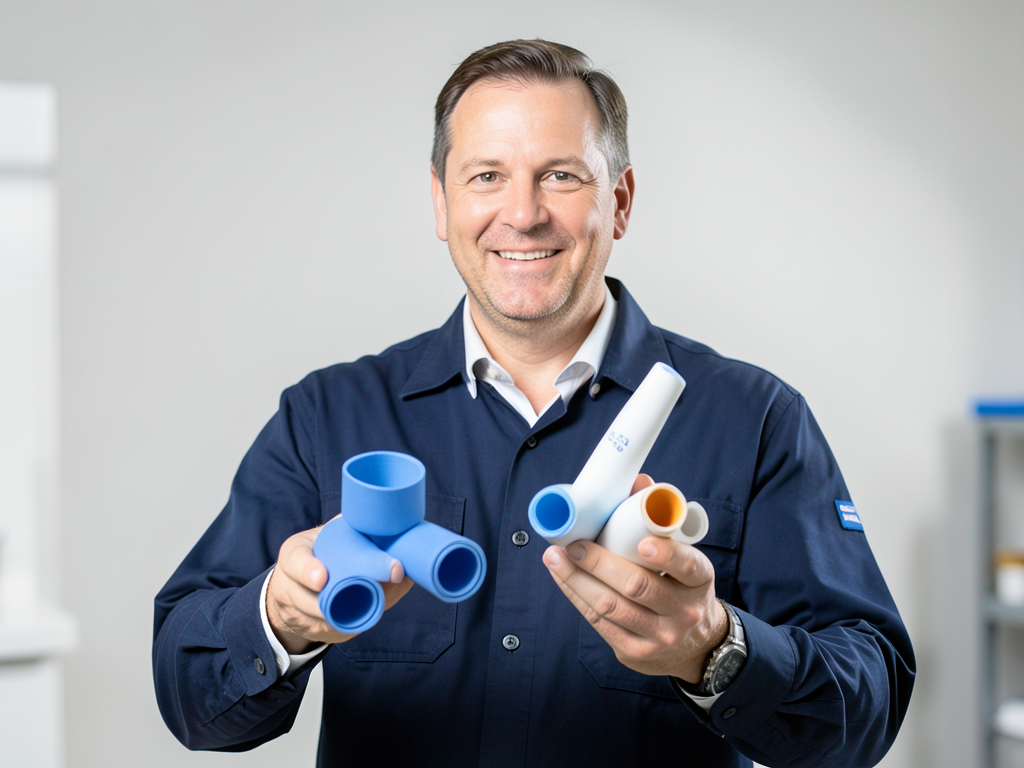
Our repairs target the root cause of your loss of water pressure. We replace failed regulators with quality pressure-reducing valves set to optimal PSI for your home. We clear blocked aerators and replace corroded shutoff valves. For homes requiring repiping, we use PEX or copper materials that will not corrode. We test pressure after every repair to confirm proper flow restoration throughout your home. You feel the difference immediately when you turn on any fixture.

Follow-Up and Maintenance Guidance

After pressure restoration, we explain how to maintain optimal flow. We recommend annual aerator cleaning in homes with high sediment. We show you how to identify early signs of pressure loss before it becomes severe. For homes with aging galvanized pipes, we provide honest timeline expectations for when replacement becomes necessary. We remain available for questions after the repair. If you notice any pressure changes, we come back to verify your system maintains proper performance.

Frequently Asked Questions

You Have Questions,
We Have Answers

What is the most common cause of low water pressure? +

The most common cause is sediment buildup in pipes or fixtures. New Orleans water contains mineral deposits that accumulate over time, especially in older galvanized pipes common in historic neighborhoods. Corroded pipes restrict flow. Other frequent culprits include partially closed main shutoff valves, faulty pressure regulators, and hidden leaks reducing system pressure. In areas near the Sewerage and Water Board infrastructure, shared line issues can affect multiple homes. A licensed plumber can pinpoint whether the problem is isolated to your property or stems from the municipal supply line.

How to fix your low water pressure problem? +

Start by checking if the issue affects one fixture or the whole house. Clean faucet aerators and showerheads to remove mineral buildup. Verify your main shutoff valve is fully open. If pressure remains low throughout your home, the pressure regulator may need adjustment or replacement. Check for visible leaks under sinks or in your crawl space. Older homes in New Orleans often need pipe replacement due to corrosion. A professional inspection identifies whether you need fixture cleaning, regulator service, or repiping. Do not ignore persistent low pressure as it signals underlying problems.

Who is responsible for low water pressure? +

Responsibility splits at the property line. The Sewerage and Water Board maintains lines from the street to your water meter. You own everything from the meter to your house, including the service line and all interior plumbing. If neighbors also have low pressure, contact the water utility. If only your home is affected, the problem lies within your property and you must arrange repairs. In multi-unit buildings, landlords typically handle pressure issues. Always verify meter readings and check with neighbors before calling a plumber to determine jurisdiction.

Does low water pressure mean busted pipe? +

Not necessarily, but it can. A busted pipe usually causes dramatic pressure loss and visible water damage or abnormally high water bills. Low pressure more often indicates gradual corrosion, sediment buildup, or a failing pressure regulator. However, small pinhole leaks in walls or under your home's foundation can slowly reduce pressure without obvious signs. New Orleans homes built on clay soil experience shifting that can crack pipes. If you notice unexplained wet spots, foundation cracks, or your water meter runs when all fixtures are off, suspect a hidden leak.

Can a plumber fix low water pressure? +

Yes. A licensed plumber diagnoses the root cause and implements the correct fix. They can clean or replace corroded pipes, install or adjust pressure regulators, repair leaks, and replace failing fixtures. In New Orleans, plumbers understand local water chemistry and how it accelerates pipe degradation. They carry pressure gauges to test system performance and identify whether the issue is municipal or internal. Professional repair prevents misdiagnosis. Attempting DIY fixes without proper diagnosis often wastes money on the wrong solution. A plumber provides targeted, lasting repairs based on accurate testing.

What are signs of a failing pressure regulator? +

Key signs include fluctuating pressure when running multiple fixtures, water hammering sounds when turning taps on or off, and pressure that seems too high or too low. You may notice appliances malfunctioning or leaking at connections. Pressure regulators typically last 10 to 15 years. Homes in New Orleans with older plumbing systems often have original regulators past their lifespan. If your pressure gauge reads above 80 PSI or below 40 PSI, the regulator likely needs replacement. Erratic pressure damages fixtures and pipes, so address regulator failure quickly.

How much does it cost for a plumber to fix low water pressure? +

Costs vary based on the cause. Simple fixes like cleaning aerators or adjusting valves cost minimal service call fees. Pressure regulator replacement typically ranges from low to mid hundreds. Extensive repairs like repiping corroded lines or fixing underground leaks cost significantly more. Older New Orleans homes with galvanized pipes often require section replacement rather than simple fixes. A diagnostic visit establishes the scope. Factors include accessibility, pipe material, and whether walls need opening. Request a detailed estimate after inspection. Addressing low pressure early prevents costlier damage from leaks or pipe failure.

How to unclog a p-trap? +

Unclogging a P-trap addresses drainage issues, not water pressure problems. However, if you need to clear a P-trap, place a bucket underneath, loosen the slip nuts by hand or with pliers, and remove the curved section. Dump contents into the bucket and flush the trap with water. Check for debris or buildup. Reassemble and hand-tighten, then snug with pliers. Run water to test for leaks. This process clears blockages causing slow drains but does not affect incoming water pressure, which is a separate supply-side issue requiring different diagnosis.

Can I adjust the water pressure myself? +

You can adjust pressure at the regulator if you have one and feel confident using basic tools. Locate the regulator on your main water line, usually near the shutoff valve. Turn the adjustment screw clockwise to increase pressure or counterclockwise to decrease. Make small adjustments and test with a pressure gauge. Ideal pressure is 50 to 60 PSI. However, if you lack experience or cannot locate the regulator, call a plumber. Incorrect adjustment can damage fixtures or pipes. Many New Orleans homes lack regulators entirely, requiring professional installation.

Who do you call if water pressure is low? +

Call a licensed plumber first. They test your system to determine whether the issue is internal or external. If testing shows your home's pressure matches the municipal supply and neighbors report similar problems, the plumber advises contacting the Sewerage and Water Board. Do not call the utility first unless you confirm neighbors also have low pressure. A plumber saves you time by accurately diagnosing fixture problems, pipe corrosion, regulator failure, or leaks within your property. Quick professional assessment prevents misrouting your complaint and delays getting your water pressure restored.

How New Orleans Water Quality Affects Your Home Pressure

The Sewerage and Water Board treats Mississippi River water with chemicals that affect pipe longevity and pressure performance. Our municipal water has elevated mineral content, particularly calcium and magnesium, which accumulate inside pipes and fixtures over time. Homes in areas receiving water from specific treatment plants experience faster sediment buildup in aerators and showerheads. The chloramine disinfection process, while safe for drinking, accelerates galvanized pipe corrosion in older homes. These local water characteristics make New Orleans homes more vulnerable to weak water pressure as plumbing systems age. Understanding these factors helps us diagnose pressure problems faster and recommend solutions that account for our specific water chemistry.

New Orleans plumbing requires knowledge of local building practices across different eras. Homes in the French Quarter and Garden District often have complex plumbing modifications from multiple renovations over decades. Katrina rebuilds in Lakeview and Gentilly followed different code requirements than original construction. We work throughout the metro area and understand how each neighborhood's plumbing infrastructure affects residential water pressure. This local expertise means we diagnose your decreased water pressure faster and recommend repairs appropriate for your home's specific construction and location. We know which problems are common in your neighborhood and how to fix them permanently.
Plumbing Services in The New Orleans Area

Liberty Plumbing proudly serves New Orleans and surrounding areas with dependable plumbing services available 24/7. Use the map below to locate our service area and see how close we are to your home or business. Whether you need emergency repairs or scheduled maintenance, we’re nearby and ready to help. Our team is local, friendly, and always prepared to respond when you need us most. Don’t wait for a plumbing issue to get worse—get fast, professional help from Liberty Plumbing today.

Address:
Liberty Plumbing New Orleans, 201 St Charles Ave, New Orleans, LA, 70170

Additional Services We Offer

Our news updates

Latest Articles & News from The Blogs

Common Plumbing Issues for Homeowners Using Well Water in Rural St. Bernard Parish Living in rural St. Bernard Parish means…

Common Plumbing Issues for Homeowners Using Well Water in Rural St. Bernard Parish

Common Plumbing Issues for Homeowners Using Well Water in Rural St. Bernard Parish Living in rural St. Bernard Parish means…

Dealing with Standing Water in Your Yard After a Typical New Orleans Rainstorm

Dealing with Standing Water in Your Yard After a Typical New Orleans Rainstorm Living in New Orleans means dealing with…

How to Make Your New Orleans Restaurant Bathrooms ADA Compliant

How to Make Your New Orleans Restaurant Bathrooms ADA Compliant Running a restaurant in New Orleans means navigating historic buildings,…

Contact Us

Stop struggling with weak showers and slow-filling fixtures. Call Liberty Plumbing New Orleans at (985) 279-3332 for accurate diagnosis and permanent pressure repair. We identify the real problem, explain your options clearly, and restore proper flow throughout your home.