





New Orleans sits below sea level on soft alluvial soil and clay, which creates constant pressure on underground pipes and foundations. The seasonal water table fluctuations put stress on drain lines and sewer connections, causing joints to separate and roots to infiltrate. High humidity and brackish groundwater accelerate corrosion in older cast iron and galvanized pipes common in homes built before 1980.
The city's historic architecture presents additional complications. Many homes in the Garden District, Bywater, and Marigny feature pier and beam foundations that allow movement, which can stress rigid plumbing connections. Shotgun houses and Creole cottages often have plumbing retrofitted into spaces not originally designed for modern fixtures, creating tight access and unusual configurations.
Summer storms and occasional freezes add urgency to plumbing maintenance. A hard freeze can burst exposed pipes on raised foundations within hours. Heavy rainfall overwhelms the aging sewer system, causing backups through floor drains and toilets in low-lying areas near the Industrial Canal and Gentilly. Professional plumbers in New Orleans must understand these local conditions to diagnose problems accurately and recommend solutions that last in this challenging environment.
Liberty Plumbing New Orleans has served residents across Orleans Parish for years, building a reputation for fast response and honest service. We understand the difference between a Uptown home with original plumbing and a Mid-City renovation with PEX repiping. Our technicians know which neighborhoods deal with recurring sewer line issues and where water pressure problems stem from municipal supply limitations rather than household fixtures.
We focus on damage prevention, not upselling. When we arrive at your home, we assess the immediate problem, explain what caused it, and provide options that fit your budget. If your water heater is failing, we tell you whether repair makes sense or replacement is the smarter investment. If tree roots have invaded your sewer line, we explain both hydro jetting and pipe replacement so you can make an informed decision.
Our service vehicles carry extensive inventory because we know waiting days for parts means more water damage and disruption to your family. We stock common fixtures, repair components, and pipe materials to complete most jobs in a single visit. When we schedule a repair, we arrive on time and finish the work correctly the first time.
Local plumbing contractors who understand New Orleans homes recognize that quick fixes often fail in our soil and climate conditions. We install solutions designed for longevity, using materials rated for high humidity and corrosive groundwater. We pull permits when required and ensure our work meets local building codes. Your plumbing system is too important to trust to inexperienced technicians who treat every city the same.

Plumbing emergencies happen at the worst times. We answer calls day and night, including weekends and holidays, with technicians ready to dispatch across New Orleans. When you call about a burst pipe or sewage backup, we arrive quickly to stop the damage and begin repairs immediately.

Every technician on our team holds a valid Louisiana plumbing license and carries comprehensive liability insurance. We follow state regulations and local codes for all installations and repairs. Our licensing means you can trust the quality of our work and file insurance claims when needed.
We provide clear estimates before starting work and explain what each repair involves. No hidden fees or surprise charges appear on your invoice. If we discover additional problems during the job, we discuss your options and get approval before proceeding with extra work.
Years of working in New Orleans homes taught us which plumbing problems are common in different neighborhoods and how local conditions affect repair solutions. We know the difference between municipal sewer issues and private line problems. Our familiarity with the area helps us diagnose faster and recommend appropriate repairs.
Liberty Plumbing New Orleans handles every type of plumbing work, from emergency repairs to planned installations. Our service range covers urgent problems like burst pipes and overflowing water heaters, routine maintenance like drain cleaning and fixture repairs, and major projects like sewer line replacement and whole-house repiping.
We organize our services around what New Orleans property owners need most. Emergency plumbing repair services address immediate problems that cause active damage or make your home unlivable. Residential plumbing contractors focus on maintenance, upgrades, and fixture installations that improve comfort and efficiency. Commercial plumbing work handles the specialized needs of businesses, restaurants, and multi-family properties.
Professional plumbers on our team have experience with both modern systems and the older infrastructure common in historic New Orleans homes. We repair galvanized pipe, cast iron drains, and copper supply lines, and we install current materials like PEX and PVC that perform better in local conditions. Whether you need a simple faucet replacement or a complex sewer line repair, we bring the right expertise and equipment to complete the job correctly.
Burst pipes, overflowing toilets, and failed water heaters cause thousands in damage if not addressed immediately. We dispatch technicians fast to stop water flow, assess the problem, and begin repairs. Our trucks carry pipe repair materials, shut-off valves, and backup pumps to handle most emergencies on the spot. We work with your insurance company to document damage and provide detailed repair invoices for claims. Emergency plumbing repair services include sewer backups, gas line leaks, frozen pipe thawing, and fixture failures that flood your home.
Regular plumbing maintenance prevents costly emergency repairs and extends the life of your system. We provide drain cleaning, water heater service, fixture installation, and pipe inspections. Our residential work includes kitchen and bathroom remodeling plumbing, outdoor hose bibs and irrigation connections, sump pump installation for below-grade spaces, and water pressure regulation. Local plumbers on our team understand how to work in tight crawl spaces under raised foundations and navigate the unusual pipe routing common in older homes throughout the city.
Clogged drains and failing sewer lines are common problems in New Orleans due to tree root infiltration and aging clay pipes. We use professional hydro jetting equipment to clear blockages without damaging pipes, and we perform video camera inspections to identify cracks, collapses, and root intrusion. When sewer line replacement is necessary, we explain traditional excavation versus trenchless pipe bursting options. Our drain services include main line cleaning, fixture drain augers, French drain installation for yard drainage, and backflow preventer installation to protect your home from sewer system overflows.
The combination of old housing stock, challenging soil conditions, and extreme weather creates recurring plumbing issues across New Orleans. Homes in neighborhoods like Gentilly and Lakeview that flooded during Katrina often have residual plumbing damage that surfaces years later. Historic properties in the French Quarter and Garden District deal with century-old cast iron drains that corrode from the inside out.
Tree roots from live oaks and magnolias seek water sources and infiltrate underground sewer lines through tiny cracks, eventually blocking the entire pipe. The high water table in areas near Lake Pontchartrain and the Mississippi River puts constant pressure on basement floor drains and foundation seepage. Understanding these local challenges helps property owners recognize warning signs before minor issues become expensive emergencies.
Plumbing companies serving New Orleans see similar problems repeatedly because local conditions cause predictable failure patterns. Addressing these issues promptly with appropriate repairs prevents water damage, foundation problems, and health hazards from sewage exposure. Knowing what to watch for helps you call for service before a small leak becomes a flooded room.
Tree roots penetrate underground sewer pipes through joints and cracks, growing inside the line and catching debris until the pipe blocks completely. Signs include slow drains throughout the house, gurgling toilets, and sewage backing up through floor drains. Annual video inspections catch root problems early, and hydro jetting clears roots before they cause complete blockages requiring expensive excavation.
Homes built before 1975 typically have cast iron drain pipes that corrode from inside as waste material creates sulfuric acid. The pipes develop pinhole leaks, then cracks, and eventually collapse sections. Rust-colored water stains on ceilings below bathrooms signal active leaks. Camera inspection shows the remaining pipe thickness and helps determine if spot repairs will work or full replacement is necessary.
New Orleans water contains minerals that settle at the bottom of tank water heaters, reducing efficiency and causing premature failure. Sediment buildup makes popping or rumbling sounds during heating cycles. Annual flushing removes sediment and extends heater life, but neglected tanks often fail suddenly, flooding the area with 40 to 50 gallons of water. Checking the manufacture date and condition prevents unexpected replacement.
Galvanized steel supply pipes installed before 1960 corrode internally, restricting water flow and causing weak pressure at fixtures. The problem worsens gradually, so homeowners often adapt without realizing how bad pressure has become. Replacing galvanized pipe with copper or PEX restores full pressure and eliminates rust contamination in your water. Partial repiping focuses on problem areas if budget limits full house replacement.
From your first call to job completion, we focus on clear communication and professional service. Our process is designed to reduce stress during plumbing problems and ensure you understand what we are doing and why. Emergency calls receive immediate attention, with technicians dispatched as soon as you describe the situation. Scheduled appointments arrive within the confirmed time window, and we call ahead when we are on the way.
Our technicians arrive in marked vehicles with visible company identification. They protect your floors with drop cloths and wear shoe covers inside your home. Before starting work, they assess the problem, explain what they found, and provide repair options with transparent pricing. You approve the work before we begin, and we answer questions throughout the process.
We treat your property with respect and clean up thoroughly when the job is complete. Plumbing repair services often create debris and require cutting access holes, but we remove all waste, vacuum work areas, and leave your home as clean as we found it. Our goal is to solve your plumbing problem while minimizing disruption to your household. You receive documentation of the work performed, warranty information, and maintenance recommendations to prevent future issues.
Our technicians arrive with the diagnostic equipment needed to identify problems quickly and accurately. We use camera inspections for drain lines, pressure gauges for supply systems, and leak detection tools to pinpoint hidden problems. Once we understand the issue, we explain what caused it in plain language without technical jargon. You receive a detailed estimate before we start repairs, and we walk through the scope of work so you know exactly what to expect.
We use professional-grade materials designed for the demanding conditions in New Orleans. Our pipe connections are soldered or joined properly, not just pushed together with temporary fittings. Fixtures are installed to manufacturer specifications with proper sealing and support. We follow local building codes and pull permits when required for major work like water heater replacement or sewer line repair. Cutting corners might save time initially, but it leads to callbacks and failures that cost you more in the long run.
We stand behind our work with warranties on parts and labor. If a problem develops with a repair we completed, we return to make it right at no additional charge. Our office keeps detailed records of all service calls, so when you contact us months or years later, we have your history and can reference previous work. We provide maintenance reminders for water heaters, drain cleaning, and other preventive services that protect your investment and avoid emergency repairs.
We designed our service process to be straightforward and stress-free. Whether you need emergency repairs or scheduled maintenance, these three steps ensure you receive fast, professional plumbing service.
Call (985) 279-3332 to describe your plumbing problem. Our staff asks questions to understand the situation and determine urgency. For emergencies, we dispatch a technician immediately and provide an estimated arrival time. For scheduled service, we find an appointment window that works with your schedule. You receive a confirmation call when the technician is on the way, and we text updates about arrival times so you are not left waiting.
The technician assesses your plumbing system, identifies the problem, and explains what needs to be done. We provide a detailed estimate covering parts and labor before starting work. Once you approve, we complete the repair using quality materials and proven techniques. Most jobs finish the same day, and we keep you informed throughout the process about what we are doing and why it matters for your plumbing system.
After testing the repair to ensure everything works correctly, we clean the work area and walk you through what we accomplished. You receive documentation of the service, warranty information, and recommendations for preventive maintenance. We follow up to ensure you are satisfied and answer any questions about the repair. Our records system tracks your service history so future visits build on the work already completed at your property.
Professional plumbing work in New Orleans requires understanding both modern standards and the older systems common in historic homes. The city has a mix of plumbing materials and methods spanning over a century. Homes built before 1950 typically have galvanized steel supply pipes and cast iron drains. Post-war construction through the 1970s used copper supply lines with cast iron or clay sewer pipes. Modern homes feature PEX supply lines, PVC drains, and ABS sewer connections.
Louisiana State Plumbing Code governs all installations and repairs, requiring permits for water heater replacement, gas line work, and sewer line repairs. The code specifies minimum pipe sizes, proper venting requirements, and approved materials for different applications. Backflow prevention devices are mandatory on irrigation systems and commercial properties to protect the municipal water supply from contamination.
Repairs must account for New Orleans conditions. Pipe materials need corrosion resistance for brackish groundwater. Drain systems require proper slope despite minimal elevation change in flat terrain. Sewer connections need backflow prevention because the municipal system can surcharge during heavy rain. Foundation movement from soil settlement affects rigid pipe connections, making flexible materials like PEX advantageous for supply lines.
Professional plumbers understand fixture unit calculations for drain sizing, water pressure requirements for multi-story homes, and gas pipe sizing for appliances. We know when excavation permits are needed for work in the right-of-way and which repairs require inspection approval. This technical knowledge ensures repairs meet code requirements and perform reliably in local conditions rather than failing within months.
Choosing appropriate pipe materials affects system longevity. Copper supply lines resist corrosion better than galvanized steel in brackish groundwater. PEX offers flexibility that handles foundation movement without breaking rigid connections. PVC drain pipe resists the sulfuric acid created by waste decomposition that corrodes cast iron from inside. Understanding material properties and local conditions guides proper selection for repairs and replacements.
Repair costs vary based on accessibility, materials needed, and labor time required. Pipes under concrete slabs cost more to access than exposed lines in crawl spaces. Emergency service outside business hours carries premium pricing. Extensive root damage to sewer lines costs more than simple drain clogs. Material quality affects price, with professional-grade fixtures and fittings costing more than basic builder-grade products but lasting longer in demanding conditions.
Simple repairs like fixture replacement or drain clearing take one to two hours. Water heater installation requires three to four hours for proper venting and connections. Repiping a house takes several days depending on home size and accessibility. Sewer line replacement involves excavation permits and typically requires two to three days. Weather delays excavation work during heavy rain. Setting realistic expectations helps you plan around necessary plumbing work.
Louisiana requires plumbers to hold valid state licenses for residential and commercial work. Master plumbers supervise journeymen and apprentices. Permits are mandatory for water heater replacement, gas line installation, and major repairs. Inspections verify code compliance on permitted work. Hiring licensed contractors protects you legally and ensures work meets safety standards. Insurance companies often deny claims for damage caused by unlicensed plumber work.
This video explains common plumbing problems affecting New Orleans homes including cast iron pipe corrosion, sewer line root intrusion, water heater failures, and low water pressure issues. Liberty Plumbing New Orleans discusses how local soil conditions, high water tables, and aging infrastructure create unique challenges for homeowners. Licensed plumbers describe warning signs that indicate you need professional plumbing repair services and preventive maintenance that extends system life in the New Orleans climate.
Liberty Plumbing New Orleans provides service throughout Orleans Parish and nearby communities. Our coverage area includes the historic neighborhoods of the French Quarter, Garden District, and Marigny where homes built in the 1800s present unique plumbing challenges. We regularly work in Uptown near Audubon Park and Tulane University, where large homes on tree-lined streets deal with root intrusion in sewer lines.
Mid-City residents near City Park call us for water heater replacements and drain cleaning. The area saw extensive flooding during Katrina, and many homes have plumbing systems that were partially rebuilt but still include older infrastructure. We understand which repairs are temporary fixes from the rebuilding period and what needs proper replacement to last.
Gentilly and Lakeview neighborhoods along the lakefront experience high water tables and soil settlement that stress underground pipes. Our technicians know how to account for these conditions when repairing sewer lines and installing foundation drainage systems. We serve Algiers across the river, where homes have similar vintage plumbing issues but different soil conditions than the east bank.
The Bywater and Lower Ninth Ward areas have a mix of renovated and original homes. We work with property owners doing gut renovations that require complete replumbing, and we service long-time residents maintaining older systems. Metairie and Kenner residents just outside Orleans Parish also rely on our services, particularly for emergency repairs and water heater replacements.
Our familiarity with different parts of the city helps us arrive quickly and understand neighborhood-specific issues before we start diagnostics. A plumbing problem in a French Quarter commercial building differs from a burst pipe in a Lakeview raised foundation home. We adapt our approach based on construction type, building age, and local conditions. Whether you live near Magazine Street shops, work in the Central Business District, or own rental property in any New Orleans neighborhood, we provide the same professional service and local expertise that has built our reputation across the city.
High humidity causes pipe corrosion and mold growth in crawl spaces and walls. Shifting soil leads to pipe misalignment and cracks in your foundation. You'll often see slab leaks and broken connections where pipes enter your home. Drain lines settle unevenly and create standing water issues. Cast iron pipes corrode faster here than in drier climates. Toilet seals break down from constant foundation movement. Your home needs regular inspections to catch these problems early. Watch for damp spots on walls, low water pressure, and unexplained increases in your water bill.
Replacing cast iron pipes depends on your home's size and pipe accessibility. A typical single-family home requires several days of work. Expect higher expenses if pipes run through concrete slabs or finished walls. Partial replacement of problem sections reduces expenses compared to whole-house repiping. Prices increase if your home needs extensive drywall repair or foundation access. Get three written estimates before choosing a plumber. Factor in permits and inspection fees. Most plumbers offer financing options for larger replacement projects.
You need a licensed plumber for most work in New Orleans. State law requires permits and inspections for new installations and major repairs. Simple tasks like replacing faucet washers or unclogging drains are fine for homeowners. Anything involving gas lines, water heaters, or main line work requires professional licensing. Unlicensed work voids your homeowner's insurance if problems occur. The city inspector will reject permit applications from unlicensed individuals. DIY mistakes often lead to bigger repair bills later. Know your limits and call professionals for complex jobs.
High humidity causes pipe corrosion and mold growth in crawl spaces and walls. Shifting soil leads to pipe misalignment and cracks in your foundation. You'll often see slab leaks and broken connections where pipes enter your home. Drain lines settle unevenly and create standing water issues. Cast iron pipes corrode faster here than in drier climates. Toilet seals break down from constant foundation movement. Your home needs regular inspections to catch these problems early. Watch for damp spots on walls, low water pressure, and unexplained increases in your water bill.
Replacing cast iron pipes depends on your home's size and pipe accessibility. A typical single-family home requires several days of work. Expect higher expenses if pipes run through concrete slabs or finished walls. Partial replacement of problem sections reduces expenses compared to whole-house repiping. Prices increase if your home needs extensive drywall repair or foundation access. Get three written estimates before choosing a plumber. Factor in permits and inspection fees. Most plumbers offer financing options for larger replacement projects.
You need a licensed plumber for most work in New Orleans. State law requires permits and inspections for new installations and major repairs. Simple tasks like replacing faucet washers or unclogging drains are fine for homeowners. Anything involving gas lines, water heaters, or main line work requires professional licensing. Unlicensed work voids your homeowner's insurance if problems occur. The city inspector will reject permit applications from unlicensed individuals. DIY mistakes often lead to bigger repair bills later. Know your limits and call professionals for complex jobs.
Repiping takes three to seven days for most homes. Single-story homes go faster than multi-level properties. Plumbers need extra time if your pipes run through concrete slabs. Homes with extensive plaster or decorative finishes require careful work. The crew sizes up your layout before starting. You'll have limited water access during work hours. Restoration work like drywall patching adds another few days. Older homes with unexpected complications take longer. Get a timeline estimate in writing before work begins. Plan to stay elsewhere if full water shutoff is needed.
Mardi Gras brings millions of visitors who strain the water system. Hotels, restaurants, and portable toilets all draw from city mains. The Sewerage and Water Board faces peak demand during parades and festivals. Older neighborhoods with undersized pipes feel the pressure drop first. Your home shares water lines with nearby businesses experiencing unusual usage. The problem worsens in areas with heavy tourist traffic. Low pressure typically returns to normal after events end. Install a pressure gauge to monitor your baseline pressure year-round.
Stop using all water fixtures immediately to prevent flooding your home. Heavy rain overwhelms the city drainage system and causes backflow into sewer lines. Move items away from floor drains and toilets. Call a plumber to assess whether the blockage is in your line or the main. Never use chemical drain cleaners during backups. A plumber will camera inspect your line to find the problem. Install a backwater valve to prevent future incidents. Document everything with photos for insurance claims if needed.
Check your crawl space first if you have a raised foundation. The valve sits on the main line where city water enters your property. Look near your water meter outside or at the property line. Older homes often have valves inside near the front wall or under the house. Some valves hide behind access panels in closets or bathrooms. Turn the valve clockwise to shut off water. Test your valve annually to ensure it works. Tag the location once you find it for future emergencies.
Live oak roots aggressively seek water and nutrients in sewer lines. These roots enter through tiny cracks and joints in older pipes. Once inside, they expand and create complete blockages. You'll notice slow drains, gurgling sounds, and frequent backups. Clay and cast iron pipes are most vulnerable to root intrusion. Roots grow dozens of feet from the tree trunk. Camera inspections reveal root problems before major damage occurs. Regular maintenance and root treatments protect your lines. Consider pipe replacement in sections with heavy root activity.
Emergency rates apply during hurricanes and severe weather events. Plumbers face dangerous conditions and supply shortages during storms. Many companies implement surge pricing when demand exceeds capacity. Rates reflect increased risk and after-hours work. Your regular plumber might not be available during evacuations. Some companies maintain storm crews for essential services. Book pre-storm inspections to avoid emergency calls. Shut off your main water valve before evacuating. Emergency rates vary widely between companies. Ask about pricing policies before you need emergency service.
Inspect your water heater annually to maintain performance and safety. New Orleans water contains minerals and sediment that accumulate in tanks. Annual flushing removes buildup and extends heater life. High humidity accelerates corrosion on tank exteriors and connections. Check the anode rod every three years to prevent tank failure. Gas water heaters need burner cleaning and venting checks. Schedule inspections before winter when you need reliable hot water. Look for rust, leaks, and unusual noises between professional visits. Most manufacturers require annual maintenance to honor warranties.
Repiping takes three to seven days for most homes. Single-story homes go faster than multi-level properties. Plumbers need extra time if your pipes run through concrete slabs. Homes with extensive plaster or decorative finishes require careful work. The crew sizes up your layout before starting. You'll have limited water access during work hours. Restoration work like drywall patching adds another few days. Older homes with unexpected complications take longer. Get a timeline estimate in writing before work begins. Plan to stay elsewhere if full water shutoff is needed.
Mardi Gras brings millions of visitors who strain the water system. Hotels, restaurants, and portable toilets all draw from city mains. The Sewerage and Water Board faces peak demand during parades and festivals. Older neighborhoods with undersized pipes feel the pressure drop first. Your home shares water lines with nearby businesses experiencing unusual usage. The problem worsens in areas with heavy tourist traffic. Low pressure typically returns to normal after events end. Install a pressure gauge to monitor your baseline pressure year-round.
Stop using all water fixtures immediately to prevent flooding your home. Heavy rain overwhelms the city drainage system and causes backflow into sewer lines. Move items away from floor drains and toilets. Call a plumber to assess whether the blockage is in your line or the main. Never use chemical drain cleaners during backups. A plumber will camera inspect your line to find the problem. Install a backwater valve to prevent future incidents. Document everything with photos for insurance claims if needed.
Check your crawl space first if you have a raised foundation. The valve sits on the main line where city water enters your property. Look near your water meter outside or at the property line. Older homes often have valves inside near the front wall or under the house. Some valves hide behind access panels in closets or bathrooms. Turn the valve clockwise to shut off water. Test your valve annually to ensure it works. Tag the location once you find it for future emergencies.
Live oak roots aggressively seek water and nutrients in sewer lines. These roots enter through tiny cracks and joints in older pipes. Once inside, they expand and create complete blockages. You'll notice slow drains, gurgling sounds, and frequent backups. Clay and cast iron pipes are most vulnerable to root intrusion. Roots grow dozens of feet from the tree trunk. Camera inspections reveal root problems before major damage occurs. Regular maintenance and root treatments protect your lines. Consider pipe replacement in sections with heavy root activity.
Emergency rates apply during hurricanes and severe weather events. Plumbers face dangerous conditions and supply shortages during storms. Many companies implement surge pricing when demand exceeds capacity. Rates reflect increased risk and after-hours work. Your regular plumber might not be available during evacuations. Some companies maintain storm crews for essential services. Book pre-storm inspections to avoid emergency calls. Shut off your main water valve before evacuating. Emergency rates vary widely between companies. Ask about pricing policies before you need emergency service.
Inspect your water heater annually to maintain performance and safety. New Orleans water contains minerals and sediment that accumulate in tanks. Annual flushing removes buildup and extends heater life. High humidity accelerates corrosion on tank exteriors and connections. Check the anode rod every three years to prevent tank failure. Gas water heaters need burner cleaning and venting checks. Schedule inspections before winter when you need reliable hot water. Look for rust, leaks, and unusual noises between professional visits. Most manufacturers require annual maintenance to honor warranties.
Liberty Plumbing proudly serves New Orleans and surrounding areas with dependable plumbing services available 24/7. Use the map below to locate our service area and see how close we are to your home or business. Whether you need emergency repairs or scheduled maintenance, we’re nearby and ready to help. Our team is local, friendly, and always prepared to respond when you need us most. Don’t wait for a plumbing issue to get worse—get fast, professional help from Liberty Plumbing today.
Address:
New Orleans, LA, 70130
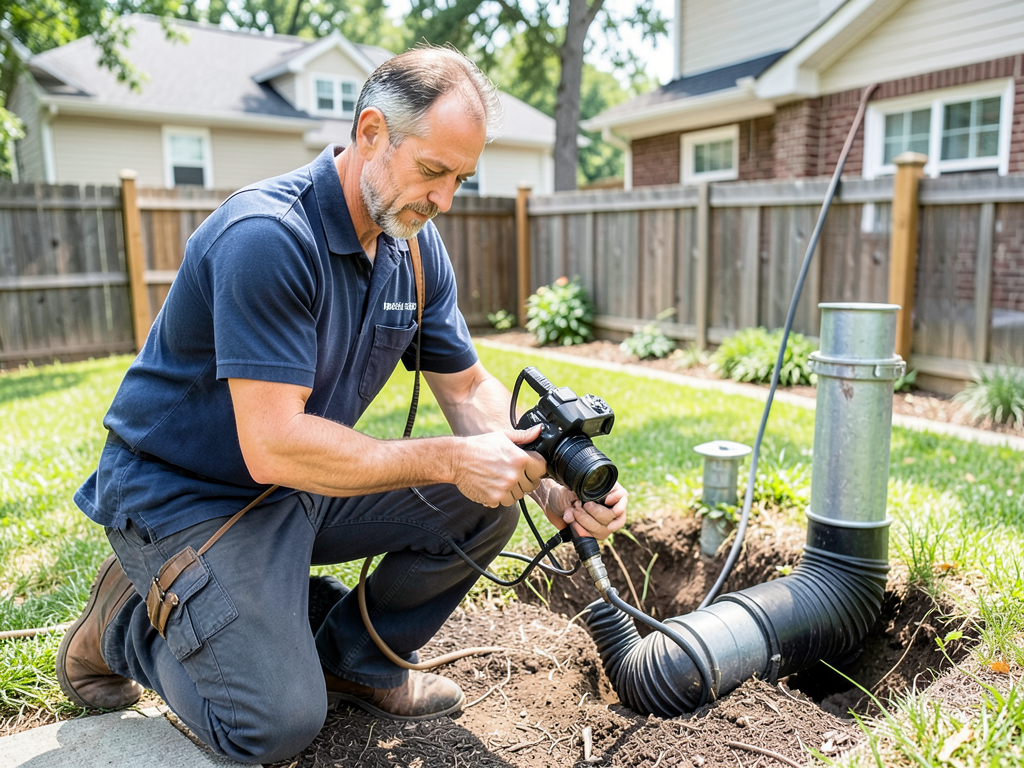
Essential Plumbing Considerations for Building a Backyard ADU in the Bywater Building an Accessory Dwelling Unit in the Bywater means navigating New Orleans’ unique plumbing infrastructure, from high water tables to historic district restrictions. Before…
Upgrading Your Algiers Point Rental Property with Low-Maintenance Commercial Grade Fixtures Managing rental properties in…
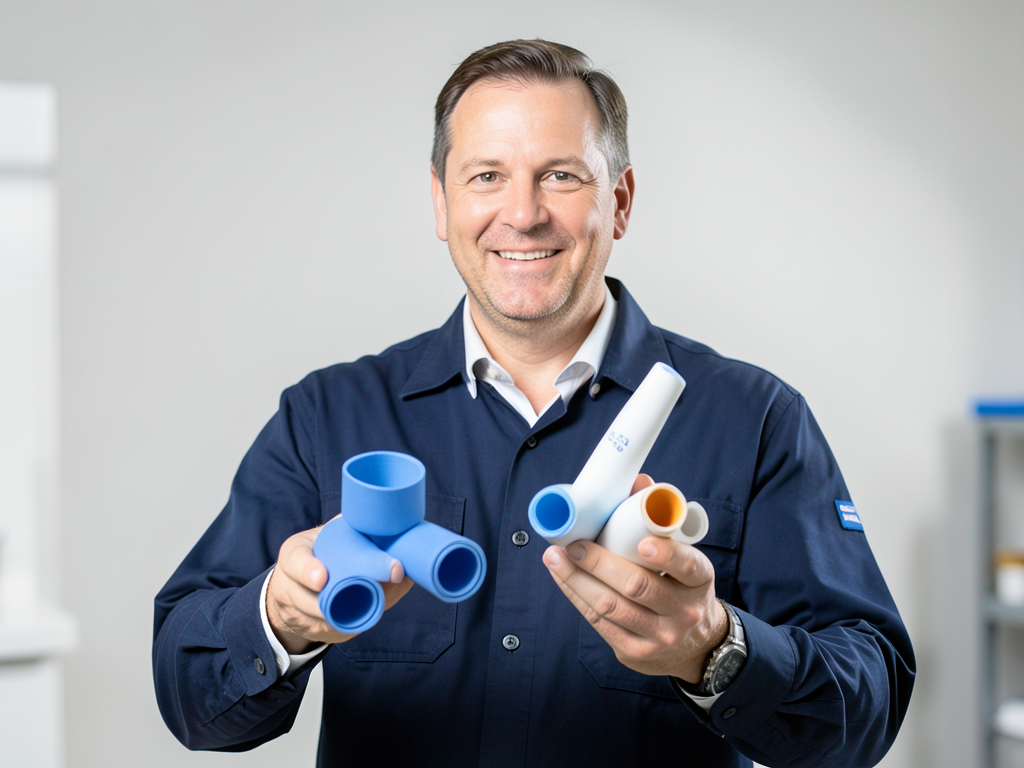
Why PEX-A is Often Better Than PEX-B for Re-Piping Projects in Older New Orleans Homes…
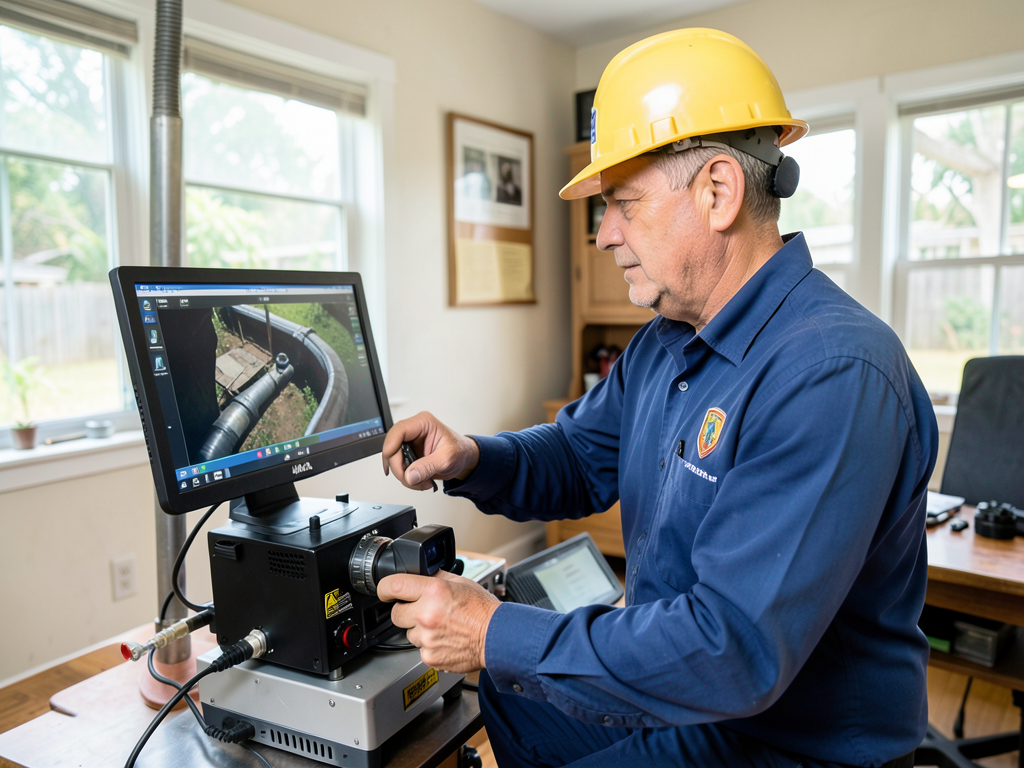
What New Orleans Homebuyers Should Look for in a Sewer Camera Inspection Report Buying a…
Do not let plumbing problems disrupt your home or business. Call (985) 279-3332 now for emergency repairs or to schedule service. Our licensed plumbers are ready to respond across New Orleans. We arrive fast, diagnose accurately, and fix it right the first time.