





menu

Commercial Repiping Services in New Orleans – Minimize Downtime and Restore Operations Fast

Liberty Plumbing New Orleans delivers industrial-grade commercial repiping services designed to keep your business running, with phased installations that eliminate prolonged shutdowns and meet Louisiana's stringent plumbing codes for multi-story and high-occupancy buildings.

Slider Image 1
Slider Image 2
Slider Image 3
Slider Image 4
Slider Image 5
Slider Image 7
Slider Image 8
Slider Image 9
Slider Image 10
Slider Image 11

Why New Orleans Commercial Buildings Need Strategic Pipe Replacement

Commercial buildings in New Orleans face unique plumbing stress. The high water table in low-lying areas like the Warehouse District and Mid-City puts constant hydrostatic pressure on underground piping. Combine that with the region's aggressive water chemistry, which contains elevated chloride levels from proximity to the Gulf, and you accelerate internal corrosion in older galvanized and copper systems.

Many commercial structures built before 1985 still operate on outdated pipe materials that were not designed for Louisiana's mineral-heavy groundwater. Hotels along Canal Street, medical offices in Metairie, and industrial warehouses near the Port of New Orleans routinely experience cascading failures where one pipe burst triggers pressure shifts that compromise adjacent lines. These failures do not announce themselves until water is pooling in your ceiling tiles or flooding your electrical room.

For business owners, the cost is not just the repair. It is the lost revenue during shutdown, the liability exposure from tenant displacement, and the risk of failing a health department or fire marshal inspection. Commercial building repiping is not a maintenance task you can defer. When your distribution system starts failing, you need a contractor who understands phased shutdowns, tenant coordination, and how to work around your operational schedule. Industrial repiping services require capacity and experience that residential plumbers simply do not carry.

If your building is over 30 years old and you are seeing repeat slab leaks, pressure drops, or discolored water in multiple zones, you are watching a system fail in real time.

Why New Orleans Commercial Buildings Need Strategic Pipe Replacement
How Liberty Plumbing New Orleans Executes Large-Scale Commercial Pipe Replacement

How Liberty Plumbing New Orleans Executes Large-Scale Commercial Pipe Replacement

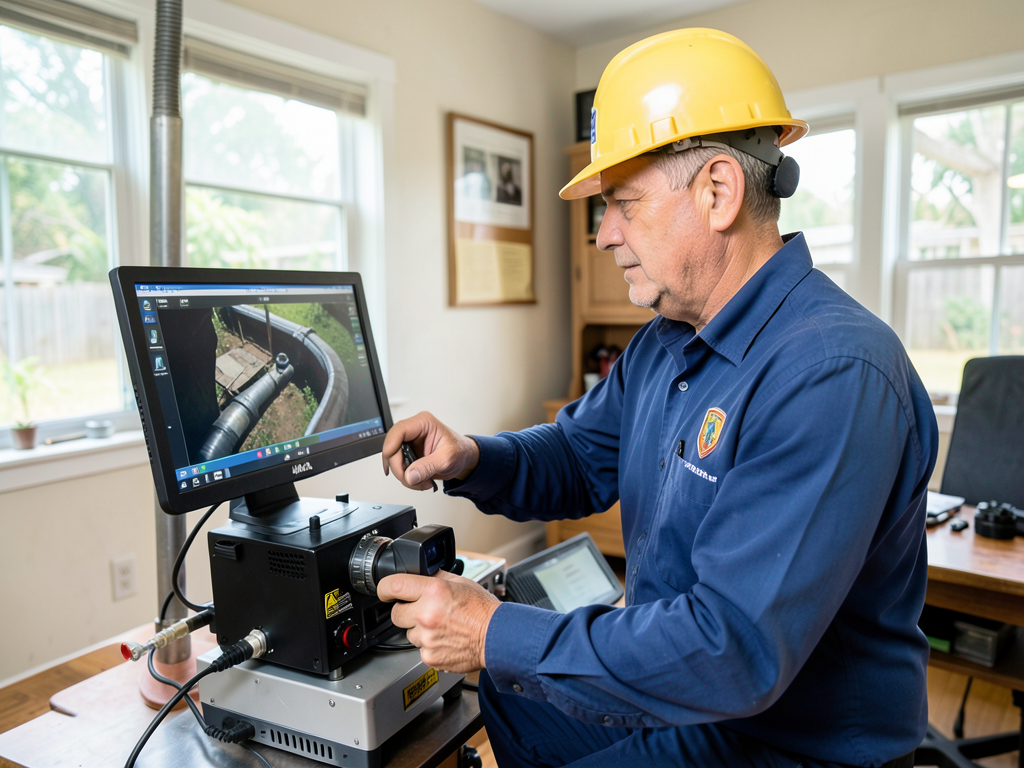
We do not shut down your entire building for three weeks. Our commercial plumbing repipe process is built around minimizing tenant disruption and maintaining partial service during the transition. We start by mapping your existing distribution network with pressure testing and infrared imaging to identify which zones are most compromised. That data drives the sequencing.

For multi-tenant buildings, we repipe one floor or one wing at a time, isolating sections with temporary bypasses so the rest of the property remains operational. In hotels or hospitals where 24-hour water access is non-negotiable, we schedule overnight or weekend phases and use prefabricated manifold assemblies to cut the actual downtime per zone to under six hours.

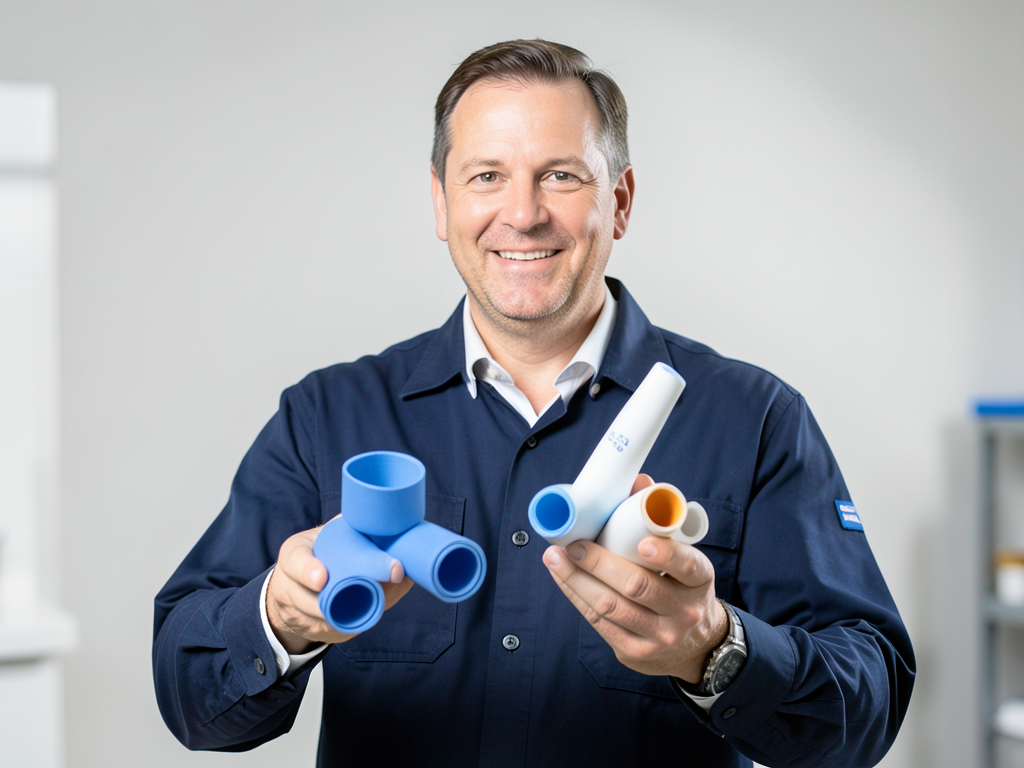
Material selection is not one-size-fits-all. For high-rise buildings with confined chases, we use Type L copper with press fittings to eliminate torch work and reduce fire watch costs. For expansive single-story warehouses or light industrial sites, we install CPVC or PEX manifold systems that allow for future expansion without sawing into walls. If your building is under historic preservation rules in the French Quarter or Garden District, we work within those constraints and provide documentation for compliance.

We coordinate directly with your property manager, tenants, and any third-party inspectors. You get a detailed phase schedule before we mobilize, daily progress updates, and post-installation pressure certification for each zone. This is not a gut-and-replace operation. This is surgical infrastructure work designed to protect your asset value and keep your doors open.

What Happens During Your Commercial Repiping Project

Commercial Repiping Services in New Orleans – Minimize Downtime and Restore Operations Fast
01

System Assessment and Phasing Plan

We begin with a full diagnostic of your existing system using hydrostatic testing and thermal imaging to map failure points. Our team then creates a zone-by-zone phasing plan that sequences the work to minimize operational downtime. You receive a written schedule that outlines which areas will be offline, for how long, and what temporary water access will be maintained. This plan is reviewed with your management team before we pull permits.
02

Phased Installation and Coordination

We mobilize crews to execute one phase at a time, installing new piping while maintaining service to unaffected areas. Temporary bypass lines keep critical zones like kitchens, restrooms, and mechanical rooms operational. We coordinate with tenants 48 hours before each phase begins and provide on-site supervision to ensure noise, dust, and access disruptions stay contained. All installations meet Louisiana State Plumbing Code and local fire marshal requirements for commercial occupancies.
03

Pressure Testing and Handoff

Once all zones are complete, we perform a full-system pressure test and provide certified documentation for your records. You receive as-built drawings showing the new pipe layout, material specifications, and valve locations. We walk your facilities team through the new system and provide operating instructions for any added shut-off points or isolation valves. Your building is returned to full service with a modernized plumbing backbone built for the next 40 years.

Why New Orleans Commercial Property Owners Choose Liberty Plumbing

Commercial repiping is not a service every plumbing contractor can deliver. It requires bonding capacity, workforce depth, and the ability to manage multi-phase projects that span weeks or months. Liberty Plumbing New Orleans operates with the crew size and equipment fleet to handle projects ranging from 10-unit apartment buildings to 200,000-square-foot industrial facilities.

We understand New Orleans building stock. Many commercial properties in the CBD and Uptown were built during the post-war boom and still have original cast iron drain lines and galvanized supply piping. These systems were not designed for modern water pressure or the chemical additives used in municipal treatment. We have repiped everything from historic shotgun multifamily conversions in Bywater to concrete tilt-up warehouses near the Michoud Assembly Facility. That experience means we anticipate problems before they become change orders.

We are familiar with the Orleans Parish permitting process and the specific inspection requirements for commercial plumbing work. We coordinate with the Department of Safety and Permits and schedule inspections in sequence so your project does not stall waiting for a final sign-off. If your building is in a historic district, we work within the Vieux Carre Commission guidelines and provide the documentation required for approval.

You also get transparent communication. We do not disappear for days between phases. You have direct contact with the project foreman and receive photo updates and progress reports on a schedule that works for your team. When you are managing tenants, investors, or a board of directors, that visibility matters.

What You Can Expect From Your Commercial Repiping Project

Project Timeline and Staging

Most commercial repiping projects take between two and eight weeks, depending on building size, occupancy type, and the scope of distribution work required. We break the work into phases that align with your operational needs. For example, a 30-unit apartment building might be repiped in three phases over four weeks, with each phase representing one floor or one wing. Industrial facilities with simpler layouts and fewer tenants can often be completed faster. You receive a detailed timeline before we start, and we stick to it. Delays cost you money, and we build contingency time into the schedule to account for unforeseen conditions like concealed piping or structural conflicts.

Pre-Construction Site Assessment

Before we mobilize, we conduct a full walkthrough with your facilities manager or property representative. We identify access points, staging areas, and any logistical constraints like narrow stairwells or limited elevator capacity. We also review tenant coordination protocols and establish communication channels. If your building requires after-hours or weekend work to avoid disrupting business operations, we accommodate that. This pre-construction phase ensures that once we start, the work proceeds without confusion or delays. You are involved in every decision that affects your building's operation, and nothing happens without your approval.

Quality of Installation and Materials

We install commercial-grade piping systems built for long-term performance under high-demand conditions. That means Type L copper for high-rise risers, Schedule 40 CPVC for horizontal distribution in commercial kitchens, and PEX manifold systems for flexible retrofit applications. All fittings, hangers, and supports meet ASTM and ASME standards for commercial plumbing installations. We do not use residential-grade materials or shortcuts. Every joint is tested, every penetration is sealed, and every valve is accessible for future maintenance. You get a system that will outlast your ownership and add value to your property. Post-installation, we provide material certifications and pressure test reports for your records.

Post-Installation Support and Documentation

After the final inspection, we provide you with as-built drawings, material specifications, and a full set of compliance documents for your building file. If you need to provide documentation to insurance carriers, lenders, or prospective buyers, you will have everything required. We also offer ongoing maintenance agreements for commercial clients who want routine inspections and priority service. Our team remains available for any post-installation questions or adjustments. If a tenant reports an issue with a fixture or valve, we respond quickly to protect your reputation and maintain building operations. You are not handed off to a service department. You work with the same team that installed your system.

Frequently Asked Questions

You Have Questions,
We Have Answers

How much does it cost to repipe a 2500 square foot house? +

Commercial repiping costs differ significantly from residential projects. For a commercial facility of 2500 square feet, expect costs to scale based on fixture count, occupancy type, and operating hours. A retail space has fewer fixtures than a restaurant. In New Orleans, aging cast iron and galvanized steel systems in older commercial buildings require complete replacement to meet current code. Material choice (copper versus PEX-A), accessibility, and whether work happens after hours to avoid business interruption drive the final cost. Request a site assessment and detailed scope breakdown before committing to any contractor.

What does commercial plumbing mean? +

Commercial plumbing serves non-residential properties including office buildings, restaurants, hotels, healthcare facilities, and industrial sites. It involves larger pipe diameters, higher fixture counts, grease trap systems, backflow prevention assemblies, and compliance with stricter code requirements than residential work. In New Orleans, commercial plumbers handle high-capacity water heaters, commercial-grade fixtures, fire suppression systems, and complex drainage networks designed for continuous heavy use. The work requires specialized licensing, knowledge of ADA requirements, health department regulations, and coordination with fire marshals. Commercial systems prioritize durability, liability reduction, and minimizing operational downtime.

How much do plumbers cost to fix a pipe? +

This question applies to residential scenarios, but for commercial properties in New Orleans, pipe repair costs depend on pipe size, location, accessibility, and whether the repair requires tenant notification or after-hours work. A simple accessible joint repair costs less than breaking through concrete slabs or accessing pipes above suspended ceilings. Emergency repairs during business hours add urgency premiums. Commercial repairs also factor in potential business interruption costs and liability exposure from water damage to inventory or tenant spaces. Get a written diagnostic assessment that itemizes labor, materials, and access requirements before authorizing repairs.

What does repiping include? +

Commercial repiping replaces your entire water distribution system from the main service line to all fixtures. This includes hot and cold supply lines, shut-off valves, pressure regulators, backflow prevention devices, and fixture connections. In New Orleans commercial buildings, repiping often addresses corroded cast iron drain lines and galvanized supply pipes common in pre-1970 construction. The scope includes removing old pipes, installing new code-compliant materials, pressure testing all connections, obtaining required permits, and coordinating inspections. Repiping does not include fixture replacement, water heater upgrades, or cosmetic repairs unless specified. Expect detailed scheduling to minimize tenant disruption.

Does homeowners insurance cover leaking copper pipes? +

Homeowners insurance does not apply to commercial properties. Commercial property insurance typically covers sudden and accidental water damage from pipe failures, but it excludes damage from gradual leaks or deferred maintenance. In New Orleans, where high humidity accelerates corrosion in copper and cast iron pipes, insurers scrutinize maintenance records. If your building has aging plumbing systems and you have not documented regular inspections, claims may be denied. Policies rarely cover the actual pipe replacement cost, only resulting property damage. Review your commercial policy's water damage exclusions and consider scheduled plumbing inspections to support future claims.

How much does it cost to plumb a 2000 square foot house? +

This question targets residential projects, but for a 2000 square foot commercial space in New Orleans, plumbing costs depend on use type. A professional office needs basic restroom facilities and break room plumbing. A restaurant requires grease interceptors, commercial dishwashers, multi-compartment sinks, and floor drains. In New Orleans, older commercial spaces often have outdated plumbing that requires upgrades to meet current health codes. Factor in permit costs, inspection fees, and potential need for backflow prevention assemblies. Obtain multiple detailed bids that specify fixture counts, pipe materials, and compliance requirements before comparing contractors.

Do commercial plumbers make more than residential plumbers? +

Commercial plumbers command higher rates than residential plumbers due to specialized skills, liability exposure, and project complexity. Commercial work requires knowledge of complex drainage systems, high-capacity water distribution, code compliance for public occupancy, and coordination with general contractors and inspectors. In New Orleans, commercial plumbers working on hospitality properties or healthcare facilities need familiarity with strict health department regulations and ADA requirements. The work often happens after hours to avoid business disruption, which commands premium rates. Commercial plumbers also carry higher insurance limits due to greater liability exposure from property damage and business interruption claims.

Can a plumber make $100,000 a year? +

This question focuses on individual income rather than commercial project costs. For your commercial facility, focus on contractor qualifications, not plumber income. In New Orleans commercial repiping, prioritize contractors with documented commercial experience, proper licensing for the project scope, and verifiable references from similar property types. Verify the contractor carries adequate commercial general liability insurance and workers compensation coverage. Request a detailed scope of work, project timeline, and payment schedule tied to completion milestones. Income questions do not help you evaluate contractor competency or project risk. Ask instead about their experience with your specific building type.

How long does commercial plumbing last? +

Commercial plumbing longevity depends on material type, water chemistry, usage intensity, and maintenance. Copper systems last 40 to 70 years in commercial applications when properly maintained. PEX-A systems are newer but show excellent durability in commercial settings. In New Orleans, aggressive water chemistry and high humidity accelerate corrosion in ferrous materials. Cast iron drain lines last 50 to 100 years but often fail sooner due to buildup and corrosion. Galvanized steel supply pipes corrode within 20 to 50 years. Regular inspections, water quality testing, and preventive maintenance extend system life and reduce catastrophic failure risk.

How do I negotiate plumber rates? +

Commercial plumbing negotiations differ from residential haggling. Focus on scope clarity, not hourly rates. In New Orleans, request itemized bids separating labor, materials, permits, and contingency allowances. Verify all bids include the same scope, code compliance work, and warranty terms. Negotiate payment schedules tied to completion milestones, not upfront deposits. Ask about value engineering options like phased work to spread costs or alternative materials that meet code at lower cost. Negotiate project timelines that minimize business disruption. Avoid choosing the lowest bid without verifying contractor qualifications, insurance coverage, and references from similar commercial projects.

How New Orleans Water Quality and Soil Conditions Drive Commercial Pipe Failures

New Orleans sits on alluvial soil with a water table that fluctuates with river levels and seasonal rainfall. That creates constant hydrostatic pressure against underground piping, which accelerates joint failures in older cast iron and galvanized systems. The city's water supply, drawn from the Mississippi River and treated at the Carrollton and Algiers plants, contains elevated chloride and sulfate levels that promote internal corrosion. Commercial buildings with large-diameter distribution piping and frequent pressure cycling see the effects faster than residential properties. If your building is in a low-lying area like Lakeview or near the Industrial Canal, you are dealing with even higher groundwater intrusion risk. Industrial repiping services must account for these conditions or the new system will fail prematurely.

Liberty Plumbing New Orleans works exclusively in the greater New Orleans metro and understands the local code requirements enforced by the Orleans Parish Department of Safety and Permits. We know which inspectors cover which districts and what documentation they expect for commercial plumbing permits. That local knowledge keeps your project on schedule and eliminates the back-and-forth that out-of-town contractors face. We also maintain relationships with local suppliers, which means we can source materials quickly and avoid delays waiting for shipments. When you are managing a commercial property, choosing a contractor with deep roots in the New Orleans market is not just convenient. It is a risk management decision.
Plumbing Services in The New Orleans Area

Liberty Plumbing proudly serves New Orleans and surrounding areas with dependable plumbing services available 24/7. Use the map below to locate our service area and see how close we are to your home or business. Whether you need emergency repairs or scheduled maintenance, we’re nearby and ready to help. Our team is local, friendly, and always prepared to respond when you need us most. Don’t wait for a plumbing issue to get worse—get fast, professional help from Liberty Plumbing today.

Address:
Liberty Plumbing New Orleans, 201 St Charles Ave, New Orleans, LA, 70170

Additional Services We Offer

Our news updates

Latest Articles & News from The Blogs

Common Plumbing Issues for Homeowners Using Well Water in Rural St. Bernard Parish Living in rural St. Bernard Parish means…

Common Plumbing Issues for Homeowners Using Well Water in Rural St. Bernard Parish

Common Plumbing Issues for Homeowners Using Well Water in Rural St. Bernard Parish Living in rural St. Bernard Parish means…

Dealing with Standing Water in Your Yard After a Typical New Orleans Rainstorm

Dealing with Standing Water in Your Yard After a Typical New Orleans Rainstorm Living in New Orleans means dealing with…

How to Make Your New Orleans Restaurant Bathrooms ADA Compliant

How to Make Your New Orleans Restaurant Bathrooms ADA Compliant Running a restaurant in New Orleans means navigating historic buildings,…

Contact Us

Do not wait for a catastrophic failure to force your hand. Call Liberty Plumbing New Orleans at (985) 279-3332 to schedule a commercial repiping assessment. We will evaluate your system, provide a phased project plan, and give you a transparent scope of work that protects your operations and your investment.