






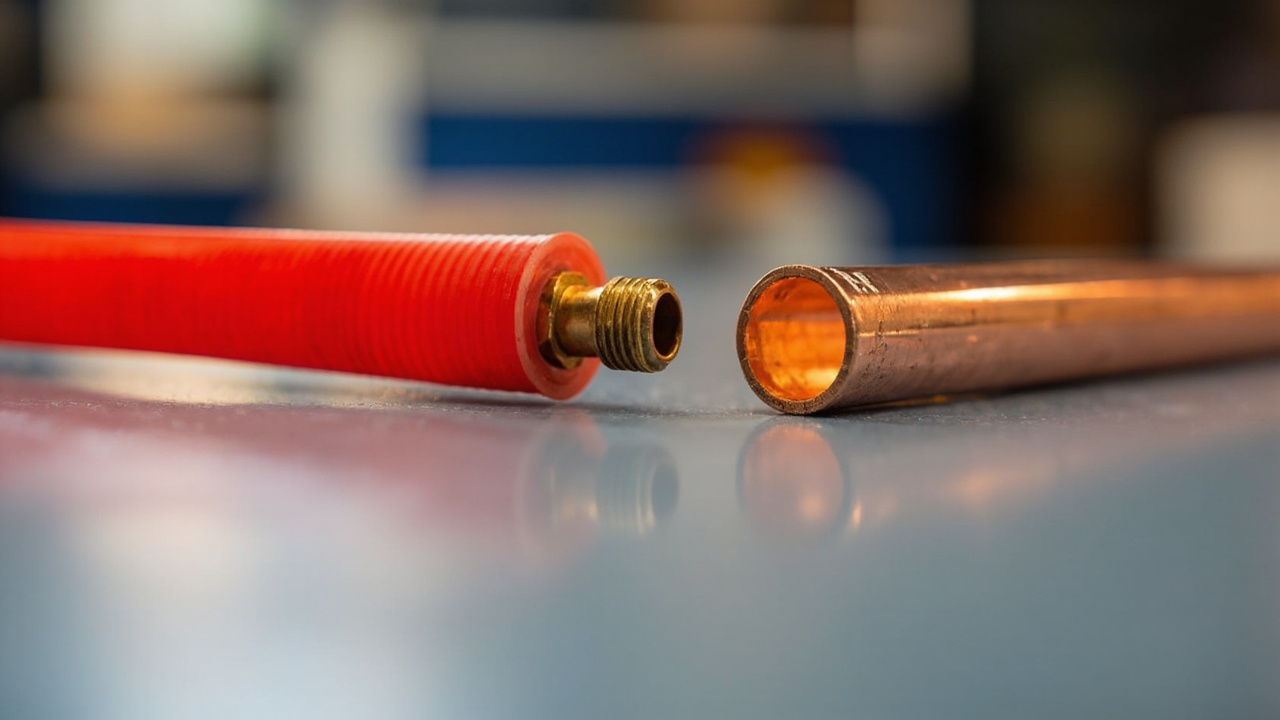
The Sewerage and Water Board treats municipal water with chloramines instead of chlorine, creating different degradation patterns in plumbing materials. Chloramine persists longer in distribution lines, increasing chemical exposure time for both copper and PEX tubing. The combination of chloramines and warm water temperatures during summer months accelerates copper corrosion in homes with low water usage. Cross-linked polyethylene requires chlorine resistance ratings specific to chloramine exposure. Wells in Slidell and areas outside the treatment district carry different risks, including high iron content that stains copper and low pH that causes premature failure. The PEX vs copper comparison demands analyzing your specific water source.
New Orleans sits on Mississippi River alluvial deposits, creating unique foundation challenges that affect plumbing longevity. The high water table means most homes use pier-and-beam or slab-on-grade construction rather than basements. Piping runs through crawl spaces where humidity promotes mold growth on organic materials but leaves copper and PEX unaffected. Seasonal ground movement from drought and flooding cycles stresses rigid connections more than flexible ones. Local plumbers understand these patterns and route systems to accommodate settling without rupturing. This regional expertise matters more than generic plumbing knowledge when comparing copper vs PEX plumbing pros and cons for your specific property.