



menu

Apartment Complex Plumbing in New Orleans | Minimize Downtime and Protect Your Property Investment

Liberty Plumbing New Orleans delivers industrial-grade apartment complex plumbing solutions that keep your multi-unit property operational, compliant with local codes, and protected from the costly failures that impact your bottom line.

Slider Image 1
Slider Image 2
Slider Image 3
Slider Image 4
Slider Image 5
Slider Image 7
Slider Image 8
Slider Image 9
Slider Image 10
Slider Image 11

Why Multi-Family Properties in New Orleans Face Unique Plumbing Challenges

New Orleans sits below sea level on shifting Mississippi River sediment. Your apartment building fights constant groundwater pressure that stresses main water lines, sewer laterals, and building foundations. The city's high water table means any underground pipe failure becomes exponential in scope and cost.

The subtropical climate creates aggressive corrosion in copper supply lines and galvanized drain systems. Buildings in the Garden District and Uptown often contain original cast iron stacks from the 1920s that corrode from the inside out. You see chronic backups in ground-floor units, slow drains across multiple floors, and slab leaks that undermine structural integrity before you detect surface symptoms.

Multi-family plumbing systems amplify individual unit problems into building-wide crises. One tenant's grease disposal habit clogs the shared vertical stack. A single failed pressure regulator sends 120 PSI through fixtures designed for 80 PSI, causing simultaneous failures across 30 units. Commercial plumbing for apartments requires different materials, different sizing calculations, and different maintenance protocols than residential single-family systems.

New Orleans Sewerage and Water Board regulations mandate backflow prevention devices on properties with eight or more units. Orleans Parish requires additional permitting for any work touching shared risers or main building drains. Your apartment complex plumbing maintenance program must account for these jurisdictional requirements while managing the operational reality that you cannot shut down water to 50 occupied units during business hours without advance coordination.

Why Multi-Family Properties in New Orleans Face Unique Plumbing Challenges
How We Approach Multi-Unit Residential Plumbing Systems

How We Approach Multi-Unit Residential Plumbing Systems

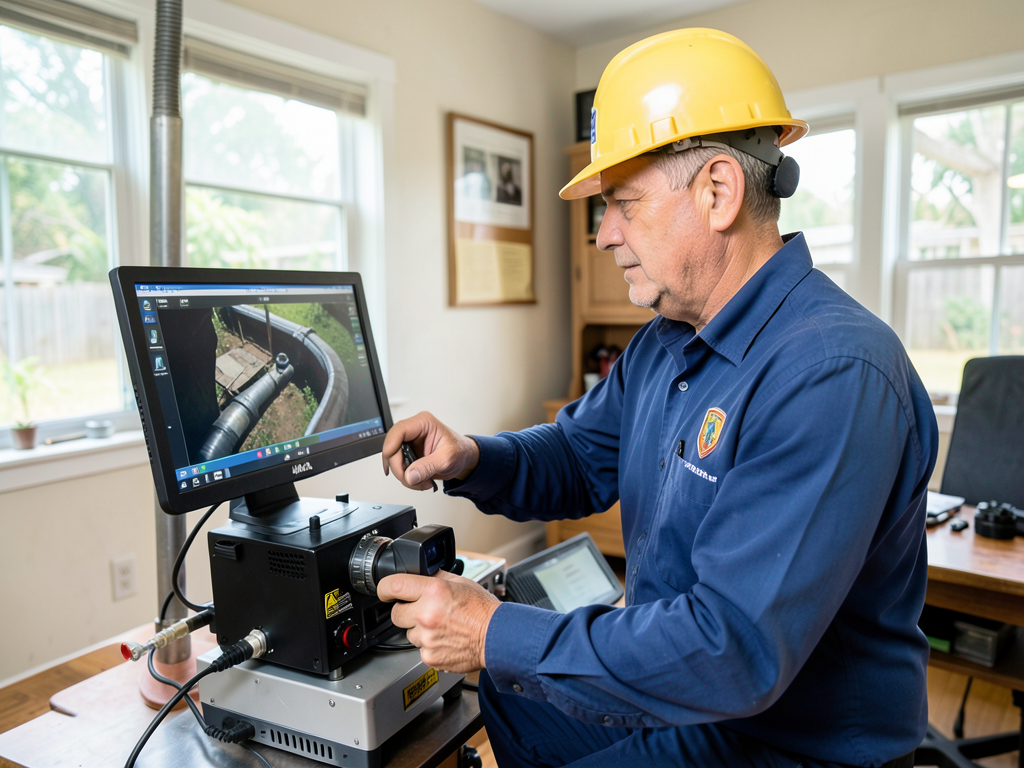
We map your entire plumbing infrastructure before touching a single pipe. Video camera inspection of your main building drain identifies offset joints, root intrusion points, and sections with corrosion that will fail within 18 months. We document every shutoff valve, every cleanout location, and every shared riser so emergency repairs do not turn into building-wide searches for isolation points.

Load calculation determines if your main water service matches actual demand. A 40-unit building built in 1985 likely has undersized supply lines for modern fixture counts and water-hungry appliances. We measure static pressure at multiple floor levels to identify if you need a booster pump system or pressure-reducing valve adjustments to balance flow across all units.

Apartment building plumbing demands staged execution. We coordinate with property management to phase work during turnover periods, isolate sections to minimize occupied unit impact, and maintain temporary water service during main line replacement. Our crews carry bypass pumping equipment to keep sewage flowing when we excavate main building drains.

Material selection accounts for New Orleans water chemistry. The city's slightly acidic water with chloramine disinfection accelerates pinhole leak formation in Type M copper. We specify Type L copper with thicker walls for supply risers, PEX for branch lines in areas where access allows future replacement, and schedule 40 PVC for drain lines that resist the aggressive soil conditions around your foundation. Every connection point uses dielectric unions to prevent galvanic corrosion between dissimilar metals.

What Happens During Your Apartment Complex Plumbing Service

Apartment Complex Plumbing in New Orleans | Minimize Downtime and Protect Your Property Investment
01

Building System Assessment

We conduct comprehensive infrastructure mapping that documents your water service entry point, main shutoff locations, riser configurations, and drain routing. Camera inspection reveals the condition inside your pipes without excavation. We test water pressure at ground floor and top floor fixtures to identify circulation problems or pressure imbalances that affect tenant satisfaction and fixture lifespan across your property.
02

Coordinated Repair Execution

We schedule work during unit turnover windows when possible and coordinate water shutoffs with property management to provide advance tenant notification. Our crews stage materials on-site the day before to eliminate trips that extend downtime. For emergency repairs, we isolate the smallest possible section of your building and deploy temporary water service or bypass pumping to keep unaffected units operational while we complete permanent repairs.
03

System Documentation and Handoff

You receive as-built documentation showing every valve location, every replaced section, and every access point for future maintenance. We photograph all work before closing walls and provide detailed material specifications for your property records. Your maintenance team gets a written protocol for the preventive maintenance schedule that extends system life and reduces emergency call frequency across your apartment complex plumbing infrastructure.

Why Property Managers Choose Liberty Plumbing New Orleans

We respond to multi-family properties with commercial-grade equipment that residential plumbers do not carry. Our trucks stock 3-inch and 4-inch drain cable, pressure testing equipment for risers, and bypass pumps for main line work. You get a crew that understands the difference between fixing one house and keeping 40 occupied units operational.

New Orleans building stock presents unique challenges. Properties in the French Quarter and Marigny neighborhoods contain plumbing installed before modern code requirements. We navigate the Vieux Carré Commission regulations when work affects historic buildings and coordinate with the city's plumbing inspection office to secure permits for commercial work that requires next-day approval to minimize your vacancy costs.

We know Orleans Parish's soil composition. The clay soils throughout Lakeview and Gentilly expand and contract with seasonal water table fluctuations. This movement cracks rigid sewer connections and sheers off pipe joints that were not installed with flexible couplings. When we replace your building sewer, we specify materials and installation methods that accommodate ground movement without failing.

Your business runs on predictable costs and reliable timelines. We provide fixed-price quotes for defined scope work and transparent time-and-materials billing when diagnosis uncovers additional problems. You receive daily progress updates during multi-day projects and written change order requests before we perform any work outside the original scope. Our project managers carry authority to make on-site decisions that keep work moving without waiting for office approval that delays your timeline.

What to Expect From Your Multi-Family Plumbing Project

Response Time and Scheduling

Emergency calls to apartment complexes receive priority dispatch because we understand that one failure affects multiple tenants and creates liability exposure. For non-emergency work, we schedule during your unit turnover windows or coordinate staged execution that maintains building operations. Large projects receive dedicated crews that work continuously until completion rather than splitting time between multiple job sites. You get realistic timelines based on actual work scope, not optimistic estimates that create false expectations about when your property returns to full operation.

Diagnostic Process and Evaluation

We use video camera inspection to see inside your drain lines and identify the exact location and extent of problems before we quote repair costs. Pressure testing on supply risers determines if leaks exist behind walls before they cause visible water damage. Our diagnostic process distinguishes between symptoms and root causes so you invest in permanent solutions rather than temporary fixes that fail again in six months. You receive written findings with photographic documentation and clear recommendations about which problems require immediate attention versus which items belong in your long-term capital planning.

Quality of Completed Work

Every installation meets or exceeds International Plumbing Code requirements and Orleans Parish amendments. We pull permits for work that legally requires them and coordinate inspections to close permits before you make final payment. Our material selections prioritize longevity over initial cost because we understand that your building will outlast any individual component. You get copper where copper belongs, PEX where flexibility matters, and PVC where chemical resistance and cost-effectiveness align. All completed work passes pressure testing before we close walls or backfill excavations.

Ongoing Maintenance Support

We provide written maintenance protocols specific to your building's plumbing configuration. Your property management team receives a preventive maintenance schedule that identifies which systems need quarterly attention, which need annual service, and which components approach end-of-life based on installation dates and observed condition. We offer service agreements for multi-family properties that include scheduled drain line cleaning, pressure regulator testing, and backflow preventer certification to keep your building compliant with city requirements. Emergency service receives priority response when you maintain a service agreement relationship.

Frequently Asked Questions

You Have Questions,
We Have Answers

How does plumbing in an apartment complex work? +

Apartment complex plumbing operates on a main supply line that branches into individual units through a network of risers and horizontal distribution lines. Each unit has shutoff valves for isolation during repairs. Wastewater drains through a vertical stack system that connects to the municipal sewer. In New Orleans, cast iron drain stacks are common in older buildings and prone to corrosion from high humidity. Commercial properties typically have backflow preventers, water meters for each building, and pressure-reducing valves to manage municipal water pressure. Maintenance access points and cleanouts are strategically placed to service multiple units without disrupting tenants.

What is the most common plumbing issue? +

Leaking fixtures are the most common plumbing issue in apartment complexes. Worn faucet washers, deteriorated toilet flappers, and leaking supply lines drive up water bills and cause tenant complaints. In New Orleans, mineral deposits from hard water accelerate fixture wear. Clogged drains rank second, often caused by tenant misuse like flushing non-flushable items or pouring grease down kitchen sinks. Hidden slab leaks in the underground supply lines are less frequent but more costly. They erode foundations and create liability issues. Regular preventive maintenance catches fixture problems before they escalate into emergency repairs or property damage.

Does apartment maintenance do plumbing? +

Apartment maintenance typically handles basic plumbing repairs like unclogging drains, replacing faucet washers, or fixing running toilets. Licensed plumbers handle complex issues such as sewer line breaks, water heater replacement, backflow preventer testing, and code compliance work. In New Orleans, Orleans Parish requires licensed plumbers for any work involving gas lines or water service connections. Smart property managers maintain relationships with commercial plumbing contractors for emergency response and planned upgrades. Maintenance staff should know when to escalate issues to professionals to avoid liability, code violations, or tenant displacement. Clear protocols minimize downtime and protect property value.

Can a plumber come to an apartment? +

Yes. Licensed plumbers can access apartment units to perform repairs, installations, or inspections. Property managers coordinate access with tenants, typically providing 24-hour written notice except in emergencies. Plumbers carry insurance and credentials to work in occupied rental properties. For commercial properties in New Orleans, plumbers must comply with local permit requirements and building codes. Emergency situations like burst pipes or sewage backups allow immediate entry to prevent property damage. Professional plumbers document all work performed, which protects property owners from liability claims. Establish clear access protocols in lease agreements to streamline repairs and maintain tenant relations while addressing critical plumbing needs.

Are renters responsible for plumbing issues? +

Renters are responsible for plumbing damage they cause through negligence or misuse. This includes clogs from flushing inappropriate items, broken fixtures from physical damage, or frozen pipes from turning off heat. Landlords handle normal wear and tear, defective fixtures, and infrastructure failures like corroded pipes or failed water heaters. Louisiana law requires landlords to maintain habitable conditions, which includes functional plumbing. In New Orleans, lease agreements should clearly define responsibility boundaries. Property owners carry liability for code violations and systemic failures. Tenants should report issues promptly. Delayed reporting that worsens damage may shift financial responsibility to the tenant.

What would make you fail an apartment inspection? +

Failed apartment inspections stem from visible leaks, non-functional fixtures, inadequate water pressure, or sewage odors. In New Orleans, inspectors flag missing backflow preventers, improper drain venting, or corroded galvanized supply lines. Cross-connections between potable water and non-potable sources fail inspections immediately. Code violations like insufficient fixture clearances, missing shutoff valves, or unauthorized plumbing modifications cause failures. Mold growth from chronic leaks raises habitability concerns. Water heaters without proper temperature and pressure relief valves or earthquake straps fail safety checks. Cracked fixtures, visible corrosion on exposed pipes, and inadequate drainage around the building perimeter also trigger inspection failures.

What is the 135 rule for plumbing? +

The 135 rule references the maximum safe water heater temperature. Water heated above 135 degrees Fahrenheit creates scalding risk in under two seconds of exposure. Commercial properties often set water heaters at 120 degrees to balance safety and legionella bacteria prevention. In apartment complexes, anti-scald devices or thermostatic mixing valves limit fixture outlet temperatures to 120 degrees while maintaining higher storage temperatures for bacteria control. Property owners face liability for scalding injuries. Louisiana Building Code requires temperature controls in multi-family buildings. Regular testing ensures compliance. Temperature settings below 120 degrees risk bacterial growth. Above 135 degrees creates unacceptable burn hazards.

What are the four biggest plumbing code violations? +

The four biggest plumbing code violations are improper venting, insufficient fixture clearances, cross-connections, and inadequate backflow prevention. Improper drain venting causes slow drainage and sewer gas infiltration. New Orleans requires specific vent configurations due to high water tables. Fixture clearance violations restrict access for maintenance and violate ADA requirements in commercial properties. Cross-connections between potable water and irrigation or fire suppression systems contaminate drinking water. Missing or untested backflow preventers allow contaminated water to reverse flow into municipal supply. These violations create liability, fail inspections, and compromise tenant safety. Commercial properties must address violations immediately to maintain occupancy permits.

How do plumbers find hidden leaks? +

Plumbers use acoustic listening devices to detect pressurized leaks in supply lines. These amplify the sound of water escaping under pressure. Infrared thermal imaging cameras identify temperature differences caused by water migration behind walls or under slabs. Moisture meters measure elevated humidity levels in building materials. For slab leaks in New Orleans, plumbers perform static pressure tests to isolate leaking zones before breaking concrete. Tracer gas or smoke testing identifies drain line leaks. Video camera inspections examine drain and sewer lines for cracks or root intrusion. Advanced leak detection minimizes demolition, reduces repair costs, and prevents unnecessary property damage.

What are red flags in an apartment lease? +

Red flags in apartment leases include vague maintenance responsibility language, clauses prohibiting plumber access for routine inspections, or agreements forcing tenants to pay for all plumbing repairs regardless of cause. Leases waiving landlord liability for property damage from plumbing failures are unenforceable in Louisiana. Beware of clauses preventing tenants from withholding rent for habitability issues like non-functional plumbing. In New Orleans, leases should clearly define emergency repair procedures and response times. Avoid properties where landlords refuse to provide documentation of recent plumbing inspections or water quality testing. Excessive move-in fees for plumbing deposits signal potential disputes.

How New Orleans Water Table and Soil Conditions Impact Apartment Complex Plumbing

The city's position below sea level creates constant hydrostatic pressure against underground pipes and building foundations. During heavy rain events, the water table rises within 18 inches of ground surface in many neighborhoods. This external pressure forces groundwater through microscopic cracks in aging terra cotta pipes and concrete pipe joints. Apartment buildings constructed before 1970 often show chronic foundation seepage and perpetual dampness in ground-floor units because their drain lines were not designed for these subsurface water conditions. Multi-family plumbing services must address both the plumbing system and the water intrusion pathways that undermine your building structure.

Orleans Parish requires licensed commercial plumbers for any work on buildings with six or more dwelling units. The city's plumbing inspection office enforces strict permitting requirements because improperly installed systems create cross-connection hazards and sewage backup risks that affect entire neighborhoods. Liberty Plumbing New Orleans maintains the commercial licensing and insurance coverage that property owners need for lease compliance and liability protection. We understand the specific inspection requirements for multi-unit residential plumbing projects and the documentation standards that the city requires before issuing certificates of occupancy for renovated units.
Plumbing Services in The New Orleans Area

Liberty Plumbing proudly serves New Orleans and surrounding areas with dependable plumbing services available 24/7. Use the map below to locate our service area and see how close we are to your home or business. Whether you need emergency repairs or scheduled maintenance, we’re nearby and ready to help. Our team is local, friendly, and always prepared to respond when you need us most. Don’t wait for a plumbing issue to get worse—get fast, professional help from Liberty Plumbing today.

Address:
Liberty Plumbing New Orleans, 201 St Charles Ave, New Orleans, LA, 70170

Additional Services We Offer

Our news updates

Latest Articles & News from The Blogs

Common Plumbing Issues for Homeowners Using Well Water in Rural St. Bernard Parish Living in rural St. Bernard Parish means…

Common Plumbing Issues for Homeowners Using Well Water in Rural St. Bernard Parish

Common Plumbing Issues for Homeowners Using Well Water in Rural St. Bernard Parish Living in rural St. Bernard Parish means…

Dealing with Standing Water in Your Yard After a Typical New Orleans Rainstorm

Dealing with Standing Water in Your Yard After a Typical New Orleans Rainstorm Living in New Orleans means dealing with…

How to Make Your New Orleans Restaurant Bathrooms ADA Compliant

How to Make Your New Orleans Restaurant Bathrooms ADA Compliant Running a restaurant in New Orleans means navigating historic buildings,…

Contact Us

Contact Liberty Plumbing New Orleans at (985) 279-3332 for apartment complex plumbing service that minimizes downtime and prevents small problems from becoming building-wide failures. We respond to emergency calls and schedule comprehensive system evaluations for capital planning.