



menu

Water Conservation Tips in New Orleans – Cut Your Water Bill While Protecting Our Aquifer

Practical water saving techniques designed for New Orleans homes that reduce water consumption without sacrificing comfort, from simple fixture upgrades to leak detection strategies that work in our high-humidity climate.

Slider Image 1
Slider Image 2
Slider Image 3
Slider Image 4
Slider Image 5
Slider Image 7
Slider Image 8
Slider Image 9
Slider Image 10
Slider Image 11

Why Water Conservation Matters More in New Orleans Than Most Cities

New Orleans sits on the Southern Hills Aquifer System, a groundwater source vulnerable to saltwater intrusion from subsidence and sea level rise. Every gallon you save protects this finite resource from contamination while cutting your Sewerage and Water Board bill, which has climbed steadily over the past decade.

Our subtropical climate creates unique challenges for water efficiency strategies. High humidity slows evaporation, making outdoor water waste less obvious until you see the bill. Old homes in the French Quarter and Uptown feature outdated galvanized pipes that develop pinhole leaks invisible behind plaster walls. These slow drips waste thousands of gallons annually while feeding mold growth in wall cavities.

The clay soil throughout Orleans Parish shrinks during dry spells and swells during heavy rain. This constant movement stresses underground water lines, creating small cracks that leak into the surrounding soil. You cannot see these failures, but your meter keeps spinning.

Ways to save water at home start with understanding where consumption happens. The average New Orleans household uses 80 to 100 gallons per person daily. Toilets account for nearly 30 percent of indoor use. Showers and faucets combine for another 35 percent. Washing machines take 15 percent. The remaining usage comes from leaks you do not know exist.

Reduce water consumption by fixing what breaks invisibly first. A running toilet wastes up to 200 gallons daily. A dripping faucet loses 3,000 gallons yearly. A leaking flapper valve costs you money every hour while depleting the aquifer.

Why Water Conservation Matters More in New Orleans Than Most Cities
Proven Water Saving Techniques That Work in Gulf Coast Homes

Proven Water Saving Techniques That Work in Gulf Coast Homes

Water efficiency strategies require matching the solution to your home's plumbing system. New Orleans houses built before 1980 typically have 3.5 to 7 gallons per flush toilets. Replacing these fixtures with WaterSense certified models that use 1.28 gallons per flush cuts toilet water consumption by 60 percent without changing your routine.

Low-flow showerheads rated at 2.0 gallons per minute deliver adequate pressure for most households while using 40 percent less water than standard 3.5 gpm models. Install pressure-compensating aerators on bathroom and kitchen faucets to maintain consistent flow while reducing volume. These devices cost under ten dollars but save thousands of gallons annually.

Check your water heater's temperature setting. Most units ship at 140 degrees, far hotter than necessary. Lowering the thermostat to 120 degrees reduces standby heat loss and cuts the time you wait for hot water, which means less waste down the drain during the warm-up period.

Inspect your toilet flappers twice yearly. The chlorine in New Orleans municipal water degrades rubber over time, causing flappers to warp and leak. Drop food coloring in the tank and wait 15 minutes. If color appears in the bowl without flushing, replace the flapper immediately.

Insulate hot water pipes in unconditioned spaces like crawlspaces under raised homes. This reduces heat loss and delivers hot water faster, eliminating the gallons you waste waiting for temperature. Use foam pipe insulation rated for your pipe diameter and secure it with UV-resistant zip ties.

Install shut-off valves on supply lines to toilets, sinks, and washing machines. These quarter-turn valves let you isolate fixtures for repairs without shutting down your entire home. They also provide emergency protection if a supply line bursts while you are away.

How We Help You Implement Water Conservation at Home

Water Conservation Tips in New Orleans – Cut Your Water Bill While Protecting Our Aquifer
01

Comprehensive Water Audit

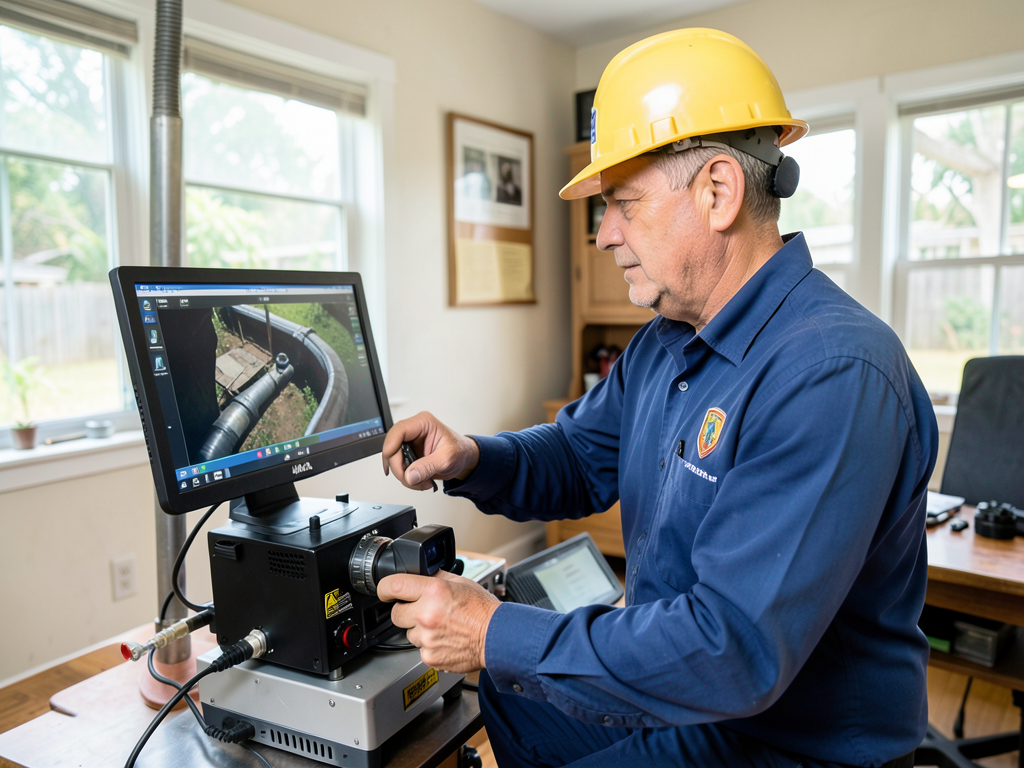
We start by measuring your baseline consumption using meter readings and fixture flow rates. Our technicians inspect every water-using appliance and fixture, testing toilets for silent leaks with dye tablets and checking faucet aerators for flow rates. We examine supply lines for corrosion, test your water pressure to identify efficiency problems, and locate hidden leaks using acoustic detection equipment that hears water escaping through pipes behind walls.
02

Prioritized Upgrade Plan

Based on audit findings, we create a ranked list of improvements that deliver the fastest payback. High-flow toilets and leaking fixtures move to the top because they waste water continuously. We calculate potential savings for each upgrade and explain how long it takes to recover your investment through lower water bills. You decide which improvements fit your budget and timeline while we handle the technical specifications and product recommendations.
03

Professional Installation and Verification

Our licensed plumbers install WaterSense certified fixtures according to manufacturer specifications and local code requirements. We verify proper operation, check for leaks at connections, and confirm flow rates meet efficiency targets. Before leaving, we document your new baseline consumption and show you how to monitor your water meter for signs of hidden leaks. You receive written instructions for maintaining your upgraded fixtures and a schedule for future inspections.

Why New Orleans Homeowners Trust Local Plumbers for Conservation Advice

Generic water conservation advice fails in New Orleans because it ignores our specific infrastructure challenges. National plumbing chains do not understand how our aging distribution system creates pressure fluctuations that affect fixture performance. They cannot explain why homes near the Jefferson Parish line experience different water quality than properties in the Lower Ninth Ward.

Liberty Plumbing New Orleans knows the Sewerage and Water Board's billing structure, including the tiered rate system that penalizes high consumption. We help you stay in lower rate tiers by identifying waste you cannot see. Our technicians recognize which neighborhoods have lead service lines that require different approaches to fixture upgrades.

We work with homes built on cypress pilings and concrete slabs, understanding how each foundation type affects plumbing access and repair costs. When you need to replace a toilet in a shotgun double with shared walls, we know how to minimize disruption to adjacent units. When your Creole cottage has cast iron drain lines from 1920, we recommend conservation strategies that work within your existing waste system.

Our relationships with local suppliers mean we stock parts that fit older New Orleans plumbing. We carry flange extenders for toilets installed over multiple layers of flooring. We have valve stems for faucets discontinued decades ago. When you choose a local plumber, you get someone who can repair what you have instead of forcing unnecessary replacements.

We understand permitting requirements for the City of New Orleans Department of Safety and Permits. Major plumbing alterations require permits and inspections. We handle the paperwork and scheduling so your conservation upgrades meet code requirements the first time. This protects your home's value and prevents problems when you sell.

What You Can Expect From a Professional Water Conservation Assessment

Fast Scheduling and On-Time Service

We schedule water audits within three business days of your call and arrive during the confirmed two-hour window. Most comprehensive assessments take 60 to 90 minutes depending on your home's size and plumbing complexity. We work around your schedule, offering evening and weekend appointments for households where everyone works during standard business hours. If we find an active leak during the audit, we can often make emergency repairs on the spot to stop immediate water waste. You receive a written report within 24 hours detailing findings and recommendations.

Detailed Fixture and System Evaluation

Our technicians test each fixture individually to establish accurate flow rates and identify efficiency problems. We measure toilet flush volume, check flapper seals, and inspect fill valves for proper shutoff. Showerheads and faucets get flow testing to determine if aerators are clogged or missing. We examine your water heater for sediment buildup that reduces efficiency and check the temperature setting. Supply lines get visual inspection for corrosion, and we use moisture meters to detect hidden leaks behind walls. You learn exactly where your water goes and which fixtures waste the most.

Measurable Results and Lower Bills

Implementing our recommendations typically reduces household water consumption by 20 to 40 percent depending on your starting point and which upgrades you choose. Families replacing pre-1990 toilets with WaterSense models see the biggest impact, often saving 15,000 gallons annually per toilet. Fixing a running toilet can cut your bill by 6,000 gallons monthly. We help you track savings by comparing meter readings before and after upgrades, showing real numbers instead of estimates. Most homeowners recover their investment in new fixtures within 18 to 36 months through lower water and sewer charges.

Ongoing Support and Maintenance Guidance

After installing water-efficient fixtures, we provide written maintenance instructions specific to your new equipment. You learn how to clean aerators, adjust fill valves, and spot early signs of problems before they become expensive failures. We recommend inspection intervals based on your water hardness and fixture types. Our service records track every upgrade, making future repairs faster because we already know your system. You can call with questions about fixture performance or unusual water bills. We offer annual re-audits to verify your conservation measures continue working and identify new opportunities to improve efficiency as technology advances.

Frequently Asked Questions

You Have Questions,
We Have Answers

What are the 10 ways to conserve water? +

Fix leaky faucets and toilets immediately. Install low-flow showerheads and faucet aerators. Run dishwashers and washing machines only with full loads. Turn off the tap while brushing teeth or scrubbing dishes. Water your lawn early morning or late evening to reduce evaporation in New Orleans humidity. Collect rainwater for outdoor plants. Shorten your shower by two minutes. Use a broom instead of a hose to clean driveways. Check your water meter regularly for hidden leaks. Upgrade to WaterSense-labeled fixtures. These steps reduce your water bill and protect our stressed local aquifers.

What are 7 ways to conserve water? +

Install water-efficient fixtures like low-flow toilets and showerheads. Fix all leaks promptly, even small drips waste gallons daily. Run full loads in dishwashers and washing machines. Turn off taps while soaping hands or brushing teeth. Water outdoor plants during cooler hours to combat New Orleans evaporation rates. Collect AC condensate or rainwater for non-potable uses. Replace older appliances with Energy Star or WaterSense models. These practical changes lower utility costs and reduce strain on the Sewerage and Water Board infrastructure, which matters in our aging municipal system.

What are 20 ways to save water? +

Fix leaks in faucets, toilets, and pipes. Install low-flow showerheads and faucet aerators. Use dishwashers and washing machines with full loads only. Turn off water while brushing teeth, shaving, or washing dishes. Take shorter showers. Water lawns early morning or evening in New Orleans heat. Collect rainwater or AC condensate. Use mulch around plants to retain soil moisture. Sweep driveways instead of hosing. Check irrigation systems for breaks. Insulate hot water pipes. Run garbage disposals less. Wash vehicles with buckets, not hoses. Upgrade to dual-flush toilets. Thaw frozen food in the fridge. Compost instead of using the disposal. Install smart irrigation controllers. Test sprinkler coverage. Use brooms for outdoor cleaning. Monitor your water meter for hidden leaks.

What are the 5 R's of water conservation? +

The 5 Rs of water conservation are Reduce, Reuse, Recycle, Retrofit, and Rethink. Reduce your water use through shorter showers and fixing leaks. Reuse greywater from washing machines or capture AC condensate for irrigation, especially useful in New Orleans humidity. Recycle water when possible through rainwater harvesting systems. Retrofit older fixtures with low-flow models to cut consumption. Rethink your water habits by choosing native, drought-tolerant plants that thrive in our subtropical climate without constant watering. This framework helps you make smarter decisions that protect local water resources and lower bills.

What are 50 ways to save water? +

Fix all household leaks. Install low-flow showerheads, faucet aerators, and dual-flush toilets. Run full loads in dishwashers and washing machines. Turn off taps while brushing, shaving, or soaping. Take five-minute showers. Water plants early morning or late evening. Collect rainwater and AC condensate. Use mulch to retain soil moisture. Sweep driveways instead of hosing. Check sprinkler systems for leaks. Insulate hot water pipes. Wash cars with buckets. Thaw food in the fridge. Use garbage disposals sparingly. Install smart irrigation controllers. Replace old appliances with WaterSense models. Monitor your water meter. Use brooms for cleaning. Choose native plants for New Orleans climate. Cover pools to prevent evaporation. Adjust sprinklers to avoid pavement. Use drip irrigation. Install rain sensors. Compost kitchen waste. Test toilet flapper valves. Aerate lawns to improve absorption. Use commercial car washes with recycle systems. Install pressure-reducing valves. Capture shower warmup water. Use pool covers. Upgrade to high-efficiency fixtures. Check outdoor spigots. Use soaker hoses. Install water-efficient landscaping. Grade soil properly for drainage. Use permeable paving. Maintain plumbing systems. Educate household members. Track water usage monthly. Repair running toilets. Use rainbarrels. Install flow restrictors. Check hose connections. Use trigger nozzles. Maintain water heaters. Inspect irrigation zones. Use drought-resistant grass. Plant shade trees. Capture dehumidifier water. Time outdoor watering properly.

What are 8 ways to conserve water? +

Fix leaky faucets and running toilets, which waste thousands of gallons yearly. Install low-flow showerheads and WaterSense-labeled fixtures. Run dishwashers and washing machines only when full. Turn off water while brushing teeth or washing dishes. Water your lawn during early morning hours to minimize evaporation in New Orleans heat and humidity. Upgrade older toilets to dual-flush models, which use significantly less water per flush. Check your water meter before and after a two-hour period when no water is being used to detect hidden leaks in your home plumbing system.

What are 4 points to save water? +

Fix all leaks immediately. Even a slow drip from a worn faucet washer wastes gallons daily and drives up your Sewerage and Water Board bill. Install water-efficient fixtures like low-flow showerheads and dual-flush toilets. Limit outdoor watering to early morning or evening when New Orleans heat causes less evaporation. Monitor your water meter regularly to catch hidden leaks in supply lines. These four actions create measurable savings on your monthly utility costs while protecting our local water infrastructure, which faces increasing demand and aging distribution systems across the greater metro area.

What are 5 methods of water conservation? +

Install low-flow fixtures and WaterSense-labeled appliances to reduce consumption per use. Fix all leaks promptly, as a running toilet can waste 200 gallons daily. Implement rainwater harvesting systems to capture free water for irrigation during dry spells. Use smart irrigation controllers that adjust for New Orleans rainfall and humidity levels. Upgrade to drought-tolerant native plants that thrive in our subtropical climate without constant watering. These methods reduce your dependence on municipal supply, lower utility bills, and ease stress on our aging water infrastructure serving neighborhoods across the metro area.

How can I save water? +

Start with the easy wins. Fix leaky faucets and running toilets. Install low-flow showerheads and faucet aerators, which cost under twenty dollars but save thousands of gallons yearly. Turn off water while brushing teeth or soaping dishes. Run dishwashers and washing machines only with full loads. Water outdoor plants during cooler morning hours to combat New Orleans evaporation. Collect AC condensate or rainwater for non-potable uses like watering plants. Check your water meter regularly to spot hidden leaks. These changes lower your monthly bill and protect our stressed municipal water system.

How to save water 🌊 💦? +

Fix leaks immediately. A dripping faucet or running toilet wastes gallons daily. Install low-flow showerheads and faucet aerators. Run dishwashers and washing machines only when full. Turn off taps while brushing teeth or washing dishes. Take shorter showers. Water your lawn early morning or evening when New Orleans heat causes less evaporation. Collect rainwater or AC condensate for outdoor plants. Use mulch around gardens to retain moisture. Sweep driveways instead of hosing them down. Upgrade to WaterSense-labeled fixtures. These steps cut your utility costs and ease demand on our municipal water infrastructure.

How New Orleans Water Quality and Infrastructure Age Affect Conservation Strategies

The Sewerage and Water Board treats surface water from the Mississippi River, creating moderately hard water with mineral content that builds up in fixtures over time. This scaling clogs aerators and reduces flow efficiency if you do not clean them quarterly. Our aging distribution system includes pipes installed in the early 1900s, contributing iron sediment that damages valve seals and fills water heater tanks. Homes in Gentilly and Lakeview often experience pressure drops during peak usage hours, requiring pressure-compensating fixtures to maintain consistent flow. These local conditions demand different conservation approaches than cities with newer infrastructure or softer water.

Liberty Plumbing New Orleans has served this community for years, working with homeowners in every neighborhood from Algiers Point to the Bywater. We understand Orleans Parish building codes and inspection requirements for plumbing modifications. Our technicians receive ongoing training on water efficiency standards and fixture certifications specific to Louisiana. We participate in local trade associations and stay current with Sewerage and Water Board rate structures and conservation incentives. When you work with a local plumber who knows your neighborhood, you get recommendations that account for your specific water pressure, quality challenges, and building characteristics.
Plumbing Services in The New Orleans Area

Liberty Plumbing proudly serves New Orleans and surrounding areas with dependable plumbing services available 24/7. Use the map below to locate our service area and see how close we are to your home or business. Whether you need emergency repairs or scheduled maintenance, we’re nearby and ready to help. Our team is local, friendly, and always prepared to respond when you need us most. Don’t wait for a plumbing issue to get worse—get fast, professional help from Liberty Plumbing today.

Address:
Liberty Plumbing New Orleans, 201 St Charles Ave, New Orleans, LA, 70170

Additional Services We Offer

Our news updates

Latest Articles & News from The Blogs

Common Plumbing Issues for Homeowners Using Well Water in Rural St. Bernard Parish Living in rural St. Bernard Parish means…

Common Plumbing Issues for Homeowners Using Well Water in Rural St. Bernard Parish

Common Plumbing Issues for Homeowners Using Well Water in Rural St. Bernard Parish Living in rural St. Bernard Parish means…

Dealing with Standing Water in Your Yard After a Typical New Orleans Rainstorm

Dealing with Standing Water in Your Yard After a Typical New Orleans Rainstorm Living in New Orleans means dealing with…

How to Make Your New Orleans Restaurant Bathrooms ADA Compliant

How to Make Your New Orleans Restaurant Bathrooms ADA Compliant Running a restaurant in New Orleans means navigating historic buildings,…

Contact Us

Call Liberty Plumbing New Orleans at (985) 279-3332 to schedule your comprehensive water conservation audit. We will identify your biggest opportunities to reduce consumption and lower your monthly bills. Our licensed plumbers provide honest assessments and practical solutions that work in New Orleans homes.