






The Sewerage and Water Board of New Orleans sources water from the Mississippi River, which carries high sediment loads and dissolved minerals from upstream agricultural and industrial areas. Treatment plants remove contaminants, but residual chlorine, calcium, and magnesium remain in municipal supply. These minerals precipitate inside water heaters as white chalky sediment, reducing tank capacity and insulating heating elements so they work harder and fail sooner. Sediment also accumulates in faucet aerators and showerheads, restricting flow and creating pressure imbalances. Homes in Uptown and Algiers with older galvanized pipes see accelerated corrosion from chlorine interaction with zinc coatings, leading to pinhole leaks and rusty water. Understanding local water chemistry is critical for plumbing services because repair strategies must account for these conditions.
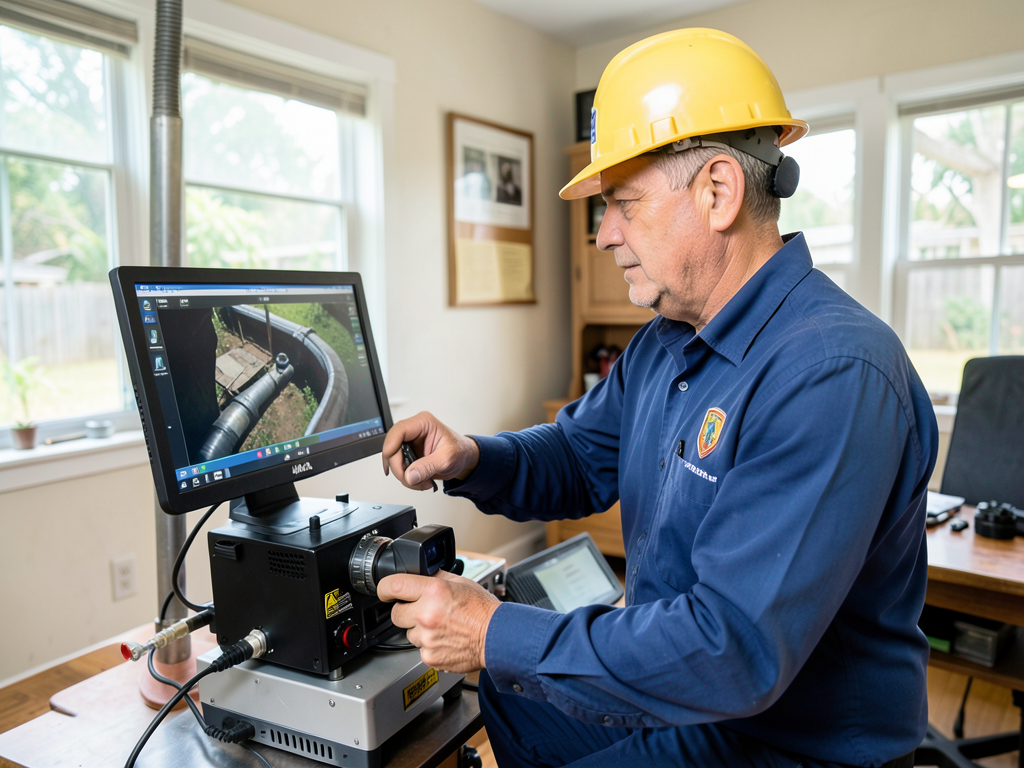
Local plumbers who serve New Orleans daily recognize patterns that out-of-area contractors miss. We know that homes near Bayou St. John and City Park experience more frequent sewer line issues due to mature tree root systems. We know that properties in Broadmoor and Hollygrove often have cast iron stacks installed in the 1950s that are now paper-thin from internal corrosion. We know that commercial kitchens in the French Quarter require grease trap maintenance every 30 days to comply with city ordinances and prevent backups into adjacent properties. This local knowledge allows us to diagnose problems faster, recommend appropriate solutions, and complete work that aligns with neighborhood-specific challenges. When you choose plumbing contractors with deep roots in the community, you benefit from decades of accumulated experience addressing conditions unique to this region.