




menu

Sediment Buildup in Pipes in New Orleans – Expert Diagnosis and Permanent Solutions

Liberty Plumbing New Orleans identifies sediment buildup in pipes quickly using camera inspection technology, then removes mineral deposits, calcium buildup, and limescale accumulation to restore full water pressure and prevent premature pipe failure.

Slider Image 1
Slider Image 2
Slider Image 3
Slider Image 4
Slider Image 5
Slider Image 7
Slider Image 8
Slider Image 9
Slider Image 10
Slider Image 11

Why New Orleans Water Systems Create Heavy Sediment and Mineral Deposits

You turn on the faucet and the water trickles out. The pressure at your shower barely rinses shampoo. Your water heater is making popping sounds. These are the signals of sediment buildup in pipes, and it happens faster in New Orleans than almost anywhere else.

The Mississippi River supplies most of the city's water. While treatment plants remove many contaminants, the water still carries dissolved minerals. High levels of calcium and magnesium create hard water throughout the metro. When this water heats up in your pipes, those minerals precipitate out and form calcium buildup in water lines. Over time, limescale accumulation in plumbing narrows the interior diameter of your pipes.

The subtropical humidity makes it worse. Water sits in pipes longer during periods of low use, giving minerals more time to bond to pipe walls. Clay soil beneath many New Orleans homes shifts with seasonal moisture changes, creating micro-movements that disturb sediment settled in horizontal pipe runs. That sediment then clumps together with mineral deposits in water pipes.

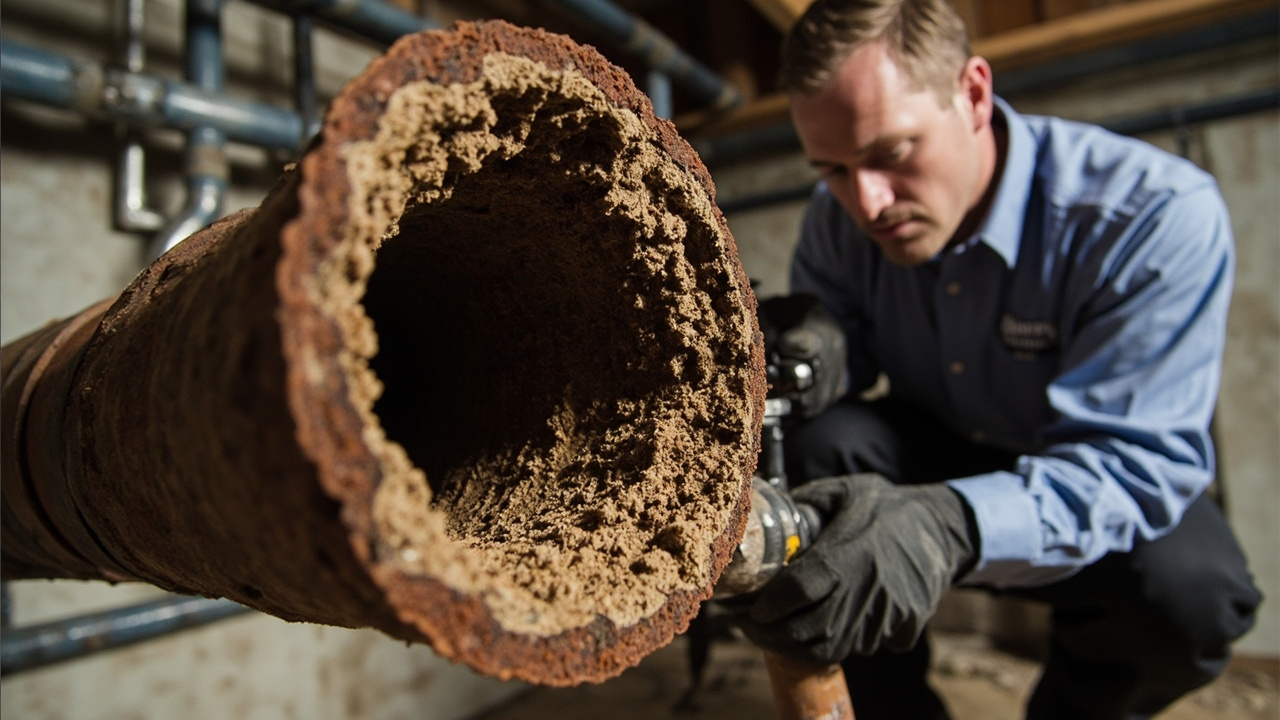
Older homes in the French Quarter, Garden District, and Uptown neighborhoods face additional challenges. Galvanized steel pipes, common in pre-1960 construction, corrode from the inside. The rough, pitted surface accelerates hard water pipe scaling. What starts as a thin mineral film becomes thick pipe calcification problems that choke water flow.

You notice the symptoms gradually. Lower pressure at fixtures. Longer wait times for hot water. Discolored water when you first turn on a tap. These signs point to sediment restricting flow or breaking loose in chunks.

Why New Orleans Water Systems Create Heavy Sediment and Mineral Deposits
How We Remove Sediment and Restore Full Flow

How We Remove Sediment and Restore Full Flow

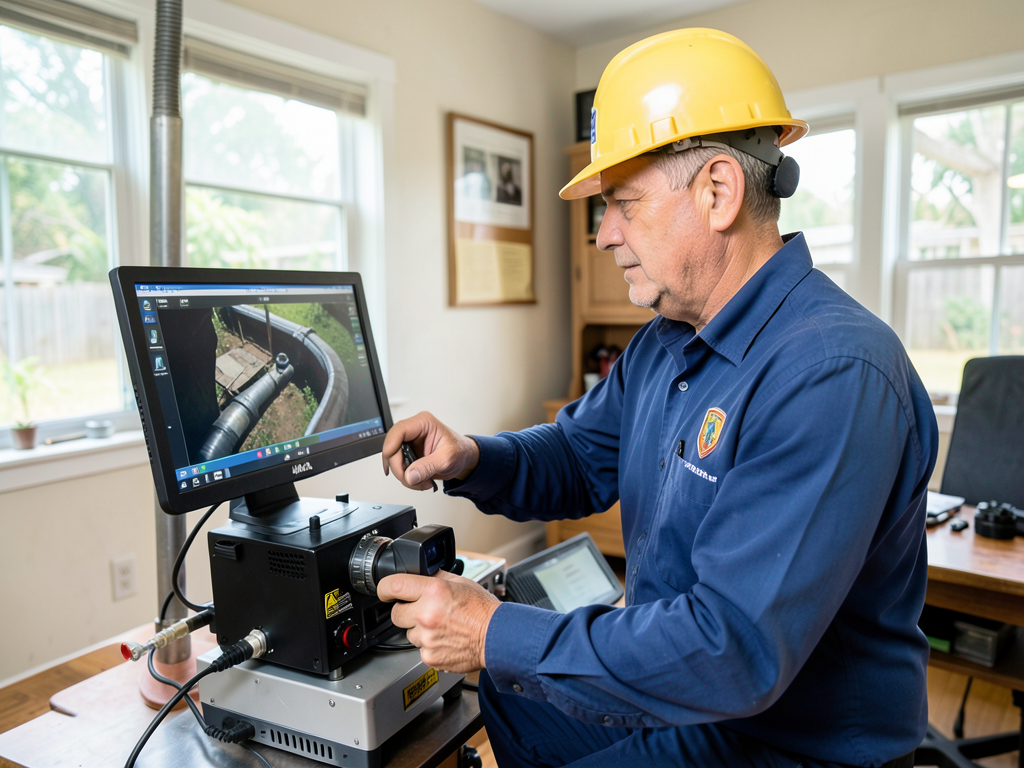
We do not guess about sediment buildup in pipes. We verify it with a sewer camera inspection. We insert a waterproof camera through a cleanout or fixture connection, then record video as we navigate through your supply lines and drain pipes. The footage shows us exactly where mineral deposits in water pipes have formed, how thick the accumulation is, and whether the pipe material itself has degraded.

For moderate limescale accumulation in plumbing, we use hydro jetting equipment. This system pumps water at 3,000 to 4,000 PSI through a specialized nozzle. The high-pressure stream scours calcium buildup in water lines without damaging the pipe itself. Forward-facing jets break up hardened deposits while rear-facing jets propel the nozzle through the pipe and flush debris toward the drain.

Severe pipe calcification problems require mechanical descaling tools. We use rotating cable systems with chain knockers or cutting heads sized to the pipe diameter. These tools physically scrape mineral layers from pipe walls. We follow up with hydro jetting to remove loosened material.

When sediment buildup in pipes occurs inside water heaters, we drain the tank completely and flush it multiple times. We remove the heating elements to access thick sediment layers that settle at the tank bottom. If calcium buildup has damaged the anode rod or heating elements, we replace those components.

For homes with chronic hard water pipe scaling, we recommend whole-house water softener installation. Ion exchange systems remove calcium and magnesium before they enter your plumbing. This prevents new mineral deposits in water pipes and protects appliances, fixtures, and pipes from future damage.

What Happens During Sediment Removal Service

Sediment Buildup in Pipes in New Orleans – Expert Diagnosis and Permanent Solutions
01

Camera Inspection

We locate accessible entry points in your plumbing system and insert a flexible camera line. The camera transmits live video showing sediment thickness, pipe condition, and exact locations of calcium buildup in water lines. We document everything so you see what we see. This diagnostic step takes 30 to 60 minutes depending on your home's plumbing layout and identifies whether hydro jetting or mechanical descaling is needed.
02

Sediment Removal

Based on camera findings, we deploy hydro jetting equipment or mechanical descaling tools. For hydro jetting, we feed the nozzle through cleanouts or removed fixtures, flushing limescale accumulation in plumbing toward the main drain. For mechanical descaling, we rotate cutting tools inside pipes to break apart hardened mineral deposits. We work methodically through affected pipe sections, verifying clearance with follow-up camera checks.
03

Flow Testing and Prevention

After sediment removal, we test water pressure at multiple fixtures to confirm restored flow. We check your water heater for remaining sediment and flush it if needed. We explain what caused the hard water pipe scaling and recommend solutions like water softeners or filtration systems to prevent recurrence. You leave with clear water pressure, functional fixtures, and a prevention plan.

Why New Orleans Homeowners Trust Liberty Plumbing for Sediment Issues

Sediment buildup in pipes damages your plumbing slowly, then suddenly. You adapt to declining pressure until a pipe ruptures or a water heater fails. By then, you face emergency repairs and water damage. We help you avoid that scenario by diagnosing sediment problems before they cause catastrophic failure.

Liberty Plumbing New Orleans understands how local water chemistry affects your pipes. We work in homes throughout the metro, from the raised structures in Lakeview to the slab foundations in Metairie. We know which pipe materials are common in different neighborhoods and how those materials interact with mineral-heavy Mississippi River water.

Our camera inspection technology removes guesswork. Many plumbers quote hydro jetting without verifying what's actually inside your pipes. We show you the footage. You see the calcium buildup in water lines, the corroded pipe sections, and the exact locations where sediment restricts flow. This documentation matters if you need to file insurance claims or plan whole-house repiping.

We match the solution to the problem. Light mineral deposits in water pipes respond to hydro jetting. Heavy limescale accumulation in plumbing requires mechanical descaling. Pipes damaged by pipe calcification problems need replacement. We explain the options, show you the cost factors for each approach, and let you decide.

Our technicians carry commercial-grade hydro jetting equipment on every truck. We do not schedule a second visit to bring the right tools. When we diagnose hard water pipe scaling during an inspection, we can often complete the removal the same day.

We also help you prevent recurrence. New Orleans water will always carry minerals, but water softeners and filtration systems protect your pipes from future buildup. We install whole-house systems sized to your water usage and hardness levels.

What You Can Expect From Start to Finish

Same-Day Diagnosis Available

We schedule camera inspections within 24 hours of your call. Most inspections take less than an hour. If we find sediment buildup in pipes and you approve the removal work, we start immediately in most cases. Hydro jetting takes two to four hours depending on how many pipe sections are affected. Mechanical descaling takes longer because we work through the pipe system methodically. We complete most residential sediment removal in a single visit. You regain full water pressure the same day we diagnose the problem.

Transparent Video Documentation

You watch the camera inspection with us. We pause the video to explain what you're seeing. Mineral deposits in water pipes appear as white or tan crusts narrowing the pipe opening. Corrosion shows as rough, pitted surfaces. Sediment looks like sand or sludge settled in low spots. We measure the thickness of calcium buildup in water lines by comparing it to the pipe's original diameter. You receive a digital copy of the inspection video. This documentation helps you understand the severity of limescale accumulation in plumbing and make informed repair decisions.

Restored Pressure and Flow

After we remove hard water pipe scaling, you notice the difference immediately. Showers run at full pressure. Faucets deliver strong flow. Your dishwasher and washing machine fill faster. Water heaters operate more efficiently because sediment no longer insulates the heating element from the water. Appliances last longer when they are not fighting against pipe calcification problems. We test pressure at multiple fixtures before we leave to confirm the work succeeded. You get the water flow your plumbing system was designed to deliver.

Prevention and Maintenance Plans

Removing sediment buildup in pipes solves the immediate problem, but New Orleans water will create new deposits over time. We recommend water softener installation for homes with chronic hard water pipe scaling. Softeners remove calcium and magnesium before minerals enter your plumbing. We also offer annual camera inspections to catch sediment accumulation early. Regular water heater flushing removes settled sediment before it hardens. We create a maintenance schedule based on your water hardness, pipe material, and usage patterns. Prevention costs less than repeated emergency descaling.

Frequently Asked Questions

You Have Questions,
We Have Answers

How much to flush pipes in a house? +

Flushing your pipes depends on the scope and method. A basic whole-house water line flush typically ranges from $200 to $600. If sediment buildup is severe, hydro-jetting may be necessary, which can run $400 to $900. In New Orleans, older homes with galvanized pipes or clay soil intrusion often require more intensive cleaning. The plumber will assess your water pressure, pipe material, and visible sediment levels before quoting. Factor in access points and the number of fixtures. Always get a written estimate before work begins.

What causes sediment buildup in pipes? +

Sediment buildup happens when minerals like calcium, magnesium, and iron separate from your water supply and accumulate inside pipes. New Orleans water, drawn from the Mississippi River, carries high mineral content that accelerates this process. Corroded galvanized pipes shed rust and debris. Clay soil around your property can infiltrate through cracks or aging joints. Water heaters also generate sediment as minerals settle at the bottom. Over time, this restricts water flow, lowers pressure, and clogs fixtures. Older homes in historic neighborhoods face this issue more frequently due to aging infrastructure.

How to remove silt from pipes? +

Removing silt from pipes requires mechanical cleaning. Plumbers use hydro-jetting, which blasts high-pressure water through the line to scour away accumulated silt and debris. For smaller lines, a cable auger or drain snake can break up blockages. In New Orleans, where clay soil intrusion is common through cracked sewer laterals, a camera inspection helps locate the source. After clearing, sealing pipe joints or replacing damaged sections prevents future silt entry. Chemical treatments are ineffective against silt. Professional cleaning ensures thorough removal without damaging your pipes.

How to remove build up in water pipes? +

Removing buildup in water pipes involves hydro-jetting or mechanical descaling. Hydro-jetting uses high-pressure water streams to strip away mineral deposits, rust, and scale from pipe interiors. For severe calcium or lime buildup, plumbers may use descaling equipment with rotating chains or cutters. In New Orleans, where hard water and aging galvanized pipes create heavy scaling, a camera inspection identifies problem areas first. Chemical descalers exist but often fail on stubborn buildup. Professional cleaning restores water pressure and extends pipe life. Repiping becomes necessary if corrosion has thinned the pipe walls.

Will insurance pay for sewer line replacement? +

Homeowners insurance rarely covers sewer line replacement. Most policies exclude maintenance issues, wear and tear, or gradual damage like sediment buildup or root intrusion. Coverage applies only if a sudden, accidental event causes the damage, like a tree falling and crushing your line. In New Orleans, where clay soil shifts and aging infrastructure are common, insurers typically deny claims. You can purchase separate sewer line insurance or an endorsement for added protection. Read your policy carefully and document the cause. If a covered peril caused the damage, file promptly with photos and inspection reports.

How much does a plumber charge to clean pipes? +

Plumbers charge $150 to $400 for basic drain cleaning, depending on the location and severity of the clog. Hydro-jetting for sediment removal costs $400 to $900 for residential lines. Whole-house pipe flushing runs $200 to $600. In New Orleans, older homes with extensive buildup or difficult access points may increase labor costs. Emergency or after-hours calls add $100 to $300. Most plumbers charge a diagnostic fee that applies toward the work. Always ask for a detailed estimate that includes equipment, labor, and disposal fees before agreeing to service.

How do plumbers descale pipes? +

Plumbers descale pipes using hydro-jetting or mechanical descaling tools. Hydro-jetting sends high-pressure water through the line to blast away mineral deposits, rust, and calcium scale. For heavy buildup, they use rotating chain cutters or picote machines that grind down scale without damaging the pipe. In New Orleans, where aging galvanized pipes and hard water create thick scaling, a camera inspection maps the buildup first. The plumber selects the appropriate nozzle or cutter based on pipe material and diameter. Descaling restores water flow and pressure without full repiping in many cases.

How much does it cost for a plumber to unblock a pipe? +

Unblocking a pipe costs $150 to $400 for basic drain cleaning with a cable auger. If hydro-jetting is needed for stubborn sediment or grease, expect $400 to $900. Main sewer line blockages cost more due to access difficulty and equipment requirements. In New Orleans, where tree roots and clay soil intrusion complicate blockages, a camera inspection adds $100 to $300 but saves money by pinpointing the exact location. Emergency calls after hours increase costs by $100 to $300. Get a written estimate that includes diagnostic fees, labor, and equipment charges.

Why do plumbers say not to use drain cleaner? +

Plumbers warn against drain cleaners because the caustic chemicals corrode pipes, especially older galvanized or brass fittings. The chemicals generate heat that can melt plastic traps or damage rubber gaskets. In New Orleans, where many homes have aging plumbing, repeated use accelerates pipe deterioration. Drain cleaners also pose health risks if mishandled and create toxic fumes when mixed with other products. They rarely clear sediment buildup or root intrusion, only soft organic clogs. Professional mechanical cleaning removes blockages safely without damaging your plumbing system or risking chemical burns.

Why pour salt down the drain every night? +

Pouring salt down your drain at night is a folk remedy with limited effectiveness. Salt can help dissolve minor grease buildup and absorb odors, but it does nothing for sediment, mineral deposits, or serious clogs. In New Orleans, where clay soil intrusion and mineral-heavy water are common, salt will not address the root causes of pipe problems. Excessive salt can corrode metal pipes over time. For persistent odors or slow drains, use baking soda and vinegar or call a plumber for a camera inspection. Address the real issue instead of masking symptoms.

How Mississippi River Water Accelerates Sediment Buildup in New Orleans Homes

The Carrollton Water Treatment Plant processes Mississippi River water for most of the metro. While treatment removes bacteria and organic matter, it does not eliminate dissolved minerals. Calcium and magnesium concentrations range from 120 to 180 parts per million, classifying New Orleans water as moderately hard to hard. When water heats above 140 degrees in your water heater or supply lines, those minerals precipitate as calcium carbonate crystals. The crystals bond to pipe walls and build up in layers. Homes in Algiers, the Lower Ninth Ward, and eastern New Orleans often show heavier sediment accumulation because water travels longer distances through the distribution system, giving minerals more time to settle in pipes.

Liberty Plumbing New Orleans works throughout Orleans, Jefferson, and St. Tammany parishes. We understand local pipe materials and construction methods. Many pre-1970 homes have galvanized steel pipes that accelerate mineral adhesion. Copper pipes resist corrosion better but still accumulate limescale in hot water lines. PEX piping in newer homes resists sediment buildup but is not immune to hard water scaling at connection points. We adjust our descaling methods based on pipe material to avoid damage. Our technicians recognize the plumbing layouts common in shotgun houses, Creole cottages, and mid-century ranch homes. We know where cleanouts are typically located and how to access pipes in crawl spaces, slab foundations, and pier-and-beam structures.
Plumbing Services in The New Orleans Area

Liberty Plumbing proudly serves New Orleans and surrounding areas with dependable plumbing services available 24/7. Use the map below to locate our service area and see how close we are to your home or business. Whether you need emergency repairs or scheduled maintenance, we’re nearby and ready to help. Our team is local, friendly, and always prepared to respond when you need us most. Don’t wait for a plumbing issue to get worse—get fast, professional help from Liberty Plumbing today.

Address:
Liberty Plumbing New Orleans, 201 St Charles Ave, New Orleans, LA, 70170

Additional Services We Offer

Our news updates

Latest Articles & News from The Blogs

Common Plumbing Issues for Homeowners Using Well Water in Rural St. Bernard Parish Living in rural St. Bernard Parish means…

Common Plumbing Issues for Homeowners Using Well Water in Rural St. Bernard Parish

Common Plumbing Issues for Homeowners Using Well Water in Rural St. Bernard Parish Living in rural St. Bernard Parish means…

Dealing with Standing Water in Your Yard After a Typical New Orleans Rainstorm

Dealing with Standing Water in Your Yard After a Typical New Orleans Rainstorm Living in New Orleans means dealing with…

How to Make Your New Orleans Restaurant Bathrooms ADA Compliant

How to Make Your New Orleans Restaurant Bathrooms ADA Compliant Running a restaurant in New Orleans means navigating historic buildings,…

Contact Us

Low water pressure is not normal. Call Liberty Plumbing New Orleans at (985) 279-3332 to schedule a camera inspection. We diagnose sediment buildup in pipes, show you the footage, and remove the deposits the same day in most cases. Do not wait until a pipe fails.