






menu

Commercial Kitchen Plumbing in New Orleans – Minimize Downtime with Industrial-Grade Solutions

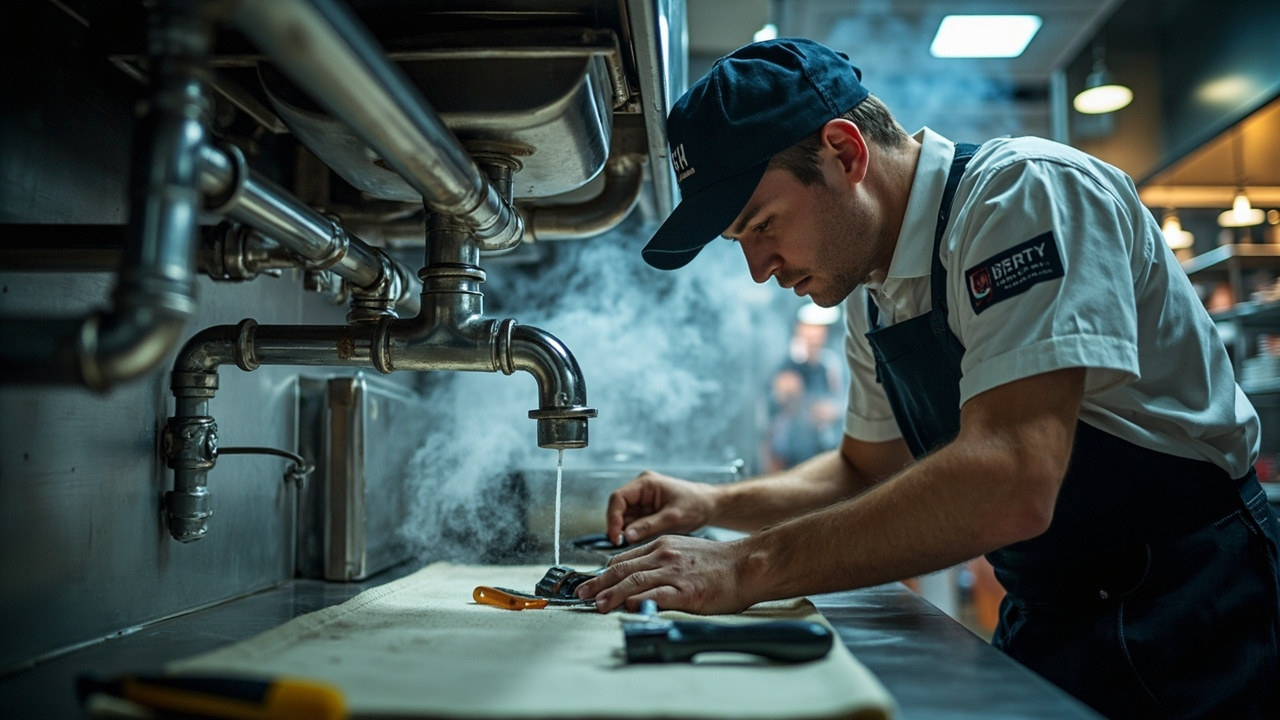
Keep your food service operation running with professional kitchen plumbing built to handle high-volume demand, grease loads, and New Orleans health code requirements.

Slider Image 1
Slider Image 2
Slider Image 3
Slider Image 4
Slider Image 5
Slider Image 7
Slider Image 8
Slider Image 9
Slider Image 10
Slider Image 11

Why Commercial Kitchen Plumbing Fails in New Orleans

Restaurant plumbing services in New Orleans face pressures most residential systems never see. High water usage, constant grease exposure, and acidic waste from food prep create buildup that chokes lines. Add New Orleans's aging cast iron infrastructure and you have a recipe for backups during peak service hours.

The city's high water table compounds the issue. French Quarter and Warehouse District properties sit barely above sea level. Grease traps and floor drains flood during heavy rain if they are not sized correctly or maintained on schedule. One clogged line can shut down an entire kitchen, costing you thousands in lost revenue per hour.

Health inspectors in Orleans Parish enforce strict codes on backflow prevention and grease interceptor maintenance. A violation can trigger immediate closure until you fix the issue. Industrial kitchen plumbing is not a place to cut corners. You need systems designed for the thermal shock of dishwashers cycling 200-degree water followed by cold rinse, the corrosive nature of sanitizing chemicals, and the sheer volume of wastewater a busy kitchen generates.

New Orleans's subtropical climate means year-round humidity. Condensation from walk-in coolers and ice machines can overwhelm floor drains if they are not properly sloped and trapped. Food service plumbing must account for these micro-climates within your kitchen. A poorly vented drain stack creates negative pressure that siphons trap water, allowing sewer gases to enter your prep areas. That is a health code failure waiting to happen.

Why Commercial Kitchen Plumbing Fails in New Orleans
How We Engineer Commercial Kitchen Plumbing Systems

How We Engineer Commercial Kitchen Plumbing Systems

We start by mapping your operation. A commercial kitchen plumber needs to understand your menu, volume, and equipment before designing the system. A bakery generates different waste than a seafood boil restaurant. We calculate fixture unit loads based on actual equipment specs, not generic estimates. This determines drain line sizing, vent stack capacity, and water supply pressure requirements.

Grease management is non-negotiable. We size interceptors based on Orleans Parish Sewerage and Water Board regulations, which require capacity calculations tied to your seating count and menu type. We install them with easy access for pumping and inspection. Many older buildings have undersized traps that violate current code. We retrofit these with compliant units that handle your actual grease load.

Backflow prevention protects the municipal water supply from contamination. We install reduced pressure zone assemblies on main water lines and atmospheric vacuum breakers on individual fixtures where required. These devices need annual testing and certification. We document everything for your health department file.

Hot water delivery matters in commercial settings. A three-compartment sink needs 110-degree water at the faucet within five seconds. We design recirculation loops or point-of-use heaters to meet code without wasting water or energy. For high-volume operations, we spec commercial-grade tankless units or large-capacity storage heaters with proper expansion tanks and tempering valves.

Professional kitchen plumbing includes redundancy. We install cleanouts at every change of direction and accessible points along main drain lines. This allows quick rodding access when you need it. We use schedule 40 PVC or cast iron depending on load and code requirements. All penetrations through fire-rated walls get proper firestopping to maintain your building's fire separation.

Our Commercial Kitchen Plumbing Installation Process

Commercial Kitchen Plumbing in New Orleans – Minimize Downtime with Industrial-Grade Solutions
01

Site Assessment and Load Calculation

We walk your kitchen during operating hours to document water usage patterns and identify bottlenecks. We measure existing line sizes, test water pressure at peak times, and inspect current grease trap capacity. We pull building permits to verify what is actually in the walls versus what outdated plans show. This data drives our system design and prevents costly surprises during installation.
02

System Design and Permitting

We create stamped plumbing plans that show every fixture, drain line, vent stack, and water supply route. These go to the City of New Orleans Department of Safety and Permits for review. We handle all code compliance questions and revision requests. Once approved, we schedule installation during your slowest hours to minimize disruption. For new construction, we coordinate with general contractors and other trades to sequence our rough-in correctly.
03

Installation and Final Inspection

We install all piping, fixtures, and equipment per approved plans. We pressure test water lines and conduct smoke tests on drain and vent systems before closing walls. We call for city inspection at each required milestone. After final approval, we provide you with as-built drawings, warranty documentation, and a maintenance schedule for grease traps and backflow devices. Your kitchen passes inspection the first time.

Why New Orleans Food Service Operators Choose Liberty Plumbing

We know New Orleans commercial plumbing. We have worked in century-old French Quarter buildings with brick foundation walls and modern Mid-City commissary kitchens with concrete slab floors. Each presents unique challenges. Historic structures require careful routing to avoid compromising structural elements. New construction demands precise coordination with mechanical and electrical trades.

We understand Orleans Parish health codes and city plumbing permits. Inspectors here enforce specific requirements on grease trap sizing, backflow prevention, and fixture spacing that differ from surrounding parishes. We design systems that pass inspection without callbacks or delays. That keeps your opening on schedule.

Our trucks stock commercial-grade parts. We carry heavy-duty basket strainers, thermostatic mixing valves, commercial faucet cartridges, and backflow assemblies sized for restaurant demand. When something fails during service, we have the parts to fix it without ordering and waiting. We get you back online fast.

We respond during your operating hours. Most restaurant plumbing services want to work nine to five. We schedule service calls early morning before your prep crew arrives or late night after close. We do not disrupt your revenue-generating hours unless it is an emergency. When you do have an emergency, we arrive within two hours with the tools and expertise to stop the problem.

Liberty Plumbing New Orleans has relationships with equipment vendors, health inspectors, and city permit staff. We know who to call when you need expedited plan review or emergency after-hours inspection. This network saves you time and stress when opening a new location or recovering from a major failure.

What to Expect from Commercial Kitchen Plumbing Service

Response Time and Scheduling Flexibility

We schedule non-emergency work around your business hours. Most installations happen overnight or during your closed days. For emergency calls, we guarantee arrival within two hours during business hours and within four hours overnight. We understand that a backed-up floor drain or failed water heater stops revenue immediately. Our dispatch prioritizes commercial kitchen calls because we know every hour of downtime costs you money. We keep you updated on arrival time and bring the right tools and parts the first trip.

Thorough System Evaluation

Before we quote any work, we inspect your entire plumbing system. We camera your main drain lines to identify grease buildup, root intrusion, or structural defects. We test water pressure at each fixture under load to find undersized supply lines. We check vent terminations on the roof for proper height and clearance. We document everything with photos and video. You get a written report that explains what needs immediate attention, what to monitor, and what to budget for future replacement. This prevents surprise failures during your busiest seasons.

Code-Compliant, Lasting Results

Every installation meets or exceeds New Orleans building codes and Orleans Parish health requirements. We use commercial-grade materials rated for the temperatures, pressures, and chemical exposure your kitchen generates. We install cleanouts, access panels, and shutoff valves in logical locations for future service. We label everything clearly. We test all work before we leave and call for city inspection where required. You get documentation for your health department file and your insurance carrier. The work passes inspection the first time, and it lasts.

Preventive Maintenance Programs

We offer scheduled maintenance contracts that keep your kitchen compliant and operating. We clean and inspect grease traps on your required schedule and provide documentation for health inspections. We test backflow assemblies annually and submit certification to the Sewerage and Water Board. We camera your drain lines quarterly to catch buildup before it causes backups. We inspect water heaters, mixing valves, and pressure regulators to prevent failures during service. These contracts reduce emergency calls, extend equipment life, and keep you in compliance. You budget a fixed monthly cost instead of dealing with surprise repair bills.

Frequently Asked Questions

You Have Questions,
We Have Answers

Are floor drains required in commercial kitchens? +

Yes. Louisiana Plumbing Code and local Orleans Parish ordinances require floor drains in commercial kitchens to manage wastewater and prevent standing water. These drains must connect to the sanitary sewer system and include proper trap primers to maintain water seals in high humidity. New Orleans health inspectors routinely verify compliant floor drains during permitting and inspections. Floor drains protect against grease buildup, reduce slip hazards, and provide emergency drainage for equipment malfunctions or leaks. Proper sizing and placement prevent code violations that delay your opening or renewal permits.

What plumbing is needed for a kitchen? +

Commercial kitchens require extensive plumbing infrastructure beyond residential setups. You need hot and cold water supply lines to sinks, dishwashers, ice machines, and prep stations. Drainage systems must handle high-volume waste through grease traps, floor drains, and separate sewer connections. Gas lines supply cooking equipment. Backflow preventers protect potable water. In New Orleans, plumbing must withstand subsidence and high water tables common in delta soils. Every connection point requires proper venting to prevent drainage issues and meet Orleans Parish health department standards. Equipment spacing impacts rough-in placement and code compliance.

What is considered commercial plumbing? +

Commercial plumbing serves business operations in restaurants, hospitals, offices, and industrial facilities. It involves larger pipe diameters, higher fixture counts, and specialized systems like grease interceptors, eyewash stations, and pressure-boosting pumps. Commercial work requires understanding health codes, ADA compliance, and building occupancy classifications. In New Orleans, commercial plumbers handle unique challenges like managing storm drainage separate from sanitary lines and addressing ground movement from clay soil and high water tables. The work demands specialized licensing, insurance thresholds, and coordination with mechanical and fire protection contractors during construction.

Can a toilet and kitchen sink share the same drain? +

No. Building codes strictly prohibit cross-connections between toilet drainage and kitchen plumbing. Toilets discharge to separate sanitary waste lines to prevent contamination of food preparation areas. Health departments enforce this separation rigorously during inspections. In commercial kitchens, even sharing vent stacks between restroom and kitchen fixtures requires careful engineering to prevent cross-contamination and odor transfer. New Orleans health inspectors will red-tag any violation of this separation. Your kitchen drains must maintain independent waste lines until they converge downstream at properly designed connection points in the building's main drainage system.

What is the 3x4 kitchen rule? +

The 3x4 rule is not a plumbing code reference. You may be thinking of the kitchen work triangle concept from design, which does not apply to commercial plumbing specifications. Commercial kitchen plumbing follows International Plumbing Code and Louisiana state amendments governing fixture spacing, trap sizing, vent distances, and drainage slopes. In New Orleans, plumbers focus on proper grease trap sizing based on fixture unit loads, adequate venting to handle high humidity, and floor drain placement that meets Orleans Parish health code requirements. Your plumber should reference actual code sections during design, not shorthand rules.

Does every outlet in a commercial kitchen need to be GFCI? +

Yes. National Electrical Code requires GFCI protection for all 125-volt, single-phase, 15 and 20-amp receptacles serving countertop surfaces in commercial kitchens. This includes outlets within six feet of sinks or wet locations. New Orleans adopts NEC standards through state amendments. While this is an electrical question, commercial kitchen plumbers coordinate closely with electricians because water supply locations determine outlet placement. GFCI protection prevents electrocution in wet environments common to food service. Inspectors verify proper GFCI installation during final walkthroughs before issuing occupancy permits for Orleans Parish establishments.

What is the code for kitchen sink drain pipe? +

Kitchen sink drain pipes must be minimum 1.5-inch diameter under International Plumbing Code, adopted by Louisiana. Commercial sinks typically require 2-inch drains due to higher flow volumes. Drain lines must maintain a quarter-inch per foot slope for proper drainage. In New Orleans, clay soil movement and building settlement can alter drain slopes over time, causing slow drainage or backups. Traps must be same size as drain pipe. Venting requirements depend on fixture unit loads and distance to the main stack. Your plumber sizes drains based on peak discharge rates and fixture counts to prevent bottlenecks during rush periods.

How much does plumbing cost for a kitchen? +

Commercial kitchen plumbing costs vary based on space size, equipment count, and existing infrastructure conditions. Rough-in work during new construction costs less than retrofitting occupied buildings. Grease trap installation, gas line runs, and multiple prep stations increase expense. In New Orleans, older buildings in the French Quarter or Warehouse District often require updated supply lines and creative routing around structural constraints. Costs increase if you need water pressure boosting systems or backflow prevention devices. Request detailed quotes covering permits, inspections, and code compliance work specific to Orleans Parish requirements before construction begins.

Does a kitchen need a floor drain? +

Yes, in commercial settings. Louisiana health codes require floor drains in commercial kitchens to manage wastewater, cleaning runoff, and equipment leaks. Floor drains prevent standing water that creates slip hazards and sanitation violations. In New Orleans, proper drainage is critical due to high humidity and frequent heavy rainfall that can infiltrate buildings. Floor drains must include trap primers to maintain water seals year-round. They require proper sizing to handle peak discharge during cleaning operations. Health inspectors verify compliant floor drains before issuing operating permits. Residential kitchens do not require floor drains unless local amendments specify otherwise.

Can a plumber make $100,000 a year? +

Yes. Licensed commercial plumbers in New Orleans regularly earn six figures through combination of competitive hourly rates, overtime on large construction projects, and emergency service premiums. Commercial work demands specialized expertise in complex systems, code compliance, and project management that commands higher compensation than residential service. Plumbers serving the hospitality and restaurant industries in the French Quarter, CBD, and growing neighborhoods see strong demand. Income potential increases with master plumber licensure, business ownership, and specialization in high-value sectors like healthcare facilities or industrial plants. Skilled tradespeople remain in short supply across Louisiana.

How New Orleans's Water Table and Aging Infrastructure Affect Commercial Kitchens

New Orleans sits in a bowl. The water table averages two feet below surface in many areas. When heavy rain overwhelms the pumping system, groundwater infiltrates aging clay tile sewer laterals common in older neighborhoods. This backs up into floor drains and grease traps. Commercial kitchen plumbing in the French Quarter, Marigny, and Uptown requires backwater valves and properly maintained grease interceptors to prevent contaminated water from flooding prep areas during storms. The city's cast iron main lines are over 100 years old in some districts. These corroded pipes reduce flow capacity and create unexpected pressure drops during peak usage times.

Orleans Parish health inspectors enforce Louisiana Plumbing Code provisions specific to food service. This includes requirements for indirect waste connections on refrigeration equipment, air gaps on ice machines, and specific vent sizing for high-temperature dishwashers. Local plumbers understand these nuances. We attend city code update seminars and maintain relationships with plan reviewers who can clarify gray areas. When you hire professional kitchen plumbing expertise from New Orleans, you get someone who speaks the same language as your inspector. That difference keeps you open and operating instead of scrambling to fix violations after a failed inspection.

Plumbing Services in The New Orleans Area

Liberty Plumbing proudly serves New Orleans and surrounding areas with dependable plumbing services available 24/7. Use the map below to locate our service area and see how close we are to your home or business. Whether you need emergency repairs or scheduled maintenance, we’re nearby and ready to help. Our team is local, friendly, and always prepared to respond when you need us most. Don’t wait for a plumbing issue to get worse—get fast, professional help from Liberty Plumbing today.

Address:
Liberty Plumbing New Orleans, 201 St Charles Ave, New Orleans, LA, 70170

Additional Services We Offer

Our news updates

Latest Articles & News from The Blogs

Common Plumbing Issues for Homeowners Using Well Water in Rural St. Bernard Parish Living in rural St. Bernard Parish means…

Common Plumbing Issues for Homeowners Using Well Water in Rural St. Bernard Parish

Common Plumbing Issues for Homeowners Using Well Water in Rural St. Bernard Parish Living in rural St. Bernard Parish means…

Dealing with Standing Water in Your Yard After a Typical New Orleans Rainstorm

Dealing with Standing Water in Your Yard After a Typical New Orleans Rainstorm Living in New Orleans means dealing with…

How to Make Your New Orleans Restaurant Bathrooms ADA Compliant

How to Make Your New Orleans Restaurant Bathrooms ADA Compliant Running a restaurant in New Orleans means navigating historic buildings,…

Contact Us

Call Liberty Plumbing New Orleans at (985) 279-3332 for commercial kitchen plumbing that keeps you compliant and operational. We respond fast, work around your schedule, and get it right the first time.