




menu

Whole Home Repiping in New Orleans | Complete Residential Plumbing Replacement

From Galvanized to PEX: Full House Repiping That Solves Low Pressure, Rusty Water, and Hidden Leaks in One Permanent Fix

Slider Image 1
Slider Image 2
Slider Image 3
Slider Image 4
Slider Image 5
Slider Image 7
Slider Image 8
Slider Image 9
Slider Image 10
Slider Image 11

Why New Orleans Homes Need Whole House Repiping

You turn on the faucet and the water runs brown. The shower pressure barely cuts through soap. A pinhole leak appears in your kitchen ceiling, then another in the bathroom wall. These are not isolated problems. They are symptoms of corroded pipe systems, and they are common in New Orleans.

The city's soil contains high levels of moisture and sulfates. Underground clay shifts with the water table. These factors corrode galvanized steel pipes from the outside in. Inside the pipes, chlorine and minerals in the municipal water supply eat through metal from the inside. Galvanized pipes installed in homes built between 1950 and 1980 are failing now, all at once.

You can patch one leak, then another. But when corrosion spreads through the entire system, you are fighting a losing battle. A whole house repipe replaces every supply line in your home with new piping. This eliminates low pressure, discolored water, and the constant threat of water damage. You are not fixing a pipe. You are replacing a broken system.

Full home repiping is the permanent solution for homes in Uptown, Lakeview, Gentilly, and Mid-City where original plumbing has reached the end of its useful life. If your home was built before 1990 and still has galvanized or outdated copper lines, house repiping is not a question of if, but when.

Why New Orleans Homes Need Whole House Repiping
How We Execute a Complete House Repiping Project

How We Execute a Complete House Repiping Project

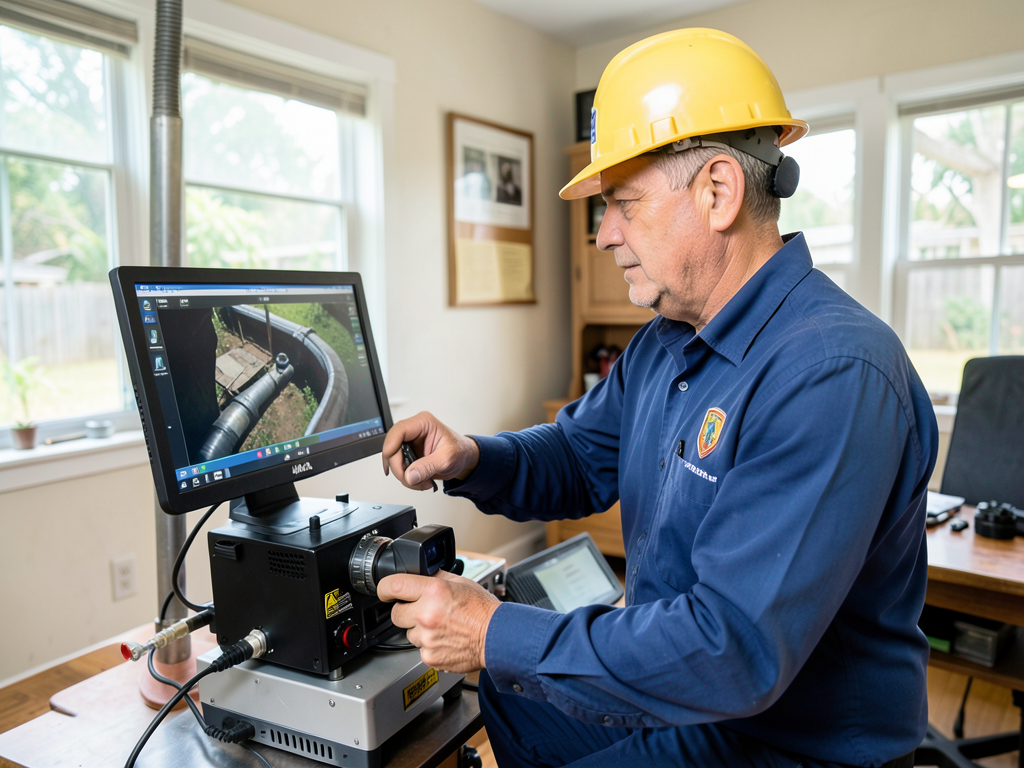
Replumbing a house is not a patchwork job. It requires full access to every water supply line in your home. Liberty Plumbing New Orleans begins with a complete plumbing inspection using pressure testing and leak detection equipment. We map your existing system and identify every line that carries water to fixtures, appliances, and hose bibs.

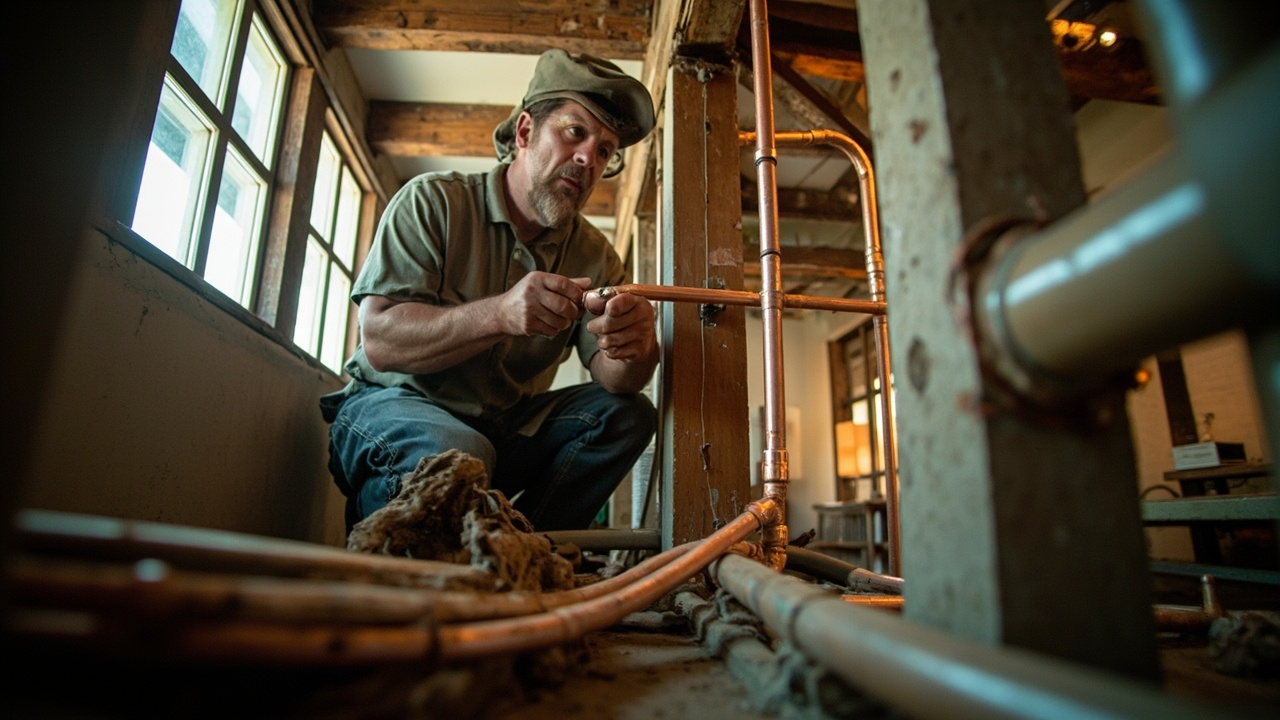
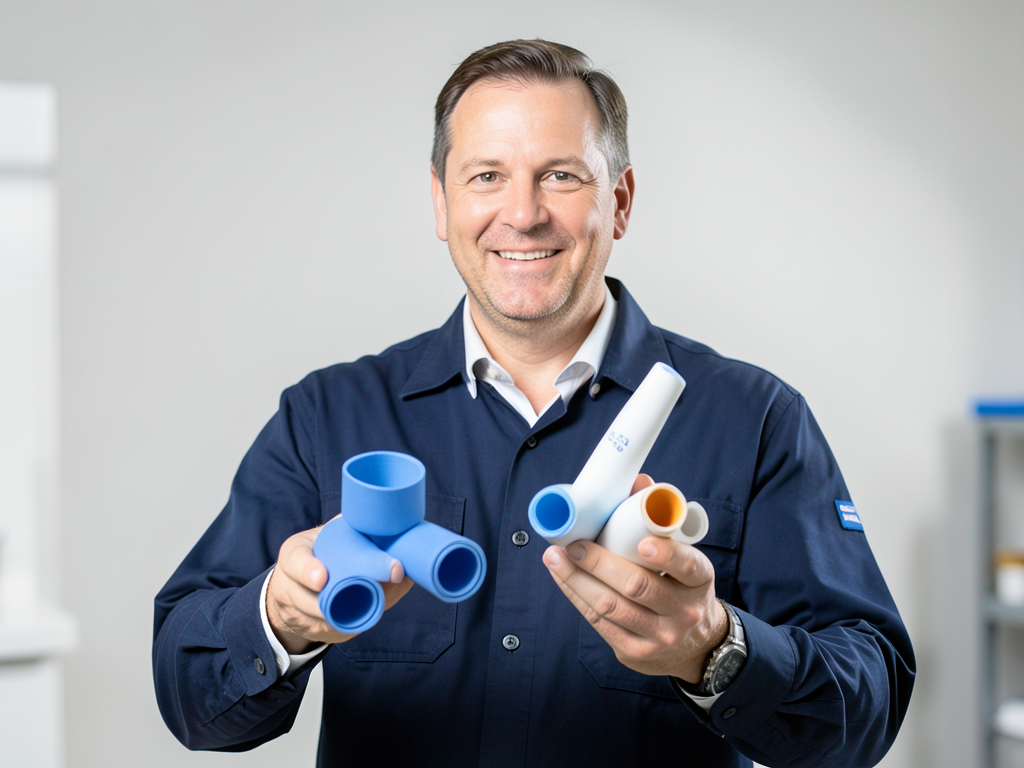
We replace outdated galvanized or corroded copper with cross-linked polyethylene, known as PEX. PEX is flexible, corrosion-resistant, and rated for decades of service. It does not degrade from chlorine or sulfates. It expands slightly under freezing conditions, which prevents burst pipes during rare cold snaps. It also installs faster than rigid copper, which reduces labor time and wall access.

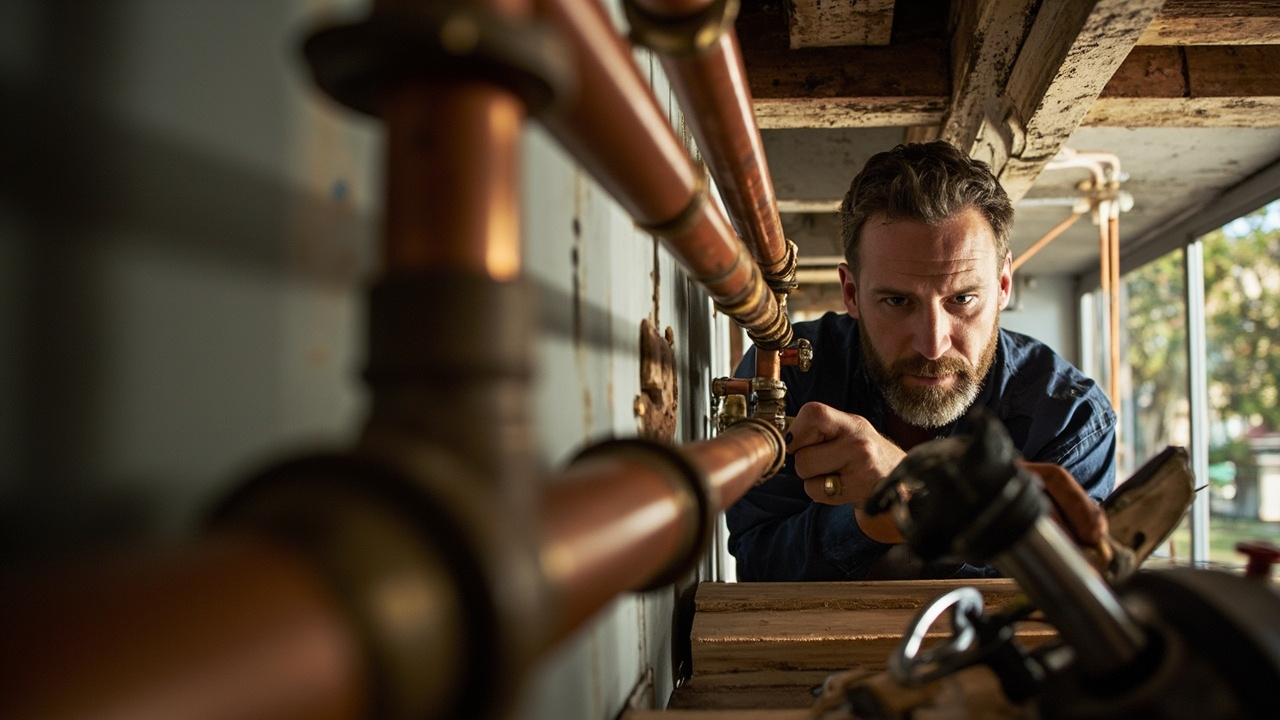
We run new supply lines through existing wall cavities, attic spaces, and crawlspaces. Where wall access is required, we cut small access panels to minimize drywall damage. We replace every shut-off valve, every water line to sinks, toilets, showers, washing machines, water heaters, and refrigerator ice makers. We pressure test the entire system before closing walls. You get a complete house repiping with minimal disruption and maximum durability.

This is not a band-aid. This is a full system replacement that eliminates corrosion, restores pressure, and stops leaks before they start. You turn on the water and it works the way it should, every time.

What Happens During a Whole House Repipe

Whole Home Repiping in New Orleans | Complete Residential Plumbing Replacement
01

System Inspection and Design

We inspect your existing plumbing system and test water pressure at multiple fixtures. We identify the main water line entry point, measure distances to all fixtures, and design a new supply line layout. This includes mapping every hot and cold water line, shut-off valve location, and appliance connection. You receive a detailed project scope before any work begins, so you know exactly what will be replaced.
02

Full Pipe Replacement

We shut off your main water supply and drain the existing system. We remove old galvanized or copper lines and install new PEX supply lines through walls, ceilings, and floors. We replace every shut-off valve, fixture connection, and appliance line. We maintain access to one bathroom and kitchen sink during the project, so you are not without water. The work typically takes two to four days depending on home size and complexity.
03

Testing and System Restoration

We pressure test the new system at 100 psi to verify there are no leaks. We check every connection point, fixture, and valve. We restore water service and test flow rates at sinks, showers, and appliances. We repair any drywall access points and ensure your home is left clean. You get clear water, consistent pressure, and a plumbing system that will perform reliably for decades without corrosion or hidden leaks.

Why New Orleans Homeowners Trust Liberty Plumbing for Whole House Repiping

Replumbing a house requires knowledge of local building codes, water supply characteristics, and home construction methods common to New Orleans. Homes in Broadmoor, Gentilly, and Lakeview were rebuilt or renovated after Hurricane Katrina, but many still carry original plumbing from the 1950s and 1960s. Liberty Plumbing New Orleans works in these neighborhoods every day. We know the difference between pier-and-beam foundations that allow crawlspace access and slab construction that requires attic routing.

We are familiar with the Orleans Parish permit process and inspection requirements. We pull permits when required and schedule inspections to keep projects on track. We understand how the city's water supply, managed by the Sewerage and Water Board, affects pipe longevity. The chlorine levels and mineral content in New Orleans water accelerate corrosion in galvanized steel. We account for this when selecting materials and designing your new system.

We also understand the urgency. A corroded pipe system does not give you much warning before a catastrophic failure. When a main supply line ruptures inside a wall, you can lose hundreds of gallons of water in minutes. Water damage in New Orleans leads to mold growth within 48 hours due to high humidity. We respond quickly, work efficiently, and complete full home repiping projects in days, not weeks.

You are not hiring a crew that learned plumbing in a different climate. You are hiring a team that works in New Orleans every day and understands what your home needs.

What You Can Expect From Our Whole House Repipe Service

Project Timeline and Scheduling

Most residential whole house repipe projects take two to four days depending on home size, number of fixtures, and pipe routing complexity. We schedule the work to minimize disruption. You will have limited water access during installation, but we maintain service to at least one bathroom and kitchen sink whenever possible. We arrive on time, work full days, and clean up thoroughly each evening. If delays occur due to unforeseen conditions, we communicate immediately and adjust the schedule to complete the project as quickly as possible.

Initial Assessment and Planning

We start with a thorough inspection of your current plumbing system. We test water pressure at multiple fixtures, inspect visible pipe sections for corrosion, and evaluate your water heater and shut-off valves. We discuss your concerns, including low pressure, discolored water, or recent leaks. We explain what needs to be replaced and why. You receive a written estimate that includes materials, labor, permit costs, and project timeline. We answer your questions and make sure you understand the scope before any work begins.

Quality of Installation

We install PEX piping using crimp or expansion fittings rated for permanent residential use. Every connection is tested. Every shut-off valve is new. Every fixture line is secured and routed to prevent stress or sagging. We pressure test the entire system before closing walls. You get consistent water pressure at every fixture, clear water with no discoloration, and a system that will not corrode or develop pinhole leaks. The work is done right the first time, with no shortcuts or compromises.

Post-Installation Support

After the installation is complete, we walk you through the new system. We show you where shut-off valves are located and explain how to maintain your new plumbing. If you experience any issues with the installation, we return to address them immediately. We stand behind our work. Whole house pipe replacement is a significant investment, and you deserve a system that performs reliably for years. We are available for follow-up questions and future plumbing needs as your home ages.

Frequently Asked Questions

You Have Questions,
We Have Answers

How much does it cost to repipe a whole house? +

Whole home repiping costs vary based on home size, pipe material, and access difficulty. In New Orleans, factors like slab foundations, high water tables, and older construction styles affect pricing. A typical single-family home ranges from several thousand to over ten thousand dollars. Homes in historic districts may require additional permits or specialized work. Copper piping costs more than PEX but lasts longer in high-humidity environments. The scope includes removing old galvanized or corroded pipes and installing new supply lines throughout your home. Request a detailed estimate that accounts for wall repair, permits, and cleanup.

How much does plumbing cost for a 2000 sq ft house? +

Plumbing costs for a 2000 square foot house depend on the project scope. Full repiping typically involves 8 to 12 fixtures and extensive water line replacement. In New Orleans, clay soil movement and foundation settling can complicate access points, increasing labor time. Older homes near the French Quarter or Uptown often have galvanized pipes that corrode faster due to humidity and groundwater conditions. A complete repipe includes supply lines, shut-off valves, and pressure testing. Partial updates cost less but may leave vulnerable sections. Always get an itemized quote covering materials, labor, permits, and drywall patching.

Is it worth it to repipe your house? +

Repiping your house is worth it if you face frequent leaks, low water pressure, or discolored water. In New Orleans, homes built before 1970 often have galvanized pipes that corrode from high humidity and acidic groundwater. Repiping prevents catastrophic failures that cause flood damage, mold growth, and insurance claims. It also increases property value and buyer confidence. Modern PEX or copper systems last 50-plus years with minimal maintenance. If you plan to stay in your home long-term or sell soon, repiping protects your investment and eliminates the stress of emergency repairs during heavy rain seasons.

How much for a full replumb? +

A full replumb encompasses all water supply lines, from the main shutoff to every fixture. Costs depend on home size, pipe material choice, and structural access. New Orleans homes with pier-and-beam foundations allow easier crawl space access compared to slab homes, which require more invasive work. Replumbing includes removing corroded galvanized or polybutylene pipes, installing new copper or PEX lines, adding shut-off valves, and pressure testing the system. Expect drywall repairs and paint touch-ups afterward. Older neighborhoods like Mid-City or Gentilly often need full replumbs due to aging infrastructure and soil-related pipe stress.

Does repiping lower insurance? +

Repiping can lower homeowners insurance premiums or prevent policy cancellations. Insurers view older galvanized or polybutylene pipes as high-risk for water damage claims. In New Orleans, where flood and humidity issues already elevate risk, outdated plumbing compounds the problem. After repiping, you provide documentation of the upgrade to your insurer. Some carriers offer discounts for modern PEX or copper systems that reduce leak probability. Repiping also prevents denied claims due to neglected maintenance. Contact your insurance agent before starting work to confirm eligibility for rate reductions and understand documentation requirements for approval.

Do old houses need new plumbing? +

Old houses often need new plumbing, especially in New Orleans where high humidity, groundwater acidity, and soil movement accelerate pipe corrosion. Homes built before 1980 typically have galvanized steel pipes that rust from the inside out, causing low pressure and brown water. Polybutylene pipes, common in 1980s construction, fail unexpectedly. If your home shows frequent leaks, discolored water, or reduced flow, repiping prevents larger failures. Historic properties in areas like the Garden District require careful planning to preserve architectural details while upgrading plumbing to modern standards that handle current water demands safely.

What are common hidden plumbing costs? +

Hidden plumbing costs include drywall and ceiling repairs after accessing pipes, permit fees, and unexpected discoveries like hidden leaks or structural rot. In New Orleans, high moisture levels often hide mold or termite damage behind walls, revealed only during demolition. Homes on pier-and-beam foundations may need crawl space remediation if standing water exists. Outdated fixtures may require replacement if they do not fit new pipe sizes. Asbestos or lead pipe removal adds disposal fees. Always budget 10 to 20 percent extra for unforeseen issues. Reputable contractors provide transparent estimates and communicate surprises before proceeding.

How often should plumbing be replaced in a house? +

Plumbing lifespan depends on pipe material and local conditions. Copper pipes last 50-plus years but corrode faster in New Orleans due to acidic groundwater and humidity. Galvanized steel pipes degrade within 40 to 50 years, often sooner in high-moisture areas. PEX piping lasts 40 to 50 years with fewer corrosion issues. If your home is over 40 years old and still has original plumbing, schedule an inspection. Watch for low pressure, discolored water, or visible corrosion. Proactive replacement prevents emergency failures during storms when plumbers are overwhelmed and water damage spreads quickly.

What is the most expensive part of building a house? +

The most expensive parts of building a house are the foundation, framing, and mechanical systems including plumbing, electrical, and HVAC. In New Orleans, foundation work costs more due to high water tables, expansive clay soil, and the need for elevated pier-and-beam or slab-on-grade designs to combat settling. Plumbing represents a significant portion because it involves extensive labor, materials, and coordination with other trades. Copper piping and code-compliant installations add costs. While you cannot control material prices, hiring experienced plumbers who understand local soil and moisture challenges prevents costly rework and long-term failures.

What is the 30% rule for renovations? +

The 30 percent rule suggests renovation budgets should not exceed 30 percent of your home's current value to ensure positive return on investment. In New Orleans, where historic homes dominate neighborhoods like the Bywater and Marigny, over-improving beyond comparable sales wastes money. Whole home repiping fits within smart renovation planning because it addresses critical infrastructure that protects your investment. Buyers pay more for updated plumbing that eliminates future headaches. Focus renovation dollars on foundational systems like plumbing, electrical, and roofing before cosmetic upgrades. Balance cost with long-term value and livability, especially in flood-prone areas where resilience matters.

How New Orleans Water Quality and Soil Conditions Accelerate Pipe Corrosion

New Orleans water is treated with chlorine and chloramine to meet EPA standards. These disinfectants are necessary for public health, but they corrode galvanized steel and older copper pipes from the inside. The city's water also carries dissolved minerals, including calcium and magnesium, which create scale buildup. Outside the pipes, the soil is saturated with moisture year-round. Clay soil shifts as the water table rises and falls. This movement stresses rigid pipe connections and accelerates corrosion in underground lines. Homes built before 1980 were plumbed with materials that cannot withstand these conditions long-term. House repiping with modern materials eliminates these vulnerabilities.

Liberty Plumbing New Orleans has worked in every neighborhood, from the Garden District to New Orleans East. We understand the plumbing challenges unique to this region. We know how to route pipes in homes with crawlspaces, slab foundations, and raised structures. We pull permits through the City of New Orleans Department of Safety and Permits and coordinate inspections to keep projects compliant. Local expertise matters when you are replacing every water line in your home. You need a team that understands the building methods, soil conditions, and water quality specific to this area.
Plumbing Services in The New Orleans Area

Liberty Plumbing proudly serves New Orleans and surrounding areas with dependable plumbing services available 24/7. Use the map below to locate our service area and see how close we are to your home or business. Whether you need emergency repairs or scheduled maintenance, we’re nearby and ready to help. Our team is local, friendly, and always prepared to respond when you need us most. Don’t wait for a plumbing issue to get worse—get fast, professional help from Liberty Plumbing today.

Address:
Liberty Plumbing New Orleans, 201 St Charles Ave, New Orleans, LA, 70170

Additional Services We Offer

Our news updates

Latest Articles & News from The Blogs

Upgrading Your Algiers Point Rental Property with Low-Maintenance Commercial Grade Fixtures Managing rental properties in Algiers Point means dealing with…

Upgrading Your Algiers Point Rental Property with Low-Maintenance Commercial Grade Fixtures

Upgrading Your Algiers Point Rental Property with Low-Maintenance Commercial Grade Fixtures Managing rental properties in Algiers Point means dealing with…

Why PEX-A is Often Better Than PEX-B for Re-Piping Projects in Older New Orleans Homes

Why PEX-A is Often Better Than PEX-B for Re-Piping Projects in Older New Orleans Homes Choosing the right piping material…

What New Orleans Homebuyers Should Look for in a Sewer Camera Inspection Report

What New Orleans Homebuyers Should Look for in a Sewer Camera Inspection Report Buying a home in New Orleans means…

Contact Us

If your home has low water pressure, rusty water, or frequent leaks, call Liberty Plumbing New Orleans at (985) 279-3332. We provide detailed inspections, transparent estimates, and professional installation. Stop patching leaks and replace the system permanently.