
Fixing Slab Leaks and Foundation Plumbing in Your Garden District Home
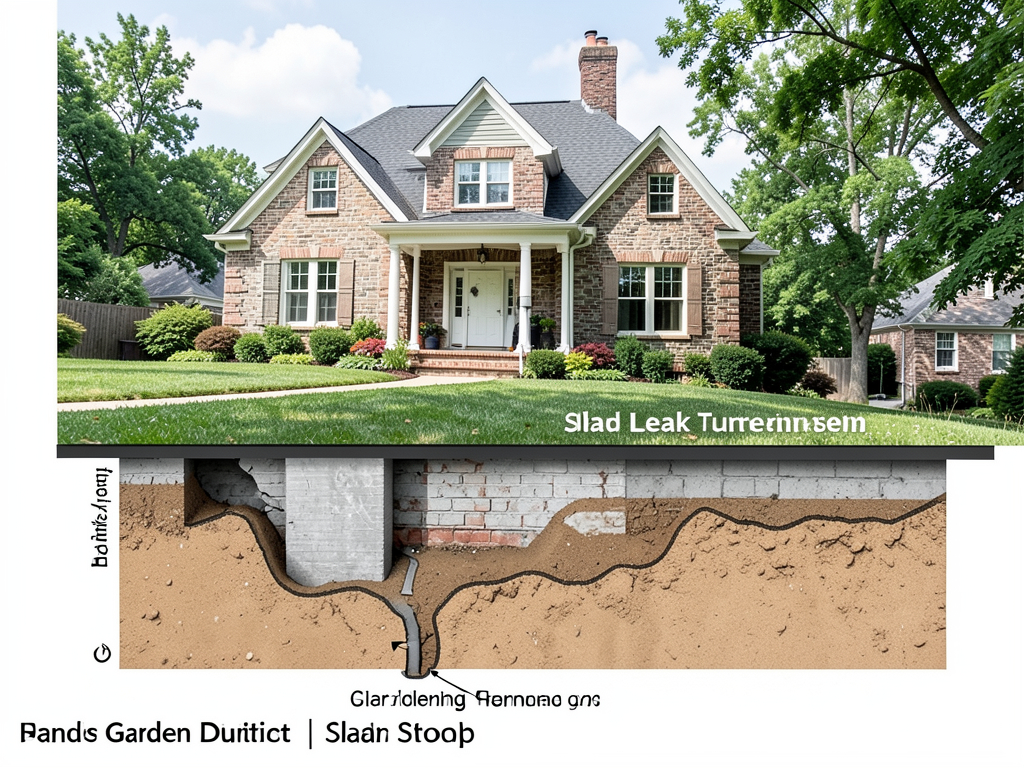
Garden District homeowners face a unique plumbing challenge. Your historic home sits on Mississippi River silt and clay-heavy soil that shifts constantly. When copper pipes buried beneath your slab start leaking, the damage happens silently and quickly. Water seeps into your foundation, warping hardwood floors and weakening structural beams. You need a plumber who understands Garden District architecture, local soil conditions, and the specific failure patterns of mid-century slab foundations.. Read more about Fast Tankless Water Heater Installation for New Orleans Residents.
Slab leaks in Garden District homes typically start as hairline fractures in copper pipes caused by foundation settling. The clay soil expands and contracts with moisture changes, putting pressure on buried plumbing. Once a leak starts, water travels along the path of least resistance, often pooling beneath your living room or dining area before you notice any signs. By the time you feel warm spots on the floor or hear the sound of running water when all fixtures are off, you’re already dealing with significant foundation damage.. Read more about Updating Old Plumbing and Repiping Historic Homes in the Marigny.
Early detection saves thousands in repair costs. Garden District homes built between 1940 and 1970 commonly used copper piping that’s now reaching the end of its service life. The combination of acidic soil, foundation movement, and age creates the perfect storm for slab leaks. You need immediate professional assessment if you notice unexplained water bill increases, damp spots on floors, or mildew odors coming from beneath your home. EPA Water Usage Guidelines.
Warning Signs of Slab Leaks in Garden District Homes
Garden District slab leaks present specific symptoms you should recognize immediately. Your historic home’s foundation behaves differently than modern construction, and early warning signs often get mistaken for other issues.. Read more about Why Your Historic Uptown Home Needs a Specialized Pipe Inspection.
- Warm spots on hardwood or tile floors that persist for hours
- Water meter spinning when all fixtures are turned off
- Sudden increases in water bills without usage changes
- Cracks appearing in interior walls or exterior brick
- Mildew smells concentrated in one area of your home
- Sound of running water when plumbing fixtures are off
- Uneven or sagging floors in older sections of your home
Garden District homes near St. Charles Avenue and Magazine Street often experience more severe symptoms due to the age of the infrastructure and the density of historic properties. The soil composition in these areas contains higher clay content, which retains moisture and creates more pressure on buried pipes.
Our Garden District Slab Leak Detection Process
We use non-invasive electronic leak detection equipment specifically calibrated for Garden District soil conditions. The process takes 2-3 hours and requires no demolition of your historic floors or walls.. Read more about Slab Leak Detection and Fast Repair for Slidell Homeowners.
- Electronic Listening Survey
Our technicians use ground microphones to listen for the distinct sound of water escaping under pressure. Garden District soil transmits sound differently than sandy soils, so we adjust our equipment accordingly.
- Thermal Imaging Scan
We map temperature variations across your floors using infrared cameras. Leaking hot water pipes create identifiable thermal patterns that help pinpoint the exact location without drilling test holes.
- Pressure Testing
We isolate sections of your plumbing system and monitor pressure drops. This test confirms whether you have active leaks and helps determine the severity of the problem.
- Moisture Mapping
We use moisture meters at multiple depths to track water migration patterns. Garden District homes often have multiple layers of flooring, and we need to understand how water moves through each layer.
Garden District homes built before 1978 often have cast iron sewer lines that can fail simultaneously with water supply pipes. We check both systems during our initial assessment to prevent future emergencies.
Repair Methods for Garden District Foundation Plumbing
Garden District homeowners have three main repair options, each with different implications for your historic home’s integrity and your budget.
| Repair Method | Best For | Timeline | Floor Impact |
|---|---|---|---|
| Tunneling Under Foundation | Multiple leaks or corroded pipes | 2-4 days | None – preserves historic floors |
| Direct Slab Access | Single accessible leak | 1-2 days | Minimal – targeted floor cuts |
| Whole House Repipe | Aging systems with multiple issues | 3-5 days | None – pipes rerouted through walls |
Tunneling is often the preferred method for Garden District homes because it preserves original hardwood floors and plaster walls. Our crews excavate beneath your foundation using specialized equipment that minimizes vibration and dust. This method costs more upfront but protects your home’s historic value.
Direct slab access works for single, accessible leaks in newer sections of your home. We use diamond-tipped saws to make precise cuts in concrete, repair the damaged section, and restore the floor to match existing finishes. New Orleans Water Utility Information.
Whole house repiping eliminates future slab leak concerns by rerouting all plumbing through your walls and attic. This method is ideal for homes with multiple leaks or severely corroded systems.
Why Garden District Homes Are Vulnerable to Slab Leaks
Garden District soil conditions create unique challenges for foundation plumbing. The area sits on Mississippi River alluvial deposits mixed with organic matter from centuries of development. This soil composition shifts more than the clay-heavy soils found in Metairie or Kenner.
Garden District homes experience an average of 0.5 inches of vertical foundation movement annually due to soil expansion and contraction. This movement puts constant stress on buried copper pipes, causing them to fatigue and eventually crack. The problem worsens during Louisiana’s wet seasons when soil moisture content changes rapidly.
Historic Garden District homes often have mixed plumbing systems with copper supply lines and cast iron waste pipes. The different materials expand and contract at different rates, creating stress points where they connect. These connections are common failure points that can cause simultaneous leaks in multiple areas.
Garden District’s mature tree canopy adds another layer of complexity. Tree roots seek water sources and can grow around pipes, creating pressure points that accelerate pipe failure. Oak trees common to the area have particularly aggressive root systems that extend far beyond the tree’s canopy.
Cost Factors for Slab Leak Repair in Garden District
Slab leak repair costs in Garden District vary based on several factors specific to historic home restoration and local soil conditions.
- Accessibility of the leak location through existing crawl spaces or basements
- Age and condition of surrounding plumbing infrastructure
- Historic preservation requirements for exterior modifications
- Soil conditions affecting excavation difficulty
- Need for temporary housing during extensive repairs
- Restoration of historic flooring materials
- Permit requirements from the Historic District Landmarks Commission
Garden District homes typically require specialized restoration work after slab repairs. Original hardwood floors may need custom milling to match existing patterns. Plaster walls require skilled craftsmen to repair damage from vibration during excavation.
Permitting through the Historic District Landmarks Commission adds time but ensures repairs meet preservation standards. We handle all permit applications and coordinate with commission staff to minimize delays.
Preventing Future Slab Leaks in Your Garden District Home
Prevention strategies for Garden District homes focus on addressing the root causes of foundation movement and pipe corrosion.
- Foundation Moisture Management
Install proper drainage systems to control water around your foundation. Garden District homes benefit from French drains and surface grading that directs water away from the house.
- Water Pressure Regulation
Install pressure-reducing valves to maintain consistent water pressure between 40-60 psi. New Orleans water mains often experience pressure fluctuations that stress your plumbing system.. Read more about Choosing the Best Sump Pump for New Orleans Basements and Crawlspaces.
- Annual Plumbing Inspections
Schedule yearly inspections to catch early signs of pipe corrosion or foundation movement. Early detection prevents emergency repairs and reduces long-term costs.
- Soil Stabilization
Consider chemical soil stabilization for areas with severe movement. This process reduces clay expansion and creates a more stable environment for your foundation.
Garden District homeowners should also consider upgrading to PEX piping for whole house repipes. PEX resists corrosion, handles foundation movement better than copper, and has a longer service life in our soil conditions.
Service Areas and Emergency Response
We provide emergency slab leak repair throughout Garden District and surrounding historic neighborhoods. Our response time averages 90 minutes for emergency calls within the 70130 and 70115 zip codes.
Garden District service area includes properties along St. Charles Avenue, Magazine Street, and the areas between Louisiana Avenue and Jackson Avenue. We also serve the adjacent Uptown Triangle and Lower Garden District areas where similar soil conditions and historic construction create comparable plumbing challenges.
Emergency services are available 24/7 for slab leaks that threaten your home’s structural integrity. We prioritize calls based on severity, with active leaks causing visible damage receiving immediate response.
Call (985) 279-3332 today to schedule your inspection. Don’t wait for small leaks to become major foundation problems. Our Garden District specialists will assess your home’s unique plumbing needs and provide a detailed repair plan that protects your investment.
Frequently Asked Questions
How do I know if I have a slab leak versus a regular plumbing leak?
Slab leaks occur beneath your concrete foundation and often show as warm spots on floors, unexplained water bill increases, or sounds of running water when fixtures are off. Regular leaks are visible at fixtures or in walls. Our electronic detection equipment can pinpoint the exact location without demolition.
Will slab leak repair damage my historic hardwood floors?
Traditional repair methods can damage historic floors, but we specialize in non-invasive tunneling that preserves your original flooring. For accessible leaks, we use precise cutting techniques that minimize floor damage and can often restore the area to match existing patterns.
How long does slab leak repair take in a Garden District home?
Repair timelines vary based on the method chosen. Tunneling typically takes 2-4 days, direct slab access takes 1-2 days, and whole house repiping takes 3-5 days. We provide detailed timelines after our initial assessment and work to minimize disruption to your daily life.
Are slab leaks covered by homeowners insurance in New Orleans?
Coverage varies by policy, but many insurance companies cover sudden and accidental water damage from slab leaks. However, they often exclude damage from long-term leaks or require proof of regular maintenance. We can provide documentation to support your insurance claim.
What causes slab leaks to happen in Garden District specifically?
Garden District’s unique combination of Mississippi River silt soil, historic construction methods, and mature tree canopy creates perfect conditions for slab leaks. The soil shifts more than in other areas, putting stress on copper pipes. Plus, many homes have aging plumbing systems reaching the end of their service life.
Can I prevent slab leaks in my Garden District home?
While you can’t eliminate all risk, you can reduce it significantly. Install proper drainage, maintain consistent water pressure, schedule annual plumbing inspections, and consider upgrading to PEX piping if you have an aging copper system. These steps address the main causes of slab leaks in our area.

[IMAGE_PLACEHOLDER_3>
Don’t let slab leaks compromise your Garden District home’s foundation. Call (985) 279-3332 now for emergency service or to schedule your comprehensive plumbing inspection. Our specialists understand the unique challenges of historic New Orleans homes and provide solutions that protect your investment for decades to come.
{
“@context”: “https://schema.org”,
“@type”: “BlogPosting”,
“headline”: “Fixing Slab Leaks and Foundation Plumbing in Your Garden District Home”,
“description”: “Expert slab leak detection and repair for Garden District homes. Fast response, non-invasive methods, and foundation-specific solutions for New Orleans’ shifting soil.”,
“wordCount”: 1809,
“datePublished”: “2026-02-18T12:36:00.000Z”,
“dateModified”: “2026-02-18T12:36:00.000Z”,
“inLanguage”: “en-US”,
“mainEntityOfPage”: {
“@type”: “WebPage”,
“@id”: “https://libertyplumbingneworleans.com”
},
“publisher”: {
“@type”: “LocalBusiness”,
“name”: “Liberty Plumbing New Orleans”,
“url”: “https://libertyplumbingneworleans.com”
},
“author”: {
“@type”: “Organization”,
“name”: “Liberty Plumbing New Orleans”,
“url”: “https://libertyplumbingneworleans.com”
},
“image”: {
“@type”: “ImageObject”,
“url”: “https://libertyplumbingneworleans.com/wp-content/uploads/2026/03/fixing-slab-leaks-and-foundation-plumbing-in-your-1.png”
}
}
{
“@context”: “https://schema.org”,
“@type”: “Plumber”,
“name”: “Liberty Plumbing New Orleans”,
“url”: “https://libertyplumbingneworleans.com”,
“address”: {
“@type”: “PostalAddress”,
“addressLocality”: “New Orleans”
},
“areaServed”: {
“@type”: “City”,
“name”: “New Orleans”
}
}
{
“@context”: “https://schema.org”,
“@type”: “FAQPage”,
“mainEntity”: [
{
“@type”: “Question”,
“name”: “How do I know if I have a slab leak versus a regular plumbing leak?”,
“acceptedAnswer”: {
“@type”: “Answer”,
“text”: “Slab leaks occur beneath your concrete foundation and often show as warm spots on floors, unexplained water bill increases, or sounds of running water when fixtures are off. Regular leaks are visible at fixtures or in walls. Our electronic detection equipment can pinpoint the exact location without demolition.”
}
},
{
“@type”: “Question”,
“name”: “Will slab leak repair damage my historic hardwood floors?”,
“acceptedAnswer”: {
“@type”: “Answer”,
“text”: “Traditional repair methods can damage historic floors, but we specialize in non-invasive tunneling that preserves your original flooring. For accessible leaks, we use precise cutting techniques that minimize floor damage and can often restore the area to match existing patterns.”
}
},
{
“@type”: “Question”,
“name”: “How long does slab leak repair take in a Garden District home?”,
“acceptedAnswer”: {
“@type”: “Answer”,
“text”: “Repair timelines vary based on the method chosen. Tunneling typically takes 2-4 days, direct slab access takes 1-2 days, and whole house repiping takes 3-5 days. We provide detailed timelines after our initial assessment and work to minimize disruption to your daily life.”
}
},
{
“@type”: “Question”,
“name”: “Are slab leaks covered by homeowners insurance in New Orleans?”,
“acceptedAnswer”: {
“@type”: “Answer”,
“text”: “Coverage varies by policy, but many insurance companies cover sudden and accidental water damage from slab leaks. However, they often exclude damage from long-term leaks or require proof of regular maintenance. We can provide documentation to support your insurance claim.”
}
},
{
“@type”: “Question”,
“name”: “What causes slab leaks to happen in Garden District specifically?”,
“acceptedAnswer”: {
“@type”: “Answer”,
“text”: “Garden District’s unique combination of Mississippi River silt soil, historic construction methods, and mature tree canopy creates perfect conditions for slab leaks. The soil shifts more than in other areas, putting stress on copper pipes. Plus, many homes have aging plumbing systems reaching the end of their service life.”
}
},
{
“@type”: “Question”,
“name”: “Can I prevent slab leaks in my Garden District home?”,
“acceptedAnswer”: {
“@type”: “Answer”,
“text”: “While you can’t eliminate all risk, you can reduce it significantly. Install proper drainage, maintain consistent water pressure, schedule annual plumbing inspections, and consider upgrading to PEX piping if you have an aging copper system. These steps address the main causes of slab leaks in our area.”
}
}
]
}
{
“@context”: “https://schema.org”,
“@type”: “HowTo”,
“name”: “Garden District Slab Leak Detection Process”,
“step”: [
{
“@type”: “HowToStep”,
“position”: 1,
“name”: “Electronic Listening Survey”,
“text”: “Our technicians use ground microphones to listen for the distinct sound of water escaping under pressure. Garden District soil transmits sound differently than sandy soils, so we adjust our equipment accordingly.”
},
{
“@type”: “HowToStep”,
“position”: 2,
“name”: “Thermal Imaging Scan”,
“text”: “We map temperature variations across your floors using infrared cameras. Leaking hot water pipes create identifiable thermal patterns that help pinpoint the exact location without drilling test holes.”
},
{
“@type”: “HowToStep”,
“position”: 3,
“name”: “Pressure Testing”,
“text”: “We isolate sections of your plumbing system and monitor pressure drops. This test confirms whether you have active leaks and helps determine the severity of the problem.”
},
{
“@type”: “HowToStep”,
“position”: 4,
“name”: “Moisture Mapping”,
“text”: “We use moisture meters at multiple depths to track water migration patterns. Garden District homes often have multiple layers of flooring, and we need to understand how water moves through each layer.”
}
],
“image”: “https://libertyplumbingneworleans.com/wp-content/uploads/2026/03/fixing-slab-leaks-and-foundation-plumbing-in-your-1.png”
}
{
“@context”: “https://schema.org”,
“@type”: “BreadcrumbList”,
“itemListElement”: [
{
“@type”: “ListItem”,
“position”: 1,
“name”: “Home”,
“item”: “https://libertyplumbingneworleans.com”
},
{
“@type”: “ListItem”,
“position”: 2,
“name”: “Blog”,
“item”: “https://libertyplumbingneworleans.com/blog”
},
{
“@type”: “ListItem”,
“position”: 3,
“name”: “Fixing Slab Leaks and Foundation Plumbing in Your Garden District Home”
}
]
}
{
“@context”: “https://schema.org”,
“@type”: “Service”,
“serviceType”: “Plumbing”,
“provider”: {
“@type”: “LocalBusiness”,
“name”: “Liberty Plumbing New Orleans”,
“url”: “https://libertyplumbingneworleans.com”
},
“areaServed”: {
“@type”: “City”,
“name”: “New Orleans”
},
“description”: “Expert slab leak detection and repair for Garden District homes. Fast response, non-invasive methods, and foundation-specific solutions for New Orleans’ shifting soil.”
}