




menu

No Hot Water Diagnosis in New Orleans – Expert Troubleshooting That Finds the Real Problem Fast

When your water heater stops producing hot water in New Orleans, you need accurate diagnosis to avoid wasting money on the wrong fix. Liberty Plumbing New Orleans identifies the exact cause of no hot water so you get the right repair the first time.

Slider Image 1
Slider Image 2
Slider Image 3
Slider Image 4
Slider Image 5
Slider Image 7
Slider Image 8
Slider Image 9
Slider Image 10
Slider Image 11

Why Your Hot Water Disappeared and What New Orleans Conditions Make It Worse

You turn on the shower and get blasted with cold water. You check the water heater and see no obvious leak or damage. The frustration sets in because you have no idea what went wrong.

Water heater malfunction symptoms show up differently depending on the underlying cause. Some failures are mechanical. Others are electrical. Some stem from sediment buildup, while others trace back to a faulty thermostat or heating element.

New Orleans water has high mineral content, particularly calcium and magnesium. These minerals settle at the bottom of your tank and form a thick layer of sediment. Over time, this sediment acts like insulation between the burner and the water, making it harder for your tank to heat effectively. The heating elements work overtime, burn out faster, and eventually fail completely.

The humid subtropical climate in New Orleans also accelerates corrosion inside your tank. When moisture combines with the already mineral-heavy water supply, you get faster degradation of anode rods and internal components. A corroded anode rod stops protecting your tank lining, which leads to rust, leaks, and premature failure.

When you lose hot water, the causes of no hot water range from simple fixes like a tripped breaker to complex problems like a failed gas control valve or collapsed dip tube. You cannot troubleshoot water heater problems effectively without understanding your specific unit type, fuel source, and installation environment.

Trying to diagnose lack of hot water on your own often leads to misdiagnosis. You might replace a heating element when the real issue is electrical supply. You might flush the tank when the problem is a broken thermocouple. Liberty Plumbing New Orleans uses systematic testing to identify water heater issues accurately so you avoid unnecessary repairs and get your hot water restored quickly.

Why Your Hot Water Disappeared and What New Orleans Conditions Make It Worse
How We Diagnose Your Water Heater the Right Way

How We Diagnose Your Water Heater the Right Way

Most plumbers show up, glance at your water heater, and start guessing. We follow a structured diagnostic protocol that tests every component in sequence until we isolate the failure point.

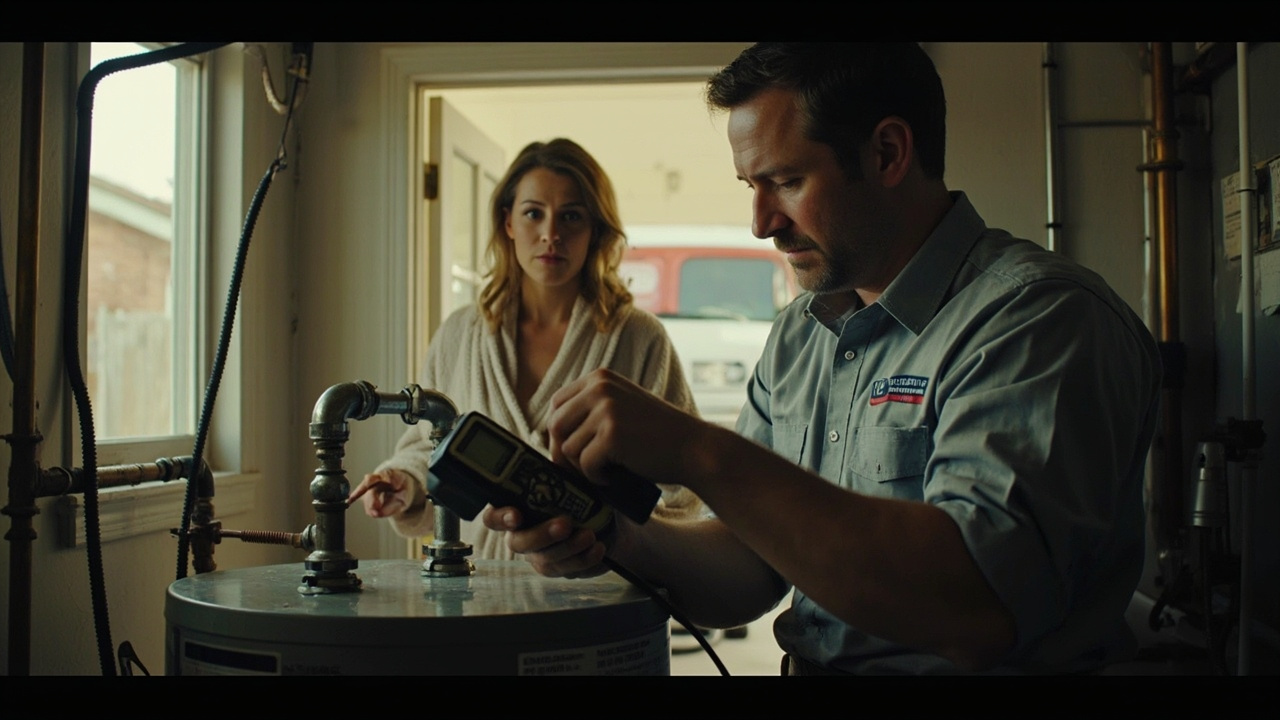
For electric water heaters, we start by checking voltage at the breaker panel and the unit itself. We use a multimeter to test continuity across both heating elements and verify thermostat function. If your upper element fails, you get no hot water at all. If your lower element fails, you get a small amount of hot water that runs out quickly. These symptoms look similar but require different fixes.

We also inspect the high-temperature cutoff switch. This safety device trips when your tank overheats, cutting power to prevent scalding or tank rupture. Homeowners often overlook this reset button, which sits behind the access panel. A simple reset can restore power, but if the switch trips repeatedly, it signals a deeper problem like a faulty thermostat or sediment insulation.

For gas water heaters, we verify pilot light function and test the thermocouple. The thermocouple is a safety sensor that shuts off gas flow if the pilot light goes out. A worn thermocouple fails to generate enough voltage to keep the gas valve open. We also check the gas control valve itself, inspect the burner assembly for corrosion or debris, and verify proper venting to rule out backdraft issues.

We drain a sample from the drain valve to assess sediment levels. Heavy sediment buildup reduces heating efficiency and can clog the drain valve itself, making future maintenance impossible without full tank removal.

We inspect the dip tube, which directs incoming cold water to the bottom of the tank. If this tube breaks or deteriorates, cold water mixes directly with hot water at the top, giving you lukewarm water instead of hot. This is common in older tanks and often mistaken for a heating element failure.

What Happens During Your Water Heater Diagnosis

No Hot Water Diagnosis in New Orleans – Expert Troubleshooting That Finds the Real Problem Fast
01

Initial System Assessment

We inspect your water heater type, age, and fuel source, then check for visible damage, leaks, or corrosion. We verify that your unit is receiving proper power or gas supply and that all safety shutoffs are functioning. We document your specific symptoms, including when the hot water stopped, whether it happened suddenly or gradually, and any unusual sounds or smells you noticed.
02

Component-Level Testing

We use diagnostic tools to test every component involved in heating water. For electric units, this means testing voltage, continuity, and resistance across heating elements and thermostats. For gas units, we test thermocouple output, verify burner ignition, and check for proper combustion. We also test pressure relief valves, inspect anode rods when accessible, and measure sediment accumulation through drain sampling.
03

Root Cause Identification

We pinpoint the exact failure point and explain what caused it. You get a clear explanation of the problem, the repair or replacement options, and the expected longevity of each solution. We provide transparent recommendations based on your tank age, condition, and whether a repair makes financial sense compared to replacement. You make the decision with full information.

Why New Orleans Homeowners Trust Liberty Plumbing for Water Heater Diagnosis

Water heaters in New Orleans face unique stresses that require local expertise. Our technicians understand how the mineral-heavy water from the New Orleans Water Board treatment facilities affects tank longevity and component wear. We know which brands and models hold up better in this water chemistry and which ones fail prematurely.

We work throughout the greater New Orleans metro, including Uptown, the French Quarter, Lakeview, Mid-City, and surrounding Jefferson and St. Bernard parishes. We have diagnosed water heaters in century-old shotgun doubles in the Marigny and in new construction homes in Algiers Point. Every building type presents different installation challenges and access constraints.

New Orleans building codes require proper venting and combustion air supply for gas water heaters. In older homes with tight attic spaces or converted closets, improper venting causes backdrafting, carbon monoxide risks, and pilot light failures. We verify that your installation meets current code requirements and make corrections when needed.

We also understand the impact of Hurricane Ida, Hurricane Katrina, and other flooding events on water heater infrastructure. Many New Orleans homes have had their water heaters replaced multiple times due to flood damage. If your unit was installed hastily during post-storm reconstruction, it may have substandard electrical connections, improper bonding, or incorrect temperature settings. We identify these installation errors during diagnosis and correct them to prevent future failures.

You get honest answers. If your water heater is beyond economical repair, we tell you. If a simple fix will restore function, we recommend that instead of pushing for a full replacement. Our goal is to solve your problem correctly, not to maximize our invoice.

What You Can Expect From Our Diagnostic Service

Fast Response and Flexible Scheduling

We offer same-day and next-day appointments for water heater diagnosis. You choose a time window that works for your schedule. Our technicians call ahead when they are en route so you know exactly when to expect us. If you have no hot water during winter months or need diagnosis before guests arrive, we prioritize your appointment. We carry diagnostic equipment on every truck so we can complete the assessment during the first visit without needing to return for tools or instruments.

Comprehensive Testing and Clear Explanations

We test every component that could cause your symptoms. You receive a detailed explanation of what we found, what failed, and why it failed. We show you the failed parts when possible and explain how each component functions so you understand the diagnosis. If multiple components need attention, we prioritize them by urgency and impact. You get a written diagnostic report that lists all findings, recommendations, and estimated costs for each repair option.

Accurate Repairs That Solve the Problem

Our diagnosis identifies the root cause so repairs address the actual failure instead of masking symptoms. If your heating element burned out due to sediment buildup, we flush the tank and replace the element. If your thermocouple failed due to corrosion from poor venting, we replace the thermocouple and correct the venting issue. You get hot water restored and solutions that prevent the same failure from recurring. We use quality replacement parts that match or exceed original equipment specifications.

Ongoing Support and Maintenance Guidance

After diagnosis and repair, we provide maintenance recommendations specific to your water heater type and New Orleans water conditions. This includes flushing frequency, anode rod inspection schedules, and signs to watch for that indicate developing problems. If your tank is approaching the end of its expected lifespan, we help you plan for replacement before you face an emergency failure and water damage. You can call us with follow-up questions about your system at any time.

Frequently Asked Questions

You Have Questions,
We Have Answers

What is the most common cause of no hot water? +

A failed heating element is the most common culprit in electric water heaters across New Orleans homes. These elements burn out over time due to mineral buildup from our hard water supply. For gas units, a malfunctioning pilot light or thermocouple often stops heat production. Sediment accumulation at the tank bottom, common in our high-mineral water, reduces heating efficiency until the unit fails completely. Tripped breakers affect electric models, while gas supply interruptions impact gas heaters. Age matters too. Most water heaters last 8-12 years before component failure becomes frequent.

How to diagnose no hot water? +

Start by checking your circuit breaker for electric units or confirming the pilot light is lit for gas models. Test the water temperature at multiple faucets to determine if the issue affects the entire house. Inspect the water heater for visible leaks or pooling water. Check the temperature setting on the thermostat, it should read 120-140 degrees. Listen for unusual sounds like popping or hissing that indicate sediment buildup. For gas heaters, verify the gas valve is open. If basic checks reveal nothing obvious, call a licensed plumber. Internal component failures require professional testing equipment and expertise.

What would cause hot water to not work? +

Several factors stop hot water production in New Orleans homes. Heating elements fail in electric models, while gas units suffer from pilot light issues or burner malfunctions. Thermostat failure prevents temperature regulation in both types. Sediment buildup from our mineral-rich water insulates the heating mechanism from the water. Dip tube breakage sends cold water directly to the hot outlet instead of the tank bottom. Corroded anode rods accelerate tank deterioration. For older homes in neighborhoods like the Garden District, outdated galvanized piping can restrict hot water flow. Power outages, gas supply problems, or tripped safety valves also halt heating.

Why have I got no hot water all of a sudden? +

Sudden hot water loss often signals component failure or a tripped safety mechanism. Electric water heaters lose power from tripped breakers or blown fuses. Gas models shut down when the pilot light extinguishes or the thermocouple fails. A tripped temperature and pressure relief valve stops heating to prevent dangerous pressure buildup. In New Orleans, power surges during thunderstorms can damage heating elements or control boards. Sediment dislodging inside the tank can block the dip tube or burner. If your water heater is over 10 years old, internal corrosion may have finally caused critical failure.

Is no hot water a plumbing emergency? +

No hot water alone does not qualify as a plumbing emergency unless it occurs alongside other issues. If you see active leaking, smell gas near the water heater, notice water pooling around the unit, or spot smoke or sparking, shut off power or gas immediately and call for emergency service. For New Orleans families with infants, elderly residents, or medical conditions requiring hot water, rapid response matters. Most no hot water situations can wait until normal business hours. However, preventing further damage to your property or addressing health concerns justifies urgent attention. Use your judgment based on your household needs.

How to reset a hot water system? +

For electric water heaters, locate your circuit breaker panel and flip the water heater breaker completely off, wait 30 seconds, then flip it back on. Check if the reset button on the unit itself needs pressing. It sits behind an access panel near the thermostat. For gas models, turn the gas control knob to the off position, wait five minutes for gas to clear, then follow the lighting instructions on the label. Many modern units have electronic ignition rather than pilot lights. Never attempt to reset a unit if you smell gas or see water leaking. Call a plumber immediately.

Why does my cold water work but not my hot water? +

This specific symptom points to an issue isolated to your water heater rather than your main plumbing system. A broken dip tube is the most likely cause. This pipe directs incoming cold water to the tank bottom for heating. When it breaks, cold water mixes at the top and flows directly to your hot water pipes. Failed heating elements in electric models or burner problems in gas units also prevent water from reaching proper temperature. In older New Orleans homes, corroded hot water pipes can restrict flow while cold lines remain clear. The water heater itself needs inspection and repair.

What happens before a hot water heater goes out? +

Warning signs precede complete water heater failure. You will notice water temperature fluctuations or lukewarm water instead of hot. Rusty or discolored water signals internal tank corrosion. Loud popping, banging, or rumbling noises indicate sediment buildup on the heating elements or tank floor. Small leaks or moisture around the base suggest tank deterioration. Recovery time increases, meaning the tank takes longer to reheat after use. Higher energy bills without increased usage reflect reduced efficiency. In New Orleans humidity, external tank condensation differs from actual leaks, but persistent moisture warrants inspection before catastrophic failure occurs.

Is there a way to test a hot water heater? +

You can perform basic tests, but accurate diagnosis requires professional equipment. Check water temperature at the tap with a thermometer. It should reach 120-140 degrees. For electric units, a multimeter tests heating element continuity and thermostat function. Gas models need flame observation to confirm proper burner operation and color. Inspect the anode rod by removing it to check for excessive corrosion. Drain a bucket of water from the tank bottom to assess sediment levels. Pressure test the temperature and pressure relief valve. However, internal component testing, electrical troubleshooting, and gas line verification require licensed plumber expertise and safety protocols.

Could a plumbing issue cause no hot water? +

Yes. Several plumbing problems cause hot water loss beyond water heater malfunctions. A closed or partially closed shut-off valve on the cold water supply line restricts water entering the tank. Crossed connections in your plumbing system can route cold water into hot water lines. Corroded pipes in older New Orleans neighborhoods reduce hot water pressure and flow. A faulty mixing valve at fixtures sends only cold water through. Sediment in pipes from our mineral-heavy water supply can block hot water distribution. Leaks in hot water lines reduce pressure before reaching faucets. These issues require tracing your plumbing system to locate the obstruction or malfunction.

How New Orleans Water Quality Accelerates Water Heater Failures

New Orleans municipal water contains high levels of dissolved minerals, particularly calcium and magnesium carbonates. These minerals precipitate out when water is heated and settle at the bottom of your tank as sediment. Over months and years, this sediment layer thickens and hardens. It insulates the tank bottom from the burner or heating element, forcing your water heater to run longer cycles to reach temperature. This extended runtime accelerates wear on heating elements, thermostats, and gas control valves. The sediment also traps water beneath it, creating localized overheating that weakens the tank lining and leads to premature corrosion and leaks.

Liberty Plumbing New Orleans has diagnosed water heater issues in every neighborhood from the Garden District to New Orleans East. We understand the variations in water quality across different parts of the city and how older plumbing systems contribute to sediment problems. Our technicians are familiar with the Orleans Parish plumbing code requirements and work regularly with local inspectors on water heater installations and replacements. When you need accurate diagnosis and reliable repairs, you get better results from a team that knows New Orleans homes, water chemistry, and building conditions.

Plumbing Services in The New Orleans Area

Liberty Plumbing proudly serves New Orleans and surrounding areas with dependable plumbing services available 24/7. Use the map below to locate our service area and see how close we are to your home or business. Whether you need emergency repairs or scheduled maintenance, we’re nearby and ready to help. Our team is local, friendly, and always prepared to respond when you need us most. Don’t wait for a plumbing issue to get worse—get fast, professional help from Liberty Plumbing today.

Address:
Liberty Plumbing New Orleans, 201 St Charles Ave, New Orleans, LA, 70170

Additional Services We Offer

Our news updates

Latest Articles & News from The Blogs

Common Plumbing Issues for Homeowners Using Well Water in Rural St. Bernard Parish Living in rural St. Bernard Parish means…

Common Plumbing Issues for Homeowners Using Well Water in Rural St. Bernard Parish

Common Plumbing Issues for Homeowners Using Well Water in Rural St. Bernard Parish Living in rural St. Bernard Parish means…

Dealing with Standing Water in Your Yard After a Typical New Orleans Rainstorm

Dealing with Standing Water in Your Yard After a Typical New Orleans Rainstorm Living in New Orleans means dealing with…

How to Make Your New Orleans Restaurant Bathrooms ADA Compliant

How to Make Your New Orleans Restaurant Bathrooms ADA Compliant Running a restaurant in New Orleans means navigating historic buildings,…

Contact Us

Stop guessing what is wrong with your water heater. Call Liberty Plumbing New Orleans at (985) 279-3332 now for expert diagnosis and fast repairs. We identify the real problem and restore your hot water correctly the first time.