




menu

Mold in Bathroom Cabinets in New Orleans – Expert Detection and Plumbing Solutions That Address the Root Cause

Liberty Plumbing New Orleans combines moisture source identification with cabinet remediation to eliminate mold in bathroom cabinets and prevent recurrence in high-humidity environments.

Slider Image 1
Slider Image 2
Slider Image 3
Slider Image 4
Slider Image 5
Slider Image 7
Slider Image 8
Slider Image 9
Slider Image 10
Slider Image 11

Why New Orleans Bathroom Cabinets Become Mold Factories

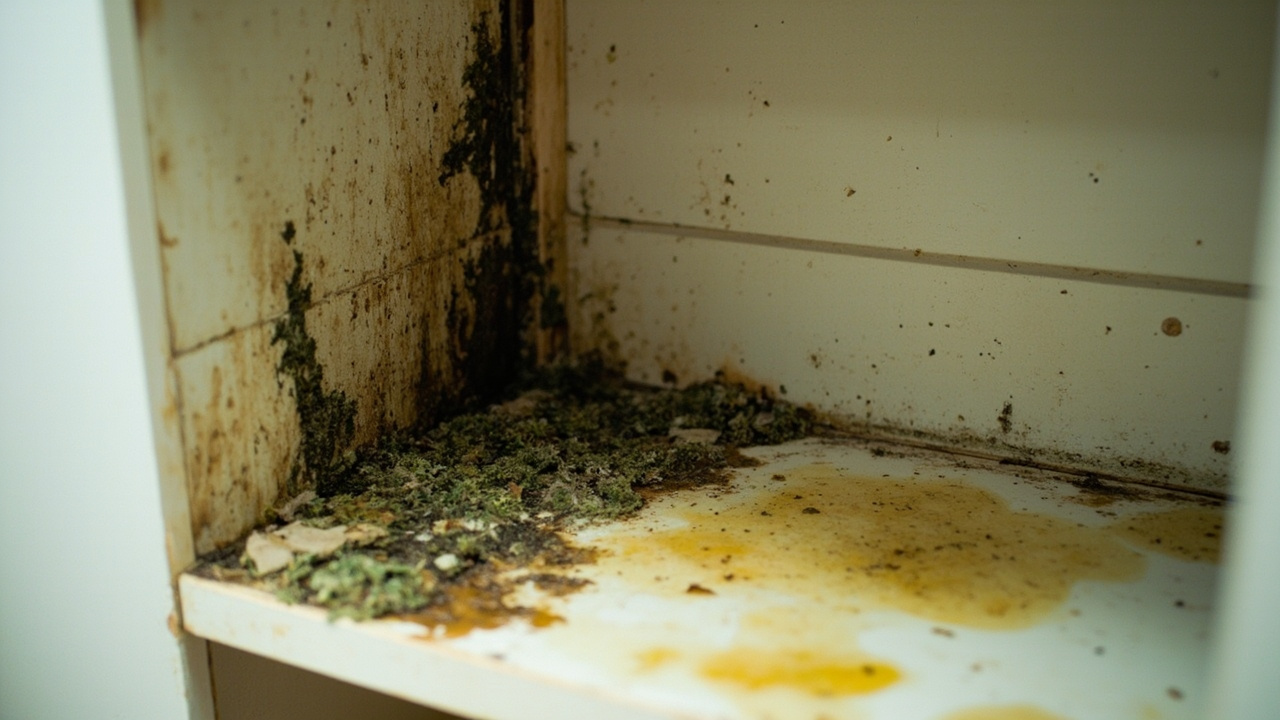
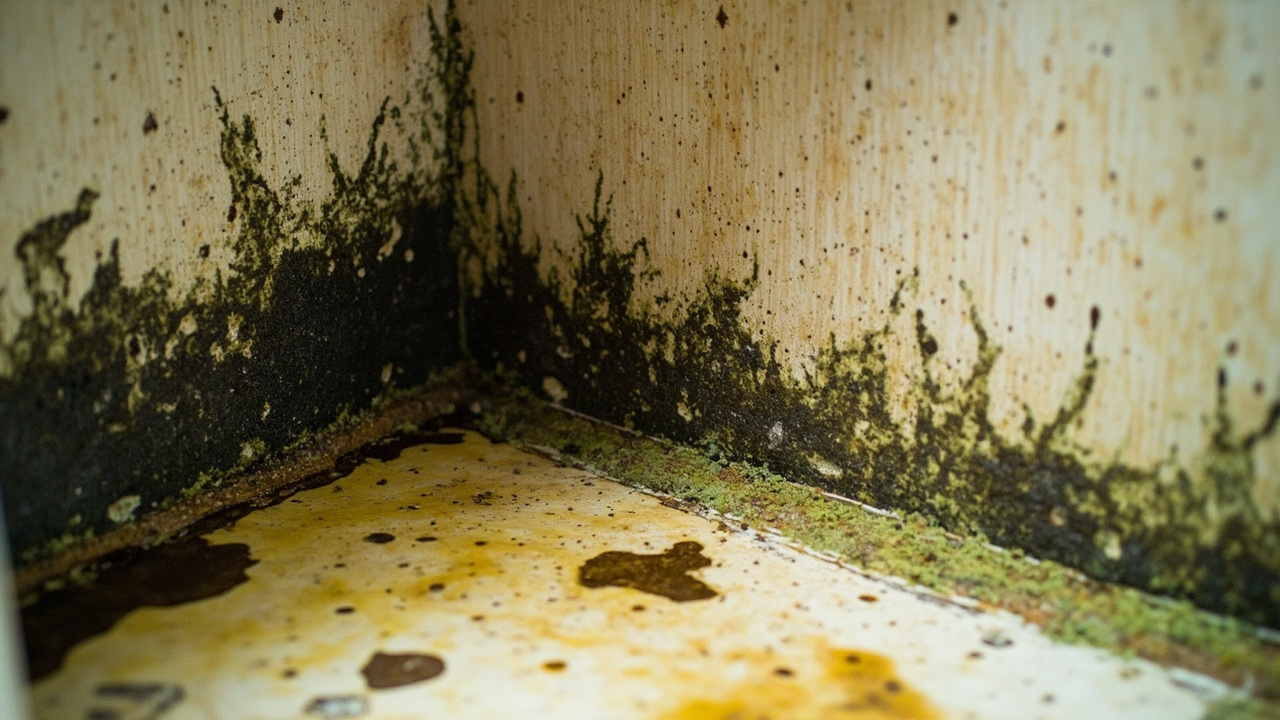
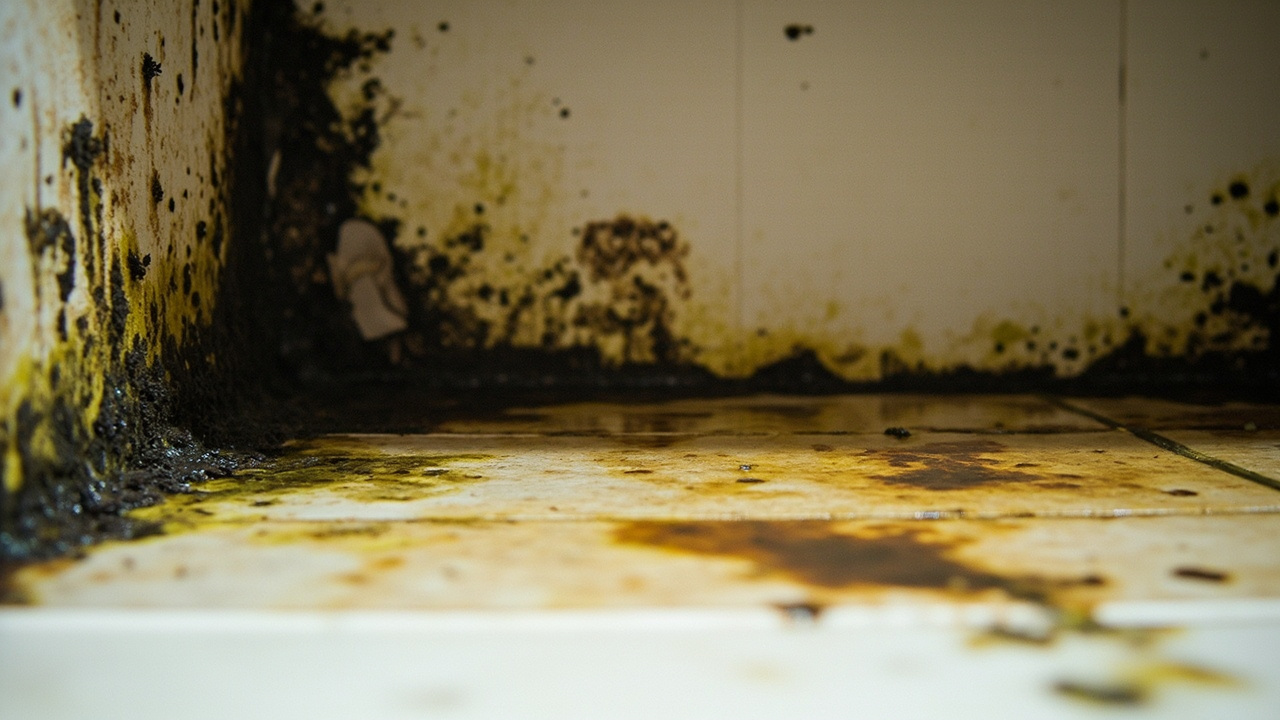
You open your bathroom vanity and see black spots creeping up the back panel. The smell hits you before you even lean in. Mold in bathroom cabinets is not just ugly. It signals a moisture problem that can damage your home and affect your health.

New Orleans creates perfect conditions for bathroom cupboard mold. Our 77 percent average humidity combines with poor ventilation in older homes to trap moisture inside enclosed spaces. Add a slow leak under the bathroom sink, and you have created a breeding ground. The temperature rarely drops low enough to slow fungal growth, so mildew in bathroom cabinets spreads year-round.

Many homeowners blame the cabinet itself. They scrub the surfaces, spray bleach, and think the problem is solved. Two months later, the mold growth inside vanity returns. The real issue is not the cabinet. It is the water source feeding the fungus.

Common culprits include corroded supply line connections, degraded wax rings on toilets adjacent to vanities, and condensation from uninsulated cold water pipes. In homes near Lake Pontchartrain or below sea level, groundwater can wick up through slab foundations and penetrate cabinet kickboards. Historic shotgun homes with cast iron drain stacks often develop pinhole leaks that seep into adjacent cabinetry without obvious signs.

Mold under bathroom sink areas also results from caulk failure around fixtures. When the seal between countertop and backsplash fails, water migrates down the wall and saturates the cabinet interior. You might never see standing water, but the damp particle board provides everything mold needs to colonize.

The fix requires more than surface cleaning. You need to identify and eliminate the moisture source, or you will fight this battle repeatedly.

Why New Orleans Bathroom Cabinets Become Mold Factories
How We Eliminate Bathroom Vanity Mold at the Source

How We Eliminate Bathroom Vanity Mold at the Source

Most companies treat the symptom. We address the cause. Liberty Plumbing New Orleans starts every mold remediation with a complete moisture audit of your plumbing system.

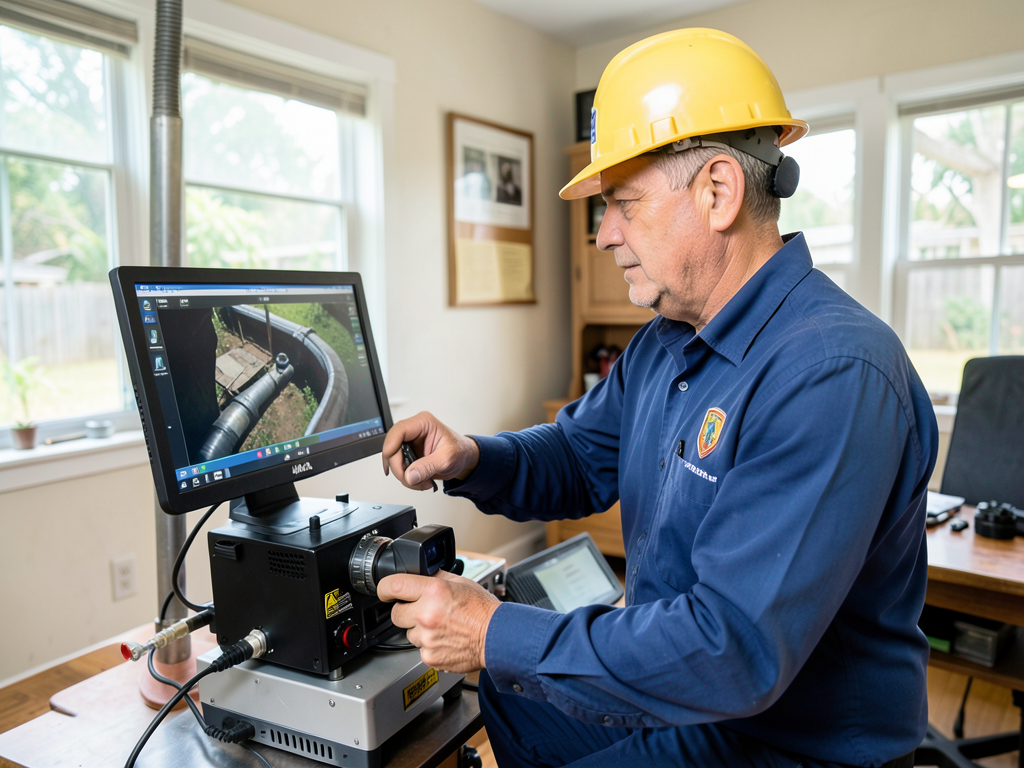
We inspect supply lines, shut-off valves, drain traps, and P-trap connections for leaks. A moisture meter measures humidity levels inside the cabinet and behind walls to locate hidden water intrusion. Thermal imaging cameras detect temperature differentials that indicate active leaks behind finished surfaces. We pull cabinet samples if needed to confirm whether moisture originates from plumbing failure or environmental condensation.

Once we identify the source, we repair it. Corroded supply lines get replaced with braided stainless flex lines rated for high-pressure service. Leaking drain traps receive new gaskets and proper slope adjustments. If your cast iron stack has corroded through, we section in PVC or ABS to restore integrity. Uninsulated cold water lines get foam pipe insulation to prevent condensation drip.

We do not stop at the plumbing fix. We also address the cabinet environment. We recommend exhaust fan upgrades if your current unit moves less than 50 CFM. We check that your fan vents to the exterior, not into the attic, which is common in older renovations. We evaluate whether your cabinet needs ventilation holes drilled in the back panel to allow air circulation and prevent trapped humidity.

After repairs, we coordinate with remediation specialists who remove contaminated materials and treat surfaces with antimicrobial solutions. We return to verify that moisture levels have normalized and that no new water intrusion occurs. You get documentation of the repair scope and recommendations for preventing future growth.

The goal is permanence. Fix the water problem, and the mold problem disappears.

What Happens During Your Cabinet Mold Inspection

Mold in Bathroom Cabinets in New Orleans – Expert Detection and Plumbing Solutions That Address the Root Cause
01

Moisture Source Investigation

We examine all plumbing connections inside and around your vanity using moisture meters and thermal imaging. Supply lines, drain traps, shut-off valves, and adjacent walls get tested for active leaks or elevated humidity. We document baseline moisture readings in cabinet materials and surrounding drywall to establish whether water intrusion is ongoing or historical. This diagnostic phase determines whether your mold problem stems from plumbing failure, condensation, or structural moisture migration.
02

Plumbing Repair Execution

Once we identify the moisture source, we execute the necessary plumbing repairs immediately. Leaking supply lines get replaced with code-compliant materials. Corroded drain connections receive new fittings and proper sealing. If pipe condensation is the issue, we install foam insulation rated for your water temperature. We also evaluate your ventilation system and recommend upgrades if your exhaust fan lacks adequate capacity or vents improperly. Every repair is tested under pressure to confirm leak elimination before we leave.
03

Post-Repair Verification

After repairs, we return within two weeks to retest moisture levels and confirm that humidity has normalized inside the cabinet. We verify that no new water intrusion has occurred and that environmental conditions now prevent mold regrowth. You receive a detailed report of all work completed, moisture readings before and after, and maintenance recommendations. If additional plumbing issues emerge during monitoring, we address them under the same service call to ensure complete resolution.

Why New Orleans Homeowners Trust Liberty Plumbing for Mold-Related Repairs

Mold in bathroom cabinets is not a cosmetic issue. It signals a plumbing failure that will worsen if ignored. Choosing the right plumber matters because misdiagnosis wastes your money and leaves the problem unresolved.

Liberty Plumbing New Orleans understands the unique moisture challenges in our region. We work in homes built on slab foundations below sea level, where groundwater pressure can push moisture through concrete and into cabinetry. We have repaired plumbing in Creole cottages, shotgun doubles, and mid-century ranches where outdated materials and poor ventilation create chronic humidity problems. We know how New Orleans plumbing systems age and where they typically fail.

We also understand local building practices. Many homes in Lakeview, Gentilly, and the Lower Ninth Ward were replumbed after Hurricane Katrina using materials that met minimum code but lacked long-term durability. We frequently encounter galvanized steel supply lines that corroded within 15 years, PVC drain traps installed without proper venting, and exhaust fans that dump moisture into attic spaces. We correct these deficiencies during every service call.

Our approach is diagnostic, not assumptive. We do not walk in and guess. We use calibrated tools to measure moisture, thermal cameras to visualize temperature differentials, and pressure tests to confirm leak locations. We explain what we find in plain language and show you the evidence before we proceed with repairs.

We also coordinate with remediation professionals when necessary. Plumbing fixes stop the water intrusion, but mold removal requires specialized equipment and containment procedures. We work alongside trusted local contractors to ensure that your cabinet interior is properly treated after we repair the underlying plumbing failure.

You get transparency, accountability, and results. We do not upsell services you do not need, and we do not leave until the moisture source is eliminated.

What to Expect When You Call Liberty Plumbing for Cabinet Mold Issues

Rapid Response Scheduling

Mold grows fast in high-humidity environments. We prioritize moisture-related service calls and typically schedule inspections within 24 to 48 hours. If you have an active leak or visible water damage, we can dispatch a technician the same day. We offer flexible appointment windows to minimize disruption to your schedule. Emergency service is available for situations where water is actively flowing or where structural damage is imminent. You will receive a call 30 minutes before arrival so you can prepare access to the affected area.

Comprehensive Moisture Assessment

Your inspection begins with a detailed evaluation of all plumbing components inside and around your vanity. We use moisture meters to measure humidity levels in cabinet materials, thermal imaging to detect temperature anomalies that indicate leaks, and pressure tests to verify supply line integrity. We inspect drain traps for leaks, shut-off valves for corrosion, and supply lines for degradation. We also evaluate ventilation capacity and check for condensation on cold water pipes. You receive a written assessment that identifies the moisture source and outlines recommended repairs.

Permanent Plumbing Repair

Once we identify the problem, we execute repairs using code-compliant materials rated for long-term service. Corroded supply lines get replaced with braided stainless flex lines. Leaking drain traps receive new gaskets and proper sealing. Uninsulated pipes that cause condensation get wrapped with closed-cell foam insulation. If your exhaust fan lacks adequate capacity, we provide upgrade recommendations. Every repair is pressure-tested before we close up walls or cabinetry. You get a system that eliminates the moisture source and prevents mold recurrence.

Follow-Up Verification Visit

We return within two weeks to retest moisture levels and confirm that repairs have resolved the problem. We measure humidity inside the cabinet and behind walls to verify that readings have normalized. If moisture levels remain elevated, we investigate further at no additional diagnostic charge. You receive a final report documenting all work completed, moisture readings before and after, and maintenance recommendations to prevent future issues. We stand behind our repairs and address any deficiencies that emerge during the verification period.

Frequently Asked Questions

You Have Questions,
We Have Answers

How do you get rid of mold in bathroom cabinets? +

Remove all items from the cabinet and inspect the damage. For surface mold, scrub with a mix of one cup bleach per gallon of water or white vinegar. Wear gloves and a mask. Dry the area completely with fans. In New Orleans' high humidity climate, you must identify the moisture source first. Check for leaking pipes, poor ventilation, or condensation buildup. If mold has penetrated porous wood or the colony is larger than 10 square feet, you need professional remediation. Fix the water problem or the mold will return within weeks.

Can moldy cabinets be saved? +

Yes, if you catch it early and the wood is not structurally compromised. Surface mold on solid wood or plywood can be cleaned and treated. Remove the mold with appropriate cleaners, sand lightly if needed, then apply a mold-inhibiting primer before repainting. However, if the cabinet shows warping, soft spots, or the mold has spread into the particle board core, replacement is safer. New Orleans' humidity accelerates wood rot once mold takes hold. Test the wood with a screwdriver. If it sinks in easily, the cabinet is too far gone.

Why is mold growing in my bathroom vanity? +

Your vanity has a moisture problem. Common culprits include leaking drain pipes, a faulty wax ring at the toilet base, or condensation from temperature differences. In New Orleans, the humid subtropical climate keeps indoor humidity above 60 percent year-round, which feeds mold growth. Poor air circulation under the sink traps moisture. Check all plumbing connections for slow drips. Even small leaks soak particle board and create ideal conditions for mold. Install a small battery-powered fan under the sink or leave cabinet doors open after showers to improve airflow.

Will mold go away if it dries out? +

No. Mold goes dormant when it dries out, but it does not die. The spores remain viable for years and will reactivate the moment moisture returns. In New Orleans, where humidity rarely drops below 55 percent even in winter, mold never fully dries out. It just slows down. You must physically remove the mold and eliminate the moisture source. Dormant spores still trigger allergies and respiratory issues. Drying out wet materials is important to stop active growth, but you still need to clean or discard contaminated materials to solve the problem.

What are the 10 warning signs of mold toxicity? +

Watch for chronic fatigue, brain fog, persistent coughing, sinus congestion, headaches, skin rashes, shortness of breath, muscle aches, sensitivity to light, and memory problems. These symptoms worsen with prolonged exposure to mold spores and mycotoxins. People with asthma, allergies, or compromised immune systems are most vulnerable. If multiple household members experience unexplained symptoms that improve when away from home, suspect mold. New Orleans residents often dismiss these signs as seasonal allergies, but persistent symptoms warrant a professional mold inspection. Document your symptoms and consult a doctor if they persist beyond two weeks.

What kills mold permanently? +

Nothing kills mold permanently if moisture remains. Bleach, hydrogen peroxide, and borax kill surface mold on non-porous materials like tile or glass. White vinegar works on porous surfaces without releasing harsh fumes. However, killing visible mold is only half the solution. You must remove the dead mold because the spores and mycotoxins still cause health problems. Then eliminate the moisture source. In New Orleans' climate, this often means fixing plumbing leaks, improving ventilation, or installing dehumidifiers. Without controlling humidity below 55 percent, mold will return within days or weeks.

How do Japanese bathrooms not get mold? +

Japanese bathrooms use water-resistant materials, superior ventilation, and design principles that prevent moisture buildup. Most feature floor drains, waterproof wall panels instead of drywall, and powerful exhaust fans that run continuously. They separate the toilet from the wet bathing area, which limits moisture spread. Daily squeegee use after showers removes standing water. New Orleans homeowners can adopt these strategies by upgrading exhaust fans to models with humidity sensors, using mold-resistant paint, and wiping down surfaces after each use. The key is aggressive moisture management, not just reactive cleaning after mold appears.

What causes mold to grow in cabinets? +

Mold needs three things: moisture, organic material, and warm temperatures. Bathroom cabinets offer all three. Leaking pipes or drain traps introduce water. Wood, particle board, and even dust provide food. New Orleans' year-round warmth accelerates growth. Poor ventilation traps humid air inside closed cabinets. Condensation forms when cold water pipes meet warm, humid air. Even small amounts of moisture from wet towels stored inside cabinets can trigger growth. The problem worsens in older homes with inadequate ventilation or homes built on slab foundations where ground moisture wicks upward through walls.

Can you just wipe off black mold? +

No. Wiping removes surface mold but does not kill the roots or spores embedded in porous materials. Black mold (Stachybotrys) releases mycotoxins that require proper cleaning agents and protective equipment. Wiping also stirs up spores into the air, spreading contamination. You must use appropriate antimicrobial cleaners and scrub thoroughly. For non-porous surfaces like tile, this may work. For porous materials like drywall or unsealed wood, the mold penetrates too deep. In New Orleans' humid conditions, surface cleaning without addressing the moisture source guarantees the mold will return within weeks.

Does opening windows reduce mold? +

Yes, but only if outdoor humidity is lower than indoor levels. Opening windows creates cross-ventilation that removes stale, moist air. In New Orleans, this strategy only works during brief periods in fall and winter when outdoor humidity drops below 60 percent. During spring and summer, outdoor humidity often exceeds 80 percent, which introduces more moisture. Use exhaust fans during and after showers, run air conditioning to dehumidify, and crack windows only when outdoor conditions are favorable. Monitor indoor humidity with a hygrometer and keep it below 55 percent to prevent mold growth.

Why New Orleans Humidity Makes Bathroom Vanity Mold a Year-Round Threat

New Orleans averages 77 percent relative humidity year-round, and bathroom cabinets amplify this problem by trapping moisture in enclosed spaces. When you combine our subtropical climate with poor ventilation in older homes, bathroom cupboard mold becomes inevitable unless plumbing systems remain leak-free. Many homes in Mid-City, Bywater, and Uptown lack adequate exhaust fans or have units that vent into attics instead of exterior spaces. This recirculates humid air and creates condensation inside walls and cabinetry. Below-sea-level neighborhoods also experience groundwater pressure that can wick moisture through slab foundations and into cabinet kickboards, creating mold growth inside vanity structures even when no active leak exists.

Liberty Plumbing New Orleans has repaired plumbing systems across every neighborhood in the metro, from historic Creole cottages in the French Quarter to post-Katrina rebuilds in Lakeview. We understand how local building practices and aging infrastructure create moisture vulnerabilities that other companies miss. We know that many homes still have galvanized steel supply lines that corrode rapidly in our water conditions, cast iron drain stacks with pinhole leaks, and undersized exhaust fans that cannot handle our humidity levels. Choosing a plumber who understands these regional challenges means getting a repair that lasts instead of a temporary fix that fails within months.
Plumbing Services in The New Orleans Area

Liberty Plumbing proudly serves New Orleans and surrounding areas with dependable plumbing services available 24/7. Use the map below to locate our service area and see how close we are to your home or business. Whether you need emergency repairs or scheduled maintenance, we’re nearby and ready to help. Our team is local, friendly, and always prepared to respond when you need us most. Don’t wait for a plumbing issue to get worse—get fast, professional help from Liberty Plumbing today.

Address:
Liberty Plumbing New Orleans, 201 St Charles Ave, New Orleans, LA, 70170

Additional Services We Offer

Our news updates

Latest Articles & News from The Blogs

Upgrading Your Algiers Point Rental Property with Low-Maintenance Commercial Grade Fixtures Managing rental properties in Algiers Point means dealing with…

Upgrading Your Algiers Point Rental Property with Low-Maintenance Commercial Grade Fixtures

Upgrading Your Algiers Point Rental Property with Low-Maintenance Commercial Grade Fixtures Managing rental properties in Algiers Point means dealing with…

Why PEX-A is Often Better Than PEX-B for Re-Piping Projects in Older New Orleans Homes

Why PEX-A is Often Better Than PEX-B for Re-Piping Projects in Older New Orleans Homes Choosing the right piping material…

What New Orleans Homebuyers Should Look for in a Sewer Camera Inspection Report

What New Orleans Homebuyers Should Look for in a Sewer Camera Inspection Report Buying a home in New Orleans means…

Contact Us

Mold in bathroom cabinets will not go away on its own. Call Liberty Plumbing New Orleans at (985) 279-3332 to schedule your moisture assessment and plumbing repair. We identify the source, fix it permanently, and help you prevent recurrence.