
Why Your New Orleans Tap Water Sometimes Smells Like Chlorine (And What to Do About It)
Your tap water smells like a swimming pool. That sharp chlorine odor hits you every time you turn on the faucet. Here in New Orleans, this is actually normal. The Sewerage and Water Board of New Orleans adds chlorine to kill harmful bacteria in our water supply. But that doesn’t mean you have to live with the smell or taste. Sewerage and Water Board of New Orleans.
The chlorine smell comes from a necessary disinfection process. Our water travels through miles of aging pipes before reaching your home. Without proper treatment, those pipes could harbor dangerous microorganisms. The good news? You have several effective options to reduce chlorine in your drinking water without compromising safety. Safe Drinking Water Act.
How New Orleans Treats Its Water
New Orleans gets its water from the Mississippi River. The Sewerage and Water Board operates two main treatment plants – one in Carrollton and one in Algiers. These facilities use a multi-step process to make river water safe for drinking. Fast Tankless Water Heater Installation for New Orleans Residents.
First they remove large debris through screening. Then they add chemicals that cause small particles to clump together. The water sits in settling tanks where these clumps sink to the bottom. Next comes filtration through sand and charcoal beds to remove remaining particles. Fast Water Heater Repair and Replacement Services for Metairie Residents.
The final step is disinfection. Chlorine is added at specific levels to kill any remaining bacteria, viruses, or parasites. The EPA requires a minimum chlorine residual of 0.2 parts per million throughout the distribution system. In New Orleans, levels typically range from 0.5 to 1.5 ppm – enough to keep water safe but sometimes noticeable to your nose.
Why so much chlorine? Our water travels through an extensive network of pipes, some dating back to the 1920s. Chlorine levels naturally decrease as water moves through the system. Higher initial levels ensure every home gets adequately disinfected water.
Why You Notice the Smell More Than Others
Not everyone notices chlorine in their water. Your sensitivity depends on several factors. Some people have a genetic trait that makes them more sensitive to chlorine’s smell. Others notice it more when they’re dehydrated or have a cold.
Your plumbing also affects how chlorine reaches your tap. Older galvanized steel pipes can react with chlorine, creating compounds that smell stronger. Homes with longer pipe runs from the main line may have more time for chlorine to dissipate before reaching your faucet. Plumbing Slidell.
Temperature matters too. Cold water holds less dissolved gas, so chlorine escapes as tiny bubbles when you run cold water. This creates that characteristic swimming pool smell. Hot water actually dissolves more chlorine initially, but heating speeds up chemical reactions that can create different odors.
Health Effects of Chlorine in Drinking Water
Chlorine itself is not harmful at the levels used in drinking water. The EPA sets strict limits – no more than 4 parts per million. New Orleans typically stays well below this threshold. Drinking chlorinated water for a lifetime poses no known health risks.
However, chlorine can react with organic matter in water to form disinfection byproducts. These include trihalomethanes and haloacetic acids. While these compounds are monitored and kept within safe limits, some people prefer to minimize their exposure.
The bigger concern is chlorine’s effect on your plumbing. Chlorine can accelerate corrosion in certain types of pipes. It may also affect rubber seals and gaskets in your fixtures over time. This is particularly true in older New Orleans homes with original plumbing.
Testing Your Water Quality
Before installing any treatment system, you should know what’s actually in your water. Liberty Plumbing offers free water quality testing for New Orleans residents. We check for chlorine levels, pH balance, hardness, and common contaminants.
Testing involves collecting samples from multiple points in your home. We measure chlorine at the tap, check for sediment, and look for signs of pipe corrosion. This baseline data helps us recommend the most effective treatment solution for your specific situation.
Every year, the Sewerage and Water Board publishes a Consumer Confidence Report. This document details water quality throughout the distribution system. You can find your neighborhood’s specific data online or request a copy from our office.. Read more about Preventing Sewer Smells in Your Vacant Short Term Rental in the Marigny.
Simple Solutions for Chlorine Smell
Before investing in filtration systems, try these free or low-cost solutions. Let water sit in an open pitcher for a few hours. Chlorine is a gas that naturally dissipates into the air. This simple method can reduce chlorine levels by 50% or more.
Boiling water for one minute also removes chlorine. The heat drives off the gas. This works well for cooking water but isn’t practical for drinking water throughout the day.. Read more about How to Remove Those Stubborn Yellow Stains from Your Bathtub in Kenner.
Refrigerating water in a sealed container can help. Cold water holds less dissolved gas, so some chlorine escapes into the air space at the top of the container. Just remember to use a food-grade container with a tight lid.
Adding a slice of lemon to your water creates a chemical reaction that neutralizes some chlorine. The citric acid in lemon juice reacts with chlorine to form harmless compounds. Plus, you get better-tasting water with a hint of citrus.
Whole House Filtration Systems
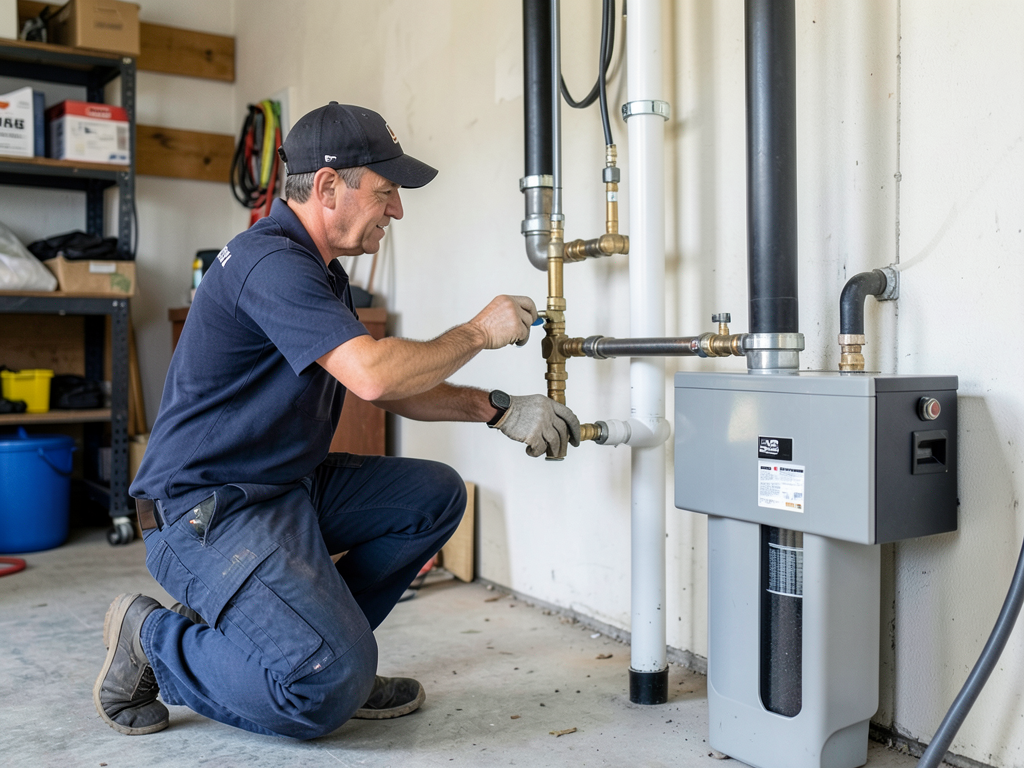
For a more permanent solution, consider a whole house filtration system. These units install where water enters your home, treating all the water you use. They typically combine sediment filters with activated carbon to remove chlorine and other chemicals.
Activated carbon works through adsorption. Chlorine molecules stick to the surface of carbon particles as water flows through. A good carbon filter can remove 90-95% of chlorine, eliminating both the smell and taste.
Whole house systems cost between $800 and $2,500 installed. They require minimal maintenance – usually just changing the carbon filter every 6-12 months. The exact replacement schedule depends on your water usage and chlorine levels.
These systems also remove sediment, pesticides, and other chemicals that might be in your water. They protect your plumbing fixtures from chlorine damage and extend the life of water heaters and appliances.
Point-of-Use Filtration Options
If you only want to treat drinking water, point-of-use systems offer a more affordable option. These include countertop pitchers, faucet-mounted filters, and under-sink systems.
Pitcher filters use activated carbon in a cartridge. You fill the pitcher and wait for water to filter through. They’re inexpensive ($20-40) but slow and have limited capacity. Cartridges need replacement every 1-2 months.
Faucet-mounted filters attach directly to your kitchen faucet. They provide filtered water on demand and are easy to install. Most remove chlorine, lead, and other contaminants. They cost $30-50 with cartridges that last 2-3 months.
Under-sink systems offer the best filtration. These connect to your cold water line and provide dedicated filtered water through a separate faucet. They use multiple stages including sediment pre-filters and carbon blocks. Systems cost $150-300 plus installation.
Reverse osmosis systems provide the highest level of filtration. They force water through a semi-permeable membrane that removes virtually all dissolved solids. These systems also include carbon filters and remineralization stages. They cost $300-600 installed but waste some water during the filtration process.
Choosing the Right System for Your Home
Your choice depends on your specific needs and budget. Consider these factors when deciding.
Water usage matters. A family of four uses about 12,000 gallons of water annually just for drinking and cooking. That’s a lot of water to filter. Whole house systems make sense if you want to treat all your water, including what you use for bathing and laundry.
Water quality varies by neighborhood. Areas with older infrastructure may have more sediment or higher chlorine levels. Liberty Plumbing can test your water and recommend the appropriate system size and type.
Maintenance requirements differ. Whole house systems need annual cartridge changes. Point-of-use systems need more frequent changes but are easier to service. Consider whether you’ll handle maintenance yourself or prefer professional service.
Space availability affects your options. Whole house systems need space near your main water line, typically in a garage or utility closet. Point-of-use systems need counter or under-sink space.
Budget considerations include both initial cost and ongoing maintenance. Calculate the total cost over five years, including replacement filters and any professional service.
Installation and Maintenance
Professional installation ensures your system works correctly and maintains any warranties. Liberty Plumbing’s licensed plumbers install all types of water filtration systems. We handle everything from simple faucet mounts to complex whole house setups. Who to Call for a 24 Hour Emergency Plumber in New Orleans.
Installation typically takes 1-4 hours depending on system complexity. Whole house systems require shutting off your water supply and cutting into your main line. Point-of-use systems usually connect to existing plumbing under your sink.
Maintenance keeps your system working effectively. Carbon filters become saturated over time and lose their ability to remove contaminants. Most systems have indicators that show when filters need replacement.
Professional maintenance includes checking for leaks, testing water quality, and ensuring all components function properly. We can set up a maintenance schedule that fits your needs and budget. Fixing Slab Leaks and Foundation Plumbing in Your Garden District Home.
Some systems benefit from periodic sanitization. This prevents bacterial growth in the filter housing and maintains water quality. We use food-grade sanitizers that won’t affect your water taste or safety.
Special Considerations for New Orleans Homes
New Orleans presents unique challenges for water filtration. Our high humidity can affect filter housings and promote mold growth if systems aren’t properly maintained. We use specialized housings and seals designed for our climate.
Many New Orleans homes have slab foundations with pipes embedded in concrete. This makes whole house system installation more complex. We use specialized tools to minimize dust and protect your home during installation.
Our water often contains higher levels of sediment due to the Mississippi River source. We recommend pre-filters to protect carbon filters and extend their life. These catch sand, silt, and other particles before they reach the main filtration stage.
Older New Orleans homes may have lead solder in pipes or lead service lines. While chlorine doesn’t increase lead levels, it’s wise to test for lead if your home was built before 1986. We can recommend systems that specifically address lead concerns.
During hurricane season, power outages can affect water treatment. Some filtration systems have battery backups or manual override options. We can help you choose a system that provides reliable protection year-round.
Environmental Impact
Water filtration has environmental considerations. Whole house systems waste no water – all the water that enters gets treated. Point-of-use systems, especially reverse osmosis, waste some water during filtration. A typical RO system wastes 3-4 gallons for every gallon of filtered water.
Filter cartridges create waste. Most are not recyclable due to the mixed materials. However, reducing bottled water consumption often offsets this impact. One person switching to filtered tap water can eliminate hundreds of plastic bottles annually.
Energy use is minimal for most systems. Carbon filters work by gravity or water pressure. Only RO systems use electricity for their pumps. The energy cost is typically less than $5 per year.. Read more about Best High Pressure Showerheads That Still Save Water for New Orleans Residents.
Some systems include water-saving features. These reduce waste during filter changes and prevent unnecessary water use. We can recommend eco-friendly options that balance performance with environmental responsibility.
Cost Comparison Over Time
Initial costs vary widely. Pitcher filters cost $20-40. Faucet mounts cost $30-50. Under-sink systems cost $150-300. Whole house systems cost $800-2,500 installed.
Annual maintenance costs also vary. Pitcher filters need $30-60 in replacement cartridges yearly. Faucet mounts need $25-40. Under-sink systems need $50-100. Whole house systems need $100-200.
Over five years, costs look like this. Pitchers: $170-340. Faucet mounts: $175-275. Under-sink: $400-900. Whole house: $1,300-3,500.
Consider your priorities. If you only want better drinking water, point-of-use systems offer the best value. If you want to protect all your plumbing and eliminate chlorine throughout your home, whole house filtration makes more sense.
Factor in potential savings from reduced bottled water purchases. A family spending $20 monthly on bottled water would save $1,200 over five years. This can offset a significant portion of filtration system costs.
Frequently Asked Questions
Is chlorine in my water dangerous?
No. Chlorine levels in New Orleans tap water are well below EPA safety limits. The amount used (typically 0.5-1.5 ppm) poses no health risks. Chlorine effectively kills harmful bacteria and viruses that could cause illness.
How long does it take for chlorine to dissipate naturally?
Chlorine begins dissipating immediately when water is exposed to air. In an open container, half the chlorine typically dissipates in 2-4 hours. Complete dissipation takes 24-48 hours depending on temperature, surface area, and initial chlorine levels.
Will a water softener remove chlorine?
Water softeners remove hardness minerals but not chlorine. They use ion exchange resin that doesn’t capture chlorine molecules. You need activated carbon filters to remove chlorine effectively.
Can I install a filtration system myself?
Simple systems like pitcher filters and faucet mounts are DIY-friendly. Whole house and under-sink systems involve cutting into plumbing lines and should be installed by licensed plumbers to ensure proper function and maintain warranties.
How do I know which system is right for me?
Water quality testing is the best starting point. Liberty Plumbing offers free testing to measure your chlorine levels and identify other contaminants. We then recommend systems matched to your specific water quality and household needs.
Get Professional Help Today
Don’t let chlorine smell ruin your water experience. Liberty Plumbing offers free water quality testing and expert recommendations for New Orleans homes. We install all types of filtration systems and provide ongoing maintenance to keep your water tasting great.
Our licensed plumbers understand New Orleans’ unique water challenges. We’ve helped hundreds of local families enjoy clean, fresh-tasting water without the swimming pool smell. Whether you need a simple faucet filter or a complete whole house system, we have the expertise to solve your water quality issues.
Call (985) 279-3332 today to schedule your free water quality test. We’ll test your water on-site and provide a detailed report with our professional recommendations. No pressure, no obligation – just honest advice from your local water quality experts.
Don’t wait another day dealing with chlorine smell. Pick up the phone and call (985) 279-3332 before the next storm hits. Your family deserves fresh, clean water every time you turn on the tap.
{
“@context”: “https://schema.org”,
“@type”: “BlogPosting”,
“headline”: “Why Your New Orleans Tap Water Sometimes Smells Like Chlorine (And What to Do About It)”,
“description”: “Learn why New Orleans tap water has a chlorine smell, what causes it, and effective solutions including filtration systems. Local water quality guide for NOLA residents.”,
“wordCount”: 2401,
“datePublished”: “2026-05-08T13:32:00.000Z”,
“dateModified”: “2026-05-08T13:32:00.000Z”,
“inLanguage”: “en-US”,
“mainEntityOfPage”: {
“@type”: “WebPage”,
“@id”: “https://libertyplumbingneworleans.com”
},
“publisher”: {
“@type”: “LocalBusiness”,
“name”: “Liberty Plumbing New Orleans”,
“url”: “https://libertyplumbingneworleans.com”
},
“author”: {
“@type”: “Organization”,
“name”: “Liberty Plumbing New Orleans”,
“url”: “https://libertyplumbingneworleans.com”
},
“image”: {
“@type”: “ImageObject”,
“url”: “https://libertyplumbingneworleans.com/wp-content/uploads/2026/03/why-your-new-orleans-tap-water-sometimes-smells-li-1.png”
}
}
{
“@context”: “https://schema.org”,
“@type”: “Plumber”,
“name”: “Liberty Plumbing New Orleans”,
“url”: “https://libertyplumbingneworleans.com”,
“address”: {
“@type”: “PostalAddress”,
“addressLocality”: “New Orleans”
},
“areaServed”: {
“@type”: “City”,
“name”: “New Orleans”
}
}
{
“@context”: “https://schema.org”,
“@type”: “FAQPage”,
“mainEntity”: [
{
“@type”: “Question”,
“name”: “Is chlorine in my water dangerous?”,
“acceptedAnswer”: {
“@type”: “Answer”,
“text”: “No. Chlorine levels in New Orleans tap water are well below EPA safety limits. The amount used (typically 0.5-1.5 ppm) poses no health risks. Chlorine effectively kills harmful bacteria and viruses that could cause illness.”
}
},
{
“@type”: “Question”,
“name”: “How long does it take for chlorine to dissipate naturally?”,
“acceptedAnswer”: {
“@type”: “Answer”,
“text”: “Chlorine begins dissipating immediately when water is exposed to air. In an open container, half the chlorine typically dissipates in 2-4 hours. Complete dissipation takes 24-48 hours depending on temperature, surface area, and initial chlorine levels.”
}
},
{
“@type”: “Question”,
“name”: “Will a water softener remove chlorine?”,
“acceptedAnswer”: {
“@type”: “Answer”,
“text”: “Water softeners remove hardness minerals but not chlorine. They use ion exchange resin that doesn’t capture chlorine molecules. You need activated carbon filters to remove chlorine effectively.”
}
},
{
“@type”: “Question”,
“name”: “Can I install a filtration system myself?”,
“acceptedAnswer”: {
“@type”: “Answer”,
“text”: “Simple systems like pitcher filters and faucet mounts are DIY-friendly. Whole house and under-sink systems involve cutting into plumbing lines and should be installed by licensed plumbers to ensure proper function and maintain warranties.”
}
},
{
“@type”: “Question”,
“name”: “How do I know which system is right for me?”,
“acceptedAnswer”: {
“@type”: “Answer”,
“text”: “Water quality testing is the best starting point. Liberty Plumbing offers free testing to measure your chlorine levels and identify other contaminants. We then recommend systems matched to your specific water quality and household needs.”
}
}
]
}
{
“@context”: “https://schema.org”,
“@type”: “BreadcrumbList”,
“itemListElement”: [
{
“@type”: “ListItem”,
“position”: 1,
“name”: “Home”,
“item”: “https://libertyplumbingneworleans.com”
},
{
“@type”: “ListItem”,
“position”: 2,
“name”: “Blog”,
“item”: “https://libertyplumbingneworleans.com/blog”
},
{
“@type”: “ListItem”,
“position”: 3,
“name”: “Why Your New Orleans Tap Water Sometimes Smells Like Chlorine (And What to Do About It)”
}
]
}
{
“@context”: “https://schema.org”,
“@type”: “Service”,
“serviceType”: “Plumbing”,
“provider”: {
“@type”: “LocalBusiness”,
“name”: “Liberty Plumbing New Orleans”,
“url”: “https://libertyplumbingneworleans.com”
},
“areaServed”: {
“@type”: “City”,
“name”: “New Orleans”
},
“description”: “Learn why New Orleans tap water has a chlorine smell, what causes it, and effective solutions including filtration systems. Local water quality guide for NOLA residents.”
}