
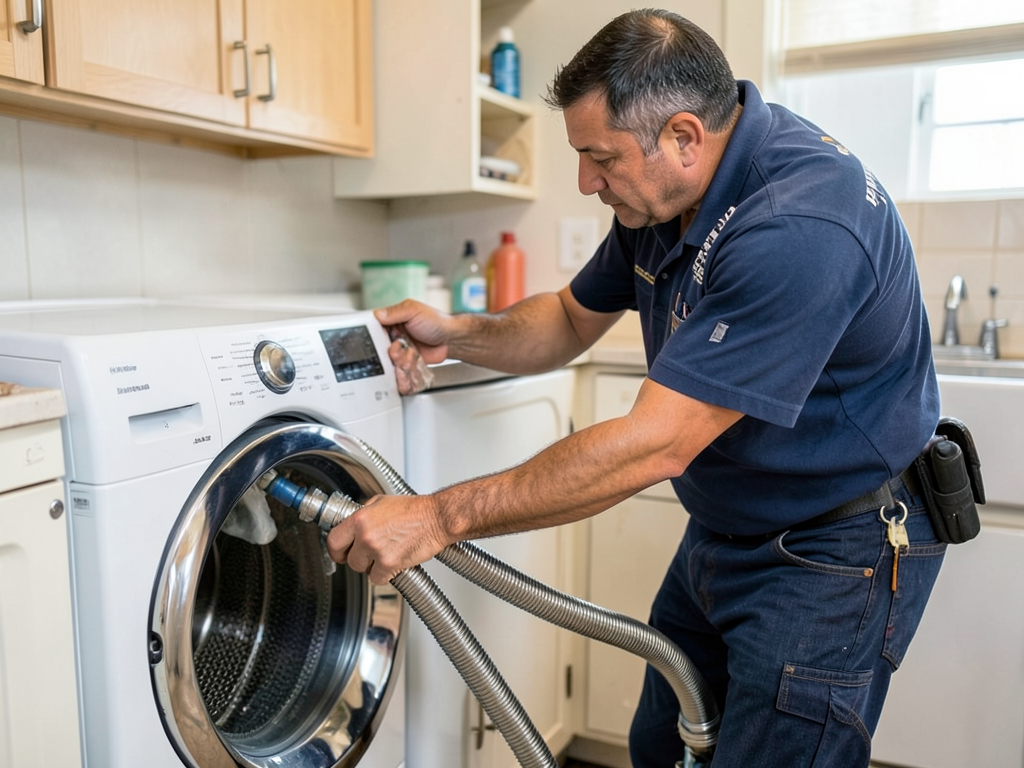
Why You Should Upgrade Your Washing Machine Hoses Before They Flood Your Algiers Home
A burst washing machine hose can release 500 gallons of water per hour into your home. In Algiers’ humid climate where mold grows within 24-48 hours, that flood becomes a health hazard before you can even turn off the water. Most rubber washing machine hoses fail within 5-7 years, but many homeowners in Algiers’ older homes still have the original hoses installed decades ago. Fast Tankless Water Heater Installation for New Orleans Residents.
The good news? Replacing those aging rubber hoses with stainless steel braided alternatives takes less than 30 minutes and costs under $50. The bad news? Most people wait until they’re standing in an inch of water before they think about it. Fast Water Heater Repair and Replacement Services for Metairie Residents.
Warning Signs Your Washing Machine Hoses Are About to Fail
Before your hose bursts, it gives you clues. Learning to recognize these warning signs can save you thousands in water damage repairs. EPA WaterSense.
Visible bulges or blisters on the hose surface indicate the rubber is separating internally. Press gently on the hose near the connection points. If it feels soft or spongy instead of firm, the rubber is deteriorating from the inside out.
Rust or corrosion around the metal fittings means water is seeping through microscopic cracks. In Algiers’ humid environment, this process accelerates. The constant moisture in the air keeps the metal fittings wet, promoting oxidation that weakens the connection points.
Water spots or mineral deposits on the floor beneath the washing machine indicate slow leaks. Even small drips can signal imminent failure. Check the floor regularly for white crusty deposits or dark water stains.
Cracks or dry rot on the hose surface mean the rubber has lost its flexibility. Aging rubber becomes brittle and develops hairline fractures that expand under water pressure. These cracks often occur near the crimped metal fittings where stress is highest.
Why Rubber Hoses Fail in New Orleans’ Climate
New Orleans’ water chemistry and climate create the perfect storm for hose degradation. The Sewerage & Water Board of New Orleans reports that local water contains higher mineral content than the national average, particularly calcium and magnesium.
These minerals deposit inside your washing machine hoses, creating scale buildup that restricts water flow and increases internal pressure. The constant pressure cycling during wash cycles causes the rubber to fatigue faster than in areas with softer water.. Read more about Replacing Those Old Rubber Washing Machine Hoses Before They Flood Your Mid-City Home.
Algiers’ proximity to the Mississippi River and Lake Pontchartrain means consistently high humidity levels. This moisture in the air keeps rubber hoses damp even when not in use, preventing them from drying completely between laundry cycles.
The temperature fluctuations in our climate also stress the rubber. While we don’t experience extreme cold, the temperature swings between summer heat and winter coolness cause the rubber to expand and contract repeatedly, weakening the molecular structure over time.
Stainless Steel Braided Hoses: The Smart Upgrade
Stainless steel braided hoses offer several advantages over traditional rubber hoses. The outer braided stainless steel jacket protects the inner rubber hose from physical damage and UV exposure.
These hoses can withstand water pressure up to 1,500 PSI, compared to rubber hoses that typically fail at 600-800 PSI. The burst strength alone makes them worth the upgrade, but they offer additional benefits specific to our area.
Many modern stainless steel braided hoses include auto-shutoff technology. These hoses contain a polymer coating that expands when it contacts water, sealing off the flow if the hose bursts. This feature can prevent catastrophic flooding even if the hose fails.
The stainless steel exterior resists mold and mildew growth better than rubber. In Algiers’ humid environment, this means cleaner laundry areas and reduced health risks from mold exposure.
Installation is straightforward, but proper technique matters. Hand-tighten the connections, then add one-quarter turn with a wrench. Over-tightening can strip the threads or crack the washing machine’s inlet ports.
Step-by-Step Hose Replacement Guide
- Turn Off Water Supply
Locate the hot and cold water shut-off valves behind your washing machine. Turn both valves clockwise until they stop. Test by trying to run a small amount of water through the machine.
- Disconnect Power
Unplug the washing machine from the electrical outlet. This prevents accidental operation during the replacement process.
- Remove Old Hoses
Place a bucket or towels beneath the connections. Use tongue-and-groove pliers to loosen the hose connections at both the wall and washing machine ends. Turn counterclockwise to remove.
- Clean Inlet Filters
Remove the small mesh filters from the washing machine’s water inlet ports. Clean them thoroughly or replace them if damaged. These filters prevent debris from entering the machine.
- Install New Hoses
Connect the new stainless steel braided hoses. Hand-tighten first, then use pliers for the final quarter turn. Ensure hot connects to hot and cold to cold.
- Test for Leaks
Turn the water supply back on slowly. Check all connections for leaks. Run a small test cycle with the machine empty to verify proper operation. Fixing Slab Leaks and Foundation Plumbing in Your Garden District Home.
Common Installation Mistakes to Avoid
Many DIY installations fail because of simple mistakes. Overtightening connections is the most common error. The rubber washer inside the hose fitting needs to compress properly, but excessive force can damage both the washer and the threads.
Another frequent mistake is cross-threading. Always align the hose threads carefully before tightening. If you feel resistance, stop and realign rather than forcing the connection.
Neglecting to replace the inlet filters is a subtle but serious error. Old filters can become clogged with sediment, reducing water flow and causing the washing machine to work harder than necessary.
Failing to check for existing water damage before installation is dangerous. If you see mold, water stains, or soft flooring around your washing machine, you may have an active leak that needs professional attention.
When to Call a Professional Plumber
While replacing washing machine hoses is a manageable DIY project, certain situations require professional expertise. If your shut-off valves are stuck or corroded, forcing them can cause a major leak.
Older homes in Algiers often have galvanized steel pipes that have fused together over decades. These connections require specialized tools and techniques to disconnect without causing damage.
If you discover water damage behind your washing machine, including mold growth or rotted flooring, you need a professional assessment. The damage may extend beyond what’s visible, requiring structural repairs.
Commercial properties and multi-unit buildings have more complex plumbing systems. The water supply lines may serve multiple units, and improper work could affect your neighbors.
Liberty Plumbing’s licensed technicians can complete the replacement in under 20 minutes while checking for other potential issues. We also offer whole-home plumbing inspections that can identify other aging components before they fail.
Cost Comparison: DIY vs Professional Installation
| Service Type | Parts Cost | Labor Cost | Total Cost | Time Required |
|---|---|---|---|---|
| DIY Basic Hoses | $15-25 | $0 | $15-25 | 30-45 minutes |
| DIY Premium Hoses | $40-60 | $0 | $40-60 | 30-45 minutes |
| Professional Basic | $15-25 | $75-125 | $90-150 | 20-30 minutes |
| Professional Premium | $40-60 | $115-185 | 20-30 minutes |
Flood Prevention Beyond Hose Replacement
Upgrading your washing machine hoses is just one part of flood prevention. Installing an automatic water shut-off valve can stop water flow if a leak is detected anywhere in your home.
Water sensors placed near your washing machine can alert you to leaks before they become floods. These battery-powered devices sound an alarm when they contact water, giving you time to respond.
Consider elevating your washing machine on a drain pan connected to a floor drain. This simple modification can contain minor leaks and prevent water from spreading across your floor. Emergency Drain Cleaning Services for Metairie Homeowners and Businesses.
Regular maintenance of your washing machine’s internal components also prevents flooding. Replace the water inlet valve assembly every 5-7 years, as these valves can stick open and cause continuous water flow.
Insurance Considerations for Algiers Homeowners
Many homeowners in Algiers don’t realize that standard homeowners insurance policies have specific requirements for washing machine-related claims. Some insurers require stainless steel braided hoses for coverage of water damage from washing machine failures.
Document your hose replacement with photos and keep receipts. If you ever need to file a claim, this documentation proves you maintained your plumbing system properly.
Consider adding water backup coverage to your policy. This endorsement covers damage from sewer backups and sump pump failures, which often accompany washing machine floods in our area’s aging infrastructure.
Liberty Plumbing can provide documentation of professional installations that may satisfy insurance requirements and potentially lower your premiums.
Local Building Code Requirements
The New Orleans Building Code requires that all washing machine connections meet specific standards. According to the International Plumbing Code adopted by the city, washing machine outlets must have a minimum 2-inch P-trap and standpipe. International Association of Plumbing and Mechanical Officials.
While the code doesn’t mandate specific hose materials, it does require that all connections be accessible for inspection and maintenance. This means you should be able to reach your washing machine’s water connections without removing walls or flooring.
Liberty Plumbing ensures all installations comply with local codes and manufacturer specifications. Our work comes with a satisfaction guarantee and meets all Jefferson Parish and New Orleans municipal requirements.
Emergency Response: What to Do If a Hose Bursts
Even with the best prevention, hoses can fail. Knowing how to respond quickly can minimize damage.
First, locate your main water shut-off valve. In most Algiers homes, this is in the front yard near the water meter. Practice turning it off before you need to use it in an emergency. Who to Call for a 24 Hour Emergency Plumber in New Orleans.
If a hose bursts while you’re home, immediately unplug the washing machine and turn off the water supply valves. If water is spraying everywhere, use the main shut-off valve instead.
Move quickly to remove items from the floor and prevent water from spreading to adjacent rooms. Use towels, blankets, or anything absorbent to contain the water.
Document the damage with photos for insurance purposes. Then call Liberty Plumbing at (985) 279-3332 for emergency service. We respond 24/7 to water damage emergencies throughout Algiers and the greater New Orleans area.
Frequently Asked Questions
How often should I replace my washing machine hoses?
Replace rubber washing machine hoses every 5 years minimum. Stainless steel braided hoses last 10-15 years but should be inspected annually for signs of wear.
Can I use any type of hose for my washing machine?
No. Always use hoses specifically designed for washing machines. These hoses are rated for the correct water pressure and have the proper fittings for your machine’s inlet ports.
What’s the difference between hot and cold water hoses?
Hot water hoses have a red stripe and are designed to withstand higher temperatures. Cold water hoses have a blue stripe. Using the wrong hose can cause premature failure.
Should I replace both hoses even if only one looks bad?
Yes. If one hose has failed due to age, the other is likely close to failure as well. Replace both at the same time to avoid doing the job twice.
Can washing machine hoses cause mold growth?
Absolutely. Even small leaks create the perfect environment for mold growth in our humid climate. Mold can start growing within 24-48 hours of water exposure.
How much does it cost to fix water damage from a burst hose?
Water damage repairs typically range from $2,000 to $10,000 depending on the extent of the damage and how quickly you respond. This includes water extraction, drying, and repairs to flooring and walls.
Protect Your Algiers Home Today
Don’t wait for a flood to think about your washing machine hoses. The $50 investment in new stainless steel braided hoses can save you thousands in potential water damage.
Liberty Plumbing offers same-day service throughout Algiers, Harvey, and the West Bank. Our licensed technicians can replace your washing machine hoses while checking for other potential plumbing issues.
Call (985) 279-3332 today to schedule your washing machine hose replacement. We’re available evenings and weekends to work around your schedule.
Don’t let an aging rubber hose turn your laundry room into an indoor swimming pool. Pick up the phone and call (985) 279-3332 before the next load of laundry becomes a disaster.
Liberty Plumbing – Serving Algiers, Harvey, Marrero, and all of the West Bank with reliable plumbing service you can trust.
{
“@context”: “https://schema.org”,
“@type”: “BlogPosting”,
“headline”: “Why You Should Upgrade Your Washing Machine Hoses Before They Flood Your Algiers Home”,
“description”: “Don’t wait for a flood. Learn why rubber washing machine hoses fail in Algiers’ humid climate and how stainless steel braided hoses can save your home from water damage.”,
“wordCount”: 2069,
“datePublished”: “2026-05-21T11:28:00.000Z”,
“dateModified”: “2026-05-21T11:28:00.000Z”,
“inLanguage”: “en-US”,
“mainEntityOfPage”: {
“@type”: “WebPage”,
“@id”: “https://libertyplumbingneworleans.com”
},
“publisher”: {
“@type”: “LocalBusiness”,
“name”: “Liberty Plumbing New Orleans”,
“url”: “https://libertyplumbingneworleans.com”
},
“author”: {
“@type”: “Organization”,
“name”: “Liberty Plumbing New Orleans”,
“url”: “https://libertyplumbingneworleans.com”
},
“image”: {
“@type”: “ImageObject”,
“url”: “https://libertyplumbingneworleans.com/wp-content/uploads/2026/03/why-you-should-upgrade-your-washing-machine-hoses-1.png”
}
}
{
“@context”: “https://schema.org”,
“@type”: “Plumber”,
“name”: “Liberty Plumbing New Orleans”,
“url”: “https://libertyplumbingneworleans.com”,
“address”: {
“@type”: “PostalAddress”,
“addressLocality”: “New Orleans”
},
“areaServed”: {
“@type”: “City”,
“name”: “New Orleans”
}
}
{
“@context”: “https://schema.org”,
“@type”: “FAQPage”,
“mainEntity”: [
{
“@type”: “Question”,
“name”: “How often should I replace my washing machine hoses?”,
“acceptedAnswer”: {
“@type”: “Answer”,
“text”: “Replace rubber washing machine hoses every 5 years minimum. Stainless steel braided hoses last 10-15 years but should be inspected annually for signs of wear.”
}
},
{
“@type”: “Question”,
“name”: “Can I use any type of hose for my washing machine?”,
“acceptedAnswer”: {
“@type”: “Answer”,
“text”: “No. Always use hoses specifically designed for washing machines. These hoses are rated for the correct water pressure and have the proper fittings for your machine’s inlet ports.”
}
},
{
“@type”: “Question”,
“name”: “What’s the difference between hot and cold water hoses?”,
“acceptedAnswer”: {
“@type”: “Answer”,
“text”: “Hot water hoses have a red stripe and are designed to withstand higher temperatures. Cold water hoses have a blue stripe. Using the wrong hose can cause premature failure.”
}
},
{
“@type”: “Question”,
“name”: “Should I replace both hoses even if only one looks bad?”,
“acceptedAnswer”: {
“@type”: “Answer”,
“text”: “Yes. If one hose has failed due to age, the other is likely close to failure as well. Replace both at the same time to avoid doing the job twice.”
}
},
{
“@type”: “Question”,
“name”: “Can washing machine hoses cause mold growth?”,
“acceptedAnswer”: {
“@type”: “Answer”,
“text”: “Absolutely. Even small leaks create the perfect environment for mold growth in our humid climate. Mold can start growing within 24-48 hours of water exposure.”
}
},
{
“@type”: “Question”,
“name”: “How much does it cost to fix water damage from a burst hose?”,
“acceptedAnswer”: {
“@type”: “Answer”,
“text”: “Water damage repairs typically range from $2,000 to $10,000 depending on the extent of the damage and how quickly you respond. This includes water extraction, drying, and repairs to flooring and walls.”
}
}
]
}
{
“@context”: “https://schema.org”,
“@type”: “HowTo”,
“name”: “How to Replace Washing Machine Hoses”,
“step”: [
{
“@type”: “HowToStep”,
“position”: 1,
“name”: “Turn Off Water Supply”,
“text”: “Locate the hot and cold water shut-off valves behind your washing machine. Turn both valves clockwise until they stop. Test by trying to run a small amount of water through the machine.”
},
{
“@type”: “HowToStep”,
“position”: 2,
“name”: “Disconnect Power”,
“text”: “Unplug the washing machine from the electrical outlet. This prevents accidental operation during the replacement process.”
},
{
“@type”: “HowToStep”,
“position”: 3,
“name”: “Remove Old Hoses”,
“text”: “Place a bucket or towels beneath the connections. Use tongue-and-groove pliers to loosen the hose connections at both the wall and washing machine ends. Turn counterclockwise to remove.”
},
{
“@type”: “HowToStep”,
“position”: 4,
“name”: “Clean Inlet Filters”,
“text”: “Remove the small mesh filters from the washing machine’s water inlet ports. Clean them thoroughly or replace them if damaged. These filters prevent debris from entering the machine.”
},
{
“@type”: “HowToStep”,
“position”: 5,
“name”: “Install New Hoses”,
“text”: “Connect the new stainless steel braided hoses. Hand-tighten first, then use pliers for the final quarter turn. Ensure hot connects to hot and cold to cold.”
},
{
“@type”: “HowToStep”,
“position”: 6,
“name”: “Test for Leaks”,
“text”: “Turn the water supply back on slowly. Check all connections for leaks. Run a small test cycle with the machine empty to verify proper operation. Fixing Slab Leaks and Foundation Plumbing in Your Garden District Home.”
}
],
“image”: “https://libertyplumbingneworleans.com/wp-content/uploads/2026/03/why-you-should-upgrade-your-washing-machine-hoses-1.png”
}
{
“@context”: “https://schema.org”,
“@type”: “BreadcrumbList”,
“itemListElement”: [
{
“@type”: “ListItem”,
“position”: 1,
“name”: “Home”,
“item”: “https://libertyplumbingneworleans.com”
},
{
“@type”: “ListItem”,
“position”: 2,
“name”: “Blog”,
“item”: “https://libertyplumbingneworleans.com/blog”
},
{
“@type”: “ListItem”,
“position”: 3,
“name”: “Why You Should Upgrade Your Washing Machine Hoses Before They Flood Your Algiers Home”
}
]
}
{
“@context”: “https://schema.org”,
“@type”: “Service”,
“serviceType”: “Plumbing”,
“provider”: {
“@type”: “LocalBusiness”,
“name”: “Liberty Plumbing New Orleans”,
“url”: “https://libertyplumbingneworleans.com”
},
“areaServed”: {
“@type”: “City”,
“name”: “New Orleans”
},
“description”: “Don’t wait for a flood. Learn why rubber washing machine hoses fail in Algiers’ humid climate and how stainless steel braided hoses can save your home from water damage.”
}