
Why You Should Install a Smart Leak Detector in Your CBD Vacation Rental
Vacation rentals in New Orleans’ Central Business District face unique water damage risks from aging infrastructure and unpredictable guest behavior. Smart leak detectors provide 24/7 monitoring and automatic shut-off capabilities that can save thousands in potential damages while giving you peace of mind when you’re miles away from your property. Fast Tankless Water Heater Installation for New Orleans Residents.
Water damage ranks as the second most common insurance claim for rental properties nationwide. In the CBD’s historic buildings with aging plumbing systems, a single undetected leak can cause catastrophic damage to hardwood floors, plaster walls, and valuable furnishings. Smart leak detectors detect moisture changes within seconds and can automatically shut off your main water supply before gallons of water flood your property. Fast Water Heater Repair and Replacement Services for Metairie Residents.
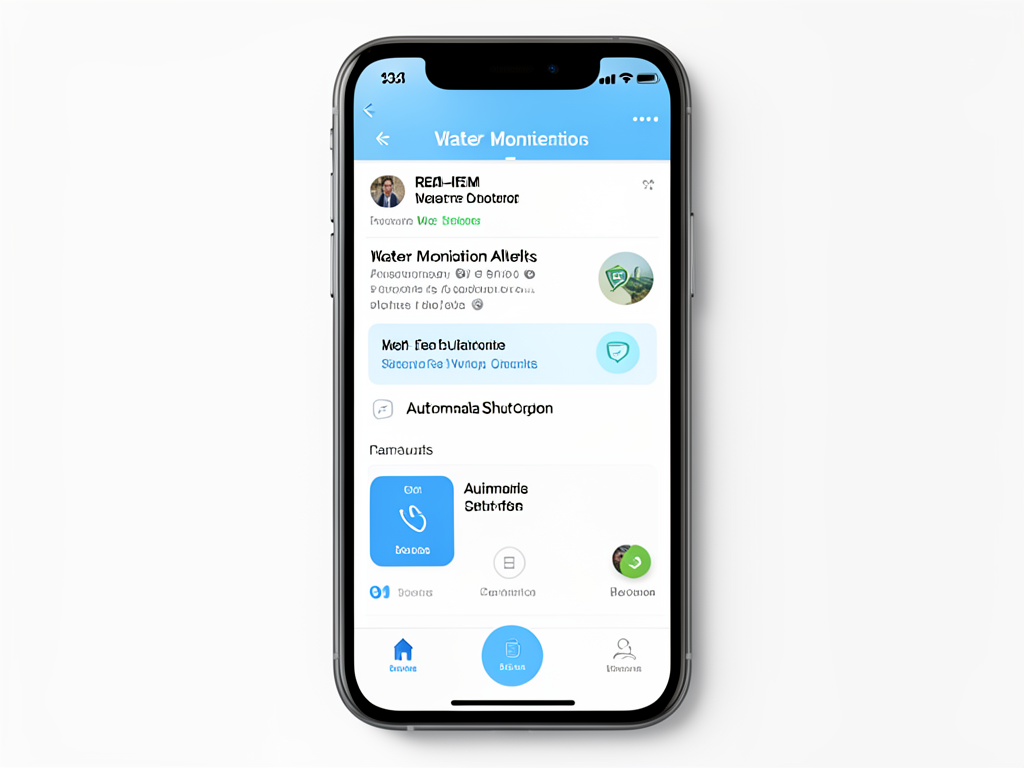
Modern smart leak detection systems integrate with your smartphone through dedicated apps, sending instant alerts when moisture is detected. These systems monitor water flow patterns, detect unusual usage, and can identify potential problems before they become disasters. For CBD property owners managing multiple units or dealing with high guest turnover, this technology provides an essential layer of protection that traditional plumbing maintenance simply cannot match. Plumbing Slidell.
The investment in smart leak detection technology typically pays for itself within the first prevented incident. Insurance companies increasingly recognize these devices as risk mitigation tools, with many offering premium discounts of 5-13% for properties equipped with certified smart water monitoring systems. Additionally, the ability to respond to water issues within minutes rather than hours or days can mean the difference between a minor repair and a major renovation project. EPA WaterSense program.
Understanding Smart Leak Detection Technology
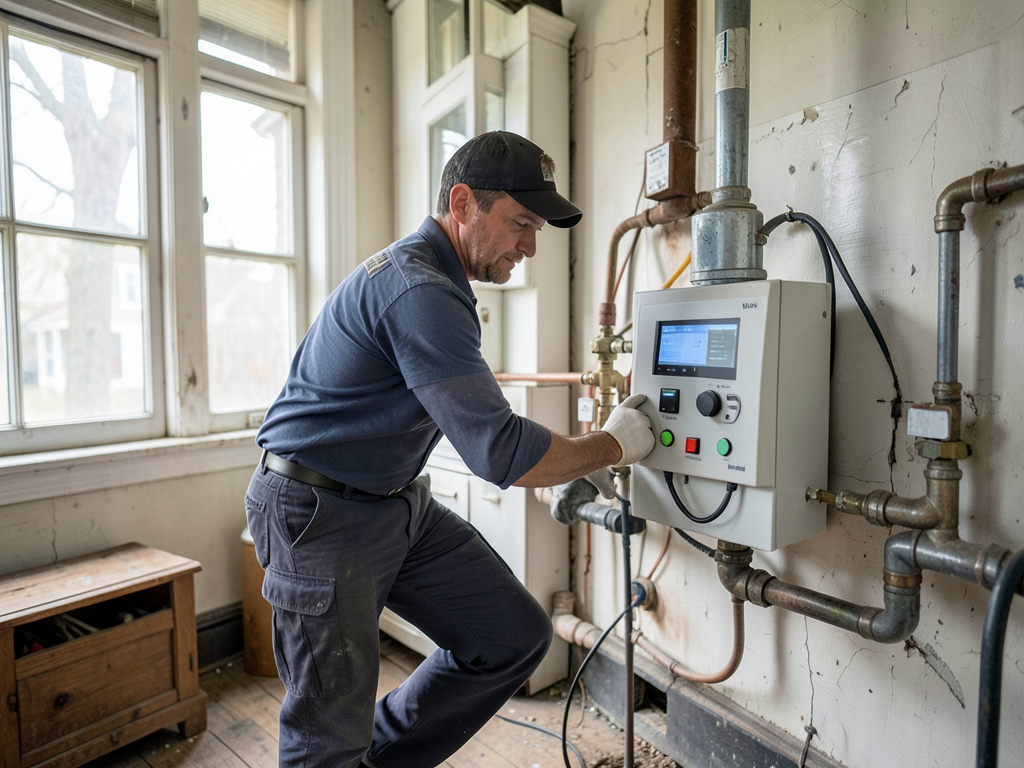
Smart leak detectors combine multiple sensing technologies to provide comprehensive water protection. Most systems include moisture sensors placed at strategic locations, flow meters that monitor water usage patterns, and automatic shut-off valves that can stop water flow within seconds of detecting a problem. These components work together through WiFi connectivity to provide real-time monitoring and control from anywhere in the world.. Read more about Why Your New Orleans Water Bill Is Skyrocketing (And What to Check First).
The core technology relies on several detection methods. Moisture sensors use conductive plates that complete an electrical circuit when water is present. Flow meters track water movement through pipes, identifying abnormal patterns that might indicate a leak. Temperature sensors can detect freezing conditions that could cause pipes to burst. Some advanced systems also include pressure monitoring to identify drops that might indicate underground leaks or supply line failures. Fixing Slab Leaks and Foundation Plumbing in Your Garden District Home.
Installation typically involves placing battery-powered sensors near water heaters, under sinks, behind toilets, and in laundry areas. The main control unit connects to your home’s WiFi network and communicates with all sensors. When a sensor detects moisture or abnormal flow, it triggers an alert to your smartphone and can automatically shut off the main water supply if you have an automatic shut-off valve installed. This entire process happens in seconds, providing protection even when you’re asleep or away from the property.
Modern systems offer integration with popular smart home platforms like Amazon Alexa, Google Home, and Apple HomeKit. This allows you to incorporate leak detection into broader home automation routines. For example, you could set up a routine that turns off all water-using appliances if a leak is detected, or that notifies your property management company automatically when an alert occurs.
Benefits for CBD Vacation Rental Owners
CBD vacation rentals face specific challenges that make smart leak detection particularly valuable. The area’s historic buildings often have aging plumbing infrastructure dating back decades or even a century. Galvanized steel pipes corrode from the inside out, creating weak points that can fail without warning. The high water table in New Orleans means that slab leaks can cause foundation damage more quickly than in other regions.
Guest behavior presents another significant risk factor. Vacation renters may not notice minor leaks or may not know how to shut off water in an emergency. They might overload washing machines, leave faucets running, or cause toilet overflows that go undetected for hours. Smart leak detectors provide continuous monitoring that doesn’t rely on human awareness or intervention. Who to Call for a 24 Hour Emergency Plumber in New Orleans.
The financial benefits extend beyond preventing water damage. Many insurance companies offer premium discounts for properties with certified smart leak detection systems. These discounts typically range from 5% to 13% of your annual premium, which can offset the cost of the system within 2-3 years. Some insurers also offer deductible reductions, potentially saving you thousands in out-of-pocket expenses if a claim does occur.
Property management becomes significantly easier with smart leak detection. Instead of relying on guest reports or periodic inspections, you receive instant notifications of any water issues. This allows you to dispatch maintenance personnel quickly, often before significant damage occurs. The ability to remotely shut off water supply means you can prevent flooding even when you’re out of town or during off-hours when plumbers might charge premium rates.
Guest satisfaction also improves when you can respond quickly to maintenance issues. A small leak that’s addressed within minutes causes minimal disruption, while the same leak left undetected for hours can force guests to relocate and leave negative reviews. Smart leak detection helps maintain your property’s reputation and occupancy rates.
Installation Process and Requirements
Professional installation of smart leak detection systems involves several key steps. First, a licensed plumber evaluates your property’s plumbing layout and identifies critical monitoring points. This assessment considers factors like pipe material, water pressure, and the location of water-using appliances. The plumber then designs a system layout that provides comprehensive coverage while minimizing false alarms.
Installation typically begins with mounting the main control unit in a central location with good WiFi connectivity. The plumber then installs sensors at designated monitoring points, which may involve accessing areas behind appliances or under cabinets. For systems with automatic shut-off valves, the plumber installs a motorized ball valve on the main water supply line, which requires shutting off water to the property temporarily.
WiFi configuration represents a critical step in the installation process. Smart leak detectors require reliable internet connectivity to function properly. In historic CBD buildings with thick plaster walls or metal lath, WiFi signals may need to be boosted or extended to ensure all sensors maintain consistent connectivity. Some installations require additional networking equipment to create a mesh network that covers the entire property.
System testing follows installation to verify proper operation. This includes simulating leak conditions to ensure sensors trigger correctly, testing automatic shut-off valve operation, and confirming that alerts are received on the designated smartphones or tablets. The plumber also calibrates the system to account for normal water usage patterns specific to your property, reducing the likelihood of false alarms.
Permitting requirements vary by jurisdiction. In New Orleans, installing automatic shut-off valves typically requires a plumbing permit from the city. The installation must comply with Louisiana State Plumbing Board regulations and local building codes. A licensed master plumber should handle all aspects of the installation to ensure compliance and maintain warranty coverage on both the plumbing work and the smart device components.
Top Smart Leak Detector Brands and Features
Several manufacturers dominate the smart leak detector market, each offering unique features and capabilities. Flo by Moen leads in comprehensive whole-home protection with its combination of flow monitoring, pressure sensing, and automatic shut-off capabilities. The system installs directly on your main water line and can detect leaks as small as one drop per minute.
Phyn Plus offers similar whole-home protection with additional features like water usage analytics and freeze detection. The system uses advanced algorithms to distinguish between normal water usage and potential leaks, reducing false alarms. Phyn’s machine learning capabilities improve over time as it learns your property’s typical water patterns.
StreamLabs Control provides a more budget-friendly option while still offering automatic shut-off and leak detection. The system uses ultrasonic technology to monitor water flow without requiring cutting into pipes, making installation faster and less invasive. However, it may not detect as small a leak as some competing systems.
Eve Water Guard specializes in point-of-use detection with wireless sensors that can be placed anywhere in your property. While it lacks automatic shut-off capabilities, it offers excellent coverage for specific high-risk areas like under sinks or near water heaters. The system integrates seamlessly with Apple HomeKit for users in the Apple ecosystem.
Wally Home takes a different approach with sensors that monitor both moisture and temperature, making it particularly useful for detecting freezing conditions that could cause pipe bursts. The system also monitors humidity levels, which can help prevent mold growth in New Orleans’ humid climate.
When selecting a system, consider factors like your property’s size, the age of your plumbing, your budget, and your technical comfort level. Whole-home systems with automatic shut-off provide the most comprehensive protection but require professional installation and typically cost more. Point-of-use systems offer more flexibility in placement but may leave gaps in coverage if not strategically positioned.
Cost Analysis and Return on Investment
The cost of smart leak detection systems varies significantly based on features and coverage area. Basic point-of-use systems with a few sensors typically range from $150 to $300. Whole-home systems with automatic shut-off valves generally cost between $500 and $1,500 for equipment, plus $200 to $500 for professional installation.
Additional costs may include WiFi extenders or mesh networking equipment if your property has connectivity challenges. Battery replacement for wireless sensors occurs every 2-3 years and costs approximately $20 to $50 per sensor. Some systems require monthly monitoring fees of $5 to $15 for advanced features or professional monitoring services.
The return on investment calculation must consider both prevented losses and ongoing benefits. A single prevented water damage incident can save $5,000 to $25,000 in repair costs, depending on the extent of damage and response time. Insurance premium discounts of 5-13% can save $50 to $200 annually on a typical vacation rental policy.
Additional financial benefits include reduced maintenance costs from early leak detection, preserved property value by preventing water damage, and avoided business interruption during repairs. The system also provides marketing value, as many travelers specifically look for properties with modern safety features and reliable maintenance.
Consider the system’s lifespan when calculating ROI. Quality smart leak detectors typically last 5-10 years, with some components like automatic shut-off valves lasting even longer. Over this period, the cumulative savings from prevented damage and insurance discounts often exceed the initial investment by a factor of 3-5 times.
For CBD vacation rentals generating $2,000 to $5,000 monthly in rental income, the relatively small investment in leak detection technology represents a fraction of one month’s revenue while providing protection for the entire year. This makes smart leak detection one of the highest-ROI safety investments available for vacation rental owners.
Insurance Benefits and Documentation
Insurance companies increasingly recognize smart leak detection systems as effective risk mitigation tools. Many major insurers offer premium discounts for properties equipped with certified water monitoring devices. These discounts typically range from 5% to 13% of your annual premium, with some companies offering even higher rates for properties in high-risk areas or with extensive smart home protection.
To qualify for insurance discounts, your system must meet certain criteria. Most insurers require certification from organizations like the Property Casualty Insurers Association of America (PCIAA) or similar industry bodies. The system must include automatic shut-off capabilities and provide real-time alerts to designated parties. Some insurers also require professional installation by a licensed plumber.
Documentation requirements for insurance purposes typically include proof of installation, system specifications, and confirmation of professional installation. Your plumber should provide a certificate of compliance showing that the installation meets local building codes and manufacturer specifications. Some insurance companies also require ongoing monitoring service agreements to maintain discount eligibility.
Beyond premium discounts, smart leak detection can affect your insurance coverage in other ways. Some insurers offer deductible reductions of $500 to $1,000 for properties with certified water monitoring systems. This means that if a claim does occur, you’ll pay less out-of-pocket before insurance coverage begins.
Insurance claims processing also becomes more efficient with smart leak detection. When a leak occurs, the system provides detailed data about when the leak started, how much water was released, and whether automatic shut-off activated. This information helps insurers process claims more quickly and accurately, potentially reducing the time your property sits vacant during repairs.
Some insurance companies now offer bundled discounts when you combine smart leak detection with other home protection technologies like smart smoke detectors, security systems, and freeze sensors. These comprehensive protection packages can provide total discounts of 15-25% on your annual premium.
When shopping for insurance, specifically ask about water leak detection discounts and requirements. Some newer insurance products are specifically designed for vacation rentals and may offer enhanced benefits for smart home protection. Also inquire about claims history requirements, as properties with smart leak detection may be viewed more favorably during underwriting.
Maintenance and Troubleshooting
Smart leak detection systems require minimal maintenance but regular attention to ensure optimal performance. Battery replacement represents the most frequent maintenance task, with wireless sensors typically requiring new batteries every 2-3 years. Most systems provide low-battery alerts through the mobile app, allowing you to replace batteries before they fail completely.
WiFi connectivity requires periodic attention, especially in historic buildings where signal strength can fluctuate. If sensors begin reporting offline status, check your router placement and consider adding WiFi extenders or a mesh network system. Some systems offer cellular backup options that maintain monitoring capability during internet outages, though these typically require monthly service fees.
System calibration may be necessary if you experience frequent false alarms. This process involves adjusting sensitivity settings and establishing baseline water usage patterns. Your plumber can help with calibration, or many systems offer guided calibration through their mobile apps. False alarms often result from appliances with variable water usage or from multiple properties sharing a single water meter.
Automatic shut-off valves require occasional testing to ensure they operate correctly. Most manufacturers recommend testing the valve every 6-12 months by manually triggering a shut-off through the app, then restoring water flow. This prevents mineral buildup or mechanical issues from preventing proper operation when needed.
Software updates provide important security and functionality improvements. Enable automatic updates when available, or check for updates monthly through your system’s app or web portal. Updates may include new features, improved leak detection algorithms, or security patches that protect against potential hacking attempts.
If your system malfunctions, start with basic troubleshooting steps. Check power connections, verify WiFi connectivity, and ensure sensors are properly positioned. Many systems include diagnostic tools that can identify specific issues. If problems persist, contact your installation company or the manufacturer’s technical support line.
Professional maintenance contracts are available from many installation companies. These typically include annual system checks, software updates, battery replacement, and priority service if issues arise. While not required, these contracts can provide peace of mind and ensure your system remains in optimal condition.
Local Regulations and Compliance
Smart leak detection systems in New Orleans must comply with Louisiana State Plumbing Board regulations and local building codes. Automatic shut-off valves require installation by a licensed master plumber and typically need permits from the city’s Safety and Permits department. The installation must meet requirements for cross-connection control and backflow prevention.
The New Orleans Sewerage and Water Board (S&WB) has specific requirements for plumbing modifications in the city. While smart leak detectors don’t directly connect to the municipal water system, any work that involves cutting into supply lines or modifying existing plumbing must comply with S&WB standards. These standards ensure that modifications don’t create contamination risks or interfere with water pressure in the broader system.
Historic district considerations apply to many CBD properties. If your building falls within a historic district, modifications may require additional approval from the Historic District Landmarks Commission (HDLC). While smart leak detectors are generally considered minimal-impact improvements, the installation of visible components or modifications to historic plumbing fixtures may require HDLC review.
Insurance companies often have their own requirements for smart leak detection systems to qualify for discounts. These may exceed local building code requirements and typically include specific certification standards, installation protocols, and monitoring capabilities. Always verify that your chosen system and installation approach will meet both insurance and regulatory requirements.
Louisiana law requires that all plumbing work be performed by licensed professionals. This includes the installation of smart leak detection systems that involve cutting into existing plumbing or installing automatic shut-off valves. Working with unlicensed individuals or attempting DIY installation can void warranties, create liability issues, and potentially result in fines or required corrections.
Documentation of compliance is important for insurance purposes and potential future property sales. Keep records of permits, professional installation certificates, and any inspections or approvals. Some insurance companies require this documentation to maintain premium discounts, and it provides valuable proof of proper installation for future property owners.
Frequently Asked Questions
How long does smart leak detector installation take?
Most professional installations take 2-4 hours for basic systems and 4-8 hours for whole-home systems with automatic shut-off valves. The timeline depends on your property’s size, plumbing complexity, and whether WiFi modifications are needed.
Can I install a smart leak detector myself?
While basic battery-powered sensors can be self-installed, systems with automatic shut-off valves require professional installation by a licensed plumber. DIY installation of these components can void warranties, create liability issues, and potentially violate local building codes.
Will smart leak detectors work during power outages?
Most systems include battery backup for sensors and control units, allowing continued monitoring during short outages. However, WiFi connectivity requires power, so you may lose remote monitoring capability unless you have a backup power supply for your internet equipment.
How accurate are smart leak detectors?
Quality systems can detect leaks as small as one drop per minute and distinguish between normal water usage and actual leaks. False alarm rates vary by system but typically range from 1-5% with proper calibration and installation.
Do smart leak detectors work with well water?
Yes, most smart leak detectors work with well water systems. However, you may need additional components to monitor well pump operation and pressure tank status. Some systems offer specialized features for well water applications.
What happens if I forget my phone or lose internet connectivity?
Most systems can notify multiple people through the app, so family members or property managers can also receive alerts. Some systems offer cellular backup or can send alerts via text message as alternative notification methods.
Are smart leak detectors worth it for vacation rentals?
Absolutely. Vacation rentals face higher water damage risks due to guest turnover and lack of owner oversight. The potential savings from prevented damage and insurance discounts typically exceed the system cost within 1-2 years.
Can smart leak detectors detect frozen pipes?
Many advanced systems include temperature sensors that can detect freezing conditions and alert you before pipes burst. Some systems can also monitor pipe temperature directly in areas prone to freezing.
How do I choose between different smart leak detector brands?
Consider factors like your property size, plumbing age, budget, and technical comfort level. Whole-home systems with automatic shut-off provide the most protection but cost more. Point-of-use systems offer flexibility but may leave coverage gaps.
What maintenance do smart leak detectors require?
Primary maintenance includes battery replacement every 2-3 years, occasional WiFi troubleshooting, and annual system testing. Some systems may require software updates and periodic calibration to maintain optimal performance.
Will smart leak detectors affect my water pressure?
Quality systems are designed to have minimal impact on water pressure. Automatic shut-off valves typically cause less than 5% pressure drop when fully open. Professional installation ensures proper sizing and minimizes any pressure effects.
Can smart leak detectors integrate with my existing smart home system?
Most modern systems offer integration with popular platforms like Amazon Alexa, Google Home, and Apple HomeKit. Some also integrate with property management software and security systems for comprehensive home protection.
What’s the warranty on smart leak detection systems?
Warranty periods vary by manufacturer but typically range from 1-5 years for the main control unit and 1-2 years for sensors. Professional installation may extend warranty coverage or provide additional labor guarantees.
How do I know if my insurance company offers discounts for smart leak detectors?
Contact your insurance provider directly and ask about water leak detection discounts. Be specific about the system you’re considering and ask about certification requirements, installation standards, and documentation needed to qualify for discounts.
What should I do if my smart leak detector goes off?
First, check the app for details about the alert. If it indicates an actual leak, use the app to shut off water if you have automatic shut-off capability. Then assess the situation and contact a plumber if needed. Many systems provide guidance through the app during alerts.
Can smart leak detectors prevent all water damage?
While smart leak detectors significantly reduce water damage risk, they can’t prevent all incidents. They may not detect very slow leaks, and some failure modes can occur faster than the system can respond. However, they provide the best available protection against most common water damage scenarios.
How do smart leak detectors handle hard water?
Most systems work fine with hard water, though mineral buildup can eventually affect some components. Systems with flow monitoring are particularly useful in hard water areas as they can detect changes in flow patterns that might indicate scale buildup or pipe issues.
What’s the difference between moisture sensors and flow sensors?
Moisture sensors detect water where it shouldn’t be, like on floors or in cabinets. Flow sensors monitor water movement through pipes and can detect abnormal patterns indicating leaks. Many comprehensive systems use both technologies for maximum protection.
Can smart leak detectors help with water conservation?
Yes, many systems provide detailed water usage analytics that can help identify waste and promote conservation. Some can also detect running toilets or other inefficient fixtures that waste significant amounts of water over time.
Getting Started with Smart Leak Protection
Protecting your CBD vacation rental with smart leak detection technology starts with a professional assessment of your property’s specific needs. A licensed plumber can evaluate your plumbing system, identify high-risk areas, and recommend the most appropriate protection strategy for your situation and budget.
The assessment process typically includes examining your property’s plumbing age and condition, identifying critical monitoring points, and evaluating your WiFi coverage for system connectivity. The plumber will also discuss your specific concerns, such as previous water damage incidents, guest turnover patterns, or insurance requirements.
Based on the assessment, you’ll receive recommendations for system configuration, including the number and placement of sensors, whether automatic shut-off is appropriate, and any necessary WiFi modifications. The plumber can also provide information about installation timelines, permitting requirements, and expected costs for your specific situation.
Professional installation ensures that your system meets all local code requirements and manufacturer specifications. The installation company should provide comprehensive documentation, including warranty information, user manuals, and proof of compliance for insurance purposes. They should also offer training on system operation and mobile app usage.
After installation, take time to familiarize yourself with the system’s features and notification settings. Customize alert preferences for your property’s specific needs, set up notifications for multiple people if appropriate, and test the system to ensure you’re comfortable with its operation.
Consider adding smart leak detection to your regular property maintenance schedule. Include system checks during routine inspections, update software when prompted, and replace batteries according to manufacturer recommendations. These simple steps ensure your system remains ready to protect your investment when needed most.
The peace of mind that comes with smart leak protection is invaluable for vacation rental owners. Knowing that your property is monitored 24/7, that you’ll receive instant alerts of any issues, and that automatic shut-off can prevent catastrophic damage provides confidence whether you’re across town or across the country.
Don’t wait for a water disaster to highlight your property’s vulnerabilities. Smart leak detection technology has matured significantly in recent years, becoming more reliable, affordable, and feature-rich. The investment required is minimal compared to the potential losses from undetected water damage, making it a smart choice for any CBD vacation rental owner serious about protecting their investment.
Call (985) 279-3332 today to schedule your smart leak detector installation and take the first step toward comprehensive water damage protection for your CBD vacation rental. Our licensed plumbers have extensive experience with New Orleans’ unique plumbing challenges and can recommend the perfect system for your specific property needs.
Pick up the phone and call (985) 279-3332 before the next storm hits or the next guest checks in. The cost of prevention is always less than the cost of recovery, and with smart leak detection, you’re not just preventing damage – you’re investing in the long-term success and profitability of your vacation rental business. For more information, visit IICRC water damage standards.
{
“@context”: “https://schema.org”,
“@type”: “BlogPosting”,
“headline”: “Why You Should Install a Smart Leak Detector in Your CBD Vacation Rental”,
“description”: “Protect your CBD vacation rental from costly water damage with smart leak detectors. Learn about installation, insurance benefits, and local New Orleans requirements.”,
“wordCount”: 4165,
“datePublished”: “2026-04-06T10:24:00.000Z”,
“dateModified”: “2026-04-06T10:24:00.000Z”,
“inLanguage”: “en-US”,
“mainEntityOfPage”: {
“@type”: “WebPage”,
“@id”: “https://libertyplumbingneworleans.com”
},
“publisher”: {
“@type”: “LocalBusiness”,
“name”: “Liberty Plumbing New Orleans”,
“url”: “https://libertyplumbingneworleans.com”
},
“author”: {
“@type”: “Organization”,
“name”: “Liberty Plumbing New Orleans”,
“url”: “https://libertyplumbingneworleans.com”
},
“image”: {
“@type”: “ImageObject”,
“url”: “https://libertyplumbingneworleans.com/wp-content/uploads/2026/03/why-you-should-install-a-smart-leak-detector-in-yo-1.png”
}
}
{
“@context”: “https://schema.org”,
“@type”: “Plumber”,
“name”: “Liberty Plumbing New Orleans”,
“url”: “https://libertyplumbingneworleans.com”,
“address”: {
“@type”: “PostalAddress”,
“addressLocality”: “New Orleans”
},
“areaServed”: {
“@type”: “City”,
“name”: “New Orleans”
}
}
{
“@context”: “https://schema.org”,
“@type”: “FAQPage”,
“mainEntity”: [
{
“@type”: “Question”,
“name”: “How long does smart leak detector installation take?”,
“acceptedAnswer”: {
“@type”: “Answer”,
“text”: “Most professional installations take 2-4 hours for basic systems and 4-8 hours for whole-home systems with automatic shut-off valves. The timeline depends on your property’s size, plumbing complexity, and whether WiFi modifications are needed.”
}
},
{
“@type”: “Question”,
“name”: “Can I install a smart leak detector myself?”,
“acceptedAnswer”: {
“@type”: “Answer”,
“text”: “While basic battery-powered sensors can be self-installed, systems with automatic shut-off valves require professional installation by a licensed plumber. DIY installation of these components can void warranties, create liability issues, and potentially violate local building codes.”
}
},
{
“@type”: “Question”,
“name”: “Will smart leak detectors work during power outages?”,
“acceptedAnswer”: {
“@type”: “Answer”,
“text”: “Most systems include battery backup for sensors and control units, allowing continued monitoring during short outages. However, WiFi connectivity requires power, so you may lose remote monitoring capability unless you have a backup power supply for your internet equipment.”
}
},
{
“@type”: “Question”,
“name”: “How accurate are smart leak detectors?”,
“acceptedAnswer”: {
“@type”: “Answer”,
“text”: “Quality systems can detect leaks as small as one drop per minute and distinguish between normal water usage and actual leaks. False alarm rates vary by system but typically range from 1-5% with proper calibration and installation.”
}
},
{
“@type”: “Question”,
“name”: “Do smart leak detectors work with well water?”,
“acceptedAnswer”: {
“@type”: “Answer”,
“text”: “Yes, most smart leak detectors work with well water systems. However, you may need additional components to monitor well pump operation and pressure tank status. Some systems offer specialized features for well water applications.”
}
},
{
“@type”: “Question”,
“name”: “What happens if I forget my phone or lose internet connectivity?”,
“acceptedAnswer”: {
“@type”: “Answer”,
“text”: “Most systems can notify multiple people through the app, so family members or property managers can also receive alerts. Some systems offer cellular backup or can send alerts via text message as alternative notification methods.”
}
},
{
“@type”: “Question”,
“name”: “Are smart leak detectors worth it for vacation rentals?”,
“acceptedAnswer”: {
“@type”: “Answer”,
“text”: “Absolutely. Vacation rentals face higher water damage risks due to guest turnover and lack of owner oversight. The potential savings from prevented damage and insurance discounts typically exceed the system cost within 1-2 years.”
}
},
{
“@type”: “Question”,
“name”: “Can smart leak detectors detect frozen pipes?”,
“acceptedAnswer”: {
“@type”: “Answer”,
“text”: “Many advanced systems include temperature sensors that can detect freezing conditions and alert you before pipes burst. Some systems can also monitor pipe temperature directly in areas prone to freezing.”
}
},
{
“@type”: “Question”,
“name”: “How do I choose between different smart leak detector brands?”,
“acceptedAnswer”: {
“@type”: “Answer”,
“text”: “Consider factors like your property size, plumbing age, budget, and technical comfort level. Whole-home systems with automatic shut-off provide the most protection but cost more. Point-of-use systems offer flexibility but may leave coverage gaps.”
}
},
{
“@type”: “Question”,
“name”: “What maintenance do smart leak detectors require?”,
“acceptedAnswer”: {
“@type”: “Answer”,
“text”: “Primary maintenance includes battery replacement every 2-3 years, occasional WiFi troubleshooting, and annual system testing. Some systems may require software updates and periodic calibration to maintain optimal performance.”
}
},
{
“@type”: “Question”,
“name”: “Will smart leak detectors affect my water pressure?”,
“acceptedAnswer”: {
“@type”: “Answer”,
“text”: “Quality systems are designed to have minimal impact on water pressure. Automatic shut-off valves typically cause less than 5% pressure drop when fully open. Professional installation ensures proper sizing and minimizes any pressure effects.”
}
},
{
“@type”: “Question”,
“name”: “Can smart leak detectors integrate with my existing smart home system?”,
“acceptedAnswer”: {
“@type”: “Answer”,
“text”: “Most modern systems offer integration with popular platforms like Amazon Alexa, Google Home, and Apple HomeKit. Some also integrate with property management software and security systems for comprehensive home protection.”
}
},
{
“@type”: “Question”,
“name”: “What’s the warranty on smart leak detection systems?”,
“acceptedAnswer”: {
“@type”: “Answer”,
“text”: “Warranty periods vary by manufacturer but typically range from 1-5 years for the main control unit and 1-2 years for sensors. Professional installation may extend warranty coverage or provide additional labor guarantees.”
}
},
{
“@type”: “Question”,
“name”: “How do I know if my insurance company offers discounts for smart leak detectors?”,
“acceptedAnswer”: {
“@type”: “Answer”,
“text”: “Contact your insurance provider directly and ask about water leak detection discounts. Be specific about the system you’re considering and ask about certification requirements, installation standards, and documentation needed to qualify for discounts.”
}
},
{
“@type”: “Question”,
“name”: “What should I do if my smart leak detector goes off?”,
“acceptedAnswer”: {
“@type”: “Answer”,
“text”: “First, check the app for details about the alert. If it indicates an actual leak, use the app to shut off water if you have automatic shut-off capability. Then assess the situation and contact a plumber if needed. Many systems provide guidance through the app during alerts.”
}
},
{
“@type”: “Question”,
“name”: “Can smart leak detectors prevent all water damage?”,
“acceptedAnswer”: {
“@type”: “Answer”,
“text”: “While smart leak detectors significantly reduce water damage risk, they can’t prevent all incidents. They may not detect very slow leaks, and some failure modes can occur faster than the system can respond. However, they provide the best available protection against most common water damage scenarios.”
}
},
{
“@type”: “Question”,
“name”: “How do smart leak detectors handle hard water?”,
“acceptedAnswer”: {
“@type”: “Answer”,
“text”: “Most systems work fine with hard water, though mineral buildup can eventually affect some components. Systems with flow monitoring are particularly useful in hard water areas as they can detect changes in flow patterns that might indicate scale buildup or pipe issues.”
}
},
{
“@type”: “Question”,
“name”: “What’s the difference between moisture sensors and flow sensors?”,
“acceptedAnswer”: {
“@type”: “Answer”,
“text”: “Moisture sensors detect water where it shouldn’t be, like on floors or in cabinets. Flow sensors monitor water movement through pipes and can detect abnormal patterns indicating leaks. Many comprehensive systems use both technologies for maximum protection.”
}
},
{
“@type”: “Question”,
“name”: “Can smart leak detectors help with water conservation?”,
“acceptedAnswer”: {
“@type”: “Answer”,
“text”: “Yes, many systems provide detailed water usage analytics that can help identify waste and promote conservation. Some can also detect running toilets or other inefficient fixtures that waste significant amounts of water over time.”
}
}
]
}
{
“@context”: “https://schema.org”,
“@type”: “BreadcrumbList”,
“itemListElement”: [
{
“@type”: “ListItem”,
“position”: 1,
“name”: “Home”,
“item”: “https://libertyplumbingneworleans.com”
},
{
“@type”: “ListItem”,
“position”: 2,
“name”: “Blog”,
“item”: “https://libertyplumbingneworleans.com/blog”
},
{
“@type”: “ListItem”,
“position”: 3,
“name”: “Why You Should Install a Smart Leak Detector in Your CBD Vacation Rental”
}
]
}
{
“@context”: “https://schema.org”,
“@type”: “Service”,
“serviceType”: “Plumbing”,
“provider”: {
“@type”: “LocalBusiness”,
“name”: “Liberty Plumbing New Orleans”,
“url”: “https://libertyplumbingneworleans.com”
},
“areaServed”: {
“@type”: “City”,
“name”: “New Orleans”
},
“description”: “Protect your CBD vacation rental from costly water damage with smart leak detectors. Learn about installation, insurance benefits, and local New Orleans requirements.”
}