
What New Orleans Homebuyers Should Look for in a Sewer Camera Inspection Report
Buying a home in New Orleans means navigating unique challenges beneath the surface. The city’s shifting Mississippi River silt, high water table, and historic infrastructure create a perfect storm for sewer line problems. A sewer camera inspection report isn’t just a formality—it’s your window into potential $15,000+ repair nightmares lurking underground. EPA water regulations.
Within the first 100 words, here’s what matters: New Orleans homebuyers need to understand their sewer camera inspection report because the city’s clay-heavy soil, subsidence issues, and aging cast iron or clay pipes create specific failure patterns. The inspection reveals tree root intrusion from century-old live oaks, pipe bellies caused by ground shifting, and offsets that could lead to sewage backups. This report can save you from inheriting expensive repairs and provides leverage during price negotiations. Trenchless Sewer Repair.
Why Sewer Camera Inspections are Mandatory for New Orleans Homebuyers
New Orleans sits on alluvial soil that’s constantly shifting and settling. The New Orleans Sewerage & Water Board manages a combined sewer system that’s over 100 years old in many areas. This creates a unique vulnerability: as the ground moves, pipes crack, separate, or develop bellies where waste collects.
The city’s high water table compounds the problem. When you excavate for repairs, you’re often working in water-filled trenches—a dangerous and expensive proposition. That’s why understanding your inspection report matters: it’s the difference between negotiating a $300 inspection into a $10,000 price reduction or inheriting a repair bill that could double your mortgage payment. Fast Tankless Water Heater Installation for New Orleans Residents.
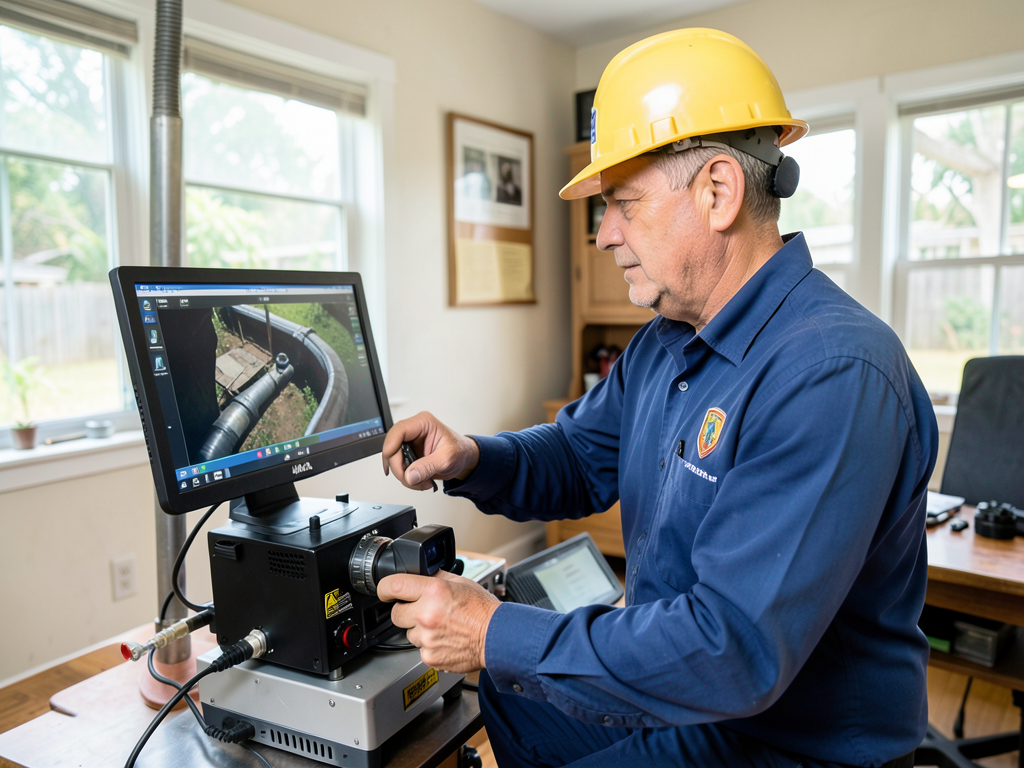
What Our Plumbers Look for During a Real Estate Inspection
During a real estate inspection, our licensed Louisiana Master Plumbers examine specific failure patterns unique to New Orleans: Who to Call for a 24 Hour Emergency Plumber in New Orleans.
- Tree Root Intrusion – Live oaks and magnolias have roots that can penetrate clay or cast iron pipes through microscopic joints
- Pipe Bellies – Low spots where soil subsidence creates collection points for waste and paper
- Offset Joints – Sections where pipe sections have separated due to ground movement
- Scale Buildup – Mineral deposits that narrow pipe diameter in areas with hard water
- Corrosion – Cast iron pipes deteriorate from the inside out, often hiding severe damage
The diagnostic process starts with locating the cleanout access point. In New Orleans’ older homes, this might be in a crawl space, basement, or even outside buried under landscaping. Our technicians use a locator device that sends a signal through the camera head, allowing us to pinpoint exact locations of defects without excavation.
Common materials we encounter include:
| Material | Age Range | Common Issues |
|---|---|---|
| Clay (Terracotta) | 1900-1970 | Root intrusion, joint separation |
| Cast Iron | 1920-1980 | Corrosion, scale buildup |
| Orangeburg | 1945-1970 | Collapse, deformation |
| PVC | 1970-Present | Fewer issues, but joint failures possible |
The Process: From Cleanout to Video Footage
The inspection follows a systematic process that produces the video footage you’ll see in your report:
- Access Point Location
We locate and clear the cleanout access, which in New Orleans might be in a crawl space under historic shotgun homes or outside near the foundation.
- Camera Insertion
A high-definition camera mounted on a flexible cable is inserted into the pipe. The camera transmits real-time video to a monitor.
- Line Tracing
We use a transmitter on the camera head to trace the pipe’s path, marking locations of defects on the surface with spray paint.
- Defect Documentation
Every crack, offset, root intrusion, or belly is documented with video timestamp and location data.
- Report Generation
You receive a digital report with video footage, a written summary, and repair recommendations with cost estimates.
The camera reveals what’s invisible to the naked eye: hairline cracks that will become major breaks, tree roots that look like tentacles invading your pipes, and bellies that trap waste creating persistent clogs.

Understanding the Costs: Inspection Fee vs. Potential Repair Savings
A sewer camera inspection in New Orleans typically costs $250-$400, depending on the home’s age and accessibility. Compare that to potential repair costs:
- Minor Repairs – $1,500-$3,000 for localized issues like small cracks or root removal
- Moderate Repairs – $5,000-$8,000 for section replacements or belly repairs
- Major Repairs – $12,000-$20,000 for full line replacements, especially if excavation is required
The math is compelling: a $300 inspection that reveals a $15,000 problem gives you negotiating power worth 50 times the inspection cost. You can ask for a price reduction, request repairs before closing, or walk away from a bad investment.
In New Orleans’ competitive market, some buyers skip this step to make their offers more attractive. That’s a gamble. The inspection period in Louisiana real estate contracts typically lasts 30 days—plenty of time for a thorough sewer scope.
Neighborhood-Specific Concerns (Uptown vs. Metairie vs. French Quarter)
Pipe materials and failure patterns vary dramatically across New Orleans neighborhoods:
Uptown/Garden District – Homes built 1890-1930 often have clay pipes with lead joints. The massive live oaks create chronic root intrusion problems. Soil subsidence is moderate but consistent.
Mid-City – Mixed construction eras mean you might find clay pipes from the 1920s alongside PVC from the 1980s. The area’s lower elevation increases flood risk during heavy rains.
Metairie – Post-1950s slab construction often used cast iron under the slab. Corrosion is the primary concern here, with pipes deteriorating from the inside out.
French Quarter – Historic buildings may have original clay or even wooden pipes in some cases. Access is often the biggest challenge due to tight crawl spaces and historic preservation restrictions.
According to SWBNO regulations, homeowners are responsible for the sewer lateral from their property line to their home. This means even if the city’s main lines are fine, you’re on the hook for repairs to your connection.
Your Inspection Report: What’s Included
A professional sewer camera inspection report includes:
- Digital Video Footage – High-definition video showing every inch of your sewer line
- Technician’s Written Summary – Clear explanation of findings in plain language
- Defect Location Map – Surface markings showing where problems exist
- Repair Recommendations – Options ranging from spot repairs to full replacement
- Cost Estimates – Ballpark figures for each repair option
- Cleanout Verification – Confirmation that proper access exists
The report becomes a powerful negotiation tool. You can use it to ask sellers for credits, request specific repairs, or justify walking away if major problems are found.
Look for these red flags in your report:
- Multiple offsets or separations
- Severe corrosion in cast iron pipes
- Extensive root intrusion
- Multiple bellies or low spots
- Evidence of previous repairs that weren’t done properly
Frequently Asked Questions
How long does a sewer camera inspection take?
Most inspections take 1-2 hours, depending on the length of your sewer line and the complexity of accessing the cleanout point.
Can I be present during the inspection?
Absolutely. Many buyers watch the real-time video feed to understand exactly what’s happening underground.
What if the inspection reveals problems?
You have several options: negotiate a price reduction, request repairs before closing, or use it as a reason to walk away during your inspection period.
Does homeowners insurance cover sewer line repairs?
Typically no. Most policies exclude sewer line repairs unless the damage was caused by a covered peril like a sudden break from freezing (rare in New Orleans).
How often should I inspect a sewer line in an older New Orleans home?
If you’re buying a home over 30 years old, an inspection is essential. For homes you already own, every 5-10 years is prudent, or immediately if you notice drainage issues. Emergency Drain Cleaning Services for Metairie Homeowners and Businesses.
Call (985) 279-3332 today to schedule your inspection. Don’t let an underground problem become your financial nightmare.
Pick up the phone and call (985) 279-3332 before the next storm hits. Our licensed Louisiana Master Plumbers are ready to protect your investment with a thorough sewer camera inspection that could save you thousands.
You may also find this helpful. Why Your Old Metairie Home Needs a Backwater Valve to Prevent Sewer Backups During Heavy Rain.
You may also find this helpful. How to Combine Plumbing Systems When Converting a Mid-City Double into a Single Family Home.
{
“@context”: “https://schema.org”,
“@type”: “BlogPosting”,
“headline”: “What New Orleans Homebuyers Should Look for in a Sewer Camera Inspection Report”,
“description”: “Don’t buy a New Orleans home without understanding your sewer camera inspection report. Learn what to look for, common local issues, and how to protect your investment.”,
“wordCount”: 1322,
“datePublished”: “2026-06-23T06:09:00.000Z”,
“dateModified”: “2026-06-23T06:09:00.000Z”,
“inLanguage”: “en-US”,
“mainEntityOfPage”: {
“@type”: “WebPage”,
“@id”: “https://libertyplumbingneworleans.com”
},
“publisher”: {
“@type”: “LocalBusiness”,
“name”: “Liberty Plumbing New Orleans”,
“url”: “https://libertyplumbingneworleans.com”
},
“author”: {
“@type”: “Organization”,
“name”: “Liberty Plumbing New Orleans”,
“url”: “https://libertyplumbingneworleans.com”
},
“image”: {
“@type”: “ImageObject”,
“url”: “https://libertyplumbingneworleans.com/wp-content/uploads/2026/03/what-new-orleans-homebuyers-should-look-for-in-a-s-1.png”
}
}
{
“@context”: “https://schema.org”,
“@type”: “Plumber”,
“name”: “Liberty Plumbing New Orleans”,
“url”: “https://libertyplumbingneworleans.com”,
“address”: {
“@type”: “PostalAddress”,
“addressLocality”: “New Orleans”
},
“areaServed”: {
“@type”: “City”,
“name”: “New Orleans”
}
}
{
“@context”: “https://schema.org”,
“@type”: “FAQPage”,
“mainEntity”: [
{
“@type”: “Question”,
“name”: “How long does a sewer camera inspection take?”,
“acceptedAnswer”: {
“@type”: “Answer”,
“text”: “Most inspections take 1-2 hours, depending on the length of your sewer line and the complexity of accessing the cleanout point.”
}
},
{
“@type”: “Question”,
“name”: “Can I be present during the inspection?”,
“acceptedAnswer”: {
“@type”: “Answer”,
“text”: “Absolutely. Many buyers watch the real-time video feed to understand exactly what’s happening underground.”
}
},
{
“@type”: “Question”,
“name”: “What if the inspection reveals problems?”,
“acceptedAnswer”: {
“@type”: “Answer”,
“text”: “You have several options: negotiate a price reduction, request repairs before closing, or use it as a reason to walk away during your inspection period.”
}
},
{
“@type”: “Question”,
“name”: “Does homeowners insurance cover sewer line repairs?”,
“acceptedAnswer”: {
“@type”: “Answer”,
“text”: “Typically no. Most policies exclude sewer line repairs unless the damage was caused by a covered peril like a sudden break from freezing (rare in New Orleans).”
}
},
{
“@type”: “Question”,
“name”: “How often should I inspect a sewer line in an older New Orleans home?”,
“acceptedAnswer”: {
“@type”: “Answer”,
“text”: “If you’re buying a home over 30 years old, an inspection is essential. For homes you already own, every 5-10 years is prudent, or immediately if you notice drainage issues. Emergency Drain Cleaning Services for Metairie Homeowners and Businesses.”
}
}
]
}
{
“@context”: “https://schema.org”,
“@type”: “HowTo”,
“name”: “Sewer Camera Inspection Process”,
“step”: [
{
“@type”: “HowToStep”,
“position”: 1,
“name”: “Access Point Location”,
“text”: “We locate and clear the cleanout access, which in New Orleans might be in a crawl space under historic shotgun homes or outside near the foundation.”
},
{
“@type”: “HowToStep”,
“position”: 2,
“name”: “Camera Insertion”,
“text”: “A high-definition camera mounted on a flexible cable is inserted into the pipe. The camera transmits real-time video to a monitor.”
},
{
“@type”: “HowToStep”,
“position”: 3,
“name”: “Line Tracing”,
“text”: “We use a transmitter on the camera head to trace the pipe’s path, marking locations of defects on the surface with spray paint.”
},
{
“@type”: “HowToStep”,
“position”: 4,
“name”: “Defect Documentation”,
“text”: “Every crack, offset, root intrusion, or belly is documented with video timestamp and location data.”
},
{
“@type”: “HowToStep”,
“position”: 5,
“name”: “Report Generation”,
“text”: “You receive a digital report with video footage, a written summary, and repair recommendations with cost estimates.”
}
],
“image”: “https://libertyplumbingneworleans.com/wp-content/uploads/2026/03/what-new-orleans-homebuyers-should-look-for-in-a-s-1.png”
}
{
“@context”: “https://schema.org”,
“@type”: “BreadcrumbList”,
“itemListElement”: [
{
“@type”: “ListItem”,
“position”: 1,
“name”: “Home”,
“item”: “https://libertyplumbingneworleans.com”
},
{
“@type”: “ListItem”,
“position”: 2,
“name”: “Blog”,
“item”: “https://libertyplumbingneworleans.com/blog”
},
{
“@type”: “ListItem”,
“position”: 3,
“name”: “What New Orleans Homebuyers Should Look for in a Sewer Camera Inspection Report”
}
]
}
{
“@context”: “https://schema.org”,
“@type”: “Service”,
“serviceType”: “Plumbing”,
“provider”: {
“@type”: “LocalBusiness”,
“name”: “Liberty Plumbing New Orleans”,
“url”: “https://libertyplumbingneworleans.com”
},
“areaServed”: {
“@type”: “City”,
“name”: “New Orleans”
},
“description”: “Don’t buy a New Orleans home without understanding your sewer camera inspection report. Learn what to look for, common local issues, and how to protect your investment.”
}