
Common Plumbing Issues for Homeowners Using Well Water in Rural St. Bernard Parish
Living in rural St. Bernard Parish means relying on well water systems that face unique challenges from Louisiana’s humid climate, high water table, and coastal soil conditions. When your well pump fails or water pressure drops, you need to understand the specific issues affecting your system before calling for emergency repairs. Louisiana Department of Health well water guidelines.
Homeowners in areas like Poydras, Reggio, and Caernarvon often experience well water problems that city dwellers never encounter. From submersible pump failures to pressure tank malfunctions and water quality issues caused by the Gulf Coast aquifer, these systems require specialized knowledge to diagnose and repair correctly. EPA private well resources.
The Louisiana Department of Health recommends annual well testing for rural properties, especially after hurricane season when storm surge can contaminate groundwater. Understanding your well system’s components and common failure points helps you make informed decisions when problems arise. Fast Tankless Water Heater Installation for New Orleans Residents.
Well Water Pressure Problems and Their Causes
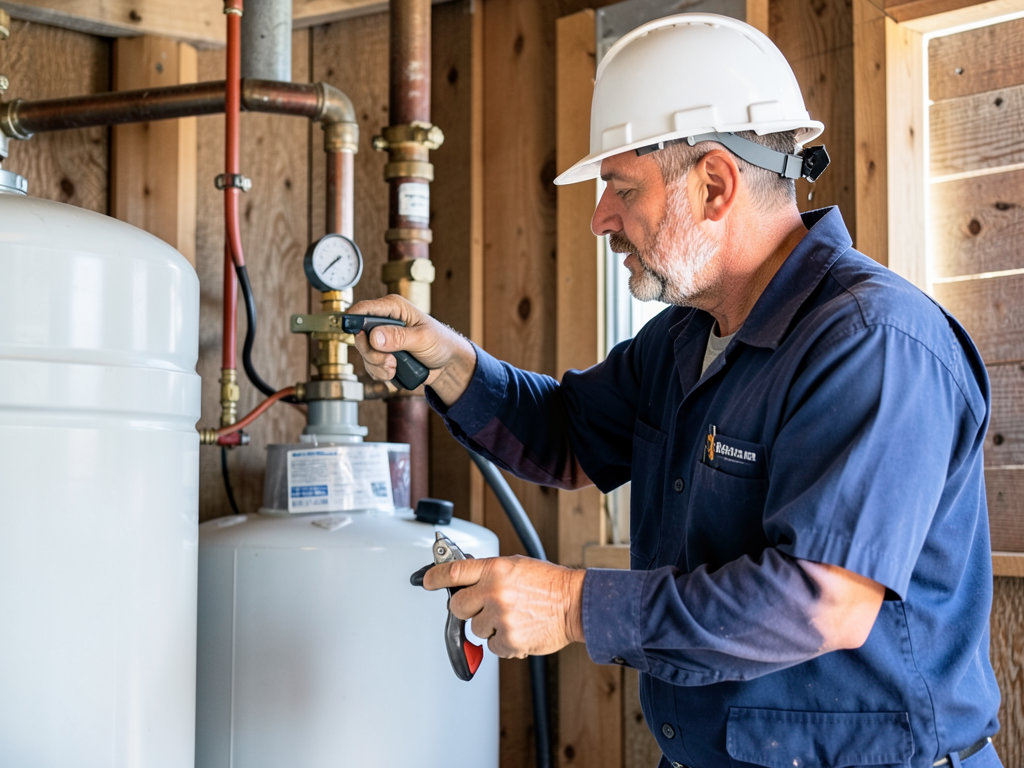
Low water pressure in well systems often signals deeper issues than simple clogs. When you turn on a faucet and experience weak flow, the problem could stem from the pressure tank, pump, or even the well itself. Fast Water Heater Repair and Replacement Services for Metairie Residents.
Pressure tanks maintain consistent water pressure by storing compressed air that pushes water through your pipes. When the bladder inside ruptures, the tank becomes waterlogged and loses its ability to regulate pressure. You might notice the pump cycling on and off rapidly or water sputtering from faucets.
Submersible pumps can fail due to electrical issues, sediment buildup, or motor burnout. The humid Louisiana climate accelerates corrosion on pump components, especially in coastal areas where salt spray reaches well heads. A failing pump might hum without moving water or trip the circuit breaker repeatedly.
Well depth affects pressure problems too. Shallow wells in St. Bernard Parish’s deltaic soil can experience seasonal drawdowns during dry periods, causing temporary pressure drops. The high water table means many wells are only 50-100 feet deep, making them vulnerable to surface contamination and pressure fluctuations.
Water Quality Issues Specific to St. Bernard Parish Wells
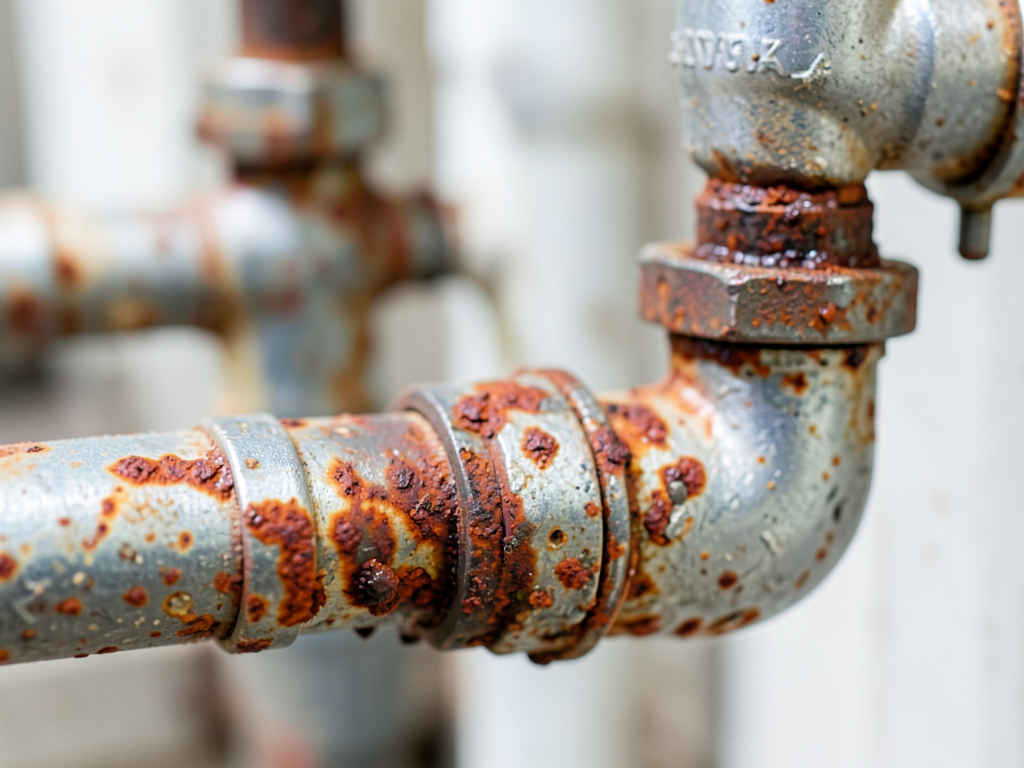
The Gulf Coast aquifer that supplies St. Bernard Parish wells contains unique mineral compositions that create distinct water quality problems. High iron content causes reddish-brown staining on fixtures and laundry, while sulfur compounds produce the characteristic rotten egg smell.
Iron bacteria thrive in the warm, oxygen-poor environment of many Louisiana wells. These microorganisms create slimy orange deposits that clog pipes and reduce water flow. You might notice a metallic taste or see orange-brown residue in toilet tanks and on shower walls.
Hydrogen sulfide gas, responsible for the sulfur smell, forms when organic matter decomposes in oxygen-depleted groundwater. This gas not only creates unpleasant odors but also accelerates corrosion of copper pipes and plumbing fixtures. The Louisiana Department of Environmental Quality sets specific limits for hydrogen sulfide in drinking water.
Saltwater intrusion affects coastal wells in areas like Shell Beach and Hopedale. Rising sea levels and storm surge can push saltwater into the freshwater aquifer, causing salinity problems that damage plumbing systems and make water unsafe for consumption.
Well Pump Failure Symptoms and Emergency Signs
When your well pump begins failing, certain symptoms appear that signal immediate attention is needed. Complete loss of water pressure often indicates electrical failure or a seized motor. You might hear clicking sounds from the pressure switch or notice the pump running continuously without building pressure.
Air in the water lines creates sputtering faucets and spitting water when you first turn on a tap. This usually means the well is running dry or the pump is positioned too high in the well casing. During Louisiana’s dry seasons, water levels can drop significantly, causing these symptoms.
Unusual noises from the well house or pressure tank area often indicate bearing failure in the pump motor. A failing bearing might produce grinding or squealing sounds that worsen over time. The Louisiana heat accelerates bearing wear, especially in poorly ventilated well houses.
Water discoloration ranging from cloudy to dark brown suggests sediment problems. Sand and silt can enter the well through damaged casing or during heavy pumping. The fine deltaic sediments in St. Bernard Parish are particularly problematic, as they can quickly wear out pump impellers and clog filters.
Pressure Tank Diagnostics and Maintenance
Pressure tanks require specific maintenance to function properly in Louisiana’s climate. The tank’s air charge should be checked annually using a tire pressure gauge on the schrader valve. Most systems operate at 30/50 or 40/60 psi settings, with the tank pressure set 2 psi below the cut-in pressure.
A waterlogged tank feels heavy when lifted and may show water leaking from the air valve. This condition causes the pump to cycle excessively, leading to premature motor failure. The high humidity in St. Bernard Parish accelerates tank corrosion, especially in uninsulated well houses.
Checking for a failed bladder involves shutting off power and draining the tank. If water comes out of the air valve or the tank won’t hold pressure, the bladder has likely ruptured. This is a common issue in older tanks exposed to Louisiana’s heat and humidity. Emergency Drain Cleaning Services for Metairie Homeowners and Businesses.
Pressure switch problems can mimic tank failures. Corroded contacts or stuck pressure settings prevent the pump from turning on or off at the correct pressures. The Louisiana climate’s humidity causes switch contacts to pit and corrode faster than in drier regions.
Post-Flood Well Safety and Disinfection
Living in hurricane-prone St. Bernard Parish means preparing for well contamination after flooding. The Louisiana Department of Health requires specific disinfection procedures when floodwater enters a well casing. This typically involves shock chlorination using household bleach at precise concentrations.
After a flood, your well may need professional inspection for structural damage. The high water table during storm surge can cause well caps to float off or casing joints to separate. Electrical components submerged in floodwater require complete replacement to prevent shock hazards.
Testing for contaminants after flooding should include bacteria, nitrates, and chemical pollutants. The deltaic soil of St. Bernard Parish can leach agricultural chemicals into groundwater during heavy rains. Local health departments offer testing services specifically for rural well owners.
Well shocking involves introducing chlorine at concentrations strong enough to kill bacteria but safe for your plumbing. The process requires careful calculation based on well depth and water volume. Improper shocking can damage pump components or leave harmful chemical residues.
Electrical Issues in Louisiana Well Systems
Louisiana’s heat and humidity create unique electrical challenges for well systems. High temperatures cause motor windings to expand and contract, potentially breaking internal connections. The salt air in coastal St. Bernard Parish accelerates corrosion on electrical terminals and control panels.
Lightning strikes are common during summer thunderstorms and can damage well pump controls. Surge protectors specifically designed for well systems help prevent damage, but many rural properties lack this protection. The cost of replacing fried control panels adds up quickly without proper safeguards.
Wire insulation deteriorates faster in humid conditions, leading to short circuits or ground faults. The Louisiana climate’s constant moisture exposure causes insulation breakdown that might not be visible during casual inspection. Professional testing with a megger can identify insulation problems before they cause complete failure.
Voltage fluctuations from the local power grid affect well pump performance. Rural areas often experience brownouts during peak usage times, causing pumps to stall or overheat. Installing a dedicated circuit with proper overload protection helps prevent these issues.
When to Call a Professional Well Plumber
Certain well problems require professional expertise to avoid costly mistakes or dangerous situations. Electrical work on well systems involves 240-volt circuits that can cause severe injury or death. Only licensed electricians should handle wiring inside well casings or control panels.
Submersible pump replacement requires specialized equipment to pull the pump from deep wells. The process involves handling hundreds of feet of pipe and electrical cable while maintaining proper well seal integrity. DIY attempts often damage the well casing or drop tools into the well.
Water quality issues beyond basic sediment filters need professional diagnosis. Testing for bacteria, heavy metals, and chemical contaminants requires laboratory analysis. The Louisiana Department of Health provides guidelines for interpreting test results and selecting appropriate treatment systems.
Pressure tank replacement involves proper sizing calculations based on household demand and well recovery rate. An undersized tank causes excessive pump cycling, while an oversized tank wastes energy and space. Professional plumbers use specific formulas to determine optimal tank size for your situation. Who to Call for a 24 Hour Emergency Plumber in New Orleans.
Call (985) 279-3332 today to schedule your well system inspection. Our licensed plumbers understand the unique challenges of St. Bernard Parish well water and can diagnose problems before they become emergencies. Don’t wait until you have no water at all.
Preventative Maintenance for Well Systems
Regular maintenance extends the life of your well system and prevents costly emergency repairs. Annual inspections should include checking the pressure tank’s air charge, testing the pressure switch operation, and examining visible wiring for corrosion or damage.
Well caps and seals prevent contamination from surface water and pests. The Louisiana climate’s humidity and heat can cause rubber seals to deteriorate within 5-7 years. Replacing these components before they fail prevents bacteria and debris from entering your water supply.
Sediment filters protect your plumbing from sand and silt damage. The fine particles common in St. Bernard Parish wells can quickly wear out faucet aerators, toilet fill valves, and water heater elements. Regular filter replacement saves money on fixture repairs and replacements.
Water softener maintenance prevents scale buildup in pipes and appliances. Louisiana’s groundwater often contains minerals that form hard scale deposits. Professional water testing determines the exact hardness level and recommends appropriate softening systems for your specific water chemistry.
Well water testing should occur annually or after any flooding event. The Louisiana Department of Health recommends testing for total coliform bacteria, nitrates, pH, and total dissolved solids. Some areas may require additional testing for specific contaminants based on local conditions.
Cost Factors for Well System Repairs
Well repair costs vary significantly based on the specific problem and system configuration. Submersible pump replacement typically ranges from $1,200 to $3,500 depending on well depth and pump horsepower. The high cost reflects specialized equipment and labor required to extract and replace deep well components.
Pressure tank replacement costs between $400 and $1,200 installed. The price depends on tank size, with larger tanks commanding higher prices but providing better performance for households with high water demand. Energy-efficient variable-speed pumps cost more upfront but save money on electricity over time.
Water quality treatment systems range from simple sediment filters at $200 to comprehensive filtration systems exceeding $5,000. The specific contaminants in your water determine the appropriate treatment approach. Iron removal systems, for example, cost more than basic sediment filters but address the staining and taste issues common in St. Bernard Parish wells.
Emergency service calls during nights or weekends typically add 50-100% to standard repair rates. Having a relationship with a local well specialist before problems occur can save money on emergency services. Many companies offer maintenance plans that include priority service and discounted rates.
Understanding Your Well System Components
Knowledge of your well system helps you communicate effectively with service professionals. The basic system includes the well casing, submersible pump, pressure tank, pressure switch, and control box. Each component plays a specific role in delivering consistent water pressure to your home.
The well casing prevents collapse and keeps contaminants out of the water supply. In St. Bernard Parish, casings are typically PVC or steel, with depth determined by the local water table and soil conditions. The high water table means many wells are relatively shallow compared to upland areas.
Pressure tanks come in two main types: traditional with replaceable bladders and diaphragm tanks that cannot be serviced. The Louisiana climate’s humidity affects tank longevity, with coastal installations often needing replacement every 7-10 years versus 10-15 years inland.
Control boxes for submersible pumps contain starting capacitors and overload protection. These components are vulnerable to heat and moisture damage. The electrical requirements for well pumps are specific and must comply with National Electrical Code Article 680 for swimming pool and fountain equipment.
Understanding these components helps you recognize when something isn’t working correctly. For example, a humming sound from the well house with no water flow often indicates a failed starting capacitor, while clicking without pump operation suggests pressure switch problems.
Local Water Table and Soil Conditions
St. Bernard Parish’s unique geology creates specific well system challenges. The area sits on deltaic deposits from the Mississippi River, creating highly permeable soils that affect both well construction and water quality. The high water table, often just a few feet below the surface, influences well depth and pump selection.
The Mississippi River delta’s fine sediments include clay, silt, and sand layers that affect water flow and well performance. Clay layers can restrict water movement, while sandy layers provide good water yield but allow sand to enter the well. Professional well drillers in St. Bernard Parish understand these local conditions and design systems accordingly.
Seasonal water table fluctuations impact well performance. During Louisiana’s wet seasons, the water table rises significantly, potentially causing well interference between neighboring properties. The Louisiana Department of Natural Resources regulates well spacing to prevent these issues.
Soil subsidence, a common problem in deltaic areas, can affect well integrity over time. The organic-rich soils in some parts of St. Bernard Parish compress and settle, potentially damaging well casings or shifting pump positions. Regular inspection helps identify these gradual changes before they cause system failure.
Water Conservation and Well System Efficiency
Efficient water use extends the life of your well system and reduces operating costs. Simple changes like fixing leaky faucets and installing low-flow fixtures decrease the frequency of pump cycling. Each time the pump starts, it experiences electrical and mechanical stress that contributes to wear. Fixing Slab Leaks and Foundation Plumbing in Your Garden District Home.
Proper pressure tank sizing reduces pump cycling by providing adequate water storage between pump runs. A well-designed system might run for several minutes to fill the tank, then remain off for extended periods. This cycling reduction can double the life of pump components.
Water conservation also helps maintain well yield during dry periods. Overpumping can cause the well to go dry or draw in sediment from the bottom of the well. The Louisiana Department of Natural Resources provides guidelines for sustainable well operation based on aquifer characteristics.
Rainwater harvesting systems can supplement your well during peak demand periods. Simple rain barrels for garden use reduce the load on your well system, while more complex systems can provide water for toilets and laundry. This conservation approach helps maintain well yield and reduces operating costs.
Future-Proofing Your Well System
Investing in quality components and proper installation pays dividends over the life of your well system. Variable-speed pumps, while more expensive initially, provide better pressure control and use less electricity than traditional single-speed pumps. These systems adjust their output based on demand, reducing wear and energy costs.
Smart monitoring systems can alert you to problems before they cause complete failure. Modern well controls can send text or email notifications when pressure drops, the pump runs too long, or electrical parameters fall outside normal ranges. Early warning allows for planned repairs rather than emergency service calls.
Water quality treatment systems should be sized for both current and future needs. As Louisiana’s coastal areas face increasing saltwater intrusion, having a system that can handle higher salinity levels provides insurance against future water quality problems.
Regular professional maintenance identifies developing problems before they cause system failure. A technician familiar with St. Bernard Parish’s specific conditions can spot issues like corrosion, sediment buildup, or electrical problems that might not be obvious to homeowners.
Pick up the phone and call (985) 279-3332 before the next storm hits. Our experienced team understands the unique well water challenges facing St. Bernard Parish homeowners and can help you maintain a reliable water supply year-round.
Frequently Asked Questions
How often should I test my well water in St. Bernard Parish?
The Louisiana Department of Health recommends annual testing for bacteria, nitrates, and pH. Test more frequently if you notice changes in taste, odor, or appearance, or after any flooding event that could contaminate your well.
What causes the rotten egg smell in my well water?
The sulfur smell comes from hydrogen sulfide gas produced by bacteria in oxygen-depleted groundwater. This is common in the Gulf Coast aquifer and can be treated with oxidation filters or aeration systems designed for Louisiana’s specific water chemistry.
How deep are typical wells in St. Bernard Parish?
Most residential wells in St. Bernard Parish are 50-100 feet deep due to the high water table. However, depth varies based on location, with some areas requiring deeper wells to reach adequate water quality or quantity.
Can I repair my own well pump if it fails?
Well pump replacement involves 240-volt electrical work and specialized equipment to extract deep well components. This work is dangerous and can damage your well if done incorrectly. Professional service ensures safety and proper system operation.
How long should a well pump last in Louisiana’s climate?
With proper maintenance, well pumps typically last 10-15 years in Louisiana. The humid climate and coastal salt air can reduce this lifespan if pumps aren’t protected from moisture and corrosion. Regular maintenance can extend pump life significantly.
What should I do if my well floods during a hurricane?
After any flooding, your well needs professional inspection and disinfection. Do not use the water until it’s been tested and declared safe by health authorities. The Louisiana Department of Health provides specific procedures for post-flood well sanitation.
{
“@context”: “https://schema.org”,
“@type”: “BlogPosting”,
“headline”: “Common Plumbing Issues for Homeowners Using Well Water in Rural St. Bernard Parish”,
“description”: “Learn about well water plumbing problems in St. Bernard Parish including pump failures, pressure tank issues, and water quality challenges specific to rural Louisiana.”,
“wordCount”: 2981,
“datePublished”: “2026-05-19T09:23:00.000Z”,
“dateModified”: “2026-05-19T09:23:00.000Z”,
“inLanguage”: “en-US”,
“mainEntityOfPage”: {
“@type”: “WebPage”,
“@id”: “https://libertyplumbingneworleans.com”
},
“publisher”: {
“@type”: “LocalBusiness”,
“name”: “Liberty Plumbing New Orleans”,
“url”: “https://libertyplumbingneworleans.com”
},
“author”: {
“@type”: “Organization”,
“name”: “Liberty Plumbing New Orleans”,
“url”: “https://libertyplumbingneworleans.com”
},
“image”: {
“@type”: “ImageObject”,
“url”: “https://libertyplumbingneworleans.com/wp-content/uploads/2026/03/common-plumbing-issues-for-homeowners-using-well-w-1.png”
}
}
{
“@context”: “https://schema.org”,
“@type”: “Plumber”,
“name”: “Liberty Plumbing New Orleans”,
“url”: “https://libertyplumbingneworleans.com”,
“address”: {
“@type”: “PostalAddress”,
“addressLocality”: “New Orleans”
},
“areaServed”: {
“@type”: “City”,
“name”: “New Orleans”
}
}
{
“@context”: “https://schema.org”,
“@type”: “FAQPage”,
“mainEntity”: [
{
“@type”: “Question”,
“name”: “How often should I test my well water in St. Bernard Parish?”,
“acceptedAnswer”: {
“@type”: “Answer”,
“text”: “The Louisiana Department of Health recommends annual testing for bacteria, nitrates, and pH. Test more frequently if you notice changes in taste, odor, or appearance, or after any flooding event that could contaminate your well.”
}
},
{
“@type”: “Question”,
“name”: “What causes the rotten egg smell in my well water?”,
“acceptedAnswer”: {
“@type”: “Answer”,
“text”: “The sulfur smell comes from hydrogen sulfide gas produced by bacteria in oxygen-depleted groundwater. This is common in the Gulf Coast aquifer and can be treated with oxidation filters or aeration systems designed for Louisiana’s specific water chemistry.”
}
},
{
“@type”: “Question”,
“name”: “How deep are typical wells in St. Bernard Parish?”,
“acceptedAnswer”: {
“@type”: “Answer”,
“text”: “Most residential wells in St. Bernard Parish are 50-100 feet deep due to the high water table. However, depth varies based on location, with some areas requiring deeper wells to reach adequate water quality or quantity.”
}
},
{
“@type”: “Question”,
“name”: “Can I repair my own well pump if it fails?”,
“acceptedAnswer”: {
“@type”: “Answer”,
“text”: “Well pump replacement involves 240-volt electrical work and specialized equipment to extract deep well components. This work is dangerous and can damage your well if done incorrectly. Professional service ensures safety and proper system operation.”
}
},
{
“@type”: “Question”,
“name”: “What should I do if my well floods during a hurricane?”,
“acceptedAnswer”: {
“@type”: “Answer”,
“text”: “After any flooding, your well needs professional inspection and disinfection. Do not use the water until it’s been tested and declared safe by health authorities. The Louisiana Department of Health provides specific procedures for post-flood well sanitation.”
}
}
]
}
{
“@context”: “https://schema.org”,
“@type”: “BreadcrumbList”,
“itemListElement”: [
{
“@type”: “ListItem”,
“position”: 1,
“name”: “Home”,
“item”: “https://libertyplumbingneworleans.com”
},
{
“@type”: “ListItem”,
“position”: 2,
“name”: “Blog”,
“item”: “https://libertyplumbingneworleans.com/blog”
},
{
“@type”: “ListItem”,
“position”: 3,
“name”: “Common Plumbing Issues for Homeowners Using Well Water in Rural St. Bernard Parish”
}
]
}
{
“@context”: “https://schema.org”,
“@type”: “Service”,
“serviceType”: “Plumbing”,
“provider”: {
“@type”: “LocalBusiness”,
“name”: “Liberty Plumbing New Orleans”,
“url”: “https://libertyplumbingneworleans.com”
},
“areaServed”: {
“@type”: “City”,
“name”: “New Orleans”
},
“description”: “Learn about well water plumbing problems in St. Bernard Parish including pump failures, pressure tank issues, and water quality challenges specific to rural Louisiana.”
}