
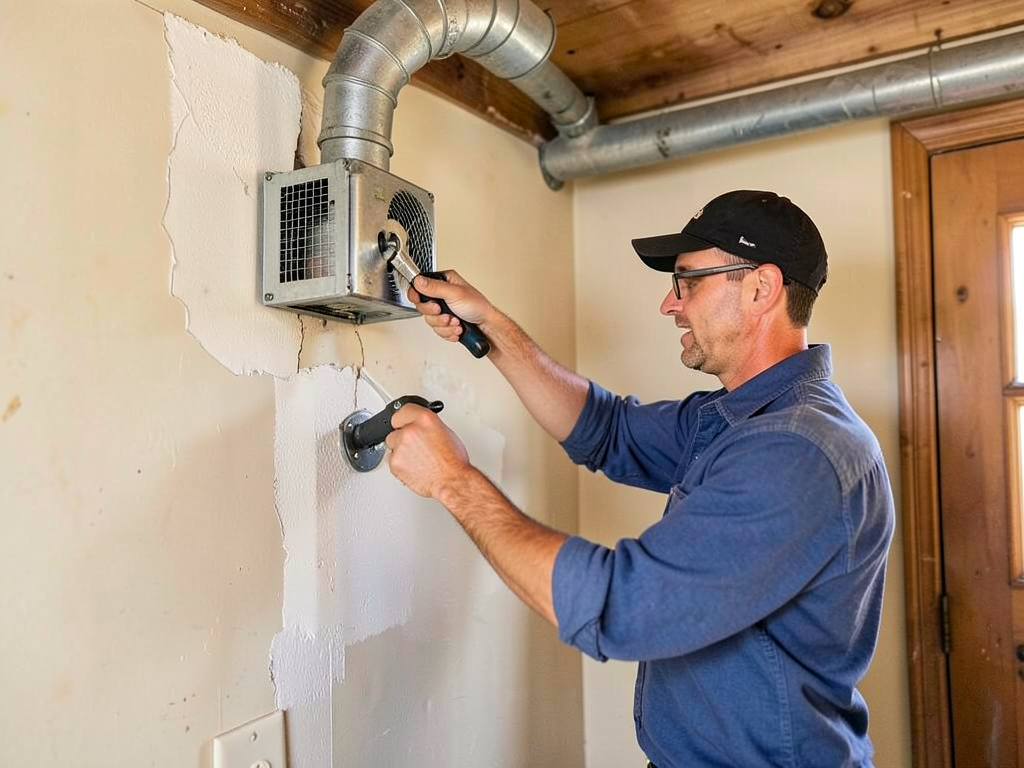
Preventing Mold and Mildew in Your Irish Channel Bathroom through Better Ventilation
The Irish Channel’s historic charm comes with a hidden challenge. New Orleans’ subtropical humidity creates the perfect breeding ground for mold and mildew in poorly ventilated bathrooms. Steam from showers combined with the area’s 75% average annual humidity means moisture has nowhere to escape without proper ventilation. This isn’t just about comfort. It’s about protecting your home’s structure and your family’s health.. Read more about Adding a Bidet to Your Bathroom Remodel in the Irish Channel.
Irish Channel homes, many built in the late 1800s with plaster walls and tight attic spaces, trap moisture easily. Without adequate bathroom ventilation, condensation builds up on surfaces, leading to black mold growth, warped cabinetry, and peeling paint. The problem compounds in historic properties where modern HVAC systems weren’t part of the original design. Professional ventilation installation addresses these unique challenges by creating proper airflow pathways that work with your home’s architecture rather than against it.
Understanding Irish Channel Bathroom Ventilation Challenges
Irish Channel architecture presents specific ventilation obstacles. Shotgun-style homes with narrow floor plans often have bathrooms tucked into interior spaces without exterior walls. This makes traditional exhaust fan installation more complex than in newer suburban homes. The plaster walls common in these historic properties require careful cutting and patching to avoid damaging the original structure.
Another challenge involves the soil composition in the Irish Channel area. The region sits on Mississippi River alluvial soil that retains moisture. This creates a microclimate where humidity levels inside homes can be even higher than the already elevated outdoor levels. Bathrooms in these homes often experience what plumbers call the “sweat box effect” where surfaces remain damp for hours after use. Who to Call for a 24 Hour Emergency Plumber in New Orleans.
The age of Irish Channel plumbing systems also matters. Many homes still have original cast iron drain pipes that can develop condensation on their exterior surfaces. When combined with poor bathroom ventilation, this creates multiple moisture sources that feed mold growth. Professional assessment identifies these hidden moisture contributors before recommending ventilation solutions. Emergency Drain Cleaning Services for Metairie Homeowners and Businesses.
New Orleans Building Codes and Ventilation Requirements
Louisiana State Uniform Construction Code requires bathroom ventilation in all new construction and major renovations. For the Irish Channel specifically, any permit work through the New Orleans Department of Safety and Permits must comply with both state code and local amendments. The International Residential Code (IRC) Section M1507 mandates mechanical ventilation for bathrooms without operable windows or with windows smaller than the required area.
Local amendments often require exterior venting in historic districts like the Irish Channel. Venting into attics, a common shortcut in other regions, is prohibited here due to the high humidity that would cause attic mold and wood rot. All exhaust fans must terminate at least three feet from any air intake or window, and ductwork must be insulated to prevent condensation within the vent itself.
Professional plumbers familiar with Irish Channel properties understand these requirements. They know that historic district approval may be needed before cutting exterior walls in visible areas. They also understand that some older homes require electrical upgrades to support modern ventilation fans, as original wiring may not handle the load safely.
Types of Bathroom Ventilation Systems for New Orleans Homes
Ceiling-mounted exhaust fans remain the most common solution for Irish Channel bathrooms. These units range from basic 50 CFM models to high-capacity 200+ CFM units for larger bathrooms. The key specification is CFM, or cubic feet per minute, which measures airflow volume. For New Orleans’ humidity, plumbers typically recommend oversizing slightly to ensure adequate moisture removal.
Inline fans offer another option for bathrooms where ceiling mounting isn’t practical. These units mount remotely in attics or utility spaces and connect via ductwork to ceiling grilles. They’re quieter than traditional ceiling fans since the motor is isolated from living spaces. This makes them ideal for Irish Channel homes where preserving the historic character matters.
Humidity-sensing fans represent the latest technology. These units automatically activate when moisture levels rise, eliminating the need to remember to turn the fan on. For Irish Channel residents who often leave for work after morning showers, this feature prevents moisture damage during the day. Some models integrate with smart home systems for remote monitoring and control.
The choice between these options depends on bathroom size, ceiling height, and existing infrastructure. A professional assessment considers factors like attic access, exterior wall availability, and electrical capacity. Each factor affects both installation complexity and long-term effectiveness.
Historic Home Ventilation Installation Challenges
Installing ventilation in Irish Channel’s historic homes requires specialized knowledge. Many properties have lathe and plaster walls that crumble when cut incorrectly. Experienced plumbers use oscillating tools with dust extraction to minimize damage. They also understand how to patch plaster properly so repairs blend with existing walls.
Attic access presents another challenge. Many Irish Channel homes have narrow crawl spaces or finished attics where traditional installation methods don’t work. Plumbers must sometimes run ductwork through closets or utility spaces, adding complexity and cost. The goal is finding the most direct path to exterior venting while preserving the home’s integrity.
Exterior wall materials in historic homes often include soft brick or stucco that requires different cutting techniques than modern siding. Plumbers use diamond-tipped hole saws and specialized sealants compatible with historic materials. They also ensure that any exterior penetrations maintain the home’s weather barrier to prevent water intrusion. Fast Tankless Water Heater Installation for New Orleans Residents.
Electrical considerations matter too. Many Irish Channel homes have knob-and-tube wiring or undersized circuits that can’t support modern fans. Plumbers coordinate with licensed electricians to upgrade service safely. This comprehensive approach prevents the all-too-common scenario where a fan is installed but can’t be used safely due to electrical limitations.
Our 5-Step Professional Ventilation Installation Process
- Initial Assessment
We evaluate your bathroom’s size, existing infrastructure, and moisture problems. This includes checking for hidden leaks, examining attic access, and measuring humidity levels with professional meters. Fixing Slab Leaks and Foundation Plumbing in Your Garden District Home.
- System Design
Based on the assessment, we design a ventilation system that meets code requirements while working with your home’s architecture. We calculate required CFM, select appropriate fan types, and plan ductwork routes.
- Permit Acquisition
We handle all necessary permits through New Orleans Safety and Permits. This includes submitting plans for historic district review if required for your Irish Channel property.
- Professional Installation
Our licensed plumbers install the system according to manufacturer specifications and local codes. This includes proper ductwork insulation, exterior vent termination, and electrical connections.
- Final Testing and Education
We test the system to ensure it moves the designed airflow volume. We also show you how to operate any controls and explain maintenance requirements to keep your system working effectively.
Preventing Mold Growth and Protecting Your Investment
Proper bathroom ventilation does more than prevent mold. It protects your entire home investment. In Irish Channel’s humid climate, unchecked moisture leads to structural damage that can cost thousands to repair. Ceiling joists rot, subflooring delaminates, and wall studs develop mold colonies that spread beyond the bathroom.
Ventilation also protects bathroom fixtures and finishes. High humidity causes cabinet finishes to peel, mirror backing to deteriorate, and metal fixtures to corrode prematurely. These cosmetic issues reduce your home’s value and require frequent replacement. A properly sized ventilation system extends the life of these components by years.
Indoor air quality improves significantly with proper ventilation. Mold spores, volatile organic compounds from cleaning products, and other pollutants concentrate in poorly ventilated spaces. This creates health issues for residents, particularly those with allergies or respiratory conditions. Professional ventilation systems exchange this stale air with fresh outdoor air, improving overall home health.
Energy efficiency is another benefit. While ventilation fans consume electricity, they reduce the load on air conditioning systems by removing humid air. This balance often results in net energy savings, especially in summer months when humidity levels are highest. Modern Energy Star-rated fans operate at whisper-quiet levels while moving substantial air volume. Energy Department ventilation guide.
Understanding CFM Requirements for Your Bathroom
Determining the right fan size involves calculating your bathroom’s volume and usage patterns. The basic formula requires 1 CFM per square foot of floor area for bathrooms under 100 square feet. For larger bathrooms or those with high ceilings, additional capacity is needed. In New Orleans, plumbers typically add 20% to these calculations to account for the extra humidity load.
Noise level, measured in sones, matters as much as airflow. A fan that’s too loud won’t get used, defeating the purpose of installation. Modern fans range from 0.3 sones (virtually silent) to 4.0 sones (comparable to a desktop fan). For Irish Channel bedrooms adjacent to bathrooms, lower sone ratings preserve the historic home’s peaceful atmosphere.
Special considerations apply to bathrooms with jetted tubs or steam showers. These features generate substantial moisture that standard calculations don’t account for. In these cases, plumbers may recommend dual-fan systems or commercial-grade units that can handle the increased load. The goal is ensuring all moisture evacuates before it can condense on surfaces.
Timer controls offer another feature worth considering. These allow the fan to run for a set period after the light turns off, ensuring complete moisture removal even if someone forgets to turn the switch on. This is particularly valuable in Irish Channel homes where residents might leave for work shortly after showering.
Exterior Venting: Why It Matters in New Orleans
Venting bathroom exhaust to the exterior is non-negotiable in New Orleans’ climate. Venting into attics, common in drier regions, causes catastrophic problems here. The warm, moist air condenses on cool attic surfaces, creating ideal mold conditions. Within months, entire attic spaces can develop black mold colonies that spread through the home’s structure.
Proper exterior venting requires careful termination. Vents must include backdraft dampers to prevent outside air infiltration when the fan isn’t running. They also need bird screens to prevent nesting, which can block airflow. In Irish Channel’s historic district, vent hoods must match the home’s architectural style to maintain visual continuity.
Roof versus wall venting presents different considerations. Roof vents work when attic access is good and the path to exterior is short. Wall vents suit homes where roof access is difficult or where the shortest path to exterior is through a side wall. Each approach has merits depending on your specific home’s layout and construction.
Insulated ductwork is essential for preventing condensation within the vent system itself. In New Orleans’ climate, uninsulated ducts sweat profusely, potentially causing more moisture problems than they solve. Professional installation includes proper insulation and vapor barriers to ensure all moisture evacuates the building envelope completely.
Integration with Bathroom Remodeling Projects
Ventilation planning should occur early in any bathroom remodel. Retrofitting ventilation after finishes are complete often requires destructive modifications that add cost and delay. When planned upfront, ventilation becomes a seamless part of the overall design, with ductwork concealed within wall cavities and proper electrical circuits installed during rough-in.
Modern ventilation systems offer features that enhance bathroom functionality. Some include integrated lighting, night lights, or heat lamps. Others connect to humidity sensors that activate automatically. These features add convenience while ensuring consistent moisture control. For Irish Channel homeowners updating historic bathrooms, these modern conveniences can be incorporated without compromising historic character.
Energy efficiency considerations extend beyond the fan itself. Proper insulation of exterior walls, high-quality vapor barriers, and moisture-resistant materials all work together with ventilation to control humidity. A comprehensive approach addresses all moisture sources rather than treating symptoms individually.
Cost considerations vary significantly based on installation complexity. Basic ceiling fan replacements might cost a few hundred dollars. Complex installations in historic homes with limited access can run several thousand. However, the cost of preventing mold damage typically pales compared to remediation costs, which often exceed $5,000 for serious infestations.
Frequently Asked Questions
How do I know if my bathroom needs better ventilation?
Common signs include fogged mirrors that take more than five minutes to clear, water droplets on walls or ceilings after showers, musty odors that persist, and visible mold growth in corners or on grout lines. If your bathroom feels damp hours after use, ventilation is inadequate for New Orleans’ humidity levels. Fast Water Heater Repair and Replacement Services for Metairie Residents.
Can I install a bathroom fan myself?
While DIY installation is possible, professional installation ensures code compliance, proper ductwork sizing, and correct exterior termination. In Irish Channel’s historic district, unpermitted modifications can result in fines and mandatory removal. Professional plumbers also warranty their work and address any issues that arise during installation.
How much does professional bathroom ventilation installation cost?
Costs vary based on installation complexity, fan quality, and local requirements. Basic replacements start around $300-500. Complex installations in historic homes with limited access typically range from $1,500-3,000. Factors affecting cost include electrical upgrades, ductwork routing, and historic district permit requirements.
Will a ventilation fan increase my electric bill significantly?
Modern Energy Star-rated fans consume minimal electricity, typically $5-10 annually with normal use. The energy savings from reduced air conditioning load often offset this cost. Humidity-sensing fans that run only when needed provide the best balance of moisture control and energy efficiency.
How long does installation take?
Simple replacements often complete in a few hours. Complex installations requiring new ductwork or electrical work typically take one to two days. Historic district projects may require additional time for permit review and approval before work can begin.
What maintenance does a bathroom ventilation system require?
Regular maintenance includes cleaning the grille and fan blades annually, checking exterior vent termination for obstructions, and testing the fan’s operation monthly. Some units have replaceable filters that need periodic changing. Professional inspection every few years ensures continued optimal performance.
Call (985) 279-3332 Today to Schedule Your Bathroom Ventilation Assessment
Don’t let New Orleans’ humidity destroy your Irish Channel bathroom. Mold and mildew damage happens quietly but costs thousands to remediate. Professional ventilation installation prevents these problems while improving your home’s air quality and protecting your investment. Our licensed plumbers understand the unique challenges of historic New Orleans homes and ensure all work meets local codes and historic district requirements.
Pick up the phone and call (985) 279-3332 before the next shower creates another moisture problem. We offer free assessments to evaluate your current ventilation and recommend solutions tailored to your specific home and needs. Our team handles everything from simple fan replacements to complex installations in historic properties, always with respect for your home’s character and our city’s building traditions.
Call (985) 279-3332 today to schedule your inspection. Stop mold growth before it starts and enjoy a healthier, more comfortable bathroom environment year-round.
You may also find this helpful. Troubleshooting That Persistent Sewer Smell in Your Lower Ninth Ward Home.
{
“@context”: “https://schema.org”,
“@type”: “BlogPosting”,
“headline”: “Preventing Mold and Mildew in Your Irish Channel Bathroom through Better Ventilation”,
“description”: “Stop mold growth in your Irish Channel bathroom. Learn how New Orleans humidity affects ventilation and how professional exhaust fan installation protects your home.”,
“wordCount”: 2440,
“datePublished”: “2026-04-05T07:18:00.000Z”,
“dateModified”: “2026-04-05T07:18:00.000Z”,
“inLanguage”: “en-US”,
“mainEntityOfPage”: {
“@type”: “WebPage”,
“@id”: “https://libertyplumbingneworleans.com”
},
“publisher”: {
“@type”: “LocalBusiness”,
“name”: “Liberty Plumbing New Orleans”,
“url”: “https://libertyplumbingneworleans.com”
},
“author”: {
“@type”: “Organization”,
“name”: “Liberty Plumbing New Orleans”,
“url”: “https://libertyplumbingneworleans.com”
},
“image”: {
“@type”: “ImageObject”,
“url”: “https://libertyplumbingneworleans.com/wp-content/uploads/2026/03/preventing-mold-and-mildew-in-your-irish-channel-b-1.png”
}
}
{
“@context”: “https://schema.org”,
“@type”: “Plumber”,
“name”: “Liberty Plumbing New Orleans”,
“url”: “https://libertyplumbingneworleans.com”,
“address”: {
“@type”: “PostalAddress”,
“addressLocality”: “New Orleans”
},
“areaServed”: {
“@type”: “City”,
“name”: “New Orleans”
}
}
{
“@context”: “https://schema.org”,
“@type”: “FAQPage”,
“mainEntity”: [
{
“@type”: “Question”,
“name”: “How do I know if my bathroom needs better ventilation?”,
“acceptedAnswer”: {
“@type”: “Answer”,
“text”: “Common signs include fogged mirrors that take more than five minutes to clear, water droplets on walls or ceilings after showers, musty odors that persist, and visible mold growth in corners or on grout lines. If your bathroom feels damp hours after use, ventilation is inadequate for New Orleans’ humidity levels. Fast Water Heater Repair and Replacement Services for Metairie Residents.”
}
},
{
“@type”: “Question”,
“name”: “Can I install a bathroom fan myself?”,
“acceptedAnswer”: {
“@type”: “Answer”,
“text”: “While DIY installation is possible, professional installation ensures code compliance, proper ductwork sizing, and correct exterior termination. In Irish Channel’s historic district, unpermitted modifications can result in fines and mandatory removal. Professional plumbers also warranty their work and address any issues that arise during installation.”
}
},
{
“@type”: “Question”,
“name”: “How much does professional bathroom ventilation installation cost?”,
“acceptedAnswer”: {
“@type”: “Answer”,
“text”: “Costs vary based on installation complexity, fan quality, and local requirements. Basic replacements start around $300-500. Complex installations in historic homes with limited access typically range from $1,500-3,000. Factors affecting cost include electrical upgrades, ductwork routing, and historic district permit requirements.”
}
},
{
“@type”: “Question”,
“name”: “Will a ventilation fan increase my electric bill significantly?”,
“acceptedAnswer”: {
“@type”: “Answer”,
“text”: “Modern Energy Star-rated fans consume minimal electricity, typically $5-10 annually with normal use. The energy savings from reduced air conditioning load often offset this cost. Humidity-sensing fans that run only when needed provide the best balance of moisture control and energy efficiency.”
}
},
{
“@type”: “Question”,
“name”: “How long does installation take?”,
“acceptedAnswer”: {
“@type”: “Answer”,
“text”: “Simple replacements often complete in a few hours. Complex installations requiring new ductwork or electrical work typically take one to two days. Historic district projects may require additional time for permit review and approval before work can begin.”
}
},
{
“@type”: “Question”,
“name”: “What maintenance does a bathroom ventilation system require?”,
“acceptedAnswer”: {
“@type”: “Answer”,
“text”: “Regular maintenance includes cleaning the grille and fan blades annually, checking exterior vent termination for obstructions, and testing the fan’s operation monthly. Some units have replaceable filters that need periodic changing. Professional inspection every few years ensures continued optimal performance.”
}
}
]
}
{
“@context”: “https://schema.org”,
“@type”: “HowTo”,
“name”: “Professional Bathroom Ventilation Installation”,
“step”: [
{
“@type”: “HowToStep”,
“position”: 1,
“name”: “Initial Assessment”,
“text”: “We evaluate your bathroom’s size, existing infrastructure, and moisture problems. This includes checking for hidden leaks, examining attic access, and measuring humidity levels with professional meters. Fixing Slab Leaks and Foundation Plumbing in Your Garden District Home.”
},
{
“@type”: “HowToStep”,
“position”: 2,
“name”: “System Design”,
“text”: “Based on the assessment, we design a ventilation system that meets code requirements while working with your home’s architecture. We calculate required CFM, select appropriate fan types, and plan ductwork routes.”
},
{
“@type”: “HowToStep”,
“position”: 3,
“name”: “Permit Acquisition”,
“text”: “We handle all necessary permits through New Orleans Safety and Permits. This includes submitting plans for historic district review if required for your Irish Channel property.”
},
{
“@type”: “HowToStep”,
“position”: 4,
“name”: “Professional Installation”,
“text”: “Our licensed plumbers install the system according to manufacturer specifications and local codes. This includes proper ductwork insulation, exterior vent termination, and electrical connections.”
},
{
“@type”: “HowToStep”,
“position”: 5,
“name”: “Final Testing and Education”,
“text”: “We test the system to ensure it moves the designed airflow volume. We also show you how to operate any controls and explain maintenance requirements to keep your system working effectively.”
}
],
“image”: “https://libertyplumbingneworleans.com/wp-content/uploads/2026/03/preventing-mold-and-mildew-in-your-irish-channel-b-1.png”
}
{
“@context”: “https://schema.org”,
“@type”: “BreadcrumbList”,
“itemListElement”: [
{
“@type”: “ListItem”,
“position”: 1,
“name”: “Home”,
“item”: “https://libertyplumbingneworleans.com”
},
{
“@type”: “ListItem”,
“position”: 2,
“name”: “Blog”,
“item”: “https://libertyplumbingneworleans.com/blog”
},
{
“@type”: “ListItem”,
“position”: 3,
“name”: “Preventing Mold and Mildew in Your Irish Channel Bathroom through Better Ventilation”
}
]
}
{
“@context”: “https://schema.org”,
“@type”: “Service”,
“serviceType”: “Plumbing”,
“provider”: {
“@type”: “LocalBusiness”,
“name”: “Liberty Plumbing New Orleans”,
“url”: “https://libertyplumbingneworleans.com”
},
“areaServed”: {
“@type”: “City”,
“name”: “New Orleans”
},
“description”: “Stop mold growth in your Irish Channel bathroom. Learn how New Orleans humidity affects ventilation and how professional exhaust fan installation protects your home.”
}