
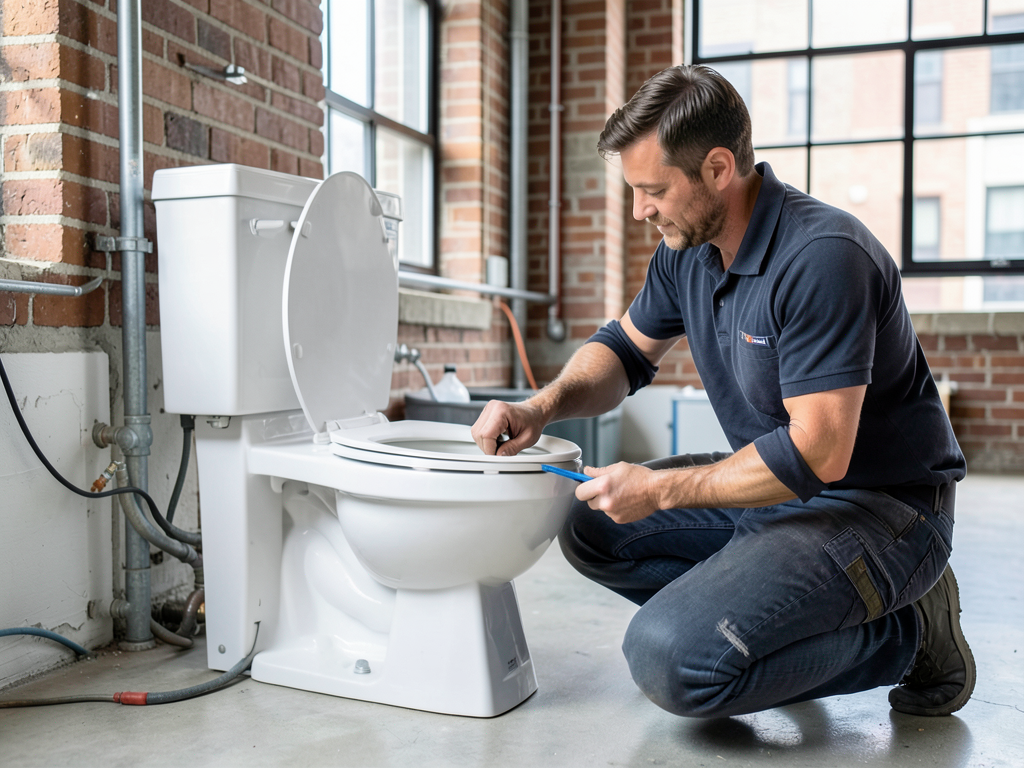
High-Performance Toilets for Busy Families Living in the Warehouse District
Warehouse District families need toilets that can handle heavy daily use without clogging or wasting water. Our historic lofts and converted warehouses come with unique plumbing challenges that demand high-performance fixtures designed for reliability. Fast Tankless Water Heater Installation for New Orleans Residents.
The right toilet makes a real difference in your daily routine. You need models that flush powerfully the first time, resist clogs from high-fiber diets common in health-conscious households, and conserve water to keep your Sewerage & Water Board bills manageable. In the Warehouse District, we also deal with older plumbing stacks that weren’t designed for modern water-saving fixtures. Sewerage & Water Board of New Orleans.
High-performance toilets combine powerful flushing technology with water efficiency. The best models use advanced bowl designs and larger trapways to prevent clogs while using only 1.28 gallons per flush or less. This matters in our neighborhood where older buildings have shared plumbing systems that can back up under heavy use. Fast Water Heater Repair and Replacement Services for Metairie Residents.
Living in the Warehouse District means dealing with specific plumbing realities. Many buildings converted from industrial use have original cast iron pipes that accumulate mineral buildup over decades. The right toilet needs extra flushing power to work reliably in these conditions without calling for emergency plumbing services. Who to Call for a 24 Hour Emergency Plumber in New Orleans.
Modern high-performance toilets use several technologies to achieve reliable flushing. Pressure-assisted models use compressed air for powerful flushes that clear waste completely. Gravity-fed high-performance toilets use larger flush valves and optimized bowl geometry to create strong siphonic action. Dual-flush options give you flexibility for liquid or solid waste.
The MaP (Maximum Performance) score tells you how much waste a toilet can handle in a single flush. For Warehouse District families, you want toilets with MaP scores of 800 grams or higher. This extra capacity prevents the frustration of multiple flushes and reduces the risk of embarrassing clogs when you have guests over.
Water conservation matters in New Orleans where water rates continue to rise. High-efficiency toilets (HET) use 20% less water than standard models while maintaining or improving performance. Over a year, a family of four can save thousands of gallons and hundreds of dollars on utility bills.. Read more about Why Your New Orleans Water Bill Is Suddenly Sky High (and How to Fix It).
Installation in Warehouse District buildings requires special consideration. Many units have limited access to plumbing stacks, and some older buildings have non-standard rough-in dimensions. Professional installation ensures proper sealing and prevents the water damage that can occur with DIY attempts in these unique spaces.. Read more about Tankless or Traditional Water Heaters — Which One Actually Makes Sense for a Harvey Family?.
Top High-Performance Toilet Features for Warehouse District Living
Warehouse District families need toilets that can handle the unique demands of urban loft living. The right features make all the difference between a reliable fixture and constant plumbing headaches.
Look for toilets with fully glazed trapways that measure at least 2-1/8 inches in diameter. This larger opening prevents clogs from common household waste and toilet paper. The glazing creates a slippery surface that helps waste slide through easily, even in older pipes with mineral buildup.
Flush valve size matters more than you might think. Toilets with 3-inch flush valves move more water faster than standard 2-inch valves. This increased volume creates the powerful siphonic action needed to clear waste completely in a single flush. In Warehouse District buildings with aging plumbing, this extra power prevents backups.. Read more about Why Your New Orleans Water Bill Is Skyrocketing (And What to Check First).
Noise level becomes important in open loft spaces. High-performance toilets now offer quiet-flush technology that reduces the loud whoosh sound of older pressure-assisted models. This matters when bedrooms and living areas share the same space as the bathroom.. Read more about Adding a Bidet to Your Bathroom Remodel in the Irish Channel.
Water surface area affects both cleaning and odor control. Toilets with larger water spots keep waste contained and reduce streaking on bowl surfaces. This means less frequent cleaning and better hygiene for busy families who don’t have time for constant bathroom maintenance.
Comfort height models at 17-19 inches from floor to seat make sitting and standing easier for all family members. This becomes especially important in Warehouse District lofts where space might be limited and accessibility matters for aging residents or those with mobility issues.
Quick-release seat hinges allow for easy cleaning underneath the seat. In busy households, this simple feature makes a big difference in maintaining bathroom hygiene without disassembling the entire toilet.
MaP Score Explained: What Really Matters for Your Family
MaP testing measures how much solid waste a toilet can flush completely in a single operation. The test uses soybean paste that mimics human waste consistency. Understanding these scores helps you choose toilets that actually work in real-world conditions.
Basic toilets score between 250-350 grams, but these often struggle with modern toilet paper and typical household waste. For Warehouse District families, you need toilets scoring 800 grams or higher. These models handle everything from large waste volumes to thick toilet paper without clogging.
The testing process involves gradually adding more soybean paste until the toilet fails to clear waste completely. A score of 800 grams means the toilet successfully flushed that amount in one operation. This translates to real-world reliability when your teenager uses half a roll of toilet paper or when you host a dinner party.
Pressure-assisted toilets typically score highest, often reaching 1,000+ grams. However, they can be loud and may not be suitable for all Warehouse District buildings due to shared plumbing stacks. Modern gravity-fed high-performance models now achieve similar scores with much quieter operation.
WaterSense certification ensures the toilet uses no more than 1.28 gallons per flush while maintaining minimum MaP scores of 350 grams. This balance of efficiency and performance matters for both your water bill and environmental impact in our community.
Commercial-grade toilets often score 1,000+ grams but use 1.6 gallons per flush. While powerful, these don’t meet current WaterSense standards for residential use. The best high-performance residential models achieve 800+ gram scores while using only 1.28 gallons.
Warehouse District Plumbing Challenges and Solutions
Warehouse District buildings present unique plumbing challenges that affect toilet performance. Understanding these issues helps you choose fixtures that work reliably in our historic neighborhood.
Many Warehouse District buildings were converted from industrial use in the 1980s and 1990s. The original plumbing stacks were designed for light commercial use, not modern residential demands. These older pipes accumulate mineral deposits that restrict flow and increase clog risk.
Cast iron pipes, common in buildings constructed before 1970, corrode from the inside over decades. This creates rough surfaces that catch waste and toilet paper, leading to frequent clogs. High-performance toilets with larger trapways and more powerful flushing help overcome these limitations.
Shared plumbing stacks in multi-unit buildings mean your toilet’s performance affects neighbors above and below you. Poor flushing can cause backups that impact multiple units. Choosing toilets with proven reliability prevents these costly and embarrassing situations.
Water pressure in converted warehouses varies significantly. Some buildings have low pressure due to aging infrastructure, while others have adequate pressure but poor flow due to pipe restrictions. Pressure-assisted toilets work well in low-pressure situations but may cause issues in buildings with sensitive shared systems.
The age of your building affects toilet selection. Pre-1940s buildings often have 10-inch rough-in dimensions instead of the standard 12 inches. This requires specific toilet models or adapter kits. Professional measurement prevents costly ordering mistakes.
Installation Considerations for Warehouse District Lofts
Installing high-performance toilets in Warehouse District lofts requires attention to building-specific details that affect both performance and compliance with local codes.. Read more about Why You Should Install a Smart Leak Detector in Your CBD Vacation Rental.
Historic District regulations in the Warehouse District may restrict certain modifications to plumbing systems. Always check with the New Orleans Historic District Landmarks Commission before making changes. Some buildings require preservation of original plumbing chases and vent configurations.
Water hammer arrestors may be necessary in older buildings where pressure changes cause pipes to bang when toilets fill. This protects both your new toilet and the building’s plumbing system from damage caused by sudden water pressure changes.
Floor mounting in converted warehouses sometimes reveals unexpected issues. Some buildings have hollow tile floors that require special mounting hardware. Others have uneven floors from decades of settling that need shimming for proper toilet installation.
Access panels for shut-off valves should be considered during installation. In many Warehouse District units, valves are hidden behind walls or under flooring. Creating proper access points makes future maintenance much easier and prevents damage during emergency repairs. EPA WaterSense program.
Proper wax ring selection matters more than many realize. Standard wax rings work for most installations, but some Warehouse District buildings require extra-thick rings or reinforced options due to floor irregularities or unique flange configurations.
Cost Comparison: High-Performance vs Standard Toilets
Understanding the true cost of toilet ownership helps Warehouse District families make informed decisions. The initial price is just one factor in the total cost equation.
Standard toilets typically cost $100-$200 but often require multiple flushes, leading to water waste and potential clogs. High-performance models range from $250-$600 but save money through reliable single-flush operation and water efficiency.
Installation costs vary based on building conditions. Standard replacements in modern buildings might cost $150-$250. Warehouse District installations often require $300-$500 due to potential complications with older plumbing, access issues, or code compliance requirements.
Water savings add up quickly. A family switching from a 3.5 GPF toilet to a 1.28 GPF high-efficiency model saves approximately 10,000-15,000 gallons annually. At current Sewerage & Water Board rates, this translates to $80-$120 in annual water bill savings.
Clog prevention provides significant value. Each emergency plumbing call for a clogged toilet costs $150-$300. High-performance toilets with MaP scores above 800 dramatically reduce these service calls, potentially saving $200-$600 annually for busy families. Emergency Drain Cleaning Services for Metairie Homeowners and Businesses.
Long-term durability favors quality fixtures. High-performance toilets from reputable manufacturers typically last 15-20 years with proper maintenance. Cheaper models often develop issues within 5-7 years, requiring replacement and additional installation costs.
Top High-Performance Toilet Models for Warehouse District Families
Based on years of installation experience in the Warehouse District, these models consistently deliver the reliability and performance that busy families need.
TOTO Drake II stands out for its proven track record in New Orleans buildings. The double cyclone flushing system creates powerful siphonic action while using only 1.28 gallons per flush. With MaP scores around 1,000 grams, it handles everything a busy family can throw at it without clogging.
Kohler Highline Classic offers excellent value with reliable performance. The Class Five flushing technology provides strong waste removal while maintaining quiet operation. This model works particularly well in buildings with moderate water pressure and older plumbing systems.
American Standard Champion 4 lives up to its reputation with a 4-inch piston action accelerator flush valve. The large 2-3/8 inch trapway and MaP score of 1,000+ grams make it nearly clog-proof. The EverClean surface inhibits mold and mildew growth, reducing cleaning frequency.
Niagara Stealth uses innovative vacuum-assist technology to achieve incredible water efficiency at 0.8 gallons per flush. While the flushing sound is unique, the performance matches or exceeds standard 1.28 GPF models. This makes it ideal for families focused on maximum water conservation.
Glacier Bay High Efficiency One-Piece combines modern styling with reliable performance. The seamless design eliminates hard-to-clean crevices, and the compact tank provides more bowl space. This model works well in Warehouse District lofts where space optimization matters.
Maintenance Tips for Long-Lasting Performance
Proper maintenance keeps your high-performance toilet working reliably for years. These simple practices prevent most common issues and extend fixture life.
Monthly cleaning with non-abrasive cleaners prevents mineral buildup that can affect flushing performance. Avoid harsh chemicals that can damage toilet components. For Warehouse District buildings with hard water, consider using a toilet bowl cleaner specifically designed for mineral deposit removal.
Check the fill valve annually for proper operation. A malfunctioning fill valve can cause weak flushes or constant running, wasting water and reducing performance. Replacement parts are inexpensive and installation takes less than 30 minutes for most models.
Inspect the flapper every six months. Even high-quality flappers deteriorate over time, causing incomplete flushes or water waste. Replacement is simple and prevents the frustration of toilets that don’t flush completely.
Keep the area around the base clean and dry. Water accumulation can indicate wax ring failure, which requires prompt attention to prevent subfloor damage. In Warehouse District buildings with wood framing, this is especially important to prevent rot and structural issues.
Teach family members proper toilet paper usage. Even high-performance toilets have limits. Excessive paper use is the leading cause of clogs in otherwise reliable fixtures. Modern low-flow toilets work best with moderate paper use and proper flushing technique.
Water Conservation and Local Utility Savings
High-performance toilets contribute significantly to water conservation efforts in New Orleans while providing direct financial benefits to Warehouse District families.
The Sewerage & Water Board offers rebates for replacing older toilets with WaterSense certified models. Current programs provide $50-$100 per toilet replaced, making upgrades more affordable. Check their website for current availability and application requirements.
A typical family of four uses 30-40% of household water for toilet flushing. Switching from a 3.5 GPF toilet to a 1.28 GPF model reduces this usage by over 60%. This translates to thousands of gallons saved annually and lower utility bills.
Beyond direct savings, water conservation reduces strain on New Orleans’ aging infrastructure. Every gallon saved means less water that needs treatment and pumping, helping delay costly system upgrades that could lead to future rate increases.
High-efficiency toilets also reduce the energy required to pump and treat wastewater. This indirect environmental benefit multiplies the positive impact of your upgrade beyond just water savings.
During drought conditions or water restrictions, which occasionally affect the New Orleans area, efficient toilets ensure your household maintains normal function while neighbors with older fixtures may face limitations.
Professional Installation: Why DIY Often Fails in Warehouse District Buildings
Professional installation ensures your high-performance toilet works correctly from day one. The unique characteristics of Warehouse District buildings make DIY installation risky and often problematic.
Proper flange height is critical for preventing leaks. In many Warehouse District units, the existing flange sits too high or too low relative to the finished floor. Professional installers know how to correct these issues using specialized spacers or repair kits. Fixing Slab Leaks and Foundation Plumbing in Your Garden District Home.
Water supply line compatibility often surprises DIY installers. Older buildings may have compression fittings or copper tubing that requires specific adapters for modern toilets. Incorrect connections lead to leaks that can damage floors and ceilings below.
Leveling a toilet on uneven Warehouse District floors requires skill and proper materials. Shimming with incorrect materials or improper techniques causes toilets to rock, breaking wax seals and leading to water damage over time.
Building codes in the Warehouse District may require permits for toilet replacement, especially in buildings with historical significance. Professional plumbers handle permitting and ensure all work meets current code requirements, preventing potential fines or required rework.
Warranty protection often requires professional installation. Many manufacturers void warranties if fixtures aren’t installed by licensed professionals. This protection proves valuable when rare defects occur or when performance issues arise.
Emergency Troubleshooting Guide
Even high-performance toilets occasionally experience issues. This guide helps Warehouse District families handle common problems before they become emergencies.
Weak flushing often indicates a simple fix. Check the water level in the tank first. It should be about 1/2 inch below the overflow tube. If low, adjust the fill valve according to the manufacturer’s instructions. This simple adjustment restores proper flushing power.
Gurgling sounds during flushing suggest vent pipe issues. In Warehouse District buildings, shared vent stacks can become partially blocked by debris or mineral buildup. While temporary plunging might help, persistent gurgling requires professional vent cleaning to prevent sewer gas backup.
Phantom flushing occurs when toilets fill periodically without use. This typically means a deteriorating flapper that doesn’t seal properly. Replace the flapper assembly as a complete unit rather than just the seal for best results and longest service life.
Rocking toilets indicate failed wax seals or improper installation. Continuing to use a rocking toilet will cause water damage to floors and ceilings below. Turn off the water supply and contact a professional immediately to prevent costly structural repairs.
Multiple flushes needed for complete clearing suggest either a partial clog in the trapway or inadequate water volume during the flush cycle. Check for mineral buildup around the rim holes and clean if necessary. If problems persist, professional augering may be required.
Frequently Asked Questions
What MaP score should I look for in a high-performance toilet?
For Warehouse District families, choose toilets with MaP scores of 800 grams or higher. This ensures reliable single-flush performance even with heavy use and prevents embarrassing clogs when you have guests over.
Are high-performance toilets worth the extra cost?
Yes. While they cost $100-$400 more initially, high-performance toilets save $200-$600 annually through water conservation, reduced clog service calls, and longer lifespan. Most pay for themselves within 2-3 years.
Can I install a high-performance toilet myself in my Warehouse District loft?
DIY installation is risky in Warehouse District buildings due to unique plumbing configurations, potential code requirements, and the need for proper sealing on older floors. Professional installation prevents costly water damage and ensures warranty protection.
How much water do high-performance toilets really save?
High-efficiency models use 1.28 gallons per flush compared to 3.5-5 gallons for older toilets. A family of four saves 10,000-15,000 gallons annually, reducing water bills by $80-$120 per year at current Sewerage & Water Board rates.
What’s the difference between pressure-assisted and gravity-fed high-performance toilets?
Pressure-assisted toilets use compressed air for powerful flushing but can be loud and may cause issues in buildings with shared plumbing. Modern gravity-fed high-performance models achieve similar results with quieter operation and better compatibility with Warehouse District building systems.
How long do high-performance toilets typically last?
Quality high-performance toilets from reputable manufacturers last 15-20 years with proper maintenance. Components like flappers and fill valves may need replacement every 5-7 years, but the fixture itself provides reliable service for decades.
Ready to Upgrade Your Warehouse District Toilet?
Don’t let toilet problems disrupt your busy family life. Our experienced team understands the unique plumbing challenges of Warehouse District buildings and can recommend the perfect high-performance toilet for your specific situation.
We handle everything from selection assistance to professional installation, ensuring your new toilet works perfectly from day one. Our installations include proper sealing, code compliance verification, and thorough testing to prevent future issues.
Call (985) 279-3332 today to schedule your free consultation. We’ll assess your current toilet, discuss your family’s needs, and provide a detailed quote for upgrade options. Weekend and evening appointments available to accommodate your busy schedule.
Pick up the phone and call (985) 279-3332 before the next frustrating clog forces you to deal with emergency plumbing services. Your family deserves reliable, efficient bathroom fixtures that work when you need them most.
Don’t wait until a minor toilet issue becomes a major problem. Contact Liberty Plumbing now at (985) 279-3332 and take the first step toward worry-free bathroom performance in your Warehouse District home.
{
“@context”: “https://schema.org”,
“@type”: “BlogPosting”,
“headline”: “High-Performance Toilets for Busy Families Living in the Warehouse District”,
“description”: “Discover the best high-performance toilets for your Warehouse District loft. Learn about MaP scores, water efficiency, and professional installation from Liberty Plumbing.”,
“wordCount”: 3172,
“datePublished”: “2026-04-02T06:43:00.000Z”,
“dateModified”: “2026-04-02T06:43:00.000Z”,
“inLanguage”: “en-US”,
“mainEntityOfPage”: {
“@type”: “WebPage”,
“@id”: “https://libertyplumbingneworleans.com”
},
“publisher”: {
“@type”: “LocalBusiness”,
“name”: “Liberty Plumbing New Orleans”,
“url”: “https://libertyplumbingneworleans.com”
},
“author”: {
“@type”: “Organization”,
“name”: “Liberty Plumbing New Orleans”,
“url”: “https://libertyplumbingneworleans.com”
},
“image”: {
“@type”: “ImageObject”,
“url”: “https://libertyplumbingneworleans.com/wp-content/uploads/2026/03/high-performance-toilets-for-busy-families-living-1.png”
}
}
{
“@context”: “https://schema.org”,
“@type”: “Plumber”,
“name”: “Liberty Plumbing New Orleans”,
“url”: “https://libertyplumbingneworleans.com”,
“address”: {
“@type”: “PostalAddress”,
“addressLocality”: “New Orleans”
},
“areaServed”: {
“@type”: “City”,
“name”: “New Orleans”
}
}
{
“@context”: “https://schema.org”,
“@type”: “FAQPage”,
“mainEntity”: [
{
“@type”: “Question”,
“name”: “What MaP score should I look for in a high-performance toilet?”,
“acceptedAnswer”: {
“@type”: “Answer”,
“text”: “For Warehouse District families, choose toilets with MaP scores of 800 grams or higher. This ensures reliable single-flush performance even with heavy use and prevents embarrassing clogs when you have guests over.”
}
},
{
“@type”: “Question”,
“name”: “Are high-performance toilets worth the extra cost?”,
“acceptedAnswer”: {
“@type”: “Answer”,
“text”: “Yes. While they cost $100-$400 more initially, high-performance toilets save $200-$600 annually through water conservation, reduced clog service calls, and longer lifespan. Most pay for themselves within 2-3 years.”
}
},
{
“@type”: “Question”,
“name”: “Can I install a high-performance toilet myself in my Warehouse District loft?”,
“acceptedAnswer”: {
“@type”: “Answer”,
“text”: “DIY installation is risky in Warehouse District buildings due to unique plumbing configurations, potential code requirements, and the need for proper sealing on older floors. Professional installation prevents costly water damage and ensures warranty protection.”
}
},
{
“@type”: “Question”,
“name”: “How much water do high-performance toilets really save?”,
“acceptedAnswer”: {
“@type”: “Answer”,
“text”: “High-efficiency models use 1.28 gallons per flush compared to 3.5-5 gallons for older toilets. A family of four saves 10,000-15,000 gallons annually, reducing water bills by $80-$120 per year at current Sewerage & Water Board rates.”
}
},
{
“@type”: “Question”,
“name”: “What’s the difference between pressure-assisted and gravity-fed high-performance toilets?”,
“acceptedAnswer”: {
“@type”: “Answer”,
“text”: “Pressure-assisted toilets use compressed air for powerful flushing but can be loud and may cause issues in buildings with shared plumbing. Modern gravity-fed high-performance models achieve similar results with quieter operation and better compatibility with Warehouse District building systems.”
}
},
{
“@type”: “Question”,
“name”: “How long do high-performance toilets typically last?”,
“acceptedAnswer”: {
“@type”: “Answer”,
“text”: “Quality high-performance toilets from reputable manufacturers last 15-20 years with proper maintenance. Components like flappers and fill valves may need replacement every 5-7 years, but the fixture itself provides reliable service for decades.”
}
},
{
“@type”: “Question”,
“name”: “Ready to Upgrade Your Warehouse District Toilet?”,
“acceptedAnswer”: {
“@type”: “Answer”,
“text”: “Don’t let toilet problems disrupt your busy family life. Our experienced team understands the unique plumbing challenges of Warehouse District buildings and can recommend the perfect high-performance toilet for your specific situation.”
}
}
]
}
{
“@context”: “https://schema.org”,
“@type”: “BreadcrumbList”,
“itemListElement”: [
{
“@type”: “ListItem”,
“position”: 1,
“name”: “Home”,
“item”: “https://libertyplumbingneworleans.com”
},
{
“@type”: “ListItem”,
“position”: 2,
“name”: “Blog”,
“item”: “https://libertyplumbingneworleans.com/blog”
},
{
“@type”: “ListItem”,
“position”: 3,
“name”: “High-Performance Toilets for Busy Families Living in the Warehouse District”
}
]
}
{
“@context”: “https://schema.org”,
“@type”: “Service”,
“serviceType”: “Plumbing”,
“provider”: {
“@type”: “LocalBusiness”,
“name”: “Liberty Plumbing New Orleans”,
“url”: “https://libertyplumbingneworleans.com”
},
“areaServed”: {
“@type”: “City”,
“name”: “New Orleans”
},
“description”: “Discover the best high-performance toilets for your Warehouse District loft. Learn about MaP scores, water efficiency, and professional installation from Liberty Plumbing.”
}