
How to Combine Plumbing Systems When Converting a Mid-City Double into a Single Family Home
Converting a Mid-City double into a single family home requires careful planning when merging two separate plumbing systems into one. The process involves rerouting sewer lines, consolidating water meters, and ensuring everything meets New Orleans Sewerage and Water Board (SWBNO) regulations. This guide walks you through the technical steps, code requirements, and common challenges specific to Mid-City’s historic architecture and soil conditions. Sewerage and Water Board of New Orleans.
Understanding Mid-City Double Conversions
Mid-City doubles typically feature side-by-side units with separate plumbing systems. Each unit has its own water meter, sewer line, and often distinct drainage patterns. When combining these into a single family home, you’re essentially creating a new plumbing infrastructure that must handle increased capacity while maintaining proper flow and venting. Fast Tankless Water Heater Installation for New Orleans Residents.
The most critical factor is understanding how Mid-City’s alluvial soil and high water table affect underground work. The area’s clay-heavy composition can shift significantly, requiring proper bedding for new pipes and careful consideration of existing cast iron lines that may be corroded or misaligned. Fast Water Heater Repair and Replacement Services for Metairie Residents.
Before starting any work, you’ll need permits from both SWBNO and the City of New Orleans. The SWBNO requires specific documentation showing how you’ll consolidate meters and ensure proper backflow prevention. Missing these permits can result in fines and forced rework.
Step-by-Step Process for Combining Plumbing Systems
Successfully merging two plumbing systems requires following a specific sequence. Skipping steps or rushing the process often leads to costly mistakes that require excavation to fix.
- Initial Assessment and Planning
Begin with a camera inspection of both existing sewer lines. Look for bellies, root intrusion, or collapsed sections. Map out where each line runs and identify any shared cleanouts. This diagnostic step reveals whether you can tie into existing infrastructure or need complete replacement.
- Permit Acquisition
Submit SWBNO Form 1 and Form 2 for meter consolidation. Include detailed plumbing plans showing new line routes, cleanout locations, and backflow preventer placement. The permitting process typically takes 2-3 weeks in Mid-City due to historic district considerations.
- Main Line Consolidation
Identify the most direct path to the main sewer line. In Mid-City, this often means working around mature oak tree roots and existing utility lines. Use directional boring when possible to minimize surface disruption. The new combined line must be at least 4 inches in diameter for residential use.
- Water Meter Consolidation
SWBNO requires keeping both meters active during transition. Install a bypass system allowing you to switch between old and new configurations. This ensures continuous water service while testing the new setup. The final consolidation involves SWBNO physically removing one meter and updating their records.
- Vent Stack Integration
Combine vent stacks from both units into a single vent that extends through the roof. The combined vent must maintain proper diameter (typically 2-3 inches) and cannot have more than 90 degrees of directional change. Improper venting causes slow drainage and trap siphoning. Emergency Drain Cleaning Services for Metairie Homeowners and Businesses.
- Final Testing and Inspection
Pressure test all new connections for 15 minutes minimum. Perform smoke testing to identify any leaks in vent connections. Schedule final inspection with SWBNO and the city plumbing inspector. They’ll verify proper backflow prevention and meter configuration. Fixing Slab Leaks and Foundation Plumbing in Your Garden District Home.
Mid-City Specific Plumbing Challenges
Mid-City presents unique challenges that generic plumbing guides don’t address. Understanding these factors prevents costly mistakes during your conversion.
The neighborhood’s historic shotgun houses and raised pier foundations mean you’ll often work in tight crawl spaces with limited overhead clearance. This affects how you can route new pipes and install cleanouts. Many Mid-City homes built before 1950 used lead joints in cast iron pipes, which become brittle and leak over time.
Soil subsidence is a major concern in Mid-City. The area’s alluvial soil can shift up to several inches annually, putting stress on underground connections. Use flexible couplings at key junctions and ensure proper bedding with sand or gravel to prevent pipe breakage.
Tree root intrusion is particularly problematic in Mid-City’s older neighborhoods. Live oaks and other large trees have extensive root systems that seek water sources. When consolidating lines, avoid running pipes within 10 feet of large tree trunks unless you install root barriers.
According to the New Orleans Municipal Code Chapter 24, Article III, any modification to existing sewer lines requires compliance with current slope requirements of 1/4 inch per foot minimum. This ensures proper drainage even during heavy rain events common to the area.
Cost Factors and Timeline Considerations
The cost to combine plumbing systems varies significantly based on several factors. Understanding these variables helps you budget accurately and avoid surprises.
Basic consolidation of two standard systems typically ranges from $8,000 to $15,000. However, Mid-City’s specific challenges can push costs higher. Cast iron replacement, tree root management, and historic district compliance requirements all add to the final price.
Timeline expectations should account for permit processing, which can take 3-6 weeks in Mid-City due to historic district reviews. Actual construction typically requires 3-5 days for a straightforward job, but complications can extend this to 2-3 weeks.
Additional costs often arise from unexpected discoveries during excavation. Finding deteriorated pipes, improper previous work, or utility conflicts requires immediate resolution before proceeding. Budget an additional 15-20% for contingencies.
Consider temporary housing arrangements if your project involves extensive work. While basic consolidation allows you to stay in the home, major rerouting or foundation work may require temporary relocation for safety and code compliance.
Choosing Between DIY and Professional Installation
While some homeowners consider DIY plumbing work to save money, combining two systems involves complexities that often require professional expertise.
DIY work might be feasible for very simple scenarios: both units have easily accessible crawl spaces, existing lines are in good condition, and you’re comfortable with basic plumbing tasks. However, even these situations require proper permitting and inspection.
Professional installation becomes necessary when dealing with cast iron replacement, main line rerouting, or any work requiring permits. Licensed plumbers understand SWBNO requirements, can navigate historic district regulations, and carry insurance that protects you from liability. Who to Call for a 24 Hour Emergency Plumber in New Orleans.
The cost difference between DIY and professional work often narrows when you factor in tool rentals, material waste from mistakes, and the value of your time. Professional plumbers also provide warranties on their work, giving you peace of mind.
If you do choose DIY, at minimum hire a licensed plumber for the final inspection and tie-in work. This ensures your system meets code requirements and prevents issues when you sell the home.
Common Mistakes to Avoid
Learning from others’ mistakes can save you significant time and money during your plumbing conversion.
Underestimating the importance of proper slope is a frequent error. Even slight deviations from the 1/4 inch per foot requirement can cause drainage problems that worsen over time. Use a laser level to verify slopes during installation.
Ignoring existing utility locations leads to dangerous situations. Always contact Louisiana One Call (811) before excavation. Gas lines, electrical conduits, and communication cables often run through areas where you plan to install new plumbing.
Failing to account for future access is another common mistake. Install cleanouts at every directional change and ensure they remain accessible after construction finishes. Avoid burying cleanouts under concrete or built-in cabinets.
Overlooking venting requirements causes chronic drainage issues. Each fixture requires proper venting to prevent trap siphoning. Don’t reduce vent pipe diameter or create sharp bends that impede airflow.
Skipping the final inspection might seem like a time-saver, but it creates problems when selling your home. Most buyers require proof of proper permits and inspections for major renovations.
Maintenance After Conversion
Once your combined plumbing system is operational, establish a maintenance routine to prevent future problems.
Schedule annual camera inspections of your main sewer line, especially important in Mid-City where soil movement is common. Early detection of bellies or root intrusion prevents major backups.
Clean all strainers and traps quarterly to prevent debris buildup. Mid-City’s older homes often have sediment in supply lines that can clog aerators and valves.
Test backflow preventers annually to ensure they’re functioning correctly. This is both a code requirement and a crucial protection against contamination.
Monitor water pressure regularly. Combined systems sometimes experience pressure fluctuations as different fixtures are used simultaneously. Install pressure regulators if needed to protect appliances and fixtures.
Keep all permit documentation and inspection reports in a safe place. Future homeowners, contractors, or city inspectors may need to reference this information.
Frequently Asked Questions
How long does the entire conversion process take from start to finish?
The complete process typically requires 6-8 weeks when accounting for permit processing (3-6 weeks), actual construction (3-5 days for simple jobs, up to 3 weeks for complex ones), and final inspections. Rush jobs are possible but cost more and may compromise quality.
Do I need to replace all the existing plumbing or just consolidate the main lines?
Most conversions only require consolidating main sewer and water lines. Interior branch lines can often remain as-is if they’re in good condition. However, if existing pipes are galvanized steel or show signs of corrosion, replacement during the conversion makes sense since walls are already open.
What happens to the unused water meter after consolidation?
SWBNO will physically remove the unused meter and cap the line at their main. You cannot simply abandon a meter in place. The removal process requires coordination with SWBNO and typically occurs during your final inspection.
Will combining systems affect my home’s resale value?
Properly executed conversions typically increase value by creating a more functional single-family layout. However, unpermitted work can decrease value and create legal issues. Always obtain proper permits and inspections to protect your investment.
Can I keep both kitchens and just combine the utilities?
Yes, many homeowners keep both kitchen spaces for flexibility. You’ll still need to consolidate the main utility lines, but you can maintain separate kitchen areas. This approach often works well for homes that might be converted back to multi-family use in the future.

Diagram showing proper slope requirements and cleanout placement for combined sewer lines in Mid-City’s clay soil conditions.
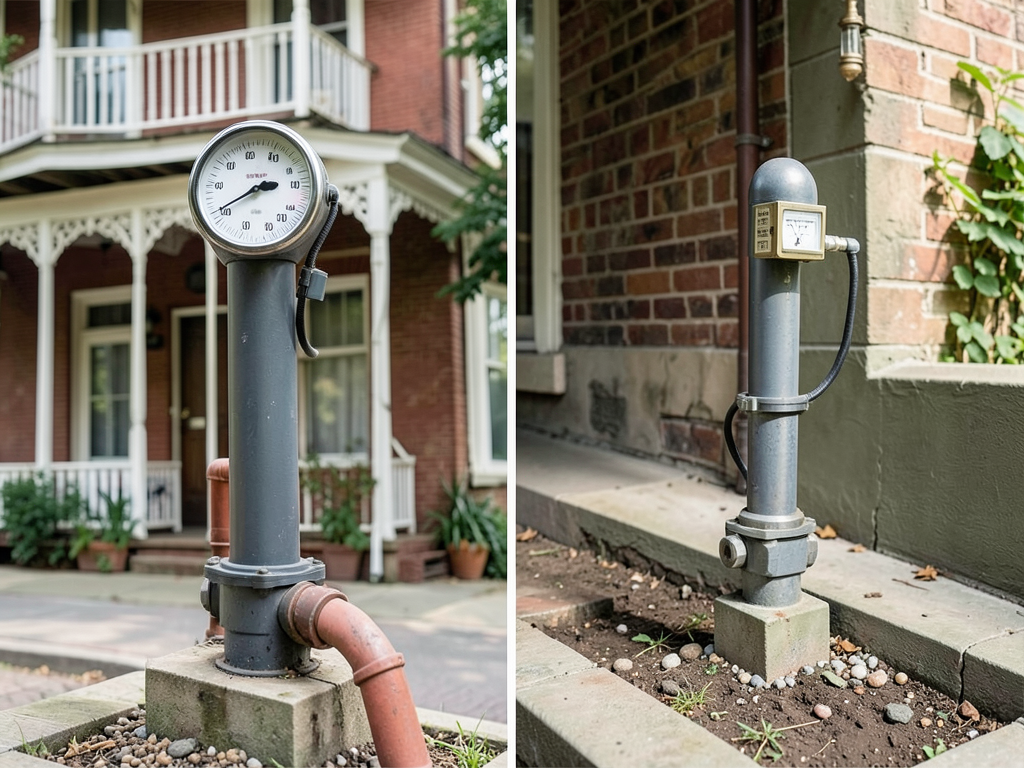
Photo of a completed meter consolidation showing proper backflow preventer installation and SWBNO-approved configuration.
Cross-section view of proper venting for combined plumbing systems, demonstrating correct pipe diameters and minimal directional changes.
Ready to Start Your Mid-City Conversion?
Combining plumbing systems when converting a Mid-City double requires expertise in local codes, soil conditions, and historic building methods. Don’t risk costly mistakes or code violations by attempting this complex project without proper guidance.
Call (985) 279-3332 today to schedule your initial consultation. Our licensed plumbers understand Mid-City’s unique challenges and can ensure your conversion meets all SWBNO and city requirements. We’ll provide a detailed plan, handle all permitting, and complete the work efficiently with minimal disruption to your home.
Pick up the phone and call (985) 279-3332 before the next storm hits. Proper plumbing consolidation protects your home from flooding and ensures reliable utility service for years to come.
Don’t wait until a small issue becomes a major problem. Contact us now to schedule your inspection and take the first step toward your single-family conversion. For more information, visit International Code Council.
{
“@context”: “https://schema.org”,
“@type”: “BlogPosting”,
“headline”: “How to Combine Plumbing Systems When Converting a Mid-City Double into a Single Family Home”,
“description”: “Learn how to merge two sewer lines and meters when converting a Mid-City double into a single family home. Expert New Orleans plumbing guide with code compliance.”,
“wordCount”: 1897,
“datePublished”: “2026-06-17T10:29:00.000Z”,
“dateModified”: “2026-06-17T10:29:00.000Z”,
“inLanguage”: “en-US”,
“mainEntityOfPage”: {
“@type”: “WebPage”,
“@id”: “https://libertyplumbingneworleans.com”
},
“publisher”: {
“@type”: “LocalBusiness”,
“name”: “Liberty Plumbing New Orleans”,
“url”: “https://libertyplumbingneworleans.com”
},
“author”: {
“@type”: “Organization”,
“name”: “Liberty Plumbing New Orleans”,
“url”: “https://libertyplumbingneworleans.com”
},
“image”: {
“@type”: “ImageObject”,
“url”: “https://libertyplumbingneworleans.com/wp-content/uploads/2026/03/how-to-combine-plumbing-systems-when-converting-a-1.png”
}
}
{
“@context”: “https://schema.org”,
“@type”: “Plumber”,
“name”: “Liberty Plumbing New Orleans”,
“url”: “https://libertyplumbingneworleans.com”,
“address”: {
“@type”: “PostalAddress”,
“addressLocality”: “New Orleans”
},
“areaServed”: {
“@type”: “City”,
“name”: “New Orleans”
}
}
{
“@context”: “https://schema.org”,
“@type”: “FAQPage”,
“mainEntity”: [
{
“@type”: “Question”,
“name”: “How long does the entire conversion process take from start to finish?”,
“acceptedAnswer”: {
“@type”: “Answer”,
“text”: “The complete process typically requires 6-8 weeks when accounting for permit processing (3-6 weeks), actual construction (3-5 days for simple jobs, up to 3 weeks for complex ones), and final inspections. Rush jobs are possible but cost more and may compromise quality.”
}
},
{
“@type”: “Question”,
“name”: “Do I need to replace all the existing plumbing or just consolidate the main lines?”,
“acceptedAnswer”: {
“@type”: “Answer”,
“text”: “Most conversions only require consolidating main sewer and water lines. Interior branch lines can often remain as-is if they’re in good condition. However, if existing pipes are galvanized steel or show signs of corrosion, replacement during the conversion makes sense since walls are already open.”
}
},
{
“@type”: “Question”,
“name”: “What happens to the unused water meter after consolidation?”,
“acceptedAnswer”: {
“@type”: “Answer”,
“text”: “SWBNO will physically remove the unused meter and cap the line at their main. You cannot simply abandon a meter in place. The removal process requires coordination with SWBNO and typically occurs during your final inspection.”
}
},
{
“@type”: “Question”,
“name”: “Will combining systems affect my home’s resale value?”,
“acceptedAnswer”: {
“@type”: “Answer”,
“text”: “Properly executed conversions typically increase value by creating a more functional single-family layout. However, unpermitted work can decrease value and create legal issues. Always obtain proper permits and inspections to protect your investment.”
}
},
{
“@type”: “Question”,
“name”: “Can I keep both kitchens and just combine the utilities?”,
“acceptedAnswer”: {
“@type”: “Answer”,
“text”: “Yes, many homeowners keep both kitchen spaces for flexibility. You’ll still need to consolidate the main utility lines, but you can maintain separate kitchen areas. This approach often works well for homes that might be converted back to multi-family use in the future.”
}
},
{
“@type”: “Question”,
“name”: “Ready to Start Your Mid-City Conversion?”,
“acceptedAnswer”: {
“@type”: “Answer”,
“text”: “Combining plumbing systems when converting a Mid-City double requires expertise in local codes, soil conditions, and historic building methods. Don’t risk costly mistakes or code violations by attempting this complex project without proper guidance.”
}
}
]
}
{
“@context”: “https://schema.org”,
“@type”: “HowTo”,
“name”: “Combining Plumbing Systems”,
“step”: [
{
“@type”: “HowToStep”,
“position”: 1,
“name”: “Initial Assessment and Planning”,
“text”: “Begin with a camera inspection of both existing sewer lines. Look for bellies, root intrusion, or collapsed sections. Map out where each line runs and identify any shared cleanouts. This diagnostic step reveals whether you can tie into existing infrastructure or need complete replacement.”
},
{
“@type”: “HowToStep”,
“position”: 2,
“name”: “Permit Acquisition”,
“text”: “Submit SWBNO Form 1 and Form 2 for meter consolidation. Include detailed plumbing plans showing new line routes, cleanout locations, and backflow preventer placement. The permitting process typically takes 2-3 weeks in Mid-City due to historic district considerations.”
},
{
“@type”: “HowToStep”,
“position”: 3,
“name”: “Main Line Consolidation”,
“text”: “Identify the most direct path to the main sewer line. In Mid-City, this often means working around mature oak tree roots and existing utility lines. Use directional boring when possible to minimize surface disruption. The new combined line must be at least 4 inches in diameter for residential use.”
},
{
“@type”: “HowToStep”,
“position”: 4,
“name”: “Water Meter Consolidation”,
“text”: “SWBNO requires keeping both meters active during transition. Install a bypass system allowing you to switch between old and new configurations. This ensures continuous water service while testing the new setup. The final consolidation involves SWBNO physically removing one meter and updating their records.”
},
{
“@type”: “HowToStep”,
“position”: 5,
“name”: “Vent Stack Integration”,
“text”: “Combine vent stacks from both units into a single vent that extends through the roof. The combined vent must maintain proper diameter (typically 2-3 inches) and cannot have more than 90 degrees of directional change. Improper venting causes slow drainage and trap siphoning. Emergency Drain Cleaning Services for Metairie Homeowners and Businesses.”
},
{
“@type”: “HowToStep”,
“position”: 6,
“name”: “Final Testing and Inspection”,
“text”: “Pressure test all new connections for 15 minutes minimum. Perform smoke testing to identify any leaks in vent connections. Schedule final inspection with SWBNO and the city plumbing inspector. They’ll verify proper backflow prevention and meter configuration. Fixing Slab Leaks and Foundation Plumbing in Your Garden District Home.”
}
],
“image”: “https://libertyplumbingneworleans.com/wp-content/uploads/2026/03/how-to-combine-plumbing-systems-when-converting-a-1.png”
}
{
“@context”: “https://schema.org”,
“@type”: “BreadcrumbList”,
“itemListElement”: [
{
“@type”: “ListItem”,
“position”: 1,
“name”: “Home”,
“item”: “https://libertyplumbingneworleans.com”
},
{
“@type”: “ListItem”,
“position”: 2,
“name”: “Blog”,
“item”: “https://libertyplumbingneworleans.com/blog”
},
{
“@type”: “ListItem”,
“position”: 3,
“name”: “How to Combine Plumbing Systems When Converting a Mid-City Double into a Single Family Home”
}
]
}
{
“@context”: “https://schema.org”,
“@type”: “Service”,
“serviceType”: “Plumbing”,
“provider”: {
“@type”: “LocalBusiness”,
“name”: “Liberty Plumbing New Orleans”,
“url”: “https://libertyplumbingneworleans.com”
},
“areaServed”: {
“@type”: “City”,
“name”: “New Orleans”
},
“description”: “Learn how to merge two sewer lines and meters when converting a Mid-City double into a single family home. Expert New Orleans plumbing guide with code compliance.”
}