
Converting from Septic to City Sewer Systems in Chalmette
Converting from a septic system to city sewer in Chalmette requires navigating specific St. Bernard Parish regulations and understanding the unique soil conditions of the Mississippi River Delta. The process involves decommissioning your existing septic tank, installing new lateral lines, and connecting to the municipal sewer main. Most Chalmette homeowners face this decision due to aging septic systems, property sales, or parish mandates for areas near the Mississippi River Gulf Outlet. The conversion typically takes 3-5 days and requires permits from the St. Bernard Parish Department of Public Works. St. Bernard Parish Department of Public Works.
Why Switch from Septic to City Sewer in St. Bernard Parish?
St. Bernard Parish experiences high water tables and clay-heavy soil that create unique challenges for septic systems. The Mississippi River Gulf Outlet’s legacy has left parts of Chalmette with compromised soil stability and drainage issues. Converting to city sewer eliminates the need for septic tank pumping every 3-5 years and removes the risk of system failure during hurricane season flooding. Property values typically increase by 5-10% after conversion since municipal sewer connections are preferred by most buyers in the New Orleans metro area. Fast Tankless Water Heater Installation for New Orleans Residents.
Environmental factors also drive conversions. Failing septic systems can contaminate groundwater and nearby waterways, particularly concerning in low-lying areas where the water table sits just 2-3 feet below the surface. The EPA’s National Pollutant Discharge Elimination System (NPDES) regulations require proper wastewater treatment, and municipal systems provide more reliable compliance than aging septic installations. EPA’s National Pollutant Discharge Elimination System.
Our Step-by-Step Conversion Process
The conversion process follows a specific sequence to ensure proper function and code compliance. First, our team obtains necessary permits from St. Bernard Parish Public Works, which includes submitting site plans and soil percolation test results. We then locate the existing septic tank and mark all underground utilities using Louisiana One Call services.
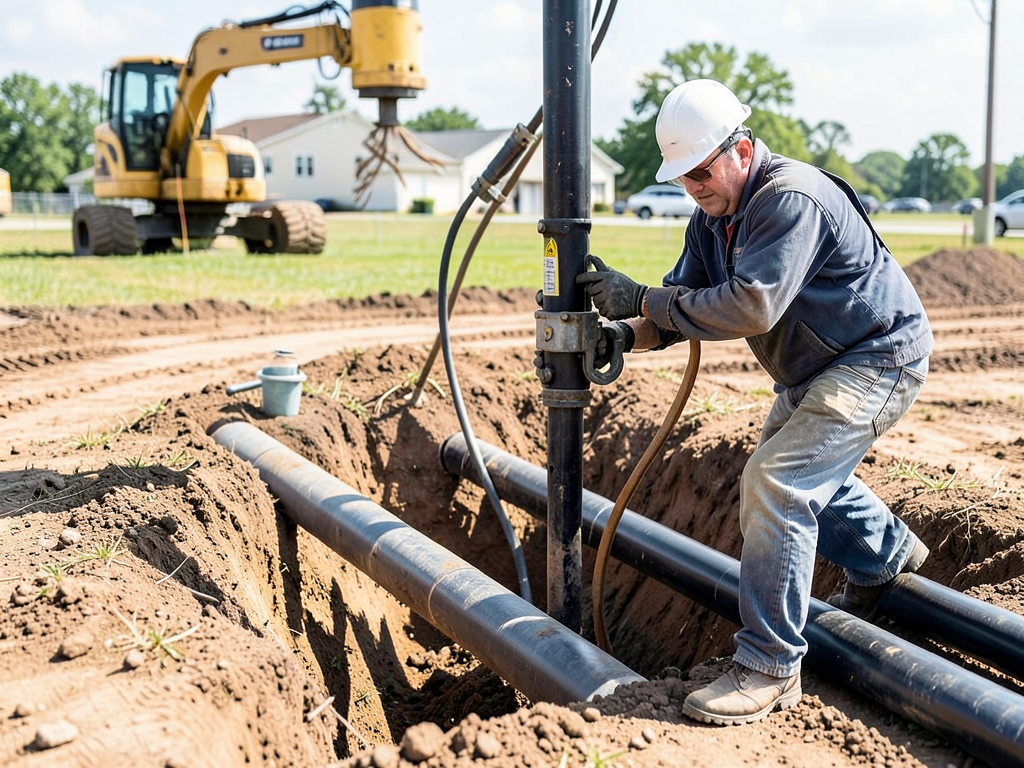
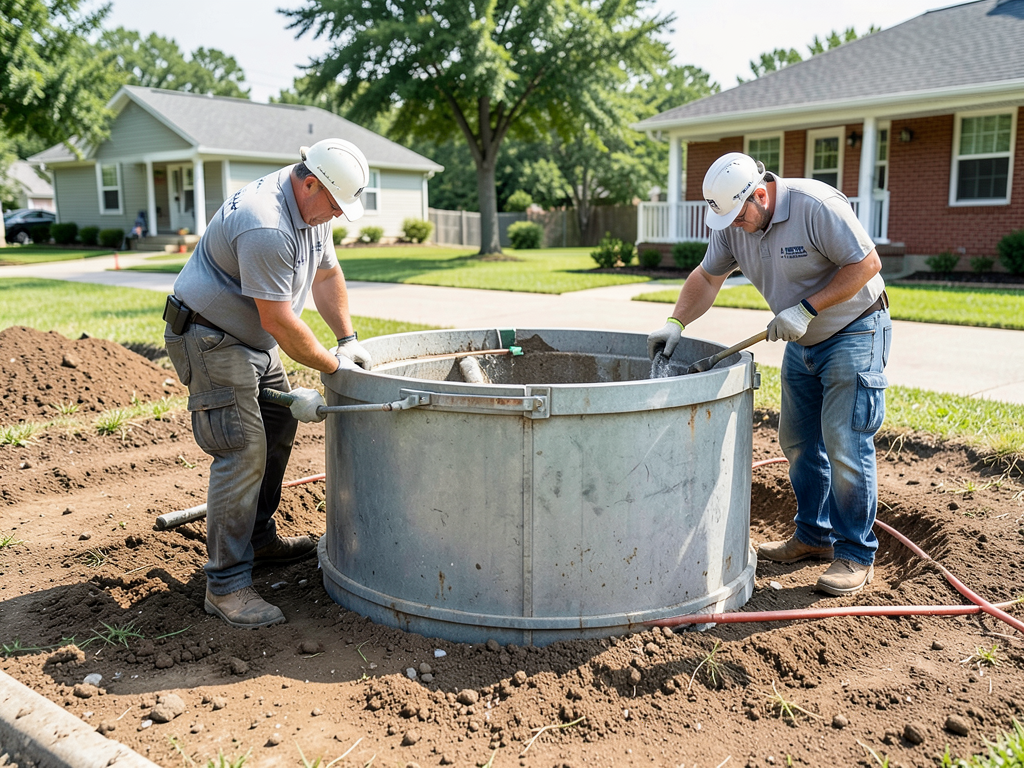
Decommissioning the septic tank involves pumping out all contents and either crushing the tank in place or removing it entirely. Crushing requires breaking the tank bottom and filling it with clean sand to prevent future sinkage. We then excavate a trench from your home to the street where the municipal sewer main is located, typically 4-6 feet deep depending on frost line requirements and local code.
Installing the new sewer lateral involves laying Schedule 40 PVC pipe with proper slope – minimum 1/4 inch per foot for gravity flow. We use laser levels to ensure correct pitch and install cleanouts at specified intervals per St. Bernard Parish code. The connection to the municipal main requires coordination with parish utilities to ensure proper tie-in without disrupting service to neighbors.
Backfilling involves careful compaction in 6-inch lifts to prevent future settling. We test all connections with smoke testing to verify no leaks exist before final inspection. The entire process typically requires 2-3 inspections from parish officials before final approval. Fixing Slab Leaks and Foundation Plumbing in Your Garden District Home.
Understanding Costs & Permits for Chalmette Residents
Septic to sewer conversion costs in Chalmette range from $8,000 to $15,000 depending on several factors. The primary cost drivers include excavation depth (deeper trenches cost more due to soil conditions), distance to the municipal main (longer runs require more materials), and whether the septic tank requires full removal versus crushing. Permit fees from St. Bernard Parish typically run $300-500, and connection fees to the municipal system can add another $1,000-2,000.. Read more about PEX or Copper Pipe Replacement for Your Chalmette Home Remodel.
St. Bernard Parish requires specific permits for each phase of the conversion. The plumbing permit covers the new sewer lateral installation, while the environmental permit addresses septic tank decommissioning. Both permits require licensed plumbers familiar with parish requirements. The conversion must comply with the Louisiana State Plumbing Code, which mandates specific pipe materials, slope requirements, and testing procedures. Who to Call for a 24 Hour Emergency Plumber in New Orleans.
Property owners should also consider potential landscaping restoration costs. Excavation typically damages lawns, driveways, or other surface features. Some homeowners choose to coordinate with landscape contractors to minimize downtime and ensure proper restoration after the plumbing work completes.. Read more about Preparing Your Home Plumbing for Hurricane Season in St. Bernard Parish.
Benefits of Decommissioning Your Septic Tank
Removing or properly decommissioning your septic system provides several long-term benefits beyond simply connecting to city sewer. First, it eliminates the ongoing maintenance costs associated with septic systems, including the $300-500 pumping fees every few years. Second, it removes the liability of system failure, which can cause property damage and environmental contamination.
Decommissioned septic tanks that aren’t properly handled can become serious hazards. Old tanks left in place may collapse under vehicle weight or cause sink holes in the yard. The crushing process ensures the tank cannot collect water or create a void that leads to subsidence. Proper decommissioning also satisfies potential buyers during property transactions, as many lenders require documentation showing the septic system has been properly abandoned. Fast Water Heater Repair and Replacement Services for Metairie Residents.
Environmental benefits include preventing nitrogen and bacteria from leaching into the groundwater. In areas near the Mississippi River Gulf Outlet, this protection becomes even more critical as contaminated groundwater can affect both drinking water quality and local ecosystems. Municipal sewer systems provide centralized treatment that removes more contaminants than typical residential septic systems.. Read more about Dealing with Standing Water in Your Yard After a Typical New Orleans Rainstorm.
Frequently Asked Questions About Sewer Connections
How long does a septic to sewer conversion take?
Most residential conversions in Chalmette take 3-5 days from start to finish. The actual plumbing work typically requires 2 days, with additional time needed for inspections and any necessary repairs to landscaping or hardscaping.. Read more about Common Plumbing Issues for Homeowners Using Well Water in Rural St. Bernard Parish.
Do I need to be home during the conversion?
You don’t need to be home for the entire process, but you should be available for the initial setup and final walkthrough. Water service will be interrupted during certain phases, so planning for temporary accommodations may be necessary.
What happens if my property is far from the street?
Properties set back from the street require longer sewer laterals, which increases both material and labor costs. The pipe must maintain proper slope throughout the entire run, which may require deeper excavation in some areas.
Can I convert if my yard has mature trees?
Tree roots can complicate excavation and may require careful routing of the new sewer line. In some cases, root pruning by a certified arborist becomes necessary to protect both the trees and the new plumbing installation.
Will I need a grinder pump?
Grinder pumps are typically only needed if your home sits significantly below street grade or if the municipal sewer main is uphill from your property. Most Chalmette homes can use gravity-fed systems.
What permits are required?
St. Bernard Parish requires both a plumbing permit and an environmental permit for septic decommissioning. Your licensed plumber should handle all permit applications and coordinate required inspections.
How do I know if my septic system needs replacement anyway?
Signs of failing septic systems include slow drains, sewage odors, wet spots in the yard, and gurgling sounds from plumbing fixtures. If your system is over 20 years old, replacement may be imminent regardless of conversion plans. Emergency Drain Cleaning Services for Metairie Homeowners and Businesses.
Can I keep my septic system as backup?
Once connected to municipal sewer, the septic system should be properly decommissioned. Keeping an old septic system can create liability issues and may violate local codes.
What if I discover problems during excavation?
Unexpected issues like buried utilities, rock formations, or soil instability can arise during excavation. Professional plumbers carry insurance for these situations and can provide solutions that maintain project timelines.
How soon can I use my plumbing after conversion?
Most homeowners can use their plumbing within 24 hours after the final connection is made and inspected. Your plumber will provide specific guidance based on your installation.
Understanding St. Bernard Parish Requirements
St. Bernard Parish enforces specific requirements for septic to sewer conversions that exceed standard Louisiana State Plumbing Code mandates. The parish requires a soil percolation test before approving any conversion, even if the septic system is already failing. This test determines if the soil can support proper drainage and helps engineers design the optimal sewer lateral route.
The parish also mandates specific pipe materials for different soil conditions. In areas with high clay content or near the Mississippi River Gulf Outlet, Schedule 40 PVC with specific wall thickness becomes mandatory rather than the standard Schedule 30 PVC. This requirement addresses the soil’s tendency to shift and settle over time.
Inspection requirements in St. Bernard Parish include pre-excavation verification of utility locations, mid-installation inspection of pipe bedding and slope, and final inspection after backfilling. Each inspection must be scheduled with the parish at least 48 hours in advance, which can affect project timelines if not properly coordinated.
The parish maintains a list of approved plumbers who have demonstrated knowledge of local conditions and requirements. Working with an approved plumber ensures your project meets all parish standards and passes inspections on the first attempt, preventing costly delays and rework.
Environmental Considerations for Chalmette Properties
Chalmette’s proximity to the Mississippi River Gulf Outlet and its low elevation create specific environmental considerations for septic to sewer conversions. The area’s high water table means that septic systems often operate in saturated soil conditions, reducing their effectiveness and increasing the risk of contamination. Converting to municipal sewer eliminates this risk by routing wastewater to centralized treatment facilities designed to handle the region’s specific challenges.
Soil composition in Chalmette varies significantly, with some areas containing high levels of organic matter and others featuring dense clay. These variations affect both the septic system’s performance and the sewer conversion process. Areas with organic-rich soil may require additional compaction during backfilling, while clay-heavy areas need specific pipe bedding materials to prevent future settling.
The conversion process itself must follow environmental protection guidelines. Excavated soil containing organic matter or contaminants must be properly contained and disposed of at approved facilities. The parish requires documentation showing proper disposal methods were used, particularly for properties near waterways or wetlands.
Post-conversion, homeowners should monitor their new sewer connection for any signs of infiltration or exfiltration. Even small leaks can lead to soil erosion or contamination over time. The parish recommends annual inspections of cleanouts and visible plumbing connections to ensure long-term system integrity.
Property Value and Resale Considerations
Converting from septic to city sewer significantly impacts property values and marketability in Chalmette. Real estate professionals report that homes with municipal sewer connections typically sell 15-20% faster than comparable properties with septic systems. Buyers view municipal sewer as a premium feature that eliminates maintenance concerns and potential system failures.
Lenders also prefer properties with municipal sewer connections. Many mortgage programs, particularly FHA and VA loans, have stricter requirements for septic systems, including mandatory inspections and sometimes even requiring replacement if the system is over a certain age. Converting to city sewer removes these potential obstacles during the financing process.
Insurance companies may offer better rates for properties with municipal sewer connections. While the difference is typically modest, some insurers view septic systems as higher risk due to potential failures and contamination issues. Over time, these savings can offset a portion of the conversion costs.. Read more about Understanding the Difference Between Septic and Sewer Systems in Rural Jefferson Parish.
Future development plans in St. Bernard Parish may also influence the timing of conversions. Areas targeted for commercial development or infrastructure improvements often see mandatory conversion requirements as part of the development process. Converting before these mandates take effect can provide more flexibility in choosing contractors and scheduling the work.. Read more about Choosing the Right Garbage Disposal for Your Busy Destrehan Kitchen.
Maintenance and Long-Term Care
After converting to city sewer, homeowners should understand the maintenance requirements for their new system. While municipal sewer eliminates the need for septic tank pumping, it introduces new considerations. The sewer lateral connecting your home to the municipal main remains your responsibility, and issues with this line can cause backups and damage.
Regular inspection of cleanouts and visible plumbing connections helps identify potential problems before they become serious. Tree roots can infiltrate sewer laterals over time, particularly in areas with aggressive root systems common to South Louisiana. Signs of problems include slow drains, gurgling sounds, and sewage odors near plumbing fixtures.
Backwater valves provide additional protection against sewer backups during heavy rainfall or flooding events. St. Bernard Parish recommends these devices for properties in low-lying areas or those near the Mississippi River Gulf Outlet. The valves prevent sewage from flowing back into your home during high-water events, providing peace of mind during hurricane season.
Annual plumbing inspections can identify potential issues with your sewer connection before they cause damage. Professional plumbers use camera inspection technology to examine the interior of sewer laterals, identifying cracks, root intrusion, or misaligned sections that could lead to future problems.
Making the Right Choice for Your Property
Deciding whether to convert from septic to city sewer requires evaluating several factors specific to your property and situation. Consider the age and condition of your existing septic system – systems over 20 years old often require replacement regardless of conversion plans. Calculate the ongoing costs of septic maintenance against the one-time conversion investment.
Evaluate your property’s location relative to the municipal sewer main. Properties within 100 feet of the main typically have straightforward conversion processes, while those requiring longer runs face higher costs and more complex installations. Your plumber can provide a site assessment to determine the most efficient connection route.
Consider future plans for your property. If you’re planning renovations, additions, or hoping to sell within the next few years, converting to city sewer may provide the best return on investment. The improved marketability and potential for higher property values often justify the conversion costs for homeowners with near-term plans.
Environmental responsibility also factors into the decision. Converting to municipal sewer reduces your property’s environmental impact and eliminates the risk of contaminating local waterways – a particular concern in Chalmette’s low-lying areas near the Mississippi River Gulf Outlet.
Ready to convert your Chalmette property from septic to city sewer? Call (985) 279-3332 today to schedule your inspection. Our licensed plumbers understand St. Bernard Parish requirements and can guide you through the entire conversion process, from permits to final inspection.
Don’t wait until your septic system fails or creates environmental hazards. Pick up the phone and call (985) 279-3332 before the next storm hits. We’re available weekends and holidays to handle your emergency plumbing needs when other companies are closed.
Liberty Plumbing has served the Greater New Orleans area for over 15 years, specializing in the unique plumbing challenges of South Louisiana’s soil conditions and climate. Our team understands the specific requirements for septic to sewer conversions in Chalmette and throughout St. Bernard Parish.
You may also find this helpful. Why Your Lower Ninth Ward Home Smells Like Sewage and How to Stop It.
{
“@context”: “https://schema.org”,
“@type”: “BlogPosting”,
“headline”: “Converting from Septic to City Sewer Systems in Chalmette”,
“description”: “Complete guide to septic to sewer conversion in Chalmette. Learn St. Bernard Parish requirements, costs, permits, and benefits of switching to municipal sewer systems.”,
“wordCount”: 2437,
“datePublished”: “2026-04-26T09:37:00.000Z”,
“dateModified”: “2026-04-26T09:37:00.000Z”,
“inLanguage”: “en-US”,
“mainEntityOfPage”: {
“@type”: “WebPage”,
“@id”: “https://libertyplumbingneworleans.com”
},
“publisher”: {
“@type”: “LocalBusiness”,
“name”: “Liberty Plumbing New Orleans”,
“url”: “https://libertyplumbingneworleans.com”
},
“author”: {
“@type”: “Organization”,
“name”: “Liberty Plumbing New Orleans”,
“url”: “https://libertyplumbingneworleans.com”
},
“image”: {
“@type”: “ImageObject”,
“url”: “https://libertyplumbingneworleans.com/wp-content/uploads/2026/03/converting-from-septic-to-city-sewer-systems-in-ch-1.png”
}
}
{
“@context”: “https://schema.org”,
“@type”: “Plumber”,
“name”: “Liberty Plumbing New Orleans”,
“url”: “https://libertyplumbingneworleans.com”,
“address”: {
“@type”: “PostalAddress”,
“addressLocality”: “New Orleans”
},
“areaServed”: {
“@type”: “City”,
“name”: “New Orleans”
}
}
{
“@context”: “https://schema.org”,
“@type”: “FAQPage”,
“mainEntity”: [
{
“@type”: “Question”,
“name”: “Why Switch from Septic to City Sewer in St. Bernard Parish?”,
“acceptedAnswer”: {
“@type”: “Answer”,
“text”: “St. Bernard Parish experiences high water tables and clay-heavy soil that create unique challenges for septic systems. The Mississippi River Gulf Outlet’s legacy has left parts of Chalmette with compromised soil stability and drainage issues. Converting to city sewer eliminates the need for septic tank pumping every 3-5 years and removes the risk of system failure during hurricane season flooding. Property values typically increase by 5-10% after conversion since municipal sewer connections are preferred by most buyers in the New Orleans metro area. Fast Tankless Water Heater Installation for New Orleans Residents.”
}
},
{
“@type”: “Question”,
“name”: “How long does a septic to sewer conversion take?”,
“acceptedAnswer”: {
“@type”: “Answer”,
“text”: “Most residential conversions in Chalmette take 3-5 days from start to finish. The actual plumbing work typically requires 2 days, with additional time needed for inspections and any necessary repairs to landscaping or hardscaping.”
}
},
{
“@type”: “Question”,
“name”: “Do I need to be home during the conversion?”,
“acceptedAnswer”: {
“@type”: “Answer”,
“text”: “You don’t need to be home for the entire process, but you should be available for the initial setup and final walkthrough. Water service will be interrupted during certain phases, so planning for temporary accommodations may be necessary.”
}
},
{
“@type”: “Question”,
“name”: “What happens if my property is far from the street?”,
“acceptedAnswer”: {
“@type”: “Answer”,
“text”: “Properties set back from the street require longer sewer laterals, which increases both material and labor costs. The pipe must maintain proper slope throughout the entire run, which may require deeper excavation in some areas.”
}
},
{
“@type”: “Question”,
“name”: “Can I convert if my yard has mature trees?”,
“acceptedAnswer”: {
“@type”: “Answer”,
“text”: “Tree roots can complicate excavation and may require careful routing of the new sewer line. In some cases, root pruning by a certified arborist becomes necessary to protect both the trees and the new plumbing installation.”
}
},
{
“@type”: “Question”,
“name”: “Will I need a grinder pump?”,
“acceptedAnswer”: {
“@type”: “Answer”,
“text”: “Grinder pumps are typically only needed if your home sits significantly below street grade or if the municipal sewer main is uphill from your property. Most Chalmette homes can use gravity-fed systems.”
}
},
{
“@type”: “Question”,
“name”: “What permits are required?”,
“acceptedAnswer”: {
“@type”: “Answer”,
“text”: “St. Bernard Parish requires both a plumbing permit and an environmental permit for septic decommissioning. Your licensed plumber should handle all permit applications and coordinate required inspections.”
}
},
{
“@type”: “Question”,
“name”: “How do I know if my septic system needs replacement anyway?”,
“acceptedAnswer”: {
“@type”: “Answer”,
“text”: “Signs of failing septic systems include slow drains, sewage odors, wet spots in the yard, and gurgling sounds from plumbing fixtures. If your system is over 20 years old, replacement may be imminent regardless of conversion plans. Emergency Drain Cleaning Services for Metairie Homeowners and Businesses.”
}
},
{
“@type”: “Question”,
“name”: “Can I keep my septic system as backup?”,
“acceptedAnswer”: {
“@type”: “Answer”,
“text”: “Once connected to municipal sewer, the septic system should be properly decommissioned. Keeping an old septic system can create liability issues and may violate local codes.”
}
},
{
“@type”: “Question”,
“name”: “What if I discover problems during excavation?”,
“acceptedAnswer”: {
“@type”: “Answer”,
“text”: “Unexpected issues like buried utilities, rock formations, or soil instability can arise during excavation. Professional plumbers carry insurance for these situations and can provide solutions that maintain project timelines.”
}
},
{
“@type”: “Question”,
“name”: “How soon can I use my plumbing after conversion?”,
“acceptedAnswer”: {
“@type”: “Answer”,
“text”: “Most homeowners can use their plumbing within 24 hours after the final connection is made and inspected. Your plumber will provide specific guidance based on your installation.”
}
}
]
}
{
“@context”: “https://schema.org”,
“@type”: “BreadcrumbList”,
“itemListElement”: [
{
“@type”: “ListItem”,
“position”: 1,
“name”: “Home”,
“item”: “https://libertyplumbingneworleans.com”
},
{
“@type”: “ListItem”,
“position”: 2,
“name”: “Blog”,
“item”: “https://libertyplumbingneworleans.com/blog”
},
{
“@type”: “ListItem”,
“position”: 3,
“name”: “Converting from Septic to City Sewer Systems in Chalmette”
}
]
}
{
“@context”: “https://schema.org”,
“@type”: “Service”,
“serviceType”: “Plumbing”,
“provider”: {
“@type”: “LocalBusiness”,
“name”: “Liberty Plumbing New Orleans”,
“url”: “https://libertyplumbingneworleans.com”
},
“areaServed”: {
“@type”: “City”,
“name”: “New Orleans”
},
“description”: “Complete guide to septic to sewer conversion in Chalmette. Learn St. Bernard Parish requirements, costs, permits, and benefits of switching to municipal sewer systems.”
}