
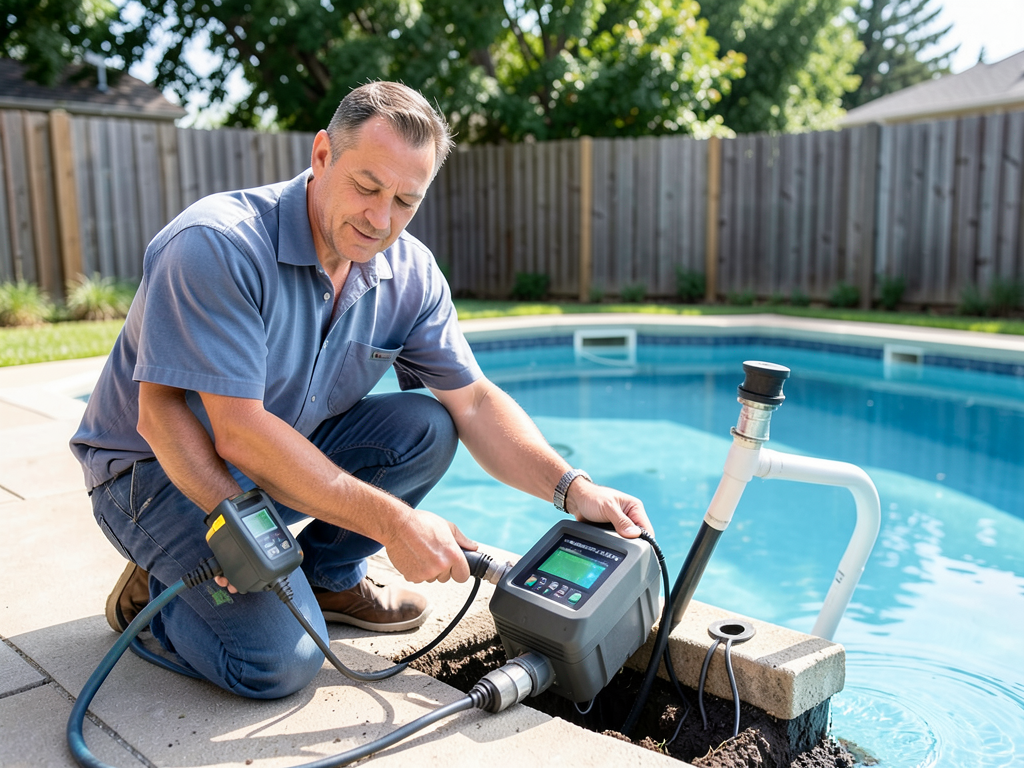
Common Pool Plumbing Issues and How to Spot Them in Your West Bank Backyard
Your backyard pool should be a source of relaxation not a constant source of worry. In the West Bank’s unique soil conditions and humid climate pool plumbing faces specific challenges that can turn a minor leak into a major headache. Understanding the warning signs early can save you thousands in water bills and prevent structural damage to your pool deck and home foundation. Fast Tankless Water Heater Installation for New Orleans Residents.
The soft alluvial soil along the Mississippi River shifts constantly creating stress on underground pipes while the region’s high water table makes leak detection more complex than in other areas. Many West Bank homeowners discover their pool problems only after noticing unusually high water bills or finding soggy spots in their yard that never seem to dry out. Fast Water Heater Repair and Replacement Services for Metairie Residents.
Common Pool Plumbing Issues Found in West Bank Properties
Pool plumbing problems in the West Bank typically fall into several categories each with distinct warning signs. The most frequent issues stem from the area’s specific environmental conditions including soil movement water table fluctuations and the intense summer heat that affects pool equipment performance.
Underground pipe leaks represent the most serious and costly problems. The West Bank’s clay-heavy soil expands and contracts with moisture changes causing PVC pipes to crack or separate at joints. These leaks often occur below the pool deck or in the surrounding yard making them difficult to detect until significant damage has occurred. EPA.
Pump and filtration system failures create different but equally frustrating problems. The humid climate accelerates motor bearing wear while power surges during summer thunderstorms can damage control boards and capacitors. A failing pool pump often makes distinct noises before complete failure including grinding sounds squealing or unusual vibrations that indicate bearing problems.
How to Spot Pool Plumbing Problems Before They Get Worse
Early detection saves money and prevents extensive damage. Watch for these specific warning signs that indicate pool plumbing issues require immediate attention.
Water loss beyond normal evaporation signals a leak. While pools naturally lose water through evaporation West Bank pools in summer should not lose more than about a quarter inch per day. Losing half an inch or more daily indicates a leak in the suction or return lines.
Air bubbles in return jets suggest a suction side leak. When air enters the system through cracked pipes or loose fittings it creates visible bubbles in the water returning to your pool. This condition reduces pump efficiency and can cause the pump to lose prime.
Soggy spots in your yard that persist even during dry weather often indicate underground pipe leaks. The West Bank’s high water table makes these leaks more noticeable as water surfaces through the soil creating soft muddy areas around your pool equipment or along pipe runs. Fixing Slab Leaks and Foundation Plumbing in Your Garden District Home.
Unusual pump noises provide critical diagnostic information. A healthy pool pump operates with a steady hum. Grinding or screeching sounds indicate failing bearings while clicking noises often signal electrical problems with the motor capacitor.
Pool Leak Detection Methods That Actually Work
Professional leak detection combines multiple methods to pinpoint problems accurately. The bucket test provides a simple starting point for homeowners to determine if water loss exceeds normal evaporation.
Place a bucket filled with pool water on a pool step marking the water level inside and outside the bucket. After 24 hours compare the levels. If the pool water drops more than the bucket water you have a leak requiring professional attention.
Pressure testing isolates leaks in underground pipes. Technicians seal the plumbing system and pressurize it with air or water. Pressure drops indicate leaks while specialized listening devices can detect the sound of escaping water through soil and concrete.
Dye testing identifies leaks in pool structure and visible plumbing. Technicians release colored dye near suspected leak areas. The dye gets drawn into cracks and gaps revealing the exact location of structural leaks around skimmers lights or main drains. Emergency Drain Cleaning Services for Metairie Homeowners and Businesses.
Electronic leak detection uses sensitive equipment to find leaks without excavation. These devices can detect the sound of water escaping through soil and pinpoint leak locations within inches reducing repair costs and property damage.
PVC Pipe Repair and Replacement in West Bank Soil Conditions
PVC pipe failures in West Bank pools require specific repair approaches due to the area’s soil conditions. The standard Schedule 40 PVC used in pool plumbing becomes brittle over time especially when exposed to the region’s intense UV radiation and chemical treatments.
Flexible PVC offers advantages in areas with soil movement. This material flexes slightly with ground shifting reducing the likelihood of cracks at joints. However flexible PVC requires specific installation techniques and cannot be used for all pool plumbing applications.
Repair methods depend on the type and location of damage. Small cracks in accessible pipes often receive epoxy repairs or slip couplings. However underground leaks typically require pipe replacement to ensure long-term reliability.
Joint failures commonly occur at connections between different pipe types or where pipes transition from underground to above ground. These areas experience the most stress from soil movement and temperature changes requiring reinforced connections and proper expansion joints.
Professional repair involves excavating to expose damaged pipes cleaning the area thoroughly and installing new sections with proper support and backfill. The backfill material must allow proper drainage while providing adequate support to prevent future settling.
Pool Pump and Filtration System Troubleshooting
Pool pump problems create immediate impacts on water quality and circulation. A failing pump cannot maintain proper filtration leading to cloudy water algae growth and potential health hazards.
Loss of prime indicates air entering the system or a failing mechanical seal. When a pump loses prime it cannot move water effectively often making loud noises while running dry. This condition damages the pump motor quickly requiring immediate attention.
Motor failure typically results from bearing wear electrical problems or overheating. The humid West Bank climate accelerates bearing deterioration while inadequate ventilation around pump equipment causes motors to overheat during summer months.
Impeller damage reduces pump efficiency. Debris clogs or breaks impeller vanes reducing water flow. A damaged impeller often produces a distinct rattling sound and causes the pump to work harder while moving less water.
Filter system problems compound pump issues. A clogged filter forces the pump to work harder increasing energy consumption and wear. Regular filter cleaning and media replacement prevent these secondary problems.
Skimmer and Main Drain Repairs
Skimmer line leaks create unique problems affecting pool water level and circulation. These leaks often occur where the skimmer connects to the underground plumbing or where the skimmer body meets the pool shell.
Main drain leaks pose serious safety and structural concerns. These leaks can undermine the pool shell causing settling or cracking. The West Bank’s high water table makes main drain repairs more complex as groundwater pressure affects repair integrity.
Skimmer replacement requires careful attention to pool shell compatibility. Different pool materials concrete vinyl or fiberglass require specific installation techniques to prevent future leaks and ensure proper function.
Anti-vortex covers on main drains prevent dangerous suction entrapment. These covers must meet current safety standards and be properly secured to prevent removal by swimmers or debris.
Hydrostatic relief valves prevent pool shell damage from groundwater pressure. These valves allow groundwater to enter the pool when external pressure exceeds internal pressure preventing the pool from floating or cracking due to soil movement.
Seasonal Pool Plumbing Maintenance for West Bank Climate
West Bank pool owners face unique seasonal challenges requiring specific maintenance approaches. The intense summer heat accelerates chemical breakdown and equipment wear while occasional winter freezes can damage unprotected plumbing.
Summer maintenance focuses on preventing equipment overheating and chemical imbalances. Clean pump baskets regularly check for leaks and ensure proper water circulation. The high humidity promotes algae growth requiring consistent chemical balance and filtration.
Fall preparation involves checking for leaks before winter covers installation. Small leaks become major problems when covered as water continues escaping undetected for months.
Winter protection for occasional freezes requires draining equipment and protecting exposed pipes. While hard freezes are rare when they occur unprotected plumbing can burst causing extensive damage.
Spring opening inspections should include pressure testing all plumbing lines. Winter soil movement often creates new leaks or worsens existing ones requiring prompt repair before summer use begins.
Common Pool Plumbing Repairs and Their Warning Signs
Understanding repair timelines helps prevent emergency situations. Most pool plumbing issues progress through stages from minor problems to major failures. Who to Call for a 24 Hour Emergency Plumber in New Orleans.
Minor leaks often start as small drips or slight water level drops. These issues typically cost $200 to $500 to repair if addressed promptly. However delaying repairs allows water to erode soil and damage pool structures increasing repair complexity.
Moderate problems include pump bearing wear filter media degradation and joint deterioration. These issues cost $500 to $1500 to repair but prevent more expensive damage to other pool components.
Major failures involve complete pump replacement underground pipe replacement or structural repairs. These repairs cost $1500 to $5000 but become necessary when minor issues receive no attention.
Emergency situations include complete system failure flooding or structural damage. These problems often cost $5000 or more and typically occur at the worst possible times like during pool parties or before vacations.
Why West Bank Pool Plumbing Requires Specialized Knowledge
The West Bank’s unique combination of soil conditions water table levels and climate creates pool plumbing challenges found nowhere else. Local experience makes the difference between temporary fixes and lasting repairs.
Soil subsidence affects every underground repair. The Mississippi River alluvial soil continues settling for years after installation requiring special backfill techniques and flexible connections that accommodate movement without leaking.
High water table complicates leak detection and repair. Groundwater can mask small leaks making professional detection equipment essential for accurate diagnosis and effective repairs.
Climate extremes stress pool equipment differently than inland areas. The combination of high humidity intense UV exposure and occasional severe weather requires equipment rated for these specific conditions.
Local building codes address these unique conditions. Jefferson Parish and Orleans Parish have specific requirements for pool plumbing installation including backflow prevention equipment bonding and safety features that protect both property and public health.
Professional Pool Plumbing Repair Process
Professional repair follows a systematic approach ensuring accurate diagnosis and effective solutions. The process begins with a thorough inspection of all visible components and a detailed discussion of the problems you have observed.
Diagnostic testing includes pressure testing of all plumbing lines flow rate measurements and electrical system checks. These tests identify problems that may not be visible during visual inspection.
Repair planning considers multiple factors including repair cost equipment age and future reliability. Sometimes replacing older equipment proves more cost-effective than repairing failing components.
Professional installation follows manufacturer specifications and local building codes. Proper support for pipes adequate drainage around equipment and correct electrical connections prevent future problems.
Final testing verifies repair effectiveness and system operation. This testing includes checking for leaks verifying proper flow rates and ensuring all safety features function correctly.
Preventing Future Pool Plumbing Problems
Preventive maintenance reduces repair frequency and costs. Regular inspections catch small problems before they become major issues.
Monthly visual inspections check for wet spots around equipment unusual sounds and proper water levels. These simple checks often reveal developing problems before significant damage occurs.
Annual professional inspections provide deeper analysis including pressure testing electrical system checks and equipment efficiency measurements. These inspections identify problems developing below the surface.
Proper chemical balance prevents many plumbing problems. Incorrect chemical levels can damage pipes seals and equipment accelerating wear and causing premature failure.
Equipment upgrades improve reliability and efficiency. Modern pool equipment often includes features that prevent common failure modes and reduce energy consumption.
Frequently Asked Questions
How can I tell if my pool has a leak or if it’s just evaporation?
Perform the bucket test by placing a bucket of pool water on a step and marking levels inside and outside. If the pool loses more water than the bucket over 24 hours you have a leak. West Bank pools should not lose more than 1/4 inch daily in summer.
What causes pool pump noise and when should I be concerned?
Normal pump noise is a steady hum. Grinding or screeching indicates bearing failure while clicking suggests electrical problems. Any unusual noise warrants immediate inspection as pump problems worsen quickly and can damage other pool components.
How much does pool plumbing repair typically cost in the West Bank area?
Repair costs range from $200 for minor leaks to $5000 for major underground repairs. Most repairs fall between $500 and $1500. Factors affecting cost include leak location accessibility and whether replacement parts or complete system upgrades are needed.
Can I repair pool plumbing myself or should I always call a professional?
Minor above-ground repairs like replacing a valve or fixing a visible leak might be DIY projects for experienced homeowners. However underground leaks pump repairs and any work involving electrical connections should be handled by licensed professionals to ensure safety and code compliance.
How long does pool plumbing repair usually take?
Simple repairs often complete in a few hours while underground leak repairs may require a full day or more depending on excavation needs. Emergency repairs to stop active leaks take priority and often complete the same day.
Call for Professional Pool Plumbing Inspection
Don’t let small pool plumbing problems become major headaches. The unique soil conditions and climate of the West Bank make professional diagnosis and repair essential for lasting solutions. Whether you are hearing unusual pump noises noticing water loss or finding soggy spots in your yard our experienced technicians can identify and fix the problem quickly.
Pick up the phone and call (985) 279-3332 today to schedule your pool plumbing inspection. Early detection prevents expensive damage and ensures your backyard oasis stays ready for family fun all season long.
Our team understands West Bank pool systems and provides repairs that last. We offer clear explanations of problems upfront pricing and work that meets all local building codes. Don’t wait until a small leak becomes a major repair call now and protect your pool investment. For more information, visit FEMA.
{
“@context”: “https://schema.org”,
“@type”: “BlogPosting”,
“headline”: “Common Pool Plumbing Issues and How to Spot Them in Your West Bank Backyard”,
“description”: “Spot pool leaks, pump failures, and cracked pipes in your West Bank backyard. Learn local signs and get expert repair before small issues become major damage.”,
“wordCount”: 2400,
“datePublished”: “2026-04-30T08:25:00.000Z”,
“dateModified”: “2026-04-30T08:25:00.000Z”,
“inLanguage”: “en-US”,
“mainEntityOfPage”: {
“@type”: “WebPage”,
“@id”: “https://libertyplumbingneworleans.com”
},
“publisher”: {
“@type”: “LocalBusiness”,
“name”: “Liberty Plumbing New Orleans”,
“url”: “https://libertyplumbingneworleans.com”
},
“author”: {
“@type”: “Organization”,
“name”: “Liberty Plumbing New Orleans”,
“url”: “https://libertyplumbingneworleans.com”
},
“image”: {
“@type”: “ImageObject”,
“url”: “https://libertyplumbingneworleans.com/wp-content/uploads/2026/03/common-pool-plumbing-issues-and-how-to-spot-them-i-1.png”
}
}
{
“@context”: “https://schema.org”,
“@type”: “Plumber”,
“name”: “Liberty Plumbing New Orleans”,
“url”: “https://libertyplumbingneworleans.com”,
“address”: {
“@type”: “PostalAddress”,
“addressLocality”: “New Orleans”
},
“areaServed”: {
“@type”: “City”,
“name”: “New Orleans”
}
}
{
“@context”: “https://schema.org”,
“@type”: “FAQPage”,
“mainEntity”: [
{
“@type”: “Question”,
“name”: “How can I tell if my pool has a leak or if it’s just evaporation?”,
“acceptedAnswer”: {
“@type”: “Answer”,
“text”: “Perform the bucket test by placing a bucket of pool water on a step and marking levels inside and outside. If the pool loses more water than the bucket over 24 hours you have a leak. West Bank pools should not lose more than 1/4 inch daily in summer.”
}
},
{
“@type”: “Question”,
“name”: “What causes pool pump noise and when should I be concerned?”,
“acceptedAnswer”: {
“@type”: “Answer”,
“text”: “Normal pump noise is a steady hum. Grinding or screeching indicates bearing failure while clicking suggests electrical problems. Any unusual noise warrants immediate inspection as pump problems worsen quickly and can damage other pool components.”
}
},
{
“@type”: “Question”,
“name”: “How much does pool plumbing repair typically cost in the West Bank area?”,
“acceptedAnswer”: {
“@type”: “Answer”,
“text”: “Repair costs range from $200 for minor leaks to $5000 for major underground repairs. Most repairs fall between $500 and $1500. Factors affecting cost include leak location accessibility and whether replacement parts or complete system upgrades are needed.”
}
},
{
“@type”: “Question”,
“name”: “Can I repair pool plumbing myself or should I always call a professional?”,
“acceptedAnswer”: {
“@type”: “Answer”,
“text”: “Minor above-ground repairs like replacing a valve or fixing a visible leak might be DIY projects for experienced homeowners. However underground leaks pump repairs and any work involving electrical connections should be handled by licensed professionals to ensure safety and code compliance.”
}
},
{
“@type”: “Question”,
“name”: “How long does pool plumbing repair usually take?”,
“acceptedAnswer”: {
“@type”: “Answer”,
“text”: “Simple repairs often complete in a few hours while underground leak repairs may require a full day or more depending on excavation needs. Emergency repairs to stop active leaks take priority and often complete the same day.”
}
}
]
}
{
“@context”: “https://schema.org”,
“@type”: “BreadcrumbList”,
“itemListElement”: [
{
“@type”: “ListItem”,
“position”: 1,
“name”: “Home”,
“item”: “https://libertyplumbingneworleans.com”
},
{
“@type”: “ListItem”,
“position”: 2,
“name”: “Blog”,
“item”: “https://libertyplumbingneworleans.com/blog”
},
{
“@type”: “ListItem”,
“position”: 3,
“name”: “Common Pool Plumbing Issues and How to Spot Them in Your West Bank Backyard”
}
]
}
{
“@context”: “https://schema.org”,
“@type”: “Service”,
“serviceType”: “Plumbing”,
“provider”: {
“@type”: “LocalBusiness”,
“name”: “Liberty Plumbing New Orleans”,
“url”: “https://libertyplumbingneworleans.com”
},
“areaServed”: {
“@type”: “City”,
“name”: “New Orleans”
},
“description”: “Spot pool leaks, pump failures, and cracked pipes in your West Bank backyard. Learn local signs and get expert repair before small issues become major damage.”
}