
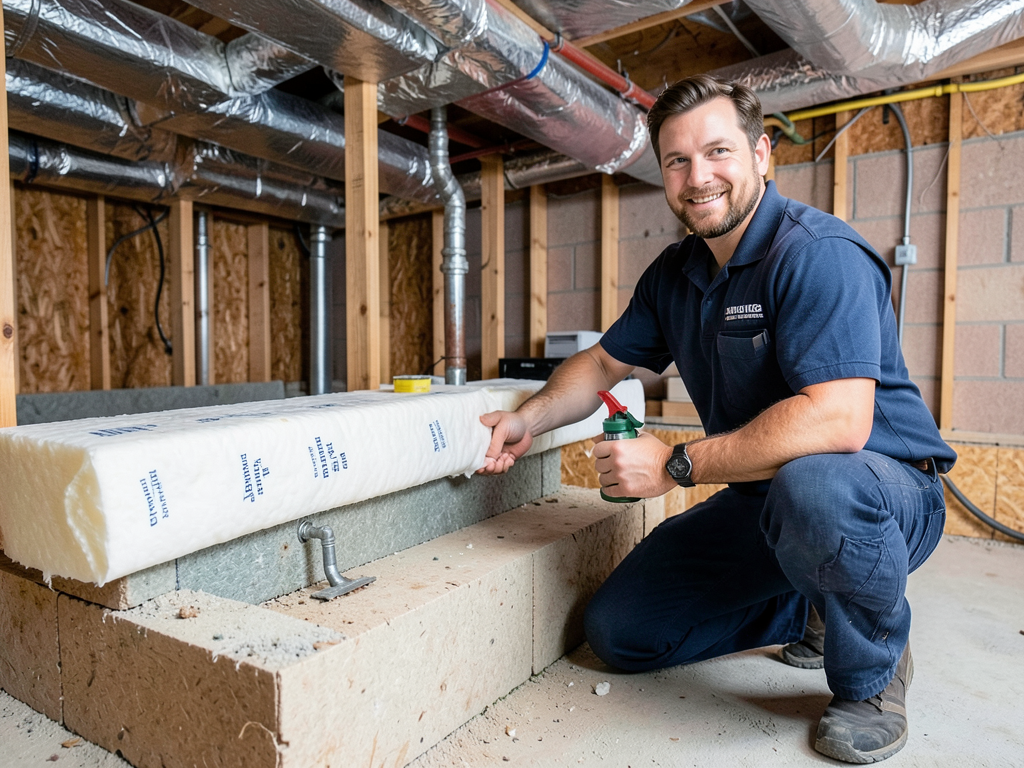
The Best Way to Insulate Pipes Under Your Raised House in the Bywater
If you own a raised house in the Bywater, you already know the unique challenges of Louisiana weather. High humidity and the occasional hard freeze create a perfect storm for plumbing problems. Proper pipe insulation protects against both winter freeze damage and summer condensation that can lead to mold and rot under your home. Louisiana State Licensing Board for Contractors.
The Bywater’s historic shotgun houses and raised cottages sit on pier-and-beam foundations with crawl spaces that need special attention. Unlike slab homes in Metairie or Kenner, these raised structures expose plumbing lines to temperature swings and moisture from the ground below. This guide walks you through the best materials and methods to keep your pipes protected year-round. Fast Tankless Water Heater Installation for New Orleans Residents.
Why Bywater Homes Need Special Pipe Insulation
Bywater’s proximity to the Mississippi River and the Industrial Canal means high groundwater levels and humidity that never seems to drop below 70 percent. These conditions cause two major problems: pipes sweating in summer and freezing in rare winter cold snaps. Fast Water Heater Repair and Replacement Services for Metairie Residents.
During the 2021 winter storm, many Bywater homes experienced frozen pipes because their under-house plumbing lacked adequate insulation. The pier-and-beam design that keeps homes safe from flooding also creates an unheated space where temperatures can drop to dangerous levels.. Read more about Essential Plumbing Considerations for Building a Backyard ADU in the Bywater.
Summer brings its own threat. When cold water runs through uninsulated pipes in a hot, humid crawl space, condensation forms on the pipe exterior. This moisture drips onto wood framing and insulation, creating the perfect environment for Formosan termites and mold growth.
Best Materials for Insulating Pipes Under a Raised House
Choosing the right insulation material makes all the difference in the Bywater’s climate. Here are the top options that work well for our specific conditions:
| Material | R-Value per Inch | Moisture Resistance | Termite Resistance | Best For |
|---|---|---|---|---|
| Closed-cell foam tubes | 3.2 | Excellent | Excellent | High humidity areas |
| Fiberglass pipe wrap | 2.2 | Poor | Poor | Dry climates only |
| Rubber insulation | 2.8 | Good | Good | Moderate humidity |
| Reflective foil bubble wrap | 1.1 | Fair | Fair | Supplemental use |
Closed-cell foam tubes stand out as the best choice for Bywater homes. They resist moisture absorption, deter termites, and provide good freeze protection. The foam’s closed structure prevents water from wicking through, which is crucial in our high-humidity environment.
Step-by-Step DIY Pipe Insulation Installation
Installing pipe insulation yourself can save money, but you need to follow these steps carefully to ensure proper protection:
- Prepare the Crawl Space
Wear protective gear including gloves, long sleeves, and a dust mask. Check for standing water, mold, or pest damage before starting. Good lighting helps you see all pipes clearly.
- Measure and Cut Insulation
Measure pipe diameters and lengths accurately. Cut foam tubes to size using a utility knife. For 90-degree bends, cut at 45-degree angles to create clean joints.
- Install Foam Tubes
Slip foam tubes over pipes, making sure they fit snugly. For pipes with existing moisture, dry them thoroughly first. The tubes should cover the entire exposed length.
- Seal All Joints
Use acrylic tape or zip ties to secure foam at joints and connections. Pay special attention to where pipes connect to water heaters or main lines.
- Add Vapor Barrier Protection
Cover insulated pipes with a vapor barrier like plastic sheeting. This extra layer prevents moisture from reaching the insulation in our humid climate.
Special Considerations for Bywater’s Historic Homes
Many Bywater houses date back to the early 1900s and have unique plumbing layouts. These older homes often use galvanized steel pipes that corrode more easily than modern materials.. Read more about Why PEX-A is Often Better Than PEX-B for Re-Piping Projects in Older New Orleans Homes.
Before insulating, check for active leaks or corrosion. A simple screwdriver test helps identify weak spots. Press gently on pipe surfaces; if you feel soft spots or see rust-through, those sections need replacement before insulation. Fixing Slab Leaks and Foundation Plumbing in Your Garden District Home.
Historic district guidelines from the New Orleans Vieux Carré Commission may restrict certain modifications. Always check local requirements before making changes to visible plumbing in historic Bywater homes. New Orleans Department of Safety and Permits.
Protecting Against Formosan Termites
Formosan termites pose a serious threat to Bywater homes. These aggressive insects can tunnel through some insulation materials to reach wood structures.
Choose termite-resistant insulation options like closed-cell foam with borate treatment. Some newer products include built-in termite barriers. Avoid cellulose-based insulation under your house, as it attracts termites.
Look for signs of termite activity before installing insulation. Mud tubes along pipes, hollow-sounding wood, or discarded wings indicate active infestations that need professional treatment first.
Heat Tape and Freeze Protection
For added freeze protection during cold snaps, heat tape can provide extra security. However, using heat tape requires careful attention to safety.
UL-listed heat tape designed for mobile homes works best under raised houses. Never use indoor-rated heat tape in crawl spaces. Install a thermostat to prevent overheating and potential fire hazards.
Heat tape works best when combined with insulation. The insulation keeps heat where you want it, while the tape provides the initial warming. This combination uses less electricity than heat tape alone.. Read more about How to Combine Plumbing Systems When Converting a Mid-City Double into a Single Family Home.
Common Mistakes to Avoid
Even experienced DIYers make mistakes when insulating pipes under raised houses. Here are the most common errors and how to avoid them:
- Leaving gaps at pipe joints where cold air can enter
- Using paper-faced insulation that absorbs moisture
- Insulating over active leaks without fixing them first
- Blocking ventilation that prevents moisture buildup
- Using indoor-rated materials in the humid crawl space
Another mistake is ignoring the main shut-off valve location. This critical component needs protection too, but it must remain accessible for emergencies.
When to Call a Professional Plumber
While many homeowners can handle basic pipe insulation, some situations require professional expertise. Call a plumber if you encounter: Who to Call for a 24 Hour Emergency Plumber in New Orleans.
- Active leaks or corroded pipes that need replacement
- Hard-to-reach areas with limited crawl space access
- Complex plumbing layouts with multiple connections
- Signs of foundation issues affecting pipe stability
- Termite damage that requires pest control coordination
Professional plumbers also understand local building codes and can ensure your insulation work meets New Orleans requirements. They can identify potential problems that DIYers might miss.. Read more about How to Identify and Fix a Leaky Outdoor Spigot Before the Next Big Freeze.
Maintaining Your Pipe Insulation
Once installed, pipe insulation needs periodic maintenance to remain effective. Check your insulation annually, preferably before winter sets in.
Look for signs of damage like tears, compression, or moisture accumulation. Rodents sometimes nest in crawl spaces and can damage insulation. Replace any compromised sections promptly.
Also check for new condensation patterns. If you notice water dripping where it didn’t before, you may have a developing leak or inadequate insulation in that area.
Cost Considerations for Bywater Homeowners
DIY pipe insulation typically costs between $200 and $500 for materials to cover an average Bywater home’s under-house plumbing. Professional installation ranges from $800 to $1,500 depending on home size and complexity.
Consider the cost of potential freeze damage versus prevention. A single burst pipe can cause thousands of dollars in water damage, making insulation a worthwhile investment.
Energy savings also factor in. Well-insulated pipes reduce heat loss from hot water lines, potentially lowering utility bills by 3 to 5 percent annually.
Preparing for Louisiana’s Weather Extremes
Louisiana weather keeps Bywater homeowners on their toes. While hard freezes happen only every few years, when they do occur, the damage can be severe.
Create a freeze preparation checklist that includes: insulating exposed pipes, disconnecting outdoor hoses, and knowing how to shut off your main water valve. Keep emergency contact numbers handy. Emergency Drain Cleaning Services for Metairie Homeowners and Businesses.
For hurricane season, ensure your insulation can withstand potential flooding. Elevate critical plumbing components above expected flood levels when possible.
Local Building Code Requirements
New Orleans plumbing codes require certain insulation standards for residential properties. The International Plumbing Code, adopted by the city, mandates minimum R-values for exposed pipes in unconditioned spaces.
Specifically, IRC Section P2603.6 requires insulation on all water supply pipes in areas subject to freezing. The code also addresses vapor barrier requirements in humid climates like ours.
Always pull necessary permits for major plumbing work. The Department of Safety and Permits ensures your modifications meet current standards and won’t cause problems during home inspections.
Benefits Beyond Freeze Protection
Proper pipe insulation offers benefits that extend beyond freeze prevention. Insulated hot water pipes maintain temperature better, reducing wait times for hot water at fixtures.
Condensation control prevents wood rot and mold growth under your house. This protection can save thousands in structural repairs over the life of your home.
Energy efficiency improves as well. Less heat loss from hot water pipes means your water heater doesn’t work as hard, extending its lifespan and reducing energy consumption.
Choosing the Right Contractor
If you decide to hire a professional, look for contractors with specific experience in Bywater’s unique housing stock. They should understand the challenges of working in tight crawl spaces and dealing with historic home constraints.
Ask about their experience with Formosan termite prevention and moisture management. A good contractor will recommend materials suited to our climate rather than generic solutions.
Check references from other Bywater homeowners and verify licensing with the Louisiana State Licensing Board for Contractors.
Final Thoughts on Pipe Insulation
Insulating pipes under your raised Bywater home protects against both winter freezes and summer humidity problems. The right materials and installation methods can save you money on energy bills while preventing costly water damage.
Whether you tackle this as a DIY project or hire a professional, the investment pays off through improved comfort, lower utility costs, and peace of mind during Louisiana’s unpredictable weather.
Don’t wait for the next cold snap or humid summer to address your pipe insulation needs. The time to protect your plumbing is before problems occur.
Frequently Asked Questions
How much insulation do I need for pipes in Bywater?
Most Bywater homes need insulation with an R-value of at least 3.0 for exposed pipes. Focus on pipes in crawl spaces and along exterior walls. Pay special attention to pipes near vents where cold air enters.
Can I use regular home insulation for pipes?
No, regular fiberglass insulation absorbs moisture and can promote mold growth in our humid climate. Use closed-cell foam tubes specifically designed for pipe insulation instead.
How often should I check my pipe insulation?
Inspect your pipe insulation annually, preferably in early fall before cold weather arrives. Look for damage, moisture accumulation, or gaps in coverage. Replace any compromised sections immediately.
Will pipe insulation prevent all freeze damage?
Insulation significantly reduces freeze risk but may not prevent damage during extended hard freezes. For maximum protection, combine insulation with heat tape in extremely vulnerable areas.
How long does pipe insulation last in Bywater’s climate?
Quality closed-cell foam insulation typically lasts 10 to 15 years in our climate. However, high humidity and pest activity can reduce lifespan. Check annually for signs of deterioration.
Is pipe insulation tax deductible in Louisiana?
While pipe insulation itself isn’t tax deductible, it may qualify for energy efficiency improvements that offer tax credits. Check with a tax professional about current Louisiana and federal incentives.
Can I insulate pipes myself or should I hire a professional?
Basic insulation installation is a manageable DIY project for most homeowners. However, hire a professional if you have active leaks, complex plumbing, or limited crawl space access.
What’s the best way to handle pipe insulation in flood-prone areas?
In flood-prone Bywater areas, elevate critical plumbing components above expected flood levels when possible. Use waterproof insulation materials and ensure proper drainage around your home’s foundation.
How do I know if my pipes are already damaged?
Look for signs like rust spots, soft spots when pressed, water stains on insulation, or mold growth. If you notice these issues, have a plumber inspect before adding new insulation.
Should I insulate both hot and cold water pipes?
Yes, insulate both. Hot water pipes save energy and maintain temperature. Cold water pipes prevent condensation and freeze damage. Both types benefit from proper insulation in our climate.
Ready to protect your Bywater home’s plumbing? Call (985) 279-3332 today to schedule your inspection. Our experienced team understands the unique challenges of raised houses in New Orleans and can recommend the best insulation solutions for your specific situation. Don’t wait until the next cold snap or humid summer to address your pipe insulation needs.
{
“@context”: “https://schema.org”,
“@type”: “BlogPosting”,
“headline”: “The Best Way to Insulate Pipes Under Your Raised House in the Bywater”,
“description”: “Learn how to protect your Bywater home’s pipes from freezing and condensation with expert insulation methods designed for raised houses. Call (985) 279-3332 today.”,
“wordCount”: 2067,
“datePublished”: “2026-06-16T11:37:00.000Z”,
“dateModified”: “2026-06-16T11:37:00.000Z”,
“inLanguage”: “en-US”,
“mainEntityOfPage”: {
“@type”: “WebPage”,
“@id”: “https://libertyplumbingneworleans.com”
},
“publisher”: {
“@type”: “LocalBusiness”,
“name”: “Liberty Plumbing New Orleans”,
“url”: “https://libertyplumbingneworleans.com”
},
“author”: {
“@type”: “Organization”,
“name”: “Liberty Plumbing New Orleans”,
“url”: “https://libertyplumbingneworleans.com”
},
“image”: {
“@type”: “ImageObject”,
“url”: “https://libertyplumbingneworleans.com/wp-content/uploads/2026/03/the-best-way-to-insulate-pipes-under-your-raised-h-1.png”
}
}
{
“@context”: “https://schema.org”,
“@type”: “Plumber”,
“name”: “Liberty Plumbing New Orleans”,
“url”: “https://libertyplumbingneworleans.com”,
“address”: {
“@type”: “PostalAddress”,
“addressLocality”: “New Orleans”
},
“areaServed”: {
“@type”: “City”,
“name”: “New Orleans”
}
}
{
“@context”: “https://schema.org”,
“@type”: “FAQPage”,
“mainEntity”: [
{
“@type”: “Question”,
“name”: “How much insulation do I need for pipes in Bywater?”,
“acceptedAnswer”: {
“@type”: “Answer”,
“text”: “Most Bywater homes need insulation with an R-value of at least 3.0 for exposed pipes. Focus on pipes in crawl spaces and along exterior walls. Pay special attention to pipes near vents where cold air enters.”
}
},
{
“@type”: “Question”,
“name”: “Can I use regular home insulation for pipes?”,
“acceptedAnswer”: {
“@type”: “Answer”,
“text”: “No, regular fiberglass insulation absorbs moisture and can promote mold growth in our humid climate. Use closed-cell foam tubes specifically designed for pipe insulation instead.”
}
},
{
“@type”: “Question”,
“name”: “How often should I check my pipe insulation?”,
“acceptedAnswer”: {
“@type”: “Answer”,
“text”: “Inspect your pipe insulation annually, preferably in early fall before cold weather arrives. Look for damage, moisture accumulation, or gaps in coverage. Replace any compromised sections immediately.”
}
},
{
“@type”: “Question”,
“name”: “Will pipe insulation prevent all freeze damage?”,
“acceptedAnswer”: {
“@type”: “Answer”,
“text”: “Insulation significantly reduces freeze risk but may not prevent damage during extended hard freezes. For maximum protection, combine insulation with heat tape in extremely vulnerable areas.”
}
},
{
“@type”: “Question”,
“name”: “How long does pipe insulation last in Bywater’s climate?”,
“acceptedAnswer”: {
“@type”: “Answer”,
“text”: “Quality closed-cell foam insulation typically lasts 10 to 15 years in our climate. However, high humidity and pest activity can reduce lifespan. Check annually for signs of deterioration.”
}
},
{
“@type”: “Question”,
“name”: “Is pipe insulation tax deductible in Louisiana?”,
“acceptedAnswer”: {
“@type”: “Answer”,
“text”: “While pipe insulation itself isn’t tax deductible, it may qualify for energy efficiency improvements that offer tax credits. Check with a tax professional about current Louisiana and federal incentives.”
}
},
{
“@type”: “Question”,
“name”: “Can I insulate pipes myself or should I hire a professional?”,
“acceptedAnswer”: {
“@type”: “Answer”,
“text”: “Basic insulation installation is a manageable DIY project for most homeowners. However, hire a professional if you have active leaks, complex plumbing, or limited crawl space access.”
}
},
{
“@type”: “Question”,
“name”: “What’s the best way to handle pipe insulation in flood-prone areas?”,
“acceptedAnswer”: {
“@type”: “Answer”,
“text”: “In flood-prone Bywater areas, elevate critical plumbing components above expected flood levels when possible. Use waterproof insulation materials and ensure proper drainage around your home’s foundation.”
}
},
{
“@type”: “Question”,
“name”: “Should I insulate both hot and cold water pipes?”,
“acceptedAnswer”: {
“@type”: “Answer”,
“text”: “Yes, insulate both. Hot water pipes save energy and maintain temperature. Cold water pipes prevent condensation and freeze damage. Both types benefit from proper insulation in our climate.”
}
}
]
}
{
“@context”: “https://schema.org”,
“@type”: “HowTo”,
“name”: “How to Insulate Pipes Under a Raised House”,
“step”: [
{
“@type”: “HowToStep”,
“position”: 1,
“name”: “Prepare the Crawl Space”,
“text”: “Wear protective gear including gloves, long sleeves, and a dust mask. Check for standing water, mold, or pest damage before starting. Good lighting helps you see all pipes clearly.”
},
{
“@type”: “HowToStep”,
“position”: 2,
“name”: “Measure and Cut Insulation”,
“text”: “Measure pipe diameters and lengths accurately. Cut foam tubes to size using a utility knife. For 90-degree bends, cut at 45-degree angles to create clean joints.”
},
{
“@type”: “HowToStep”,
“position”: 3,
“name”: “Install Foam Tubes”,
“text”: “Slip foam tubes over pipes, making sure they fit snugly. For pipes with existing moisture, dry them thoroughly first. The tubes should cover the entire exposed length.”
},
{
“@type”: “HowToStep”,
“position”: 4,
“name”: “Seal All Joints”,
“text”: “Use acrylic tape or zip ties to secure foam at joints and connections. Pay special attention to where pipes connect to water heaters or main lines.”
},
{
“@type”: “HowToStep”,
“position”: 5,
“name”: “Add Vapor Barrier Protection”,
“text”: “Cover insulated pipes with a vapor barrier like plastic sheeting. This extra layer prevents moisture from reaching the insulation in our humid climate.”
}
],
“image”: “https://libertyplumbingneworleans.com/wp-content/uploads/2026/03/the-best-way-to-insulate-pipes-under-your-raised-h-1.png”
}
{
“@context”: “https://schema.org”,
“@type”: “BreadcrumbList”,
“itemListElement”: [
{
“@type”: “ListItem”,
“position”: 1,
“name”: “Home”,
“item”: “https://libertyplumbingneworleans.com”
},
{
“@type”: “ListItem”,
“position”: 2,
“name”: “Blog”,
“item”: “https://libertyplumbingneworleans.com/blog”
},
{
“@type”: “ListItem”,
“position”: 3,
“name”: “The Best Way to Insulate Pipes Under Your Raised House in the Bywater”
}
]
}
{
“@context”: “https://schema.org”,
“@type”: “Service”,
“serviceType”: “Plumbing”,
“provider”: {
“@type”: “LocalBusiness”,
“name”: “Liberty Plumbing New Orleans”,
“url”: “https://libertyplumbingneworleans.com”
},
“areaServed”: {
“@type”: “City”,
“name”: “New Orleans”
},
“description”: “Learn how to protect your Bywater home’s pipes from freezing and condensation with expert insulation methods designed for raised houses. Call (985) 279-3332 today.”
}