
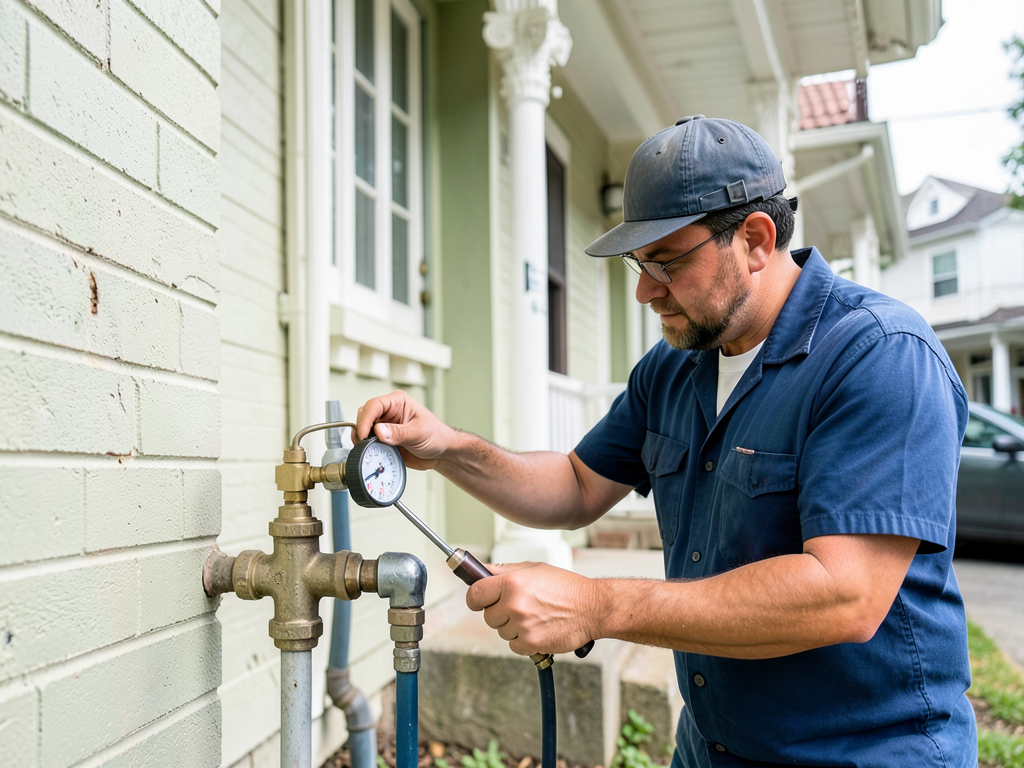
Checking Your Water Pressure at Home Without Calling a Plumber
Low water pressure makes your shower feel like a drizzle and high pressure can damage your pipes and appliances. In New Orleans, where the Sewerage & Water Board’s pressure can fluctuate due to aging infrastructure and seasonal demand, knowing how to test your water pressure is a smart first step before calling a plumber. Sewerage & Water Board of New Orleans.
This guide shows you how to check your home’s water pressure using a simple gauge, what the readings mean for your NOLA home, and when it’s time to call Liberty Plumbing at (985) 279-3332 for professional help. Fast Tankless Water Heater Installation for New Orleans Residents.
Why New Orleans Homeowners Should Monitor Water Pressure
New Orleans faces unique plumbing challenges. The city’s combined sewer system and aging water mains can cause pressure swings that affect homes across neighborhoods like Metairie, Kenner, and the West Bank. When pressure drops below 30 PSI, you get weak flow. When it climbs above 80 PSI, you risk pipe bursts and damaged fixtures. Fast Water Heater Repair and Replacement Services for Metairie Residents.
Local soil subsidence also plays a role. As the ground shifts, pipes can move or crack, creating hidden leaks that lower pressure. Testing your pressure helps you catch these issues early before they turn into costly repairs. Fixing Slab Leaks and Foundation Plumbing in Your Garden District Home.
Tools You Will Need
Before you start, gather these items:
- A pressure gauge with a 3/4-inch female hose thread (available at local hardware stores like Harvey Hardware or Jefferson Hardware)
- A pair of pliers or an adjustable wrench
- A bucket to catch any drips
- A notepad to record your readings
Most gauges cost under $15 and attach directly to your outdoor hose bibb (spigot). Make sure the gauge reads in PSI (pounds per square inch).
Step-by-Step Instructions for the DIY Pressure Test
- Turn Off All Water-Using Appliances
Shut off washing machines, dishwashers, and sprinklers. Make sure no one is using sinks or showers during the test.
- Locate Your Outdoor Hose Bibb
Find the spigot closest to your water main, usually on the front or side of your home. In older NOLA homes, this might be near the driveway or in the backyard.. Read more about Where to Find Your Main Water Shut-Off Valve in a Historic Uptown Home.
- Attach the Pressure Gauge
Remove any existing hose or attachment. Screw the gauge onto the bibb by hand, then tighten slightly with pliers. Do not overtighten.
- Open the Valve Fully
Turn the spigot handle counterclockwise until fully open. The gauge will begin to register pressure.
- Read and Record the PSI
Wait 30 seconds for the reading to stabilize. Write down the number. This is your home’s static water pressure.
Golden Nugget: New Orleans homes built before 1950 often have lead service lines. If your home falls in this category, pressure testing can reveal if these lines are deteriorating internally, causing pressure loss even when the gauge reads normal.
Understanding Your Results: What’s Normal in NOLA?
Ideal residential water pressure ranges from 40 to 60 PSI. Here’s what different readings mean:
| PSI Range | Pressure Status | What It Means for Your Home |
|---|---|---|
| Below 30 PSI | Low Pressure | Weak showers, slow-filling toilets, possible leaks or clogged pipes |
| 30-40 PSI | Borderline Low | Acceptable but may cause appliance performance issues |
| 40-60 PSI | Ideal Pressure | Normal flow for all fixtures and appliances |
| 60-80 PSI | High Pressure | Risk of pipe damage, water hammer, and fixture wear |
| Above 80 PSI | Danger Zone | Immediate need for pressure regulator or professional inspection |
Golden Nugget: According to Louisiana State Plumbing Code (Title 51), residential systems should not exceed 80 PSI static pressure. Homes with pressure above this threshold require a Pressure Reducing Valve (PRV) installation to meet code compliance.
Troubleshooting Low vs. High Pressure
Low Pressure (Below 30 PSI)
Low pressure often indicates one of these issues:
- A failing Pressure Reducing Valve (PRV) that needs adjustment or replacement
- Sediment buildup in galvanized pipes common in NOLA’s older neighborhoods
- A hidden leak somewhere in your plumbing system
- City-side issues from the Sewerage & Water Board
High Pressure (Above 60 PSI)
High pressure can cause:
- Water hammer (banging pipes when fixtures turn off)
- Premature wear on water heaters and washing machines
- Increased risk of pipe joint failures
- Higher water bills due to excess flow
Golden Nugget: New Orleans’ high water table means many homes use thermal expansion tanks with their water heaters. If your pressure spikes when the water heater runs, you may need an expansion tank to prevent dangerous pressure buildup.
When to Call a Licensed New Orleans Plumber
While testing your pressure is a great DIY step, some situations require professional help. Call Liberty Plumbing at (985) 279-3332 if you notice:
- Pressure consistently above 80 PSI
- Pressure that fluctuates wildly throughout the day
- Low pressure that persists after checking for visible leaks
- Banging pipes or water hammer sounds
- Sudden drops in pressure affecting your entire home
Professional plumbers can test for hidden leaks using acoustic detection equipment, adjust or replace PRVs, and install thermal expansion tanks to protect your system. Who to Call for a 24 Hour Emergency Plumber in New Orleans.
Golden Nugget: Liberty Plumbing uses thermal imaging cameras to detect temperature differences in walls that indicate hidden water leaks. This non-invasive technology can find leaks behind walls or under slabs without demolition, saving you time and money.
Protecting Your NOLA Home’s Plumbing System
After testing your pressure, consider these preventive steps:
- Install a pressure gauge with a lazy hand that records peak pressure if you experience fluctuations
- Have your PRV tested annually if you have one installed
- Check for signs of corrosion on visible pipes, especially in humid NOLA conditions
- Consider a whole-house water filtration system to reduce sediment buildup
Regular pressure monitoring can prevent emergency plumbing calls and extend the life of your fixtures and appliances. Emergency Drain Cleaning Services for Metairie Homeowners and Businesses.
Frequently Asked Questions
How often should I test my water pressure?
Test your water pressure annually or whenever you notice changes in water flow. Homes with older plumbing or those in areas with known pressure issues should test more frequently.
Can I use a pressure gauge on an indoor faucet?
Yes, but outdoor hose bibs provide more accurate readings since they connect directly to your main water line. Indoor faucets may have pressure-reducing aerators that affect readings.
What if my pressure is normal but I still have low flow?
Low flow with normal pressure usually indicates clogged aerators, partially closed shut-off valves, or issues with individual fixtures rather than whole-house pressure problems.
Does water pressure affect my water heater?
Yes. High pressure stresses your water heater’s temperature and pressure relief valve. Low pressure can cause the heater to cycle inefficiently. Both scenarios can shorten your water heater’s lifespan.
Should I test pressure during different times of day?
Testing at different times can reveal pressure fluctuations due to neighborhood demand. Morning and evening often show lower pressure due to peak usage in your area.
Take Control of Your Home’s Water Pressure Today
Testing your water pressure is a simple DIY task that can save you from costly plumbing emergencies. In New Orleans, where aging infrastructure and unique soil conditions create specific challenges, understanding your home’s pressure is even more important.
If your test reveals pressure outside the normal range, or if you’re experiencing symptoms like banging pipes or inconsistent flow, don’t wait for a major failure. Call Liberty Plumbing at (985) 279-3332 for expert diagnosis and repair. Our licensed plumbers understand NOLA’s unique plumbing challenges and can get your system back to optimal performance quickly.
Pick up the phone and call (985) 279-3332 today to schedule your inspection. Your home’s plumbing system deserves professional care from local experts who understand the unique demands of Southeast Louisiana plumbing. Louisiana State Plumbing Code Title 51.
Liberty Plumbing – Serving the Greater New Orleans area with 24/7 emergency service, weekend availability, and expertise in handling everything from routine pressure issues to complex trenchless sewer repairs. We’re here when you need us, whether you’re in Metairie, Kenner, the West Bank, or anywhere across the metro area.
{
“@context”: “https://schema.org”,
“@type”: “BlogPosting”,
“headline”: “Checking Your Water Pressure at Home Without Calling a Plumber”,
“description”: “Learn how to test your water pressure in New Orleans with this DIY guide. Discover ideal PSI ranges, troubleshooting tips, and when to call a local plumber.”,
“wordCount”: 1354,
“datePublished”: “2026-04-25T12:47:00.000Z”,
“dateModified”: “2026-04-25T12:47:00.000Z”,
“inLanguage”: “en-US”,
“mainEntityOfPage”: {
“@type”: “WebPage”,
“@id”: “https://libertyplumbingneworleans.com”
},
“publisher”: {
“@type”: “LocalBusiness”,
“name”: “Liberty Plumbing New Orleans”,
“url”: “https://libertyplumbingneworleans.com”
},
“author”: {
“@type”: “Organization”,
“name”: “Liberty Plumbing New Orleans”,
“url”: “https://libertyplumbingneworleans.com”
},
“image”: {
“@type”: “ImageObject”,
“url”: “https://libertyplumbingneworleans.com/wp-content/uploads/2026/03/checking-your-water-pressure-at-home-without-calli-1.png”
}
}
{
“@context”: “https://schema.org”,
“@type”: “Plumber”,
“name”: “Liberty Plumbing New Orleans”,
“url”: “https://libertyplumbingneworleans.com”,
“address”: {
“@type”: “PostalAddress”,
“addressLocality”: “New Orleans”
},
“areaServed”: {
“@type”: “City”,
“name”: “New Orleans”
}
}
{
“@context”: “https://schema.org”,
“@type”: “FAQPage”,
“mainEntity”: [
{
“@type”: “Question”,
“name”: “Understanding Your Results: What’s Normal in NOLA?”,
“acceptedAnswer”: {
“@type”: “Answer”,
“text”: “Ideal residential water pressure ranges from 40 to 60 PSI. Here’s what different readings mean:”
}
},
{
“@type”: “Question”,
“name”: “How often should I test my water pressure?”,
“acceptedAnswer”: {
“@type”: “Answer”,
“text”: “Test your water pressure annually or whenever you notice changes in water flow. Homes with older plumbing or those in areas with known pressure issues should test more frequently.”
}
},
{
“@type”: “Question”,
“name”: “Can I use a pressure gauge on an indoor faucet?”,
“acceptedAnswer”: {
“@type”: “Answer”,
“text”: “Yes, but outdoor hose bibs provide more accurate readings since they connect directly to your main water line. Indoor faucets may have pressure-reducing aerators that affect readings.”
}
},
{
“@type”: “Question”,
“name”: “What if my pressure is normal but I still have low flow?”,
“acceptedAnswer”: {
“@type”: “Answer”,
“text”: “Low flow with normal pressure usually indicates clogged aerators, partially closed shut-off valves, or issues with individual fixtures rather than whole-house pressure problems.”
}
},
{
“@type”: “Question”,
“name”: “Does water pressure affect my water heater?”,
“acceptedAnswer”: {
“@type”: “Answer”,
“text”: “Yes. High pressure stresses your water heater’s temperature and pressure relief valve. Low pressure can cause the heater to cycle inefficiently. Both scenarios can shorten your water heater’s lifespan.”
}
},
{
“@type”: “Question”,
“name”: “Should I test pressure during different times of day?”,
“acceptedAnswer”: {
“@type”: “Answer”,
“text”: “Testing at different times can reveal pressure fluctuations due to neighborhood demand. Morning and evening often show lower pressure due to peak usage in your area.”
}
}
]
}
{
“@context”: “https://schema.org”,
“@type”: “HowTo”,
“name”: “How to Test Water Pressure”,
“step”: [
{
“@type”: “HowToStep”,
“position”: 1,
“name”: “Turn Off All Water-Using Appliances”,
“text”: “Shut off washing machines, dishwashers, and sprinklers. Make sure no one is using sinks or showers during the test.”
},
{
“@type”: “HowToStep”,
“position”: 2,
“name”: “Locate Your Outdoor Hose Bibb”,
“text”: “Find the spigot closest to your water main, usually on the front or side of your home. In older NOLA homes, this might be near the driveway or in the backyard.”
},
{
“@type”: “HowToStep”,
“position”: 3,
“name”: “Attach the Pressure Gauge”,
“text”: “Remove any existing hose or attachment. Screw the gauge onto the bibb by hand, then tighten slightly with pliers. Do not overtighten.”
},
{
“@type”: “HowToStep”,
“position”: 4,
“name”: “Open the Valve Fully”,
“text”: “Turn the spigot handle counterclockwise until fully open. The gauge will begin to register pressure.”
},
{
“@type”: “HowToStep”,
“position”: 5,
“name”: “Read and Record the PSI”,
“text”: “Wait 30 seconds for the reading to stabilize. Write down the number. This is your home’s static water pressure.”
}
],
“image”: “https://libertyplumbingneworleans.com/wp-content/uploads/2026/03/checking-your-water-pressure-at-home-without-calli-1.png”
}
{
“@context”: “https://schema.org”,
“@type”: “BreadcrumbList”,
“itemListElement”: [
{
“@type”: “ListItem”,
“position”: 1,
“name”: “Home”,
“item”: “https://libertyplumbingneworleans.com”
},
{
“@type”: “ListItem”,
“position”: 2,
“name”: “Blog”,
“item”: “https://libertyplumbingneworleans.com/blog”
},
{
“@type”: “ListItem”,
“position”: 3,
“name”: “Checking Your Water Pressure at Home Without Calling a Plumber”
}
]
}
{
“@context”: “https://schema.org”,
“@type”: “Service”,
“serviceType”: “Plumbing”,
“provider”: {
“@type”: “LocalBusiness”,
“name”: “Liberty Plumbing New Orleans”,
“url”: “https://libertyplumbingneworleans.com”
},
“areaServed”: {
“@type”: “City”,
“name”: “New Orleans”
},
“description”: “Learn how to test your water pressure in New Orleans with this DIY guide. Discover ideal PSI ranges, troubleshooting tips, and when to call a local plumber.”
}