
The Best Eco-Friendly Toilet Upgrades for Your Sustainable Home in Central City
New Orleans homeowners in Central City are discovering that upgrading to high-efficiency toilets cuts monthly water bills while protecting the city’s historic plumbing infrastructure. The Sewerage & Water Board of New Orleans charges some of the highest water rates in the Southeast, with many Central City residents seeing bills jump over $100 monthly for a single-family home. Installing WaterSense-certified toilets that use 1.28 gallons per flush or less can reduce water usage by up to 60% compared to older 3.5 GPF models installed before 1994. Sewerage & Water Board of New Orleans.
Central City’s aging sewer system faces unique challenges with combined stormwater and wastewater lines that date back to the early 1900s. Modern low-flow toilets work perfectly with this infrastructure when properly selected and installed. Pressure-assisted models provide strong flush performance even in homes with cast iron drain lines that have narrowed from decades of mineral buildup. The EPA WaterSense program certifies toilets that meet strict performance standards while using 20% less water than federal requirements. EPA WaterSense program.
Homeowners often worry that low-flow toilets won’t handle Central City’s historic plumbing, but today’s technology solves this problem. Dual-flush systems give users the option of a half-flush for liquid waste and a full flush for solids, reducing water waste without sacrificing performance. Gravity-fed models with larger flush valves move waste efficiently through older pipes without the hammering noise of pressure-assisted units. The right choice depends on your home’s specific plumbing configuration and water pressure. Fast Tankless Water Heater Installation for New Orleans Residents.
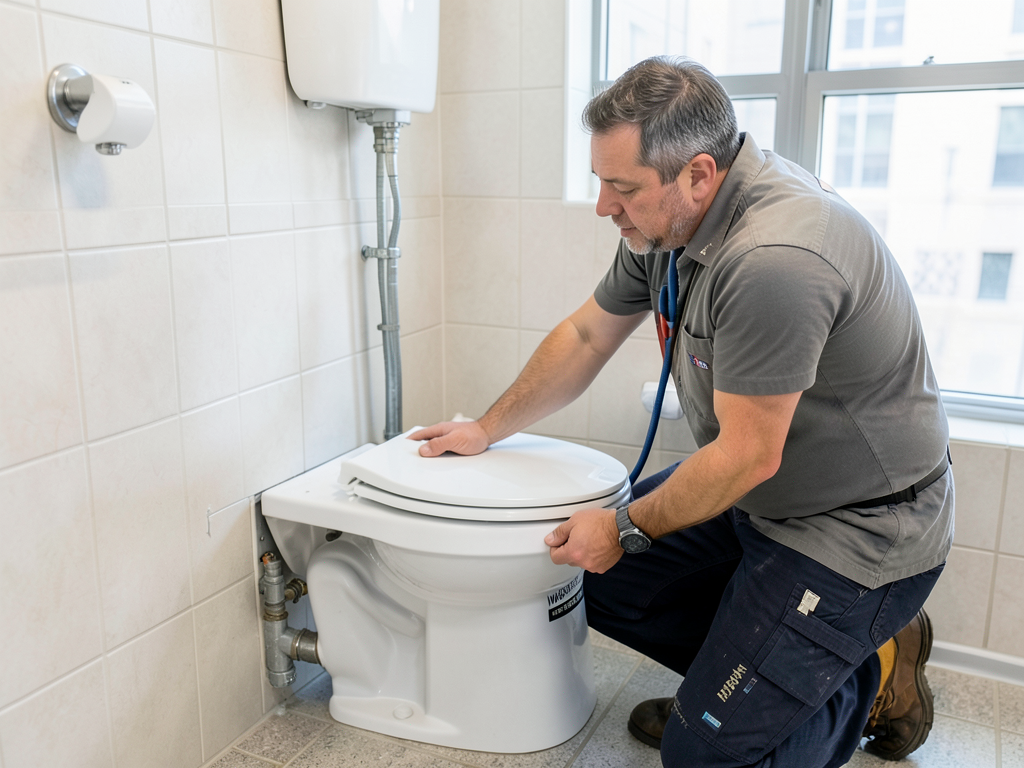
Professional installation makes the difference between a successful upgrade and ongoing problems. Our technicians test each toilet’s flush performance and check for proper sealing at the wax ring. We verify that supply lines meet current code requirements and that shut-off valves operate correctly. Central City homes built before 1980 often need supply line replacements to handle the pressure requirements of modern fixtures. A proper installation prevents the leaks and running toilets that waste water and drive up bills. Fixing Slab Leaks and Foundation Plumbing in Your Garden District Home.
Water conservation in New Orleans extends beyond individual savings. Every gallon saved reduces the load on the city’s treatment plants and helps protect the Mississippi River ecosystem. Central City residents can take pride in knowing their bathroom upgrades contribute to regional water sustainability while enjoying lower monthly utility costs. The payback period for most toilet upgrades is under two years when factoring in both water and sewer charges. Fast Water Heater Repair and Replacement Services for Metairie Residents.
Call (985) 279-3332 today to schedule your free water audit and learn which toilet models work best for your Central City home’s specific plumbing system.
Understanding WaterSense Certification and New Orleans Plumbing Codes
The EPA WaterSense program sets strict standards for high-efficiency toilets, requiring certification that units use 1.28 gallons per flush or less while passing rigorous performance tests. New Orleans plumbing code, based on the International Plumbing Code with local amendments, requires all new toilet installations to meet these efficiency standards. The Sewerage & Water Board of New Orleans offers rebates for replacing older toilets with WaterSense-certified models, providing up to $100 per fixture for qualifying upgrades.
Central City homes built between 1940 and 1970 often contain original plumbing that presents unique challenges for toilet replacement. Clay sewer pipes in this area have shifted over decades due to soil subsidence, creating low spots where waste can accumulate. Modern low-flow toilets with larger trapways and enhanced flushing mechanisms prevent clogs in these compromised systems. Pressure-assisted toilets generate 25% more flushing force than gravity models, making them ideal for homes with marginal drain line conditions. Emergency Drain Cleaning Services for Metairie Homeowners and Businesses.
The diagnostic process starts with a camera inspection of existing drain lines. Our technicians identify pipe material, diameter, and any obstructions that could affect toilet performance. Homes with cast iron pipes often benefit from pressure-assisted models that overcome the reduced flow capacity caused by internal corrosion. Properties with PVC or ABS lines can use quieter gravity-fed options that still meet WaterSense standards while providing reliable operation.
Supply line sizing becomes critical in Central City’s older homes. Many pre-1980 properties have 1/2-inch supply lines that create pressure drops when multiple fixtures operate simultaneously. Upgrading to 3/4-inch lines ensures adequate water volume for pressure-assisted toilets while preventing the hammering sounds that occur with inadequate supply. The additional cost of supply line replacement typically pays for itself through improved fixture performance and reduced maintenance calls.
Professional plumbers understand the interaction between toilet technology and New Orleans’ unique infrastructure. We consider factors like water pressure variations caused by the city’s pumping stations, the impact of hard water on valve components, and the need for proper venting in historic home renovations. Our installations include pressure testing and leak detection to verify that every connection meets current code requirements and manufacturer specifications. Who to Call for a 24 Hour Emergency Plumber in New Orleans.
Call (985) 279-3332 to schedule your plumbing assessment and discover which WaterSense-certified toilet provides the best balance of water savings and reliable performance for your Central City home.
Dual-Flush vs. Single-Flush Technology for New Orleans Homes
Dual-flush toilets offer two flushing options: a half-flush using approximately 0.8 gallons for liquid waste and a full flush using 1.28 gallons for solid waste. This technology can reduce water consumption by an additional 20% compared to single-flush WaterSense models. Central City residents appreciate the water savings, especially during summer months when water usage typically increases by 30% for outdoor activities and cooling.
Single-flush toilets provide consistent performance with every use, eliminating the need for users to decide which button to press. Modern single-flush models achieve excellent flush ratings through improved bowl design and larger flush valves. These units work well in rental properties and commercial buildings where user training isn’t practical. The simpler mechanism also means fewer parts that can fail, reducing long-term maintenance costs.
Hard water affects toilet performance differently in New Orleans’ climate. The city’s water supply contains moderate mineral content that can accumulate in valve components and reduce flushing efficiency over time. Dual-flush models with ceramic disc technology resist mineral buildup better than traditional rubber seal designs. Single-flush units with larger flush valves maintain performance even as minor deposits form on internal surfaces.
Installation considerations vary between the two technologies. Dual-flush toilets require slightly more complex plumbing connections and often need additional space for the dual-button mechanism. Single-flush models install more quickly and have fewer potential leak points. Both types require proper leveling and secure mounting to prevent rocking that can break wax seals and cause hidden leaks.
Cost analysis shows dual-flush units typically cost $50-75 more than comparable single-flush models. However, the water savings can offset this difference within 18-24 months for a family of four. Single-flush toilets offer better value for homes with moderate water usage or where the additional complexity of dual-flush technology isn’t necessary. Our technicians help customers evaluate their specific usage patterns and plumbing conditions to recommend the most cost-effective solution.
Call (985) 279-3332 for a personalized consultation on whether dual-flush or single-flush technology best suits your Central City home’s water conservation goals and plumbing infrastructure.
Professional Installation Process for Eco-Friendly Toilets
Professional toilet installation follows a systematic process that ensures code compliance and long-term reliability. The process begins with shutting off the water supply and draining existing fixtures. Our technicians inspect the closet flange for damage, verify floor levelness, and check that the waste line meets current code requirements. Central City homes often require flange replacement due to corrosion or improper previous installations.
Supply line preparation involves checking water pressure with a gauge to verify it falls within the 20-80 PSI range required by most manufacturers. Homes with pressure below 20 PSI need booster pumps for pressure-assisted models, while pressure above 80 PSI requires regulators to prevent valve damage. We install new supply lines with stainless steel braided hoses that resist kinking and provide decades of reliable service.
Wax ring selection depends on floor type and toilet design. Standard wax rings work for most installations, but extra-thick rings accommodate uneven floors common in Central City’s older homes. For tile floors or when the flange sits below floor level, we use reinforced wax rings with plastic sleeves that prevent shifting during toilet mounting. Some installations benefit from foam gaskets that provide better sealing on slightly irregular surfaces.
Leveling and mounting require careful attention to prevent future problems. We use composite shims to achieve perfect level in all directions, then caulk around the base to prevent moisture intrusion and make cleaning easier. The toilet mounting bolts receive thread locker to prevent loosening from floor movement. We test each installation by rocking the bowl to verify it remains stable under normal use conditions.
Final testing includes multiple flush cycles to verify proper operation and check for leaks at all connection points. We inspect the tank-to-bowl connection, supply line fittings, and base mounting. Water pressure testing ensures the fill valve operates correctly without creating the hammering sounds that can damage pipes. Our technicians also verify that the toilet meets WaterSense performance standards for bowl cleaning and waste removal.
Call (985) 279-3332 to schedule professional installation that protects your investment and ensures years of trouble-free operation from your new eco-friendly toilet.
Water Savings Analysis for Central City Homes
A typical Central City household uses approximately 88 gallons of water per person daily, with toilets accounting for 24% of total indoor water use. Replacing a 3.5 GPF toilet with a WaterSense-certified 1.28 GPF model saves about 13,000 gallons annually per fixture. For a family of four, this translates to 52,000 gallons saved yearly, reducing water bills by $200-300 depending on Sewerage & Water Board rates.
The financial analysis extends beyond water costs to include sewer charges, which are based on water consumption. New Orleans bills water and sewer together, so reducing water usage provides double savings. A family saving 52,000 gallons annually might see combined utility savings of $400-500 per year. The payback period for toilet replacement typically ranges from 18 months to 3 years, depending on the age and efficiency of the original fixtures.
Commercial properties in Central City realize even greater savings due to higher usage volumes. A restaurant with five older toilets might save 65,000 gallons annually per fixture, totaling 325,000 gallons and $1,500-2,000 in combined utility costs. Office buildings with high employee traffic see similar returns on investment, often achieving payback in under 12 months due to the high volume of daily flushes.
Environmental benefits multiply when considering the energy required to treat and pump water. The Sewerage & Water Board’s Carrollton Plant processes millions of gallons daily, consuming significant electricity for pumping and treatment. Every gallon saved reduces this energy demand, contributing to the city’s sustainability goals. Central City residents can track their conservation impact through the S&WB’s online portal, which shows monthly usage trends and compares consumption to similar households.
Maintenance costs decrease with modern toilet technology. Older units often require multiple service calls annually for issues like running tanks, weak flushes, or leaking seals. WaterSense-certified models feature improved components that last longer and perform more reliably. The reduced maintenance burden, combined with water savings, makes toilet replacement one of the most cost-effective home improvements available to Central City homeowners.
Call (985) 279-3332 to calculate your specific water savings potential and receive a detailed return-on-investment analysis for toilet replacement in your Central City property.
Maintenance and Troubleshooting for Low-Flow Toilets
Modern low-flow toilets require different maintenance approaches than older models. The reduced water volume means that partial clogs can become more problematic, as there’s less water to clear minor blockages. Regular cleaning with non-abrasive cleaners prevents mineral buildup in the bowl and trapway. New Orleans’ moderate water hardness requires attention to fill valve screens, which can clog with mineral deposits and cause slow filling or running toilets.
Fill valve adjustment becomes critical for optimal performance. WaterSense toilets operate within specific water level parameters, typically 1/2 to 1 inch below the overflow tube. Incorrect adjustment causes either weak flushes from insufficient water volume or continuous running that wastes water. Our technicians use calibrated gauges to set fill levels precisely, ensuring each flush delivers the designed water volume for maximum efficiency.
Flapper replacement intervals differ from older toilets due to the precise water volumes involved. Standard rubber flappers may degrade in 2-3 years, causing intermittent running or incomplete flushes. Upgrading to silicone or chlorazone-treated flappers extends service life to 5-7 years while maintaining the exact water release timing required for WaterSense certification. We stock manufacturer-specific replacement parts to ensure compatibility with every toilet model we install.
Diagnosing flush performance issues requires understanding the interaction between water volume, bowl design, and drain line conditions. Weak flushes might indicate supply line restrictions, incorrect bowl water level, or partial drain line clogs. Our diagnostic process includes flow testing, supply line pressure measurement, and visual inspection of the trapway. We identify whether problems originate in the toilet itself or in the building’s plumbing system.
Preventive maintenance includes annual inspections of all toilet components. We check for silent leaks using dye tablets, verify that fill valves shut off completely, and inspect supply line connections for corrosion. Central City homes with cast iron supply lines benefit from replacement with modern flexible connectors that resist the galvanic corrosion common in the area’s soil conditions. These inspections prevent the water waste and damage that result from undetected toilet failures.
Call (985) 279-3332 for professional maintenance services that keep your WaterSense toilets operating at peak efficiency and prevent costly water waste in your Central City home.
Environmental Impact and Sustainability in New Orleans
New Orleans faces unique environmental challenges that make water conservation particularly important. The city’s location in a delta environment means that every gallon of water processed affects the delicate balance of the Mississippi River ecosystem. WaterSense-certified toilets reduce the volume of wastewater entering the city’s treatment system by up to 60%, decreasing the energy required for pumping and treatment while reducing the chemical load on receiving waters.
The Sewerage & Water Board’s infrastructure struggles with capacity during heavy rainfall events. Combined sewer systems in older neighborhoods like Central City can overflow into local waterways during storms, causing environmental damage. Reducing indoor water usage helps maintain system capacity for stormwater management, protecting both the environment and property from flood damage. Every toilet upgrade contributes to the city’s resilience against climate change impacts.
Water conservation also reduces the energy footprint of water delivery. The S&WB pumps water from the Mississippi River and distributes it across the city through an extensive network of pipes. Each gallon saved eliminates the electricity required for pumping, treatment, and distribution. A typical household replacing one toilet saves enough electricity to power an LED light bulb for over a year, multiplied across thousands of homes creating substantial community-wide energy savings.
Sustainable building practices in New Orleans increasingly incorporate water-efficient fixtures as standard requirements. The city’s Green Building Ordinance encourages water conservation through both incentives and requirements for new construction. Existing buildings can achieve similar environmental benefits through phased upgrades of older fixtures. Central City’s historic character doesn’t prevent modern water efficiency, as many WaterSense toilets are available in styles that complement traditional architecture.
The Louisiana Department of Environmental Quality tracks water quality improvements resulting from reduced wastewater volumes. Communities that adopt water-efficient technologies show measurable decreases in pollutant loading to surface waters. Central City residents participating in toilet replacement programs contribute to these positive trends while enjoying immediate financial benefits from reduced utility bills. The environmental impact extends beyond local waters to the broader Gulf of Mexico ecosystem that depends on clean freshwater inflows.
Call (985) 279-3332 to learn how your toilet upgrade contributes to New Orleans’ environmental sustainability goals while providing tangible benefits for your household budget.
Choosing the Right Toilet for Your Central City Home
Selecting the optimal toilet requires evaluating multiple factors specific to your home’s conditions. Water pressure represents the primary consideration, as pressure-assisted models need 25-30 PSI minimum while gravity-fed units operate at 15-20 PSI. Central City homes built before 1980 often have supply lines that can’t deliver adequate pressure for high-efficiency pressure-assisted toilets. Our technicians measure actual water pressure at multiple fixtures to recommend appropriate technology.
Floor mounting configuration affects toilet selection and installation complexity. Standard 12-inch rough-in distances work with most modern toilets, but older homes might have 10-inch or 14-inch rough-ins requiring specialized models. Concrete slab homes in Central City need different mounting approaches than pier-and-beam construction. We assess floor structure to determine whether additional support is needed for heavier one-piece toilets or pressure-assisted units.
Noise considerations influence toilet selection, particularly in multi-story homes or properties with bedrooms near bathrooms. Pressure-assisted toilets generate flushing sounds comparable to commercial restrooms, which some homeowners find disruptive. Gravity-fed models with larger flush valves provide quiet operation while maintaining WaterSense certification. Sound-dampening supply lines and fill valves further reduce operational noise in sensitive areas.
Aesthetic preferences range from traditional two-piece designs to contemporary one-piece units with concealed trapways. Central City’s historic homes often benefit from toilets with taller bowls that accommodate modern comfort preferences while maintaining architectural compatibility. Color selection extends beyond standard white to include biscuit, bone, and other finishes that complement existing fixtures. We help customers balance visual preferences with performance requirements and budget constraints.
Budget considerations include both initial costs and long-term value. Premium toilets with advanced features like automatic flushing, heated seats, or bidet functions cost $500-1,500 but offer enhanced comfort and additional water savings. Mid-range models at $200-400 provide excellent WaterSense performance with proven reliability. Entry-level units under $200 work well for secondary bathrooms or rental properties where advanced features aren’t necessary.
Call (985) 279-3332 for a comprehensive evaluation of your Central City home’s specific requirements and personalized recommendations for the best toilet upgrade options within your budget and performance needs.
Frequently Asked Questions
How much water can I save by upgrading to a WaterSense toilet?
A typical family of four can save 13,000 gallons annually per toilet by replacing a 3.5 GPF model with a WaterSense-certified 1.28 GPF unit. This translates to $200-300 in water bill savings plus additional sewer charge reductions, with payback typically occurring within 2-3 years.
Will a low-flow toilet work with my old cast iron pipes?
Yes, modern low-flow toilets work effectively with cast iron pipes when properly selected. Pressure-assisted models provide extra flushing force that overcomes the reduced flow capacity of older pipes, while gravity-fed units with larger flush valves maintain performance in most residential applications.
Do I need a permit to replace my toilet in New Orleans?
Most toilet replacements in New Orleans don’t require permits if you’re swapping like-for-like fixtures. However, if supply line modifications or drain line alterations are needed, a plumbing permit from the Sewerage & Water Board may be required. Our technicians handle all permitting requirements as part of the installation process.
How long does professional toilet installation take?
Standard toilet replacement typically takes 1-2 hours for a professional installation. Complex installations involving supply line upgrades, flange replacement, or drain line modifications may require 3-4 hours. We provide accurate time estimates after evaluating your specific plumbing conditions.
What’s the warranty on new toilet installations?
Manufacturer warranties on WaterSense toilets typically cover 5-10 years on the tank and bowl, with fill valves and flappers covered for 1-3 years. Our installation workmanship includes a 1-year warranty covering proper operation and leak-free performance.
Can I install a toilet myself to save money?
While DIY installation is possible, professional installation ensures code compliance, proper sealing, and optimal performance. Incorrect installation can cause leaks, poor flushing, or even property damage. Professional installation also maintains manufacturer warranties that might be voided by non-professional installation.
How do I know if my toilet is using too much water?
Toilets installed before 1994 likely use 3.5 gallons or more per flush. You can check the date stamp inside the tank or look for a GPF rating on the bowl rim. If your toilet lacks these markings or was installed before 1994, it probably uses excessive water compared to modern standards.
What maintenance do WaterSense toilets require?
WaterSense toilets need annual inspections to check for leaks, verify proper fill levels, and clean mineral deposits from valves and jets. Flapper replacement every 3-5 years prevents running toilets. Professional maintenance ensures optimal performance and prevents water waste from minor issues that develop over time.
Are there rebates available for toilet upgrades in New Orleans?
The Sewerage & Water Board of New Orleans offers rebates up to $100 per WaterSense toilet for qualifying replacements. Additional rebates may be available through energy efficiency programs or local sustainability initiatives. We help customers navigate rebate applications as part of our service.
How do I choose between different WaterSense toilet models?
Selection depends on your home’s water pressure, drain line conditions, aesthetic preferences, and budget. Pressure-assisted models work best for homes with marginal drain lines or low water pressure. Gravity-fed units offer quieter operation and simpler maintenance. We evaluate your specific conditions to recommend the optimal model for your needs.
What’s the difference between round and elongated toilet bowls?
Elongated bowls provide additional seating comfort and are ADA-compliant, while round bowls save space in smaller bathrooms. Both styles are available in WaterSense-certified models. The choice often depends on bathroom dimensions and user preferences, with elongated bowls becoming the standard in new construction.
How do I prepare for toilet installation?
Clear the area around the toilet, remove personal items from the bathroom, and ensure the water supply valve operates correctly. Our technicians handle the rest, including protecting floors and cleaning up after installation. We recommend having an alternative bathroom available during the installation process.
Can low-flow toilets handle the same waste volume as older models?
Yes, WaterSense toilets are rigorously tested to ensure they handle waste effectively despite using less water. Modern designs use improved bowl geometry, larger flush valves, and optimized water flow patterns to achieve superior performance compared to older 3.5 GPF models.
What causes toilets to run continuously?
Common causes include worn flappers, misadjusted fill valves, or damaged overflow tubes. In New Orleans’ hard water conditions, mineral deposits can prevent valves from sealing properly. Professional diagnosis identifies the specific cause and provides the correct repair to stop water waste.
How do I know if my toilet is leaking?
Signs include phantom flushing sounds, water running intermittently, or higher than normal water bills. You can test for leaks using food coloring in the tank – if color appears in the bowl without flushing, you have a leak. Professional leak detection can identify hidden problems in the tank or supply line.
What’s the best toilet height for seniors or people with mobility issues?
Comfort height toilets, typically 17-19 inches from floor to seat, provide easier sitting and standing for seniors and those with mobility limitations. These models meet ADA guidelines and are available in both round and elongated styles with WaterSense certification.
How often should toilets be replaced?
Toilets typically last 20-30 years, but efficiency and performance degrade over time. Replacement becomes cost-effective when water savings offset the replacement cost, usually when existing fixtures are over 15 years old or show signs of inefficiency like frequent clogs or running issues.
Do low-flow toilets clog more easily?
Modern WaterSense toilets are designed to prevent clogs through improved bowl design and flushing mechanisms. While they use less water, the optimized flow patterns and larger trapways actually reduce clogging compared to older models when properly maintained.
What’s the difference between one-piece and two-piece toilets?
One-piece toilets offer sleeker appearance, easier cleaning, and fewer leak points but cost more and are heavier to install. Two-piece models are more common, easier to transport, and typically less expensive while still providing excellent WaterSense performance.
How do I maintain my toilet’s finish?
Use non-abrasive cleaners specifically formulated for toilet surfaces. Avoid harsh chemicals that can damage the finish or harm septic systems. Regular cleaning prevents mineral buildup and staining, particularly important in New Orleans’ hard water conditions.
Can I upgrade just the tank or do I need a complete toilet?
Complete toilet replacement ensures optimal performance and water efficiency. Mixing old bowls with new tanks often results in poor flushing due to mismatched water volumes and bowl designs. Full replacement guarantees WaterSense certification and proper operation.
What should I do if my toilet keeps running after installation?
Minor adjustments to the fill valve or flapper often resolve running issues. If problems persist, contact the installer for warranty service. Running toilets waste significant water and should be addressed promptly to prevent high utility bills.
Are bidet attachments compatible with low-flow toilets?
Yes, bidet attachments work with both low-flow and standard toilets. They provide additional cleaning functionality while the toilet maintains its water-efficient operation. Installation is typically straightforward and doesn’t affect the toilet’s WaterSense certification.
How do I winterize my toilet if I’m leaving New Orleans for an extended period?
Turn off the water supply, flush to empty the tank, and use RV antifreeze in the bowl and trap to prevent freezing. This is rarely necessary in New Orleans due to mild winters but may be considered for extended absences during unusually cold periods.
What’s the most water-efficient toilet technology available?
Vacuum-assisted toilets use the least water, typically 0.8-1.0 gallons per flush, by creating suction to remove waste. These high-efficiency models cost more but provide maximum water savings. Dual-flush toilets offer excellent efficiency with the flexibility of different flush volumes.
How do I dispose of my old toilet responsibly?
Professional plumbers typically haul away old fixtures for recycling or proper disposal. Porcelain toilets can be crushed for use as aggregate in construction projects. We ensure your old toilet is disposed of in an environmentally responsible manner as part of our installation service.
Can toilet upgrades help with bathroom remodeling projects?
Absolutely. Toilet replacement often serves as the foundation for bathroom updates, providing immediate water savings while improving aesthetics and functionality. Modern toilets complement other fixture upgrades and can be part of a comprehensive bathroom efficiency strategy.
What’s the typical lifespan of toilet components?
Fill valves and flappers typically last 3-5 years in New Orleans’ hard water conditions. Bowls and tanks can last 20-30 years or more. Regular maintenance extends component life while ensuring optimal performance and water efficiency throughout the fixture’s service life.
Conclusion
Upgrading to WaterSense-certified toilets in Central City represents one of the smartest investments homeowners can make for both their wallets and the environment. The combination of high New Orleans water rates, aging plumbing infrastructure, and growing environmental awareness makes toilet replacement particularly valuable in this area. Modern low-flow technology has eliminated the performance concerns that once plagued early water-efficient fixtures, delivering reliable operation while using 60% less water than pre-1994 models.
The financial benefits extend beyond simple water savings to include reduced sewer charges, lower maintenance costs, and potential rebates from the Sewerage & Water Board. Most homeowners achieve complete payback within 2-3 years, after which the savings directly improve monthly cash flow. The environmental impact multiplies across the community, reducing the energy required for water treatment while protecting the Mississippi River ecosystem that defines our region.
Professional installation ensures that your toilet upgrade delivers maximum benefits while preventing the leaks and performance issues that can occur with DIY attempts. Our technicians understand Central City’s unique plumbing challenges and select the optimal technology for each home’s specific conditions. Whether you need pressure-assisted power for older cast iron pipes or the quiet efficiency of modern gravity-fed models, we provide solutions that work reliably for years to come.
Call (985) 279-3332 today to schedule your free water audit and discover how much you can save with eco-friendly toilet upgrades. Our experienced team will evaluate your current fixtures, analyze your water usage patterns, and recommend the best WaterSense-certified options for your Central City home. Don’t wait to start saving water and money – every flush counts toward a more sustainable New Orleans.
Service Areas
We proudly serve Central City and surrounding New Orleans neighborhoods including the Garden District, Irish Channel, and Uptown areas. Our service area extends throughout Orleans Parish, covering zip codes 70113, 70115, 70118, and 70125. Whether you own a historic shotgun double or a modern townhome, we have the expertise to handle your toilet upgrade needs with minimal disruption to your daily routine.
{
“@context”: “https://schema.org”,
“@type”: “BlogPosting”,
“headline”: “The Best Eco-Friendly Toilet Upgrades for Your Sustainable Home in Central City”,
“description”: “Discover WaterSense-certified toilet upgrades that cut your Sewerage & Water Board bills while protecting New Orleans’ aging infrastructure. Call (985) 279-3332.”,
“wordCount”: 4731,
“datePublished”: “2026-04-21T06:41:00.000Z”,
“dateModified”: “2026-04-21T06:41:00.000Z”,
“inLanguage”: “en-US”,
“mainEntityOfPage”: {
“@type”: “WebPage”,
“@id”: “https://libertyplumbingneworleans.com”
},
“publisher”: {
“@type”: “LocalBusiness”,
“name”: “Liberty Plumbing New Orleans”,
“url”: “https://libertyplumbingneworleans.com”
},
“author”: {
“@type”: “Organization”,
“name”: “Liberty Plumbing New Orleans”,
“url”: “https://libertyplumbingneworleans.com”
},
“image”: {
“@type”: “ImageObject”,
“url”: “https://libertyplumbingneworleans.com/wp-content/uploads/2026/03/the-best-eco-friendly-toilet-upgrades-for-your-sus-1.png”
}
}
{
“@context”: “https://schema.org”,
“@type”: “Plumber”,
“name”: “Liberty Plumbing New Orleans”,
“url”: “https://libertyplumbingneworleans.com”,
“address”: {
“@type”: “PostalAddress”,
“addressLocality”: “New Orleans”
},
“areaServed”: {
“@type”: “City”,
“name”: “New Orleans”
}
}
{
“@context”: “https://schema.org”,
“@type”: “FAQPage”,
“mainEntity”: [
{
“@type”: “Question”,
“name”: “How much water can I save by upgrading to a WaterSense toilet?”,
“acceptedAnswer”: {
“@type”: “Answer”,
“text”: “A typical family of four can save 13,000 gallons annually per toilet by replacing a 3.5 GPF model with a WaterSense-certified 1.28 GPF unit. This translates to $200-300 in water bill savings plus additional sewer charge reductions, with payback typically occurring within 2-3 years.”
}
},
{
“@type”: “Question”,
“name”: “Will a low-flow toilet work with my old cast iron pipes?”,
“acceptedAnswer”: {
“@type”: “Answer”,
“text”: “Yes, modern low-flow toilets work effectively with cast iron pipes when properly selected. Pressure-assisted models provide extra flushing force that overcomes the reduced flow capacity of older pipes, while gravity-fed units with larger flush valves maintain performance in most residential applications.”
}
},
{
“@type”: “Question”,
“name”: “Do I need a permit to replace my toilet in New Orleans?”,
“acceptedAnswer”: {
“@type”: “Answer”,
“text”: “Most toilet replacements in New Orleans don’t require permits if you’re swapping like-for-like fixtures. However, if supply line modifications or drain line alterations are needed, a plumbing permit from the Sewerage & Water Board may be required. Our technicians handle all permitting requirements as part of the installation process.”
}
},
{
“@type”: “Question”,
“name”: “How long does professional toilet installation take?”,
“acceptedAnswer”: {
“@type”: “Answer”,
“text”: “Standard toilet replacement typically takes 1-2 hours for a professional installation. Complex installations involving supply line upgrades, flange replacement, or drain line modifications may require 3-4 hours. We provide accurate time estimates after evaluating your specific plumbing conditions.”
}
},
{
“@type”: “Question”,
“name”: “What’s the warranty on new toilet installations?”,
“acceptedAnswer”: {
“@type”: “Answer”,
“text”: “Manufacturer warranties on WaterSense toilets typically cover 5-10 years on the tank and bowl, with fill valves and flappers covered for 1-3 years. Our installation workmanship includes a 1-year warranty covering proper operation and leak-free performance.”
}
},
{
“@type”: “Question”,
“name”: “Can I install a toilet myself to save money?”,
“acceptedAnswer”: {
“@type”: “Answer”,
“text”: “While DIY installation is possible, professional installation ensures code compliance, proper sealing, and optimal performance. Incorrect installation can cause leaks, poor flushing, or even property damage. Professional installation also maintains manufacturer warranties that might be voided by non-professional installation.”
}
},
{
“@type”: “Question”,
“name”: “How do I know if my toilet is using too much water?”,
“acceptedAnswer”: {
“@type”: “Answer”,
“text”: “Toilets installed before 1994 likely use 3.5 gallons or more per flush. You can check the date stamp inside the tank or look for a GPF rating on the bowl rim. If your toilet lacks these markings or was installed before 1994, it probably uses excessive water compared to modern standards.”
}
},
{
“@type”: “Question”,
“name”: “What maintenance do WaterSense toilets require?”,
“acceptedAnswer”: {
“@type”: “Answer”,
“text”: “WaterSense toilets need annual inspections to check for leaks, verify proper fill levels, and clean mineral deposits from valves and jets. Flapper replacement every 3-5 years prevents running toilets. Professional maintenance ensures optimal performance and prevents water waste from minor issues that develop over time.”
}
},
{
“@type”: “Question”,
“name”: “Are there rebates available for toilet upgrades in New Orleans?”,
“acceptedAnswer”: {
“@type”: “Answer”,
“text”: “The Sewerage & Water Board of New Orleans offers rebates up to $100 per WaterSense toilet for qualifying replacements. Additional rebates may be available through energy efficiency programs or local sustainability initiatives. We help customers navigate rebate applications as part of our service.”
}
},
{
“@type”: “Question”,
“name”: “How do I choose between different WaterSense toilet models?”,
“acceptedAnswer”: {
“@type”: “Answer”,
“text”: “Selection depends on your home’s water pressure, drain line conditions, aesthetic preferences, and budget. Pressure-assisted models work best for homes with marginal drain lines or low water pressure. Gravity-fed units offer quieter operation and simpler maintenance. We evaluate your specific conditions to recommend the optimal model for your needs.”
}
},
{
“@type”: “Question”,
“name”: “What’s the difference between round and elongated toilet bowls?”,
“acceptedAnswer”: {
“@type”: “Answer”,
“text”: “Elongated bowls provide additional seating comfort and are ADA-compliant, while round bowls save space in smaller bathrooms. Both styles are available in WaterSense-certified models. The choice often depends on bathroom dimensions and user preferences, with elongated bowls becoming the standard in new construction.”
}
},
{
“@type”: “Question”,
“name”: “Can low-flow toilets handle the same waste volume as older models?”,
“acceptedAnswer”: {
“@type”: “Answer”,
“text”: “Yes, WaterSense toilets are rigorously tested to ensure they handle waste effectively despite using less water. Modern designs use improved bowl geometry, larger flush valves, and optimized water flow patterns to achieve superior performance compared to older 3.5 GPF models.”
}
},
{
“@type”: “Question”,
“name”: “What causes toilets to run continuously?”,
“acceptedAnswer”: {
“@type”: “Answer”,
“text”: “Common causes include worn flappers, misadjusted fill valves, or damaged overflow tubes. In New Orleans’ hard water conditions, mineral deposits can prevent valves from sealing properly. Professional diagnosis identifies the specific cause and provides the correct repair to stop water waste.”
}
},
{
“@type”: “Question”,
“name”: “How do I know if my toilet is leaking?”,
“acceptedAnswer”: {
“@type”: “Answer”,
“text”: “Signs include phantom flushing sounds, water running intermittently, or higher than normal water bills. You can test for leaks using food coloring in the tank – if color appears in the bowl without flushing, you have a leak. Professional leak detection can identify hidden problems in the tank or supply line.”
}
},
{
“@type”: “Question”,
“name”: “What’s the best toilet height for seniors or people with mobility issues?”,
“acceptedAnswer”: {
“@type”: “Answer”,
“text”: “Comfort height toilets, typically 17-19 inches from floor to seat, provide easier sitting and standing for seniors and those with mobility limitations. These models meet ADA guidelines and are available in both round and elongated styles with WaterSense certification.”
}
},
{
“@type”: “Question”,
“name”: “How often should toilets be replaced?”,
“acceptedAnswer”: {
“@type”: “Answer”,
“text”: “Toilets typically last 20-30 years, but efficiency and performance degrade over time. Replacement becomes cost-effective when water savings offset the replacement cost, usually when existing fixtures are over 15 years old or show signs of inefficiency like frequent clogs or running issues.”
}
},
{
“@type”: “Question”,
“name”: “Do low-flow toilets clog more easily?”,
“acceptedAnswer”: {
“@type”: “Answer”,
“text”: “Modern WaterSense toilets are designed to prevent clogs through improved bowl design and flushing mechanisms. While they use less water, the optimized flow patterns and larger trapways actually reduce clogging compared to older models when properly maintained.”
}
},
{
“@type”: “Question”,
“name”: “What’s the difference between one-piece and two-piece toilets?”,
“acceptedAnswer”: {
“@type”: “Answer”,
“text”: “One-piece toilets offer sleeker appearance, easier cleaning, and fewer leak points but cost more and are heavier to install. Two-piece models are more common, easier to transport, and typically less expensive while still providing excellent WaterSense performance.”
}
},
{
“@type”: “Question”,
“name”: “How do I maintain my toilet’s finish?”,
“acceptedAnswer”: {
“@type”: “Answer”,
“text”: “Use non-abrasive cleaners specifically formulated for toilet surfaces. Avoid harsh chemicals that can damage the finish or harm septic systems. Regular cleaning prevents mineral buildup and staining, particularly important in New Orleans’ hard water conditions.”
}
},
{
“@type”: “Question”,
“name”: “Can I upgrade just the tank or do I need a complete toilet?”,
“acceptedAnswer”: {
“@type”: “Answer”,
“text”: “Complete toilet replacement ensures optimal performance and water efficiency. Mixing old bowls with new tanks often results in poor flushing due to mismatched water volumes and bowl designs. Full replacement guarantees WaterSense certification and proper operation.”
}
},
{
“@type”: “Question”,
“name”: “What should I do if my toilet keeps running after installation?”,
“acceptedAnswer”: {
“@type”: “Answer”,
“text”: “Minor adjustments to the fill valve or flapper often resolve running issues. If problems persist, contact the installer for warranty service. Running toilets waste significant water and should be addressed promptly to prevent high utility bills.”
}
},
{
“@type”: “Question”,
“name”: “Are bidet attachments compatible with low-flow toilets?”,
“acceptedAnswer”: {
“@type”: “Answer”,
“text”: “Yes, bidet attachments work with both low-flow and standard toilets. They provide additional cleaning functionality while the toilet maintains its water-efficient operation. Installation is typically straightforward and doesn’t affect the toilet’s WaterSense certification.”
}
},
{
“@type”: “Question”,
“name”: “How do I winterize my toilet if I’m leaving New Orleans for an extended period?”,
“acceptedAnswer”: {
“@type”: “Answer”,
“text”: “Turn off the water supply, flush to empty the tank, and use RV antifreeze in the bowl and trap to prevent freezing. This is rarely necessary in New Orleans due to mild winters but may be considered for extended absences during unusually cold periods.”
}
},
{
“@type”: “Question”,
“name”: “What’s the most water-efficient toilet technology available?”,
“acceptedAnswer”: {
“@type”: “Answer”,
“text”: “Vacuum-assisted toilets use the least water, typically 0.8-1.0 gallons per flush, by creating suction to remove waste. These high-efficiency models cost more but provide maximum water savings. Dual-flush toilets offer excellent efficiency with the flexibility of different flush volumes.”
}
},
{
“@type”: “Question”,
“name”: “How do I dispose of my old toilet responsibly?”,
“acceptedAnswer”: {
“@type”: “Answer”,
“text”: “Professional plumbers typically haul away old fixtures for recycling or proper disposal. Porcelain toilets can be crushed for use as aggregate in construction projects. We ensure your old toilet is disposed of in an environmentally responsible manner as part of our installation service.”
}
},
{
“@type”: “Question”,
“name”: “Can toilet upgrades help with bathroom remodeling projects?”,
“acceptedAnswer”: {
“@type”: “Answer”,
“text”: “Absolutely. Toilet replacement often serves as the foundation for bathroom updates, providing immediate water savings while improving aesthetics and functionality. Modern toilets complement other fixture upgrades and can be part of a comprehensive bathroom efficiency strategy.”
}
},
{
“@type”: “Question”,
“name”: “What’s the typical lifespan of toilet components?”,
“acceptedAnswer”: {
“@type”: “Answer”,
“text”: “Fill valves and flappers typically last 3-5 years in New Orleans’ hard water conditions. Bowls and tanks can last 20-30 years or more. Regular maintenance extends component life while ensuring optimal performance and water efficiency throughout the fixture’s service life.”
}
}
]
}
{
“@context”: “https://schema.org”,
“@type”: “BreadcrumbList”,
“itemListElement”: [
{
“@type”: “ListItem”,
“position”: 1,
“name”: “Home”,
“item”: “https://libertyplumbingneworleans.com”
},
{
“@type”: “ListItem”,
“position”: 2,
“name”: “Blog”,
“item”: “https://libertyplumbingneworleans.com/blog”
},
{
“@type”: “ListItem”,
“position”: 3,
“name”: “The Best Eco-Friendly Toilet Upgrades for Your Sustainable Home in Central City”
}
]
}
{
“@context”: “https://schema.org”,
“@type”: “Service”,
“serviceType”: “Plumbing”,
“provider”: {
“@type”: “LocalBusiness”,
“name”: “Liberty Plumbing New Orleans”,
“url”: “https://libertyplumbingneworleans.com”
},
“areaServed”: {
“@type”: “City”,
“name”: “New Orleans”
},
“description”: “Discover WaterSense-certified toilet upgrades that cut your Sewerage & Water Board bills while protecting New Orleans’ aging infrastructure. Call (985) 279-3332.”
}