




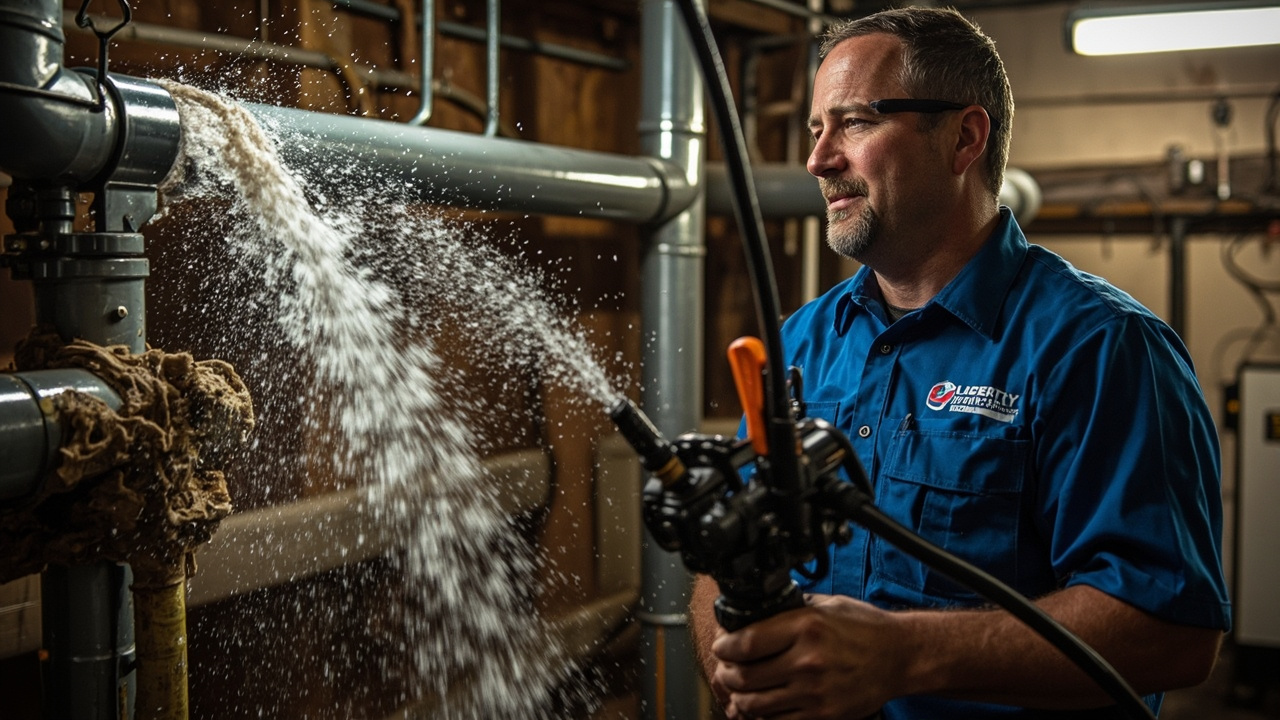
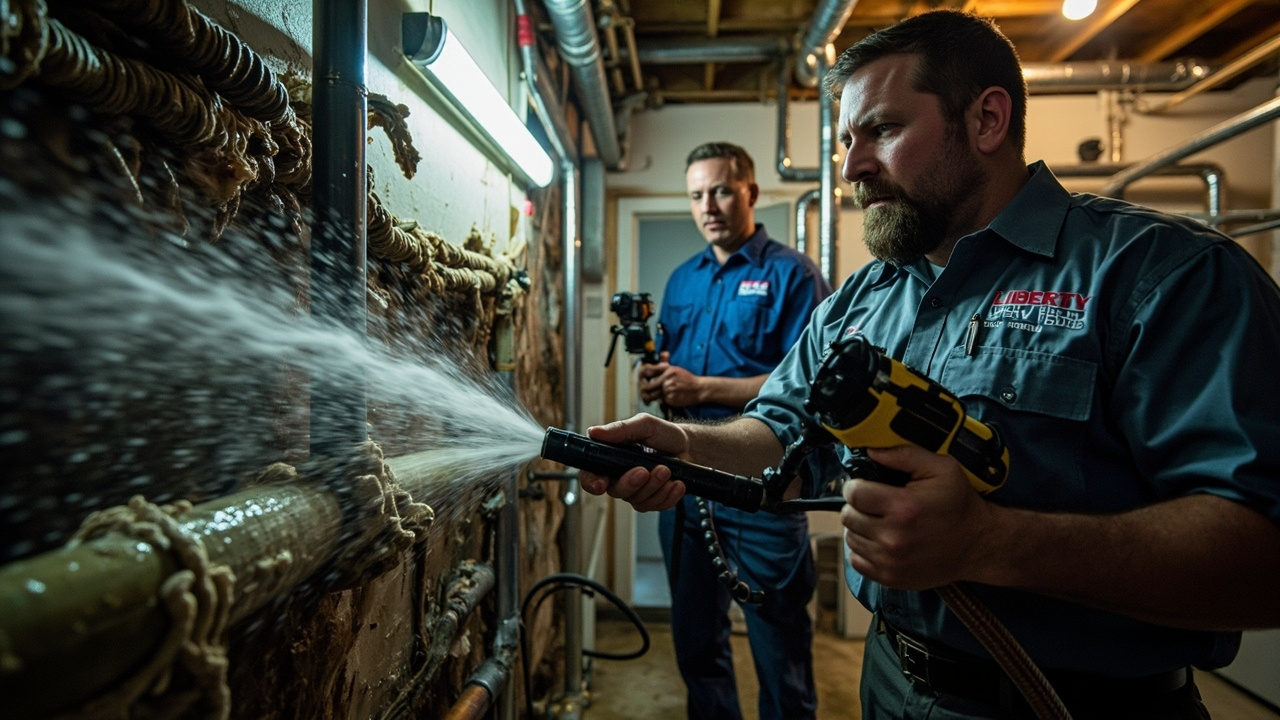
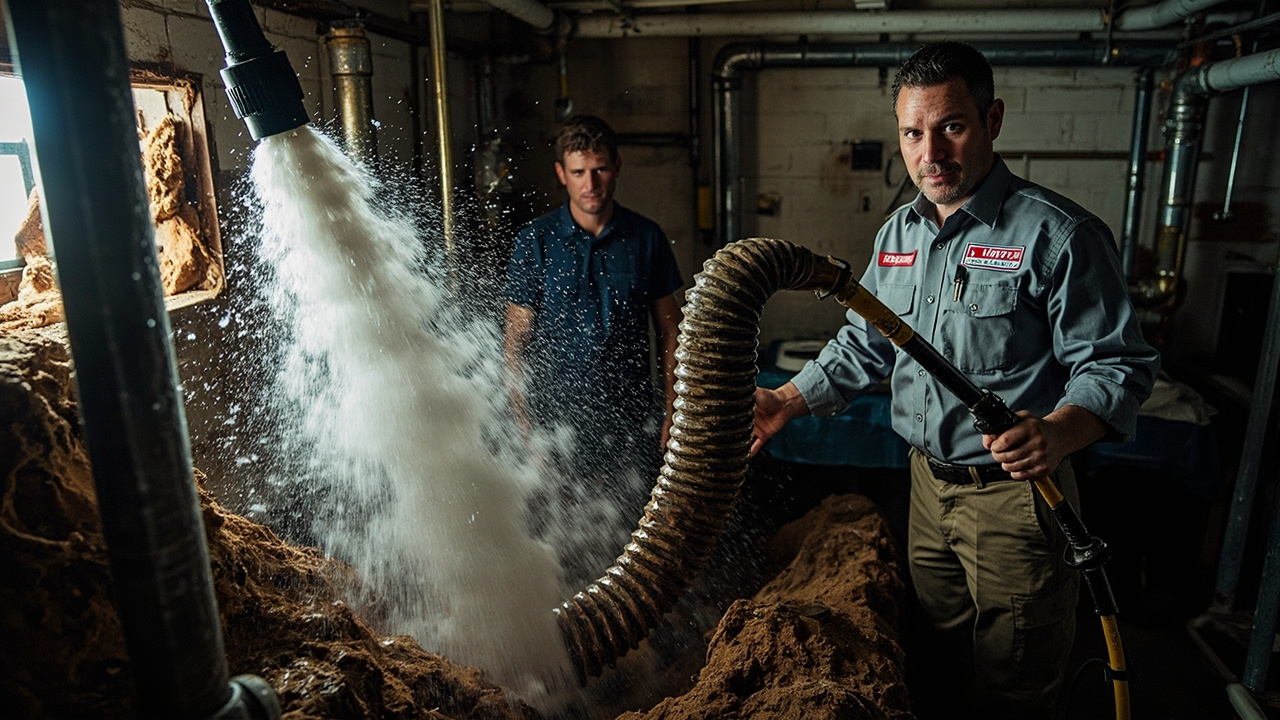
The clay soil throughout New Orleans expands during wet periods and contracts during drought. This movement shifts underground drain lines, creating separations at joints where roots enter. Live oak, magnolia, and cypress trees common in established neighborhoods send root systems 50 to 100 feet from the trunk seeking water. These aggressive roots penetrate any opening in your sewer line and form dense masses inside the pipe. Snaking cuts through roots temporarily, but jetting removes the entire root structure and delays regrowth by 12 to 18 months. The high water table means your pipes stay damp year-round, accelerating root growth compared to drier climates where seasonal dormancy slows intrusion.
New Orleans building codes require cleanout access for all main drain lines, but many pre-1960 homes lack proper cleanouts or have buried or paved-over access points. Liberty Plumbing New Orleans technicians know where to look for cleanouts in different architectural styles and can install new access points when needed. Our familiarity with local plumbing configurations in shotgun houses, Creole cottages, and camelback doubles speeds service and reduces diagnostic time. We understand which neighborhoods have orangeburg pipe, where cast iron typically fails first, and how settling foundations affect drain line integrity throughout different parts of the city.