




menu

Wet Spots in Yard in New Orleans – Expert Diagnosis and Permanent Repair

When soggy patches appear in your lawn, Liberty Plumbing New Orleans identifies the source quickly and repairs wet spots in yard with precision, protecting your property from hidden underground leaks and drainage failures.

Slider Image 1
Slider Image 2
Slider Image 3
Slider Image 4
Slider Image 5
Slider Image 7
Slider Image 8
Slider Image 9
Slider Image 10
Slider Image 11

Why Your New Orleans Lawn Stays Wet When It Shouldn't

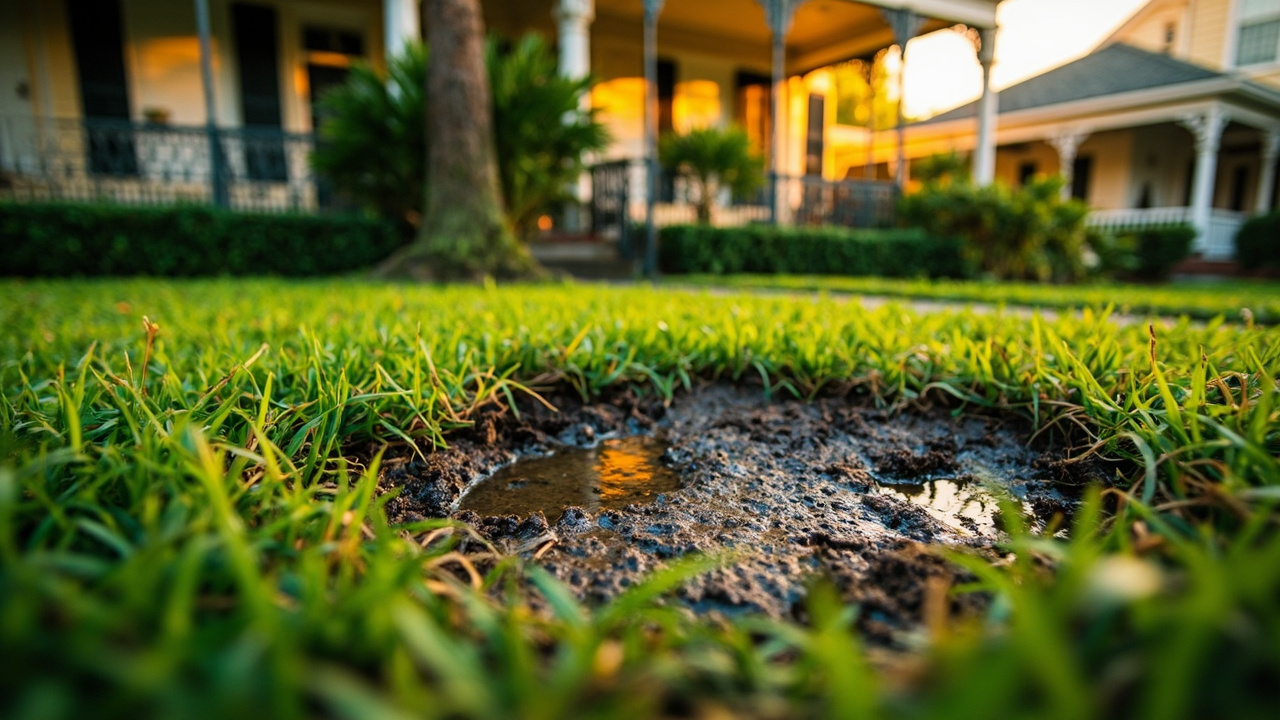
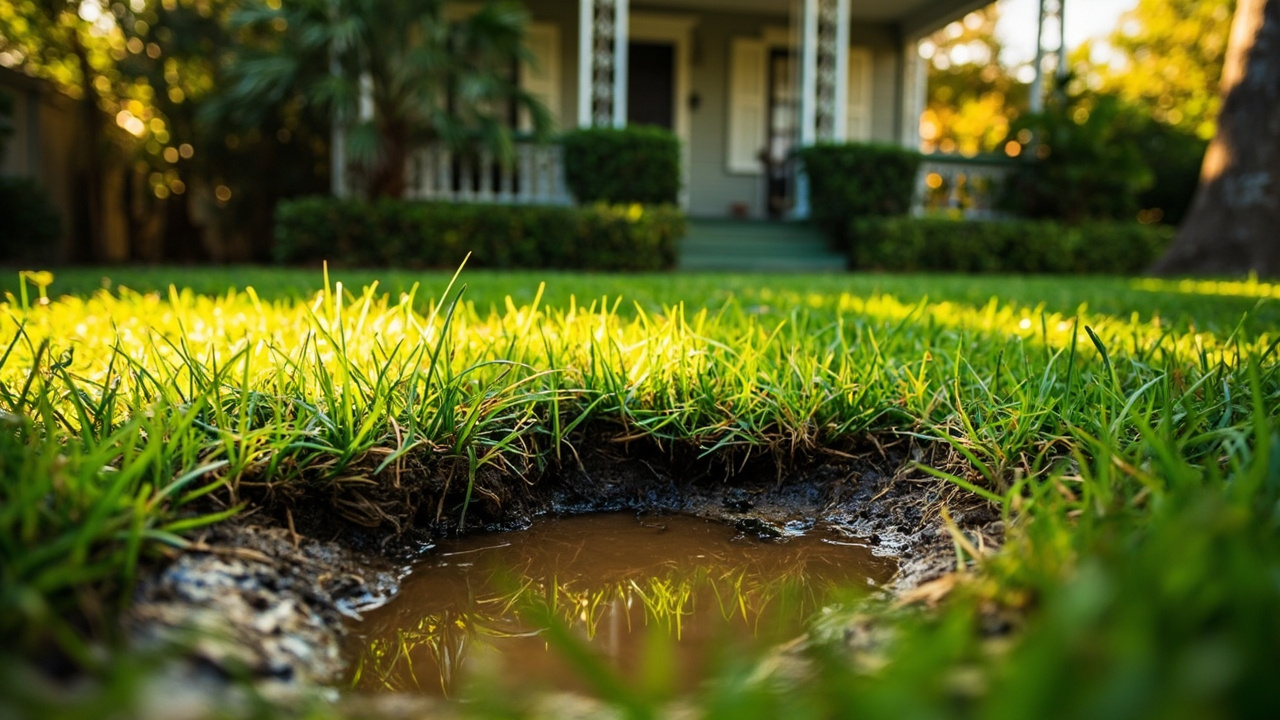
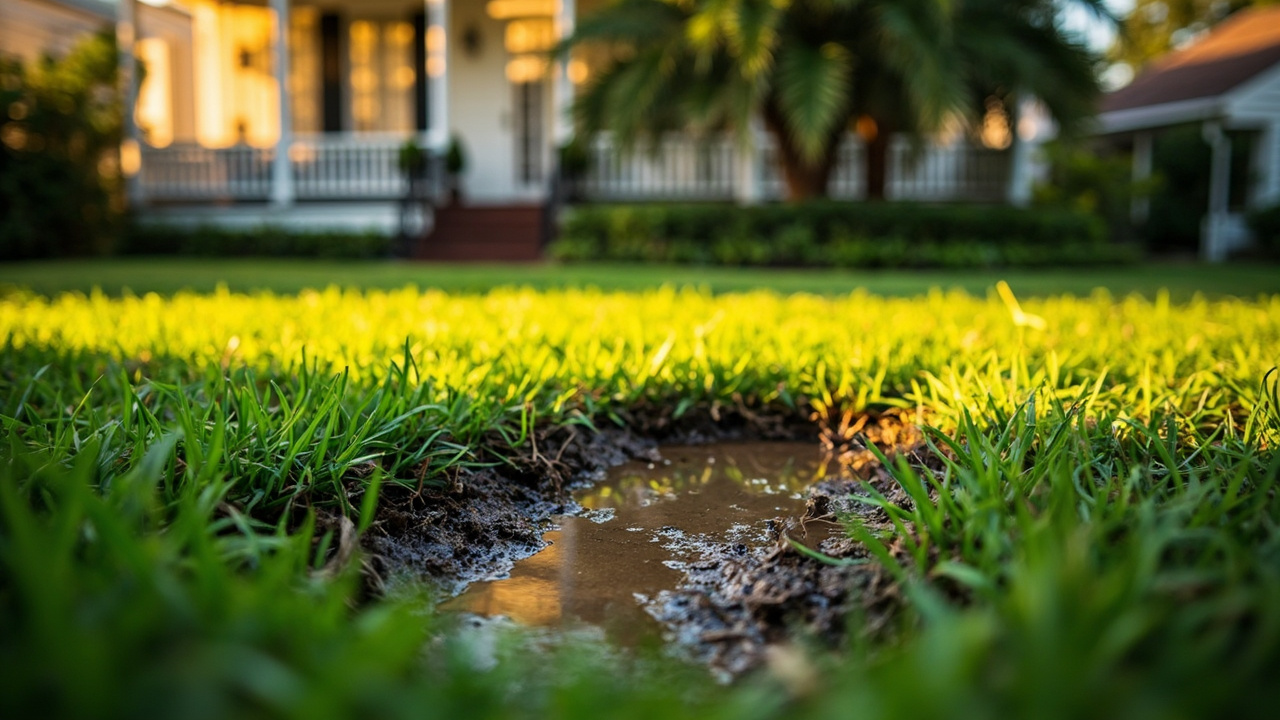
You notice a saturated area in your grass that never dries out. The rest of your yard looks normal, but this one section stays damp even when it has not rained in days. You walk across it and your shoes sink into the soft ground. This is not a drainage problem from rainwater. This is a leak.

New Orleans sits on soft alluvial soil with a high water table. When an underground pipe cracks or a joint separates, water seeps upward through the porous ground and creates persistent damp spots in your lawn. The humid subtropical climate here means that once the soil becomes waterlogged, evaporation happens slowly. The problem compounds itself.

Unexplained standing water in your yard signals an active leak beneath the surface. This could be a broken main water line, a failed sewer lateral, or a compromised sprinkler line. The longer it continues, the more soil erodes around the pipe. You may see pooling water in the yard after using the washing machine or flushing toilets. You may notice your water bill climbing without explanation.

These soggy patches in lawn areas are not cosmetic issues. They indicate structural failures in your underground plumbing system. The leak wastes thousands of gallons of water. It destabilizes the soil under your foundation. It creates conditions for mosquito breeding and root rot in your landscaping.

You need to locate the source and stop the flow before the damage spreads to your foundation or results in a catastrophic pipe collapse under your slab.

Why Your New Orleans Lawn Stays Wet When It Shouldn't
How We Locate and Repair Underground Leaks

How We Locate and Repair Underground Leaks

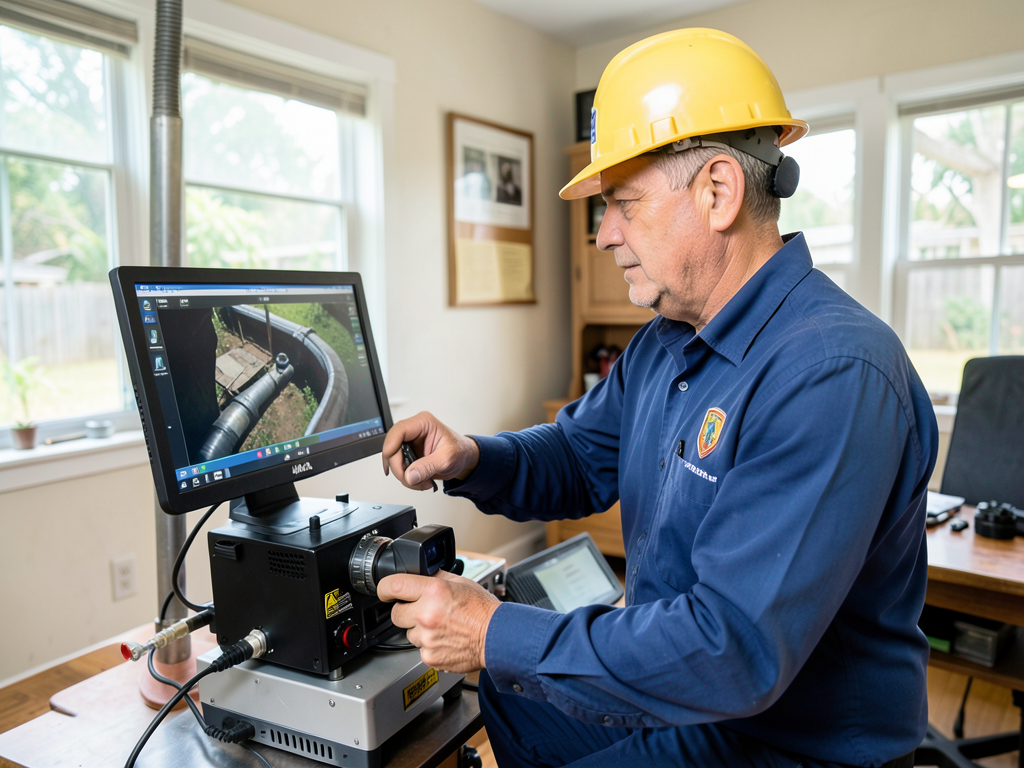
We do not guess where the leak originates. We use electronic leak detection equipment that listens for the frequency signature of water escaping under pressure. This technology pinpoints the leak location within inches without excavating your entire yard.

Once we identify the breach, we assess whether the pipe can be repaired with a trenchless method or requires traditional excavation. For small cracks in accessible lines, we use epoxy pipe lining that seals the interior without digging. For collapsed sections or corroded galvanized pipes, we excavate the damaged segment and replace it with PEX or HDPE piping that resists future corrosion.

New Orleans soil conditions require specific backfill techniques. We compact the fill in lifts to prevent settling that could damage the new pipe or create surface depressions. We restore your lawn by replacing sod or reseeding, depending on the grass type in your yard.

We also inspect the surrounding pipe sections with a sewer camera to identify additional weak points that may fail soon. Many older homes in neighborhoods like Broadmoor and Mid-City have original cast iron or Orangeburg pipes that degrade simultaneously. Addressing multiple problem areas in one service call prevents repeat excavation and reduces your total repair cost.

After the repair, we pressure test the line to confirm zero leakage. We document the work with photos and video so you have a record of what was replaced and where the new pipe runs. This information becomes valuable if you sell the property or need future work in the same area.

What Happens During Your Leak Repair

Wet Spots in Yard in New Orleans – Expert Diagnosis and Permanent Repair
01

Site Assessment and Detection

We map your property's plumbing layout and use acoustic leak detection equipment to isolate the exact location of the underground breach. We mark the leak site with paint and explain what we found before any digging begins. You see the diagnosis process in real time.
02

Excavation and Pipe Repair

We excavate only the section necessary to access the damaged pipe. We cut out the compromised segment and install new piping with compression fittings or fusion welds, depending on the material. We test the repair under full system pressure before backfilling to confirm the leak has stopped completely.
03

Restoration and Documentation

We backfill the excavation in compacted layers to prevent future settling. We restore your lawn to its original condition with matching sod or seed. You receive photos of the repair, the new pipe installation, and a marked diagram showing where the work was completed for your records.

Why New Orleans Homeowners Trust Liberty Plumbing for Leak Detection

Underground leaks in New Orleans require more than a shovel and a pipe wrench. The high water table means excavations fill with groundwater quickly. We bring pumps to dewater the work area so we can make clean, dry connections that will not fail again in six months.

We understand the soil composition throughout the metro area. The heavy clay in Lakeview behaves differently than the sandy fill in Algiers. We adjust our excavation depth and backfill method based on your specific location to prevent future settling or pipe movement.

Many plumbers in this market lack electronic leak detection equipment. They dig exploratory trenches and hope they find the problem. This approach destroys your landscaping, wastes your money, and often misses the actual leak location. We invest in professional-grade detection tools because precision matters when you are digging up someone's yard.

We also know the common failure points in New Orleans homes. Cast iron sewer lines installed before 1980 corrode from the inside out due to hydrogen sulfide gas produced by bacteria in the warm, humid conditions here. Galvanized water lines suffer similar fates. We have repaired thousands of these systems and can predict where the next failure will occur based on the age and material of your existing pipes.

Our technicians hold Louisiana State Plumbing licenses and complete ongoing training in trenchless repair methods and leak detection technology. We do not send apprentices to handle complex diagnostics. You get experienced professionals who can solve the problem correctly on the first visit.

What You Can Expect from Start to Finish

Fast Response Time

We schedule leak detection appointments within 24 hours of your call. Most assessments take one to two hours, depending on the size of your property and the complexity of your plumbing layout. If we locate the leak during the diagnostic visit and you approve the repair, we can often complete the work the same day. Emergency repairs that threaten your foundation or create flooding conditions receive priority scheduling. We arrive with the equipment and materials needed to handle the most common underground leak scenarios without making multiple trips.

Thorough Leak Detection Process

We begin by shutting off all water fixtures and appliances inside your home. We monitor your water meter to confirm whether the leak originates on your side of the meter or in the municipal supply line. We then use acoustic sensors to listen for the sound of water escaping underground. We correlate the signal across multiple points to triangulate the exact location. We also inspect your sewer system with a camera to rule out lateral line failures that can cause similar symptoms. You receive a detailed explanation of what we found, why the pipe failed, and what repair method we recommend before any work begins.

Quality Pipe Replacement

We replace damaged sections with modern materials engineered for Louisiana soil conditions. PEX tubing flexes with minor ground movement and resists corrosion. HDPE pipe withstands the acidic soil common in low-lying areas near Lake Pontchartrain. We use brass or stainless steel fittings that will not degrade over time. Every joint is pressure tested to 150 PSI before we close the excavation. We do not backfill until you have seen the repair and confirmed you are satisfied with the work. Your new pipe will outlast the rest of your plumbing system.

Lawn Restoration Included

We treat your property with care. After backfilling the trench, we restore your lawn to its pre-excavation condition. This includes replacing sod for immediate coverage or seeding and mulching for cost-effective regrowth. We provide watering instructions so your grass reestablishes quickly. If the repair required excavation through flower beds or landscaping features, we restore the area to the original grade and replace decorative elements like edging or mulch. We haul away all excavated soil and debris. Your yard will look normal again within weeks.

Frequently Asked Questions

You Have Questions,
We Have Answers

What is an unexplained wet spot in my yard? +

An unexplained wet spot in your yard signals a hidden water source. Common causes include underground pipe leaks, broken sewer laterals, or failing water supply lines. In New Orleans, high water tables and clay soil compound the problem, keeping moisture trapped near the surface. You may notice grass that stays greener than surrounding areas, musty odors, or soft ground that never fully dries. A broken main line or service connection can waste thousands of gallons before you notice a spike in your water bill. If the wet spot persists after rain stops or appears during dry periods, you need professional leak detection.

How do I fix a wet spot in my yard? +

Fixing a wet spot requires identifying the source first. If a leaking pipe causes the problem, you need excavation and pipe repair or replacement. A plumber uses leak detection equipment to pinpoint the break without unnecessary digging. For drainage issues common in low-lying New Orleans neighborhoods, you may need French drains, catch basins, or regrading to redirect water. Broken irrigation lines need immediate repair to stop water waste. Clay soil requires amendment with sand or organic matter to improve drainage. Do not ignore persistent wet spots. They damage foundations, attract mosquitoes, and signal costly water loss that drives up utility bills.

Why is one part of my yard always wet? +

One part of your yard stays wet because water accumulates faster than soil can absorb it. New Orleans clay soil has poor drainage, trapping water near the surface. A broken underground pipe continuously feeds moisture to that area. Compacted soil from foot traffic or equipment prevents water infiltration. Low spots naturally collect runoff from surrounding areas. Broken or misaligned sprinkler heads oversaturate specific zones. Tree roots may have damaged sewer or water lines, creating a constant leak. A high water table in your neighborhood means groundwater sits close to the surface, especially after heavy rain. You need professional diagnosis to separate drainage problems from active leaks.

How to fix a muddy spot in yard? +

Fix a muddy spot by addressing the water source and improving drainage. If a pipe leak causes the mud, repair the line first. For poor drainage in New Orleans clay soil, install a French drain or dry well to capture and redirect water. Add coarse sand or gravel to improve soil structure and infiltration. Regrade the area to create positive drainage away from structures. Aerate compacted soil to restore porosity. Install permeable pavers or gravel pathways in high-traffic areas. Consider rain gardens with native plants that tolerate wet conditions. Stop watering that zone if overwatering causes the problem. Persistent mud signals active water intrusion that needs immediate attention.

What are signs of an outdoor water leak? +

Signs of an outdoor water leak include unexplained wet spots, patches of lush green grass, ground that stays soggy between rains, and spongy soil. You may hear running water when no fixtures are on. A sudden spike in your water bill signals continuous water loss. Cracks appear in driveways or foundations as soil erodes beneath them. Sinkholes or depressions form where underground voids develop. Water meter readings continue moving when all water sources are shut off inside and outside the house. In New Orleans, standing water attracts mosquitoes and creates breeding grounds. Musty odors or visible surface water pooling during dry weather demand immediate investigation and repair.

How do I fix a swampy area in my yard? +

Fix a swampy area by installing subsurface drainage systems that capture and redirect water. French drains with perforated pipe wrapped in filter fabric move water away from the saturated zone. Dry wells or catch basins collect runoff and allow gradual infiltration. If a broken pipe feeds the swamp, you need excavation and repair first. New Orleans clay soil may need curtain drains to intercept groundwater before it surfaces. Regrade the area to eliminate low spots where water collects. Build raised beds or berms for plantings. Install a sump pump system if the water table sits too high for gravity drainage. Avoid quick fixes that mask active leaks.

What to put on the ground to absorb water? +

Materials that absorb water include coarse sand, gravel, expanded shale, and perlite mixed into clay soil to improve drainage. Peat moss and compost add organic matter but retain moisture rather than drain it. For surface water, spread crushed stone or river rock in pathways and low areas. Kitty litter provides temporary absorption for small spills but does not solve chronic wet spots. New Orleans yards often need French drains with gravel trenches rather than absorbent materials alone. If a pipe leak causes standing water, no ground material will fix the problem. You must repair the source. Absorbents work for drainage issues but fail when active water intrusion continues feeding the wet area.

Who is responsible for water leaks outside the house? +

You are responsible for water leaks on your property from the meter to your house and throughout your yard. The New Orleans Sewerage and Water Board owns the main line up to the meter. You pay for all water that passes through your meter, including leaks. Broken service lines, irrigation systems, hose bibs, and underground pipes fall under homeowner responsibility. If the meter itself leaks or the main line before the meter breaks, the utility handles repairs. Shared property lines complicate responsibility when leaks occur between properties. Your homeowner insurance may cover sudden pipe bursts but typically excludes gradual leaks from poor maintenance. Document all leaks immediately and get professional assessments to protect yourself.

How to turn wetland into dry land? +

You cannot legally turn jurisdictional wetlands into dry land without permits from the Army Corps of Engineers and Louisiana Department of Environmental Quality. Protected wetlands in greater New Orleans face strict federal regulations. For non-jurisdictional wet areas on private property, you can install drainage systems, raise grade with engineered fill, and improve soil structure. This requires surveying, soil testing, and proper engineering to avoid creating problems for neighboring properties. French drains, curtain drains, and retention ponds manage water without eliminating natural drainage patterns. Consult with civil engineers familiar with New Orleans hydrology before attempting major regrading. Improper drainage work floods neighboring yards and violates local ordinances.

How to dry up a wet yard fast without drainage? +

Dry a wet yard fast by pumping standing water with a trash pump or sump pump into storm drains or the street (check local ordinances first). Spread sand or gravel on the surface to create temporary pathways. Aerate the soil with a core aerator to improve infiltration. Stop all irrigation immediately. If rain caused the saturation, normal evaporation takes 48 to 72 hours in New Orleans humidity. If the area stays wet despite dry weather, you have an active leak that pumping will not fix. Rent a sod cutter to remove saturated grass and expose soil to air and sun. Persistent wetness after these steps means you need professional leak detection and pipe repair.

How New Orleans Soil and Water Table Complicate Yard Leak Repairs

New Orleans sits at or below sea level with a water table that often rises within two feet of the surface. When you dig down to access a broken water line, groundwater floods the excavation. This makes it difficult to create dry working conditions for solvent-welded PVC joints or threaded connections. We pump out the trench continuously during repairs and use mechanical couplings that do not require dry surfaces. The soft alluvial soil also collapses easily, so we shore trenches deeper than three feet to prevent cave-ins that could trap workers or damage adjacent pipes.

Liberty Plumbing New Orleans has repaired underground leaks in every neighborhood from the French Quarter to New Orleans East. We know which streets still have cast iron mains from the 1950s and which subdivisions used Orangeburg pipe that fails after 40 years. This local knowledge allows us to diagnose problems faster and recommend solutions that account for your specific soil type and water table depth. We also understand New Orleans permitting requirements for excavations near sidewalks or in the public right of way, ensuring your repair complies with city regulations.

Plumbing Services in The New Orleans Area

Liberty Plumbing proudly serves New Orleans and surrounding areas with dependable plumbing services available 24/7. Use the map below to locate our service area and see how close we are to your home or business. Whether you need emergency repairs or scheduled maintenance, we’re nearby and ready to help. Our team is local, friendly, and always prepared to respond when you need us most. Don’t wait for a plumbing issue to get worse—get fast, professional help from Liberty Plumbing today.

Address:
Liberty Plumbing New Orleans, 201 St Charles Ave, New Orleans, LA, 70170

Additional Services We Offer

Our news updates

Latest Articles & News from The Blogs

Upgrading Your Algiers Point Rental Property with Low-Maintenance Commercial Grade Fixtures Managing rental properties in Algiers Point means dealing with…

Upgrading Your Algiers Point Rental Property with Low-Maintenance Commercial Grade Fixtures

Upgrading Your Algiers Point Rental Property with Low-Maintenance Commercial Grade Fixtures Managing rental properties in Algiers Point means dealing with…

Why PEX-A is Often Better Than PEX-B for Re-Piping Projects in Older New Orleans Homes

Why PEX-A is Often Better Than PEX-B for Re-Piping Projects in Older New Orleans Homes Choosing the right piping material…

What New Orleans Homebuyers Should Look for in a Sewer Camera Inspection Report

What New Orleans Homebuyers Should Look for in a Sewer Camera Inspection Report Buying a home in New Orleans means…

Contact Us

Soggy patches in your lawn signal an active underground leak that wastes water and destabilizes your soil. Call Liberty Plumbing New Orleans at (985) 279-3332 now for same-day leak detection and professional repair that stops the problem permanently.