





menu

Discolored or Rusty Water in New Orleans – Fast Diagnosis and Permanent Fixes

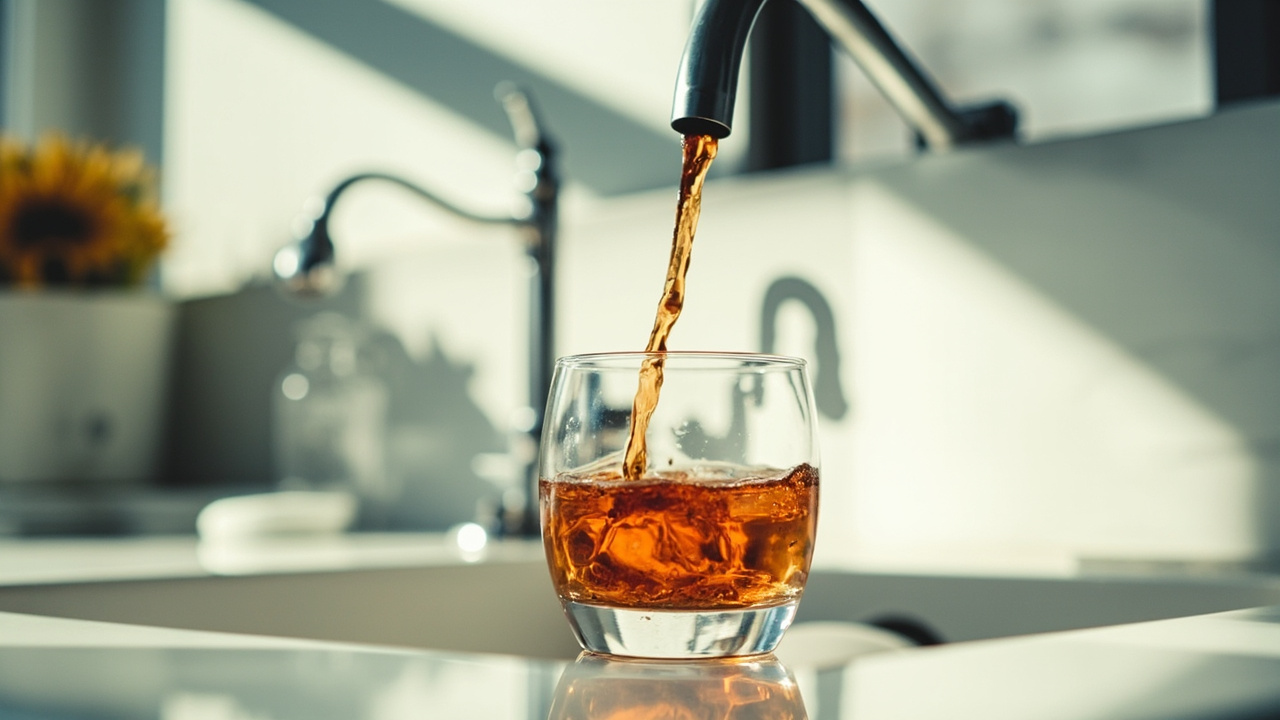
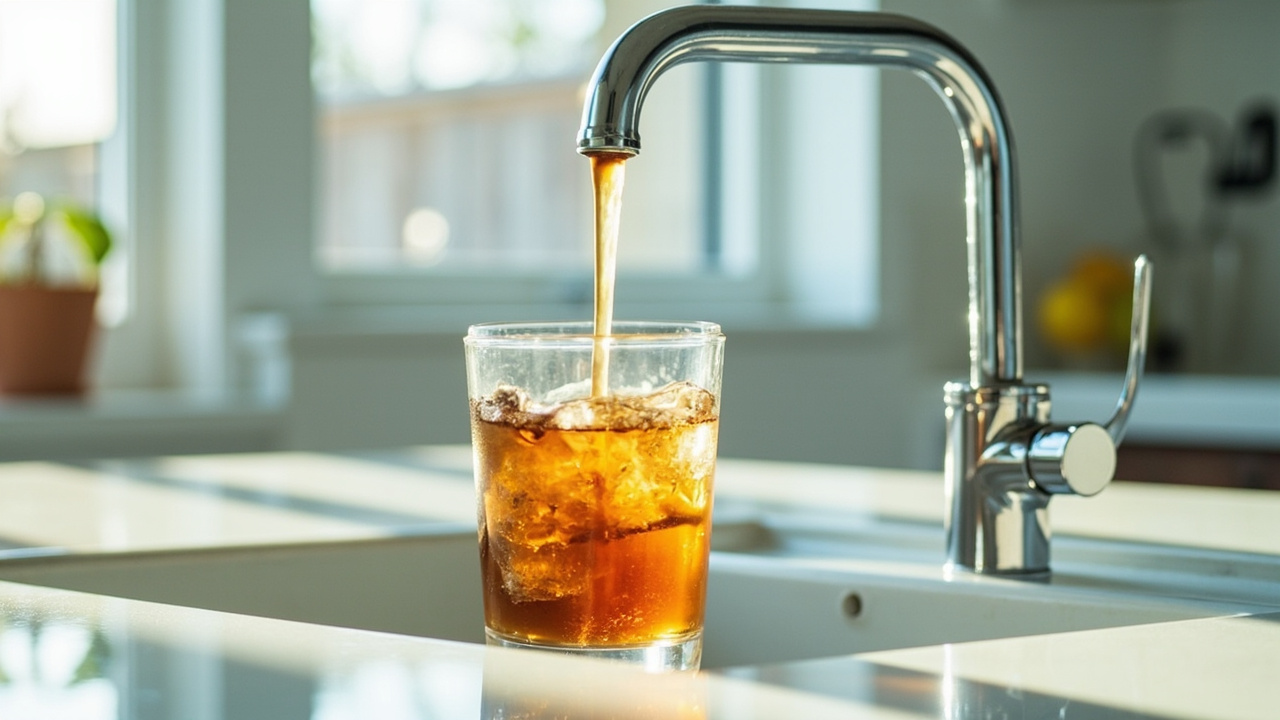
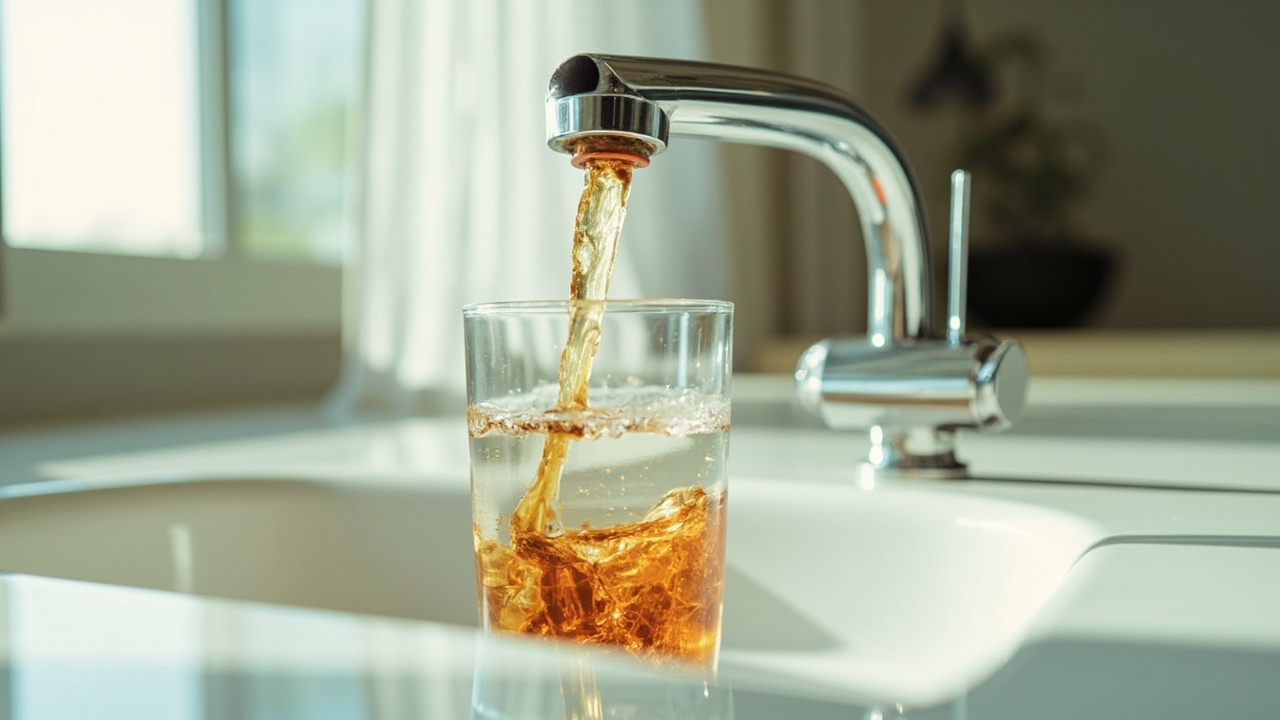
When brown tap water or rusty colored water flows from your faucets, you need answers fast. Our technicians diagnose the source of discolored hot water and deliver solutions that restore safe, clear water to your New Orleans home.

Slider Image 1
Slider Image 2
Slider Image 3
Slider Image 4
Slider Image 5
Slider Image 7
Slider Image 8
Slider Image 9
Slider Image 10
Slider Image 11

Why Your New Orleans Water Suddenly Turned Brown or Yellow

You turn on the faucet and out comes reddish water from pipes that should be delivering crystal clear water. That brown tap water is not just unsightly. It signals a real problem somewhere in your plumbing system.

New Orleans homes face unique water quality challenges. The city's aging underground infrastructure combines with high iron content in local groundwater to create conditions where rusty colored water becomes a recurring headache. When the Sewerage and Water Board flushes mains or repairs lines, sediment gets stirred up and travels straight to your pipes. Add in the fact that many homes in neighborhoods like the Garden District and Uptown still have decades-old galvanized steel piping, and you have a recipe for yellow water from faucet every time pressure changes.

Discolored hot water often points to a different culprit. Your water heater accumulates sediment over time. In areas with hard water like New Orleans, that buildup accelerates. The result is rusty colored water when you run the shower or fill the bathtub.

External factors matter too. When the city performs maintenance on water mains along major corridors like St. Charles Avenue or Magazine Street, you might notice brown tap water for hours or even days afterward. But if the discoloration persists or only affects certain fixtures, the problem lives inside your home.

The source matters because the fix changes depending on where contamination enters your water supply. A corroded galvanized pipe requires different action than a failing water heater anode rod or sediment from municipal work.

Why Your New Orleans Water Suddenly Turned Brown or Yellow
How We Identify the Real Source of Water Discoloration

How We Identify the Real Source of Water Discoloration

Most homeowners assume rusty colored water means they need to replace every pipe in the house. That is rarely true. The key is methodical diagnosis before you spend a dime on unnecessary work.

We start by isolating the problem. If discolored hot water only appears when you run the hot side, the water heater is the likely source. We drain and flush the tank to check for sediment accumulation. If the anode rod has deteriorated past its useful life, replacing it stops the corrosion that creates reddish water from pipes.

When brown tap water flows from both hot and cold lines, we test at the main shutoff valve. If the water runs clear there but turns discolored at fixtures, the issue lives in your branch lines. Galvanized pipes corrode from the inside out. We use inspection cameras to assess pipe condition without tearing into walls.

Sometimes yellow water from faucet only affects one bathroom or one side of the house. That tells us exactly which section of piping needs attention. We can often reroute or replace just the affected segment instead of repiping the entire structure.

For intermittent discoloration tied to city maintenance, we install whole-house sediment filters. These catch particulates before they reach your fixtures. The filter also protects appliances like dishwashers and washing machines from abrasive sediment that shortens their lifespan.

Liberty Plumbing New Orleans uses water quality testing to measure iron content, pH levels, and total dissolved solids. These numbers tell us whether your rusty colored water comes from municipal supply issues or internal corrosion. We do not guess. We test, verify, and then fix the actual problem.

What Happens When You Call About Discolored Water

Discolored or Rusty Water in New Orleans – Fast Diagnosis and Permanent Fixes
01

Initial Water Testing

We collect samples from multiple fixtures throughout your home. Testing at the water heater, main shutoff, and end-of-line faucets tells us exactly where contamination enters your system. We check for iron, manganese, sediment, and corrosion byproducts. This baseline data guides every decision we make about your repair plan and eliminates guesswork.
02

Pipe and Fixture Inspection

After identifying the contamination source, we inspect the pipes feeding affected fixtures. For water heater issues, we drain the tank and examine the anode rod and heating elements. For supply line problems, we check shutoff valves, examine accessible piping for exterior corrosion, and use video inspection when needed. This step confirms whether you need a component replacement or full repipe.
03

Targeted Repair Implementation

Once we pinpoint the problem, we execute the most cost-effective fix. That might mean flushing your water heater and replacing the anode rod, installing a sediment filter at the main line, or repiping corroded sections with PEX or copper. We test water quality again after completion to verify the discoloration is gone and your system delivers clean water to every fixture.

Why New Orleans Homeowners Trust Our Water Quality Solutions

Water discoloration is not a DIY project. You need someone who understands both municipal water systems and residential plumbing. We work in New Orleans every day. We know which neighborhoods still have galvanized pipes, where water pressure fluctuates, and how Sewerage and Water Board maintenance schedules affect local supply.

Many homes in areas like Mid-City and Gentilly were built before 1960. Those properties often have original galvanized steel supply lines that corrode from the inside. You cannot see the damage until rusty colored water appears at your tap. We have repiped hundreds of these homes and know how to route new lines through tight crawl spaces and around historic architectural features without damaging plaster walls or original molding.

New Orleans water chemistry is different from other cities. Higher iron and manganese levels mean sediment builds up faster in water heaters and supply lines. We recommend flushing schedules based on local water quality, not generic manufacturer guidelines. That keeps your system running clean between service calls.

When the city performs emergency main repairs after a line break, you might wake up to brown tap water. We can install point-of-use filters or whole-house filtration systems that catch sediment before it reaches your fixtures. These systems also protect expensive appliances from abrasive particles that wear out seals and valves.

Liberty Plumbing New Orleans does not sell you solutions you do not need. If your discolored hot water comes from a failing anode rod, we replace the rod. We do not push you toward a new water heater unless the tank itself is compromised. Our goal is clear water at a fair price, not maximizing invoice totals.

What to Expect When We Fix Your Water Discoloration Problem

Same-Day Service Available

Most water discoloration cases do not qualify as emergencies, but we understand you want answers fast. We typically schedule diagnostic appointments within 24 hours of your call. For urgent situations where you suspect pipe failure or your water suddenly turned dark brown, we can often arrive the same day. Testing and diagnosis usually take one to two hours depending on your home size and plumbing complexity. Simple fixes like water heater flushing happen during the same visit. More involved repairs like section repiping get scheduled based on material availability and your calendar.

Comprehensive Water Quality Testing

We do not just look at your water and guess. Our technicians use calibrated testing equipment to measure iron content, pH, total dissolved solids, and sediment levels. We test at multiple points in your system to isolate where contamination enters. You get a written report explaining what we found and what it means for your plumbing. This data-driven approach eliminates the trial-and-error method that wastes your money on fixes that do not solve the actual problem. We explain results in plain language so you understand exactly what is happening in your pipes.

Clear Water Guaranteed

After we complete repairs, we test water quality again to verify the discoloration is gone. For water heater work, we run hot water at multiple fixtures to confirm sediment has cleared. For pipe replacements, we flush the new lines and check pressure and flow. You should see immediate improvement, though some sediment might flush out over the first day as remaining particles clear from your system. We walk you through what to expect so you know what is normal and when to call us back if something does not look right.

Preventive Maintenance Plans

Once your water runs clear, we help you keep it that way. For homes with older plumbing, we recommend annual water heater flushing and sediment filter changes. We can set up reminder calls so you do not have to track maintenance schedules yourself. If you installed a whole-house filtration system, we service it on a schedule based on your household water usage and local supply conditions. These simple steps prevent discolored water from returning and extend the life of your plumbing fixtures and appliances. Prevention costs less than emergency repairs.

Frequently Asked Questions

You Have Questions,
We Have Answers

How to tell if water is rusty? +

Rusty water appears brown, orange, or reddish when it flows from your tap. Fill a clear glass and inspect it under good lighting. If sediment settles at the bottom after a few minutes, you have rust particles. Run your cold water for two to three minutes. If the discoloration clears, the issue likely originates in your home's pipes. If it persists, the problem may stem from New Orleans municipal supply lines. Check multiple faucets throughout your home. Consistent discoloration across all fixtures points to a system-wide issue requiring professional diagnosis.

Is discolored water safe to drink? +

Discolored water is generally not safe to drink until you identify the cause. Brown or yellow tints often indicate iron oxide, mineral buildup, or sediment from aging pipes. While small amounts of iron are not acutely toxic, contaminated water can harbor bacteria, lead, or other hazardous materials. New Orleans homes with older galvanized pipes face higher contamination risks. Do not consume discolored water. Run taps until water clears, then test it. If discoloration returns or persists, contact a licensed plumber immediately. Protect your family by treating all discolored water as unsafe.

Is it safe to drink rusty tap water? +

Avoid drinking rusty tap water. Iron particles from corroded pipes create the rust color, but other contaminants may be present. Older New Orleans homes, particularly those with galvanized steel plumbing installed before the 1960s, can leach lead or harbor bacterial growth in corroded pipe interiors. Rust alone causes stomach upset and metallic taste. The real danger lies in what else corroded pipes release. Flush your system by running cold water for several minutes. If rust persists, have your water tested and pipes inspected before consuming tap water again.

What does discolored water mean? +

Discolored water signals a problem in your plumbing system or municipal supply. Brown or orange tints indicate iron oxide from corroded pipes. Yellow water suggests sediment disturbance or manganese. Green or blue hues point to copper pipe corrosion. In New Orleans, sudden discoloration often follows water main work or pressure changes that stir up settled sediment in aging infrastructure. The color tells you what material is contaminating your water. Each type requires different solutions. Document the color, affected fixtures, and duration. This information helps plumbers diagnose whether the issue originates in your home or the city supply.

Does brown water mean pipes need replacing? +

Brown water does not always mean immediate pipe replacement. Temporary discoloration from municipal line flushing or sudden pressure changes clears quickly. Persistent brown water indicates advanced corrosion in your pipes. Galvanized steel pipes, common in older New Orleans homes, corrode from the inside out over 40 to 50 years. If brown water appears consistently, especially after running taps, your pipes are likely failing. A plumber can camera-inspect your lines to assess corrosion severity. Heavily corroded pipes require replacement. Catching corrosion early may allow targeted repairs, saving you from full repiping costs.

What color is rust in water? +

Rust in water appears brown, orange, or reddish-yellow depending on concentration. Light rust contamination creates a tea-colored tint. Heavy rust produces deep orange or brown water with visible sediment. The color intensity indicates how much iron oxide is present. Fresh rust particles appear bright orange. Older, settled rust looks darker brown. In New Orleans homes with galvanized pipes, you might see rust flakes that settle to the bottom of a glass. The color alone does not reveal contamination severity. Test your water and inspect your plumbing to determine if pipes need attention.

Can you shower in discoloured water? +

You can shower in discolored water, but it risks skin irritation and stains. Rust particles are not absorbed through skin, making brief exposure relatively safe. However, discolored water often contains bacteria, sediment, or other contaminants that cause rashes or dryness. Brown water stains towels, grout, and fixtures. If you must shower, keep your mouth closed and avoid washing open wounds. New Orleans residents should not ignore persistent discoloration. The underlying pipe corrosion worsens over time. Address the root cause quickly to prevent more serious plumbing failures and health risks.

Why does my water look brownish? +

Brownish water results from corroded iron or steel pipes releasing rust particles into your supply. New Orleans homes built before 1970 often contain galvanized steel pipes that corrode internally after decades of use. Municipal water main breaks or repair work can also disturb sediment in city lines, causing temporary discoloration. If brown water appears only at hot taps, your water heater may be failing. Run cold water for several minutes. Persistent discoloration means your home's pipes are corroding. Schedule a plumbing inspection to identify which sections need replacement before leaks develop.

What are the symptoms of contaminated water? +

Contaminated water causes nausea, stomach cramps, diarrhea, and vomiting within hours of consumption. Long-term exposure to lead or bacteria produces fatigue, headaches, and cognitive issues. Children and elderly adults show symptoms faster. If your New Orleans water smells like sulfur, tastes metallic, or appears discolored, stop drinking it immediately. Bacterial contamination from corroded pipes causes gastrointestinal distress. Lead contamination shows no immediate symptoms but damages developing brains and organs over time. Get medical attention if symptoms appear after drinking questionable water. Have your water tested and plumbing inspected to prevent ongoing exposure.

What happens if rust gets in your drink? +

Ingesting small amounts of rust causes stomach discomfort, nausea, and metallic taste but is rarely dangerous. Iron oxide itself is not highly toxic. The concern is what else corroded pipes release alongside rust. Lead, bacteria, and other contaminants often accompany rust in deteriorating plumbing. A single exposure to rusty water likely causes no lasting harm. Repeated consumption strains your kidneys and liver as they filter excess iron. Children face greater risks from any pipe contamination. If you accidentally drink rusty water, monitor for stomach upset. Prevent future exposure by fixing the corroded plumbing immediately.

How New Orleans Water Infrastructure Affects Your Home Plumbing

New Orleans gets its drinking water from the Mississippi River through one of the largest water purification systems in the country. But between the treatment plant and your home, water travels through miles of underground pipes. Many of these mains date back decades. When the Sewerage and Water Board flushes lines or repairs breaks, sediment stirs up and flows to your taps. The city's high water table and shifting soils also stress underground pipes, creating conditions where brown tap water and rusty colored water become common complaints after heavy rain or maintenance work. If you live in older neighborhoods with original galvanized supply lines, you face double risk from both municipal sediment and internal pipe corrosion.

Local plumbing expertise matters when diagnosing water quality issues. A technician from another city might not know that certain New Orleans neighborhoods have higher iron content in their water supply or that the Sewerage and Water Board follows specific flushing schedules. We work here every day. We know which areas have older infrastructure, where pressure fluctuates, and how local water chemistry affects pipes and water heaters. That knowledge translates to faster diagnosis and repairs that actually solve your discolored water problem instead of treating symptoms. You need someone who understands New Orleans plumbing, not just plumbing in general.

Plumbing Services in The New Orleans Area

Liberty Plumbing proudly serves New Orleans and surrounding areas with dependable plumbing services available 24/7. Use the map below to locate our service area and see how close we are to your home or business. Whether you need emergency repairs or scheduled maintenance, we’re nearby and ready to help. Our team is local, friendly, and always prepared to respond when you need us most. Don’t wait for a plumbing issue to get worse—get fast, professional help from Liberty Plumbing today.

Address:
Liberty Plumbing New Orleans, 201 St Charles Ave, New Orleans, LA, 70170

Additional Services We Offer

Our news updates

Latest Articles & News from The Blogs

Upgrading Your Algiers Point Rental Property with Low-Maintenance Commercial Grade Fixtures Managing rental properties in Algiers Point means dealing with…

Upgrading Your Algiers Point Rental Property with Low-Maintenance Commercial Grade Fixtures

Upgrading Your Algiers Point Rental Property with Low-Maintenance Commercial Grade Fixtures Managing rental properties in Algiers Point means dealing with…

Why PEX-A is Often Better Than PEX-B for Re-Piping Projects in Older New Orleans Homes

Why PEX-A is Often Better Than PEX-B for Re-Piping Projects in Older New Orleans Homes Choosing the right piping material…

What New Orleans Homebuyers Should Look for in a Sewer Camera Inspection Report

What New Orleans Homebuyers Should Look for in a Sewer Camera Inspection Report Buying a home in New Orleans means…

Contact Us

You deserve clean water from every tap. Call Liberty Plumbing New Orleans at (985) 279-3332 right now. We will diagnose your water discoloration issue and deliver a solution that works. Same-day appointments available for urgent cases.