




menu

Water Stains on Ceiling or Walls in New Orleans | Expert Diagnosis and Permanent Leak Repair

Liberty Plumbing New Orleans identifies the exact source of water stains on ceiling or walls and stops the leak before it damages your foundation, electrical system, or triggers mold growth in your home.

Slider Image 1
Slider Image 2
Slider Image 3
Slider Image 4
Slider Image 5
Slider Image 7
Slider Image 8
Slider Image 9
Slider Image 10
Slider Image 11

Why Water Stains Appear Fast in New Orleans Homes

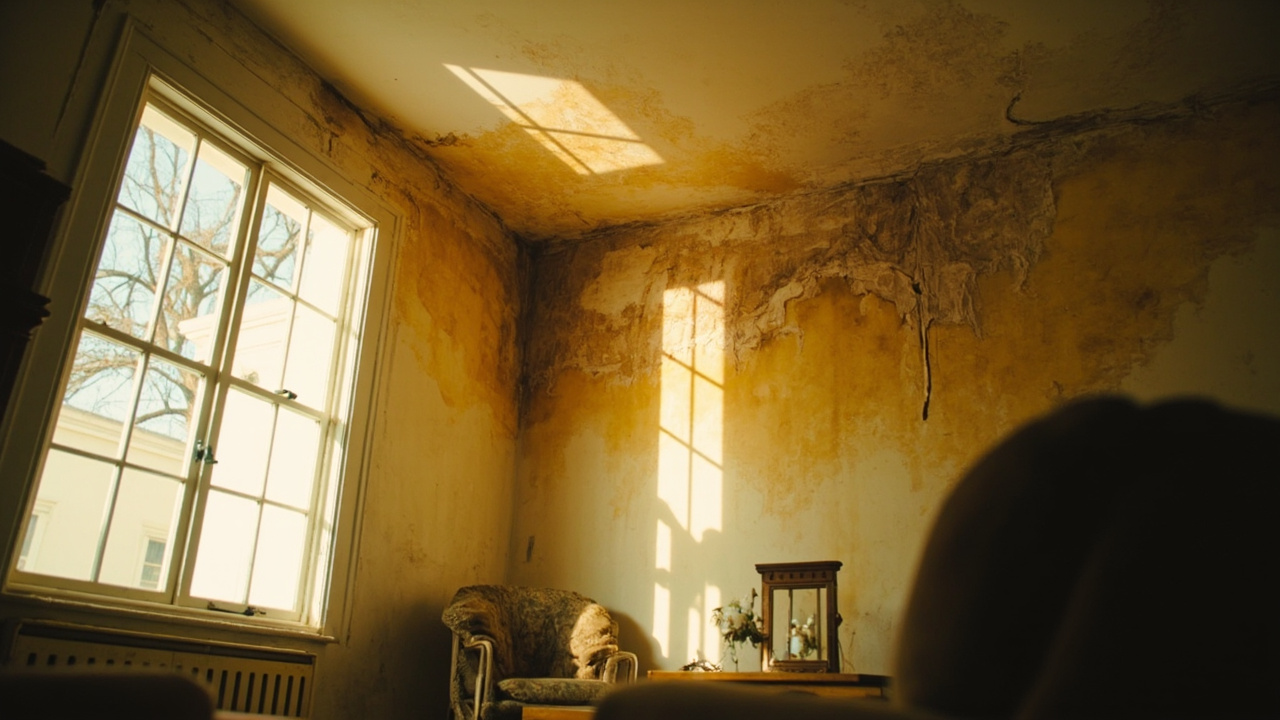
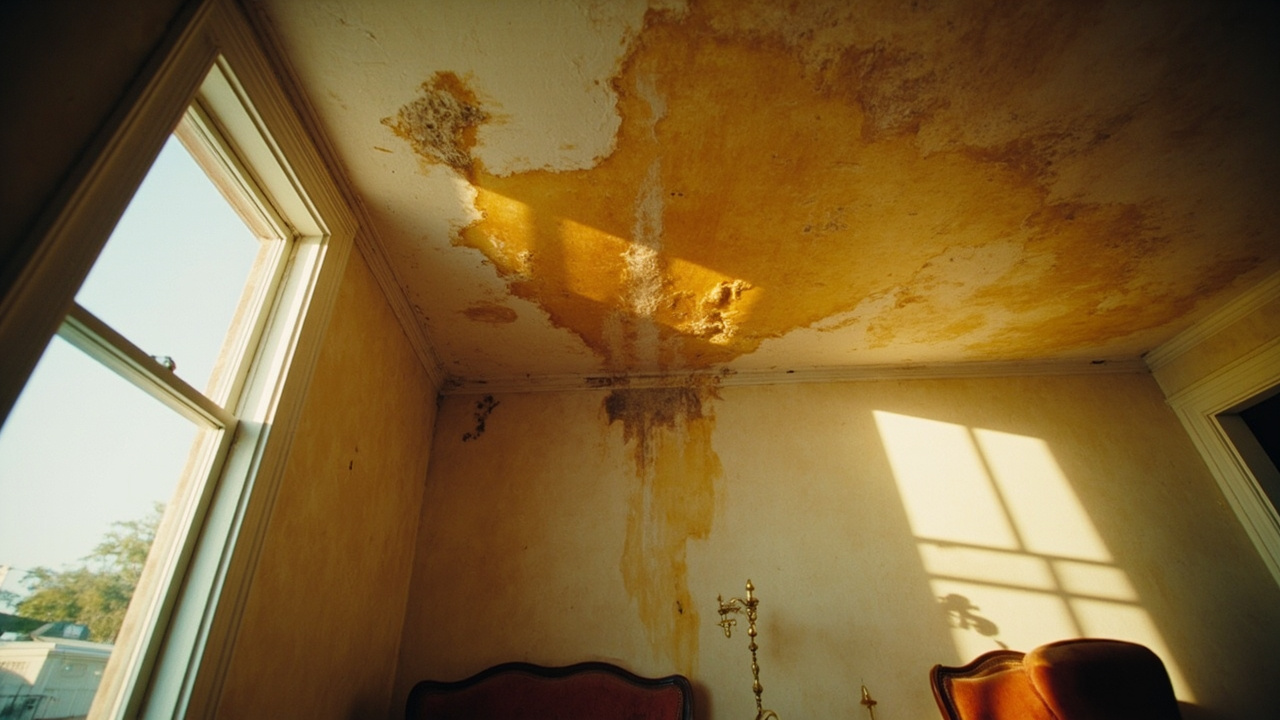
You spot a brown spot on the ceiling above your dining room. A week later, the damp patch on the wall near the bathroom is bigger. Yellow water marks creep across your drywall, and you smell something musty. Water stains on ceiling or walls are not cosmetic problems. They are warning signs that water is moving where it should not, and in New Orleans, the problem accelerates fast.

The subtropical climate here keeps relative humidity between 70 and 85 percent year-round. When a pipe leaks behind drywall or a roof flashing fails, that moisture does not evaporate. It saturates insulation, feeds mold spores, and discolors your ceiling in days. Many homes in neighborhoods like Lakeview, Mid-City, and Gentilly were rebuilt or repiped after Katrina, and aging connections can fail without warning. Slab foundations shift in our clay soil, stressing pipes. Cast iron drain stacks corrode from the inside out. A small pinhole leak becomes ceiling discoloration from leak within 48 hours.

Ignoring moisture stains on drywall invites structural rot, electrical hazards, and respiratory problems. The longer water sits, the more it spreads. You cannot fix this with paint. You need to find the source, stop the water, and verify that no hidden damage remains. That requires diagnostic tools, crawl space access, and knowledge of how New Orleans plumbing systems age.

Why Water Stains Appear Fast in New Orleans Homes
How We Find and Fix the Leak Behind the Stain

How We Find and Fix the Leak Behind the Stain

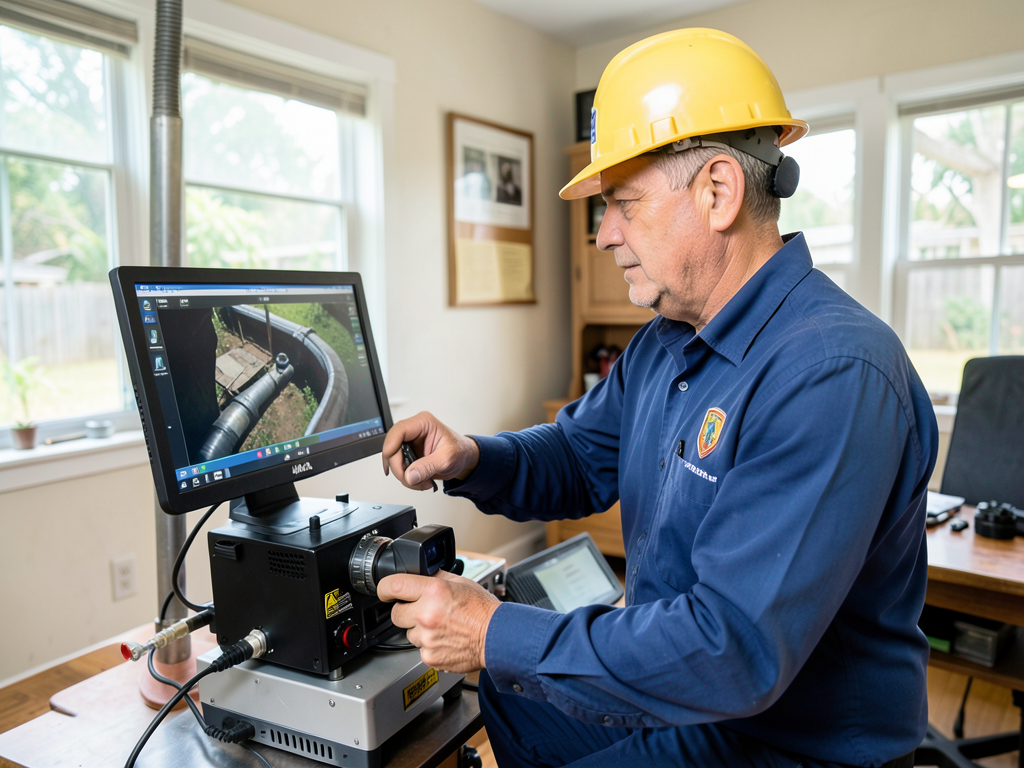
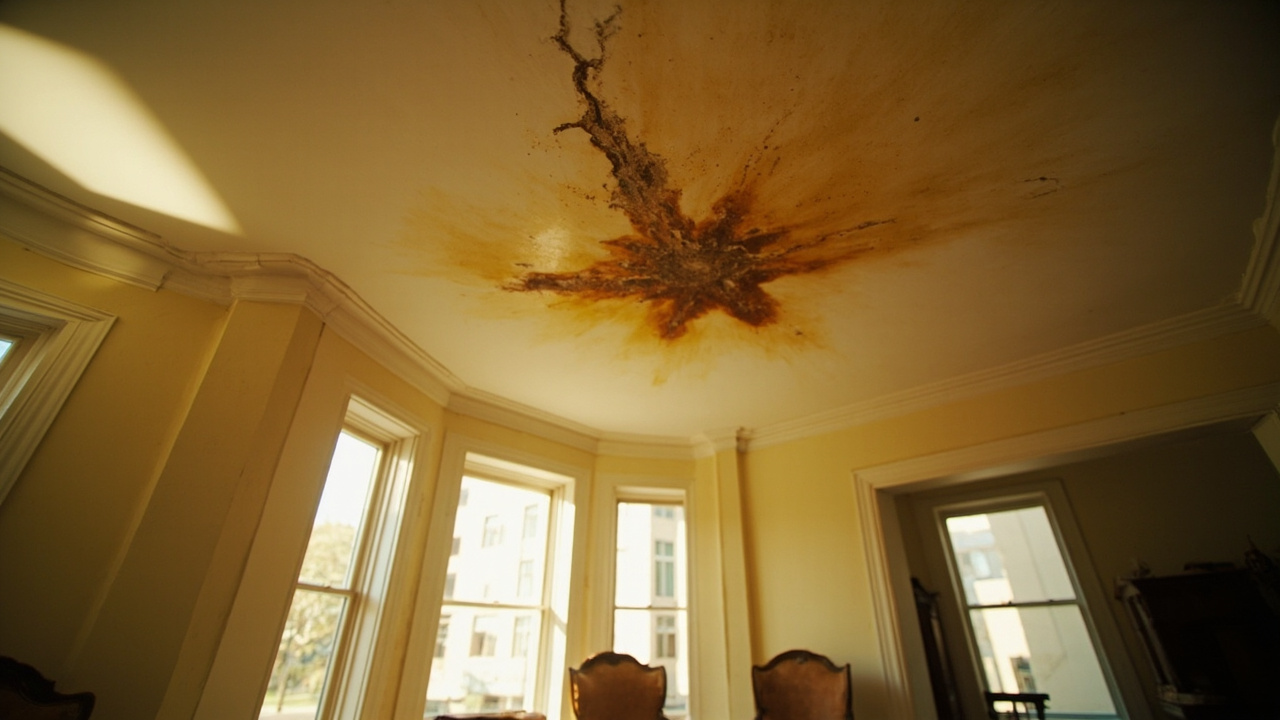
Water stains on ceiling or walls are symptoms, not diagnoses. The leak might be six feet away from the stain, traveling along a joist or down a stud bay. We start with a visual inspection of the stain pattern. Brown rings suggest a slow, chronic leak. Dark streaks point to active flow. We check the attic, crawl space, or wall cavity above the stain. We use thermal imaging cameras to detect temperature differentials that reveal wet insulation or active leaks behind drywall.

If the source is not obvious, we run a static pressure test on your water lines. We isolate sections of pipe to find drops in pressure that indicate leaks. For drain leaks, we use smoke testing or dye tests to trace the path of wastewater. We inspect pipe material. Galvanized steel corrodes from the inside. Polybutylene fittings crack. Copper develops pinhole leaks in acidic water. Cast iron drain stacks rust through at the hub joints, which are common in older New Orleans homes built before 1970.

Once we locate the leak, we cut out the damaged section and install a permanent repair using PEX, copper, or ABS depending on the application. We verify that the repair holds pressure. We document the condition of surrounding pipes so you know what else might fail soon. We do not guess. We find the exact source, fix it correctly, and confirm that no water is moving where it should not.

What Happens When You Call Us About Water Stains

Water Stains on Ceiling or Walls in New Orleans | Expert Diagnosis and Permanent Leak Repair
01

Initial Inspection and Mapping

We examine the water stains on your ceiling or walls and map their size, shape, and moisture content using a pin-type moisture meter. We check the attic, crawl space, or adjacent rooms to trace the path of water. We identify pipe locations, drain lines, and roof penetrations above the stain. This step eliminates guesswork and narrows the search area before we open any walls.
02

Leak Isolation and Testing

We use thermal imaging or pressure testing to isolate the exact leak source. For supply lines, we run a static test to detect pressure drops. For drains, we use smoke or dye. We verify that the leak is active and confirm the pipe material, age, and condition. This diagnostic phase prevents unnecessary demolition and targets the repair to the exact failure point.
03

Repair and Verification

We cut out the damaged pipe section and install a permanent replacement using code-compliant materials. We pressure test the repair to confirm it holds. We inspect surrounding pipes for corrosion or wear. We document the repair and explain what caused the leak so you can prevent future failures. The stain may take days to dry, but the water stops immediately.

Why New Orleans Homeowners Trust Liberty Plumbing for Leak Detection

Water stains on ceiling or walls require local knowledge, not generic troubleshooting. We understand how New Orleans plumbing systems age. Many homes in Broadmoor, the Marigny, and Uptown have cast iron drain stacks installed in the 1940s and 1950s. Those pipes corrode from hydrogen sulfide gas produced by bacteria in our humid climate. We know where the hub joints fail and how to access them without tearing apart your kitchen or bathroom.

We also know how slab foundations in neighborhoods like New Orleans East and Algiers stress copper water lines. Clay soil expands and contracts with seasonal rainfall, shifting the slab and bending pipes at connection points. We inspect stub-outs, angle stops, and manifold connections that take the most stress. We do not just patch the visible leak. We evaluate the system so you know what else might fail.

Liberty Plumbing New Orleans operates under Louisiana state plumbing codes and New Orleans building permit requirements. We pull permits when required for repipes or major drain repairs. We use materials that match local water chemistry. We explain what we find in plain language so you can make informed decisions. We do not upsell. We show you the damaged pipe, explain why it failed, and give you options for repair or replacement. Our trucks carry thermal cameras, moisture meters, and pressure test equipment so we can diagnose and fix leaks in one visit when possible.

What to Expect When We Repair Your Leak

Response Time and Scheduling

We respond to leak calls the same day in most cases. If you have active water stains spreading across your ceiling or water dripping from a light fixture, we treat it as urgent. We arrive with diagnostic tools and repair materials so we can stop the leak fast. For non-emergency inspections, we schedule within 24 to 48 hours. We give you a two-hour arrival window and call 30 minutes before we arrive. We respect your time and your home.

How We Diagnose the Leak Source

We start with a visual inspection and moisture mapping. We use thermal imaging cameras to detect temperature changes behind walls and ceilings. We run pressure tests on water lines and smoke or dye tests on drains. We access attics, crawl spaces, and wall cavities as needed. We explain what we find as we go so you understand the problem. We do not open walls or ceilings until we are confident about the leak location. This saves time, money, and unnecessary damage to your home.

The Quality of the Repair

We repair leaks using code-compliant materials that match or exceed the original pipe specifications. For copper repairs, we use Type L copper and lead-free solder. For PEX repipes, we use expansion or crimp fittings. For cast iron drains, we replace sections with Schedule 40 ABS or no-hub cast iron. We pressure test every repair to verify it holds before we close the wall. You get a detailed invoice that lists the materials used, the work performed, and the location of the repair.

Follow-Up and Prevention Advice

After we repair the leak, we inspect the surrounding plumbing for signs of corrosion, stress, or wear. We point out any areas that might fail in the next few years. We explain what caused the leak so you can watch for early warning signs elsewhere in your system. We answer your questions about pipe lifespan, water quality, and maintenance. If you need a full repipe or drain replacement, we provide a written estimate with material options and a realistic timeline. We do not pressure you to upgrade unless the system is failing.

Frequently Asked Questions

You Have Questions,
We Have Answers

Why is there a water stain on my ceiling but no leak? +

A water stain without an active leak often means the source has dried up or stopped. In New Orleans, high humidity can make condensation appear like a leak, especially in attics with poor ventilation. Old roof damage from storms may have been patched, but the stain remains. You might also see stains from past plumbing issues that were fixed but never cleaned. Check your attic after heavy rain to rule out intermittent roof leaks. If the stain grows or darkens, you have an active problem that needs immediate attention from a plumber or roofer.

How to tell if water is leaking behind a wall? +

Look for wet or discolored spots on drywall, paint bubbling or peeling, and soft or spongy wall sections when you press them. You may smell mold or mildew, especially in New Orleans' humid climate where moisture accelerates growth. Listen for dripping sounds inside walls or check for unexplained increases in your water bill. Baseboards may warp or pull away from the wall. If you notice these signs, call a plumber quickly. Hidden leaks cause structural damage and mold, which spreads fast in our climate. Thermal imaging cameras can pinpoint the exact leak location without demolition.

When to be concerned about water spots on a ceiling? +

Be concerned immediately if the stain grows, darkens, or feels wet to the touch. New water spots after rain suggest roof damage, common after New Orleans storms. If you see sagging drywall or bubbling paint, water is pooling above the ceiling and may collapse. Brown or yellow rings indicate an active or recent leak. Any stain paired with musty odors signals mold growth, which thrives in our humidity. Do not ignore small spots. They indicate a leak that will worsen and cause expensive structural damage. Address water stains within 24 to 48 hours to prevent mold.

Why am I getting wet spots on my ceiling? +

Wet spots on your ceiling come from water pooling above the drywall. Common causes include roof leaks from damaged shingles or flashing, plumbing leaks from bathrooms or HVAC units in the attic, and condensation from poor ventilation. In New Orleans, roof damage from hurricanes and severe storms often creates entry points for rainwater. Old cast iron pipes, common in historic homes, corrode and leak. If wet spots appear after rain, the roof is the likely culprit. If they appear randomly, check plumbing. Call a plumber to diagnose the source before the ceiling collapses or mold spreads.

How to tell if water is leaking in the ceiling? +

Check for water stains, discoloration, or sagging drywall on your ceiling. If the ceiling feels soft or spongy when you press it, water has saturated the material. Look for paint bubbling or peeling. Turn off lights and use a flashlight to spot darker patches that indicate moisture. In New Orleans, check your attic after heavy rain to see if water is entering through the roof. You may also hear dripping sounds inside the ceiling. If you find these signs, shut off water to the suspected area if possible and call a plumber immediately to prevent structural damage.

How to find source of water stain on ceiling? +

Start by checking the area directly above the stain. If it is below a bathroom, check toilets, sinks, and tubs for leaks. If below an attic, inspect the roof for damaged shingles, missing flashing, or cracked vents after storms. In New Orleans, roof damage from high winds and heavy rain is common. Look for water trails or discoloration on rafters or insulation. Check HVAC drain pans and condensate lines, which clog frequently in humid climates. If you cannot find the source, call a plumber who uses thermal imaging or moisture meters to pinpoint hidden leaks without tearing into walls.

How do plumbers determine behind the wall leaks? +

Plumbers use moisture meters to detect water inside walls without cutting drywall. Thermal imaging cameras show temperature differences where water is present. Acoustic leak detection equipment listens for the sound of running water behind walls. Some plumbers inject non-toxic dye into drain lines to trace the leak path. In New Orleans, plumbers check old cast iron pipes, which corrode and leak over time in humid conditions. Video pipe inspection cameras snake through drains to spot cracks or breaks. These tools save time and money by identifying the exact leak location before cutting into walls for repairs.

Does homeowners insurance cover water leaks in walls? +

Homeowners insurance typically covers sudden and accidental water leaks, like a burst pipe or appliance malfunction. It does not cover gradual leaks from poor maintenance, like slow drips you ignored. In New Orleans, storm damage may be covered under wind and hail policies, but flood insurance is separate and required for rising water. Review your policy and document the damage with photos immediately. File your claim quickly. Insurance adjusters look for signs of neglect, so address leaks when they start. If denied, a licensed plumber's report can support your claim with evidence of a sudden failure.

How long does it take for a water leak to cause mold? +

Mold can start growing within 24 to 48 hours after water exposure, especially in New Orleans' hot, humid climate. Mold thrives in temperatures above 70 degrees and humidity above 60 percent, which describes most of the year here. Water stains on ceilings or walls create perfect conditions for spores to spread. The longer water sits, the worse the contamination becomes. If you see a water stain, act immediately. Dry the area, fix the leak, and call a plumber to prevent mold from spreading into drywall, insulation, and wood framing, which requires expensive remediation.

Who should I call for a water stain in my ceiling? +

Call a licensed plumber first. Water stains on ceilings come from plumbing leaks, roof leaks, or HVAC issues. A plumber can diagnose the source and determine if you need a roofer or HVAC technician. In New Orleans, where roof damage from storms and corroded cast iron pipes are common, you need a local expert who understands these problems. Act fast to prevent mold growth and structural damage. If the stain appeared after heavy rain, a roofer may be needed. If it is near a bathroom or under plumbing, the plumber handles it. Do not wait. Water damage worsens quickly in our humid climate.

How New Orleans Humidity and Clay Soil Accelerate Water Damage

New Orleans averages over 60 inches of rain per year, and our clay soil swells with each storm, then contracts in dry periods. This cycle shifts slab foundations and stresses water lines at connection points. When a pipe develops a slow leak, the high ambient humidity prevents drywall and insulation from drying out. Moisture stains on drywall appear quickly, and mold colonizes within 48 hours. Ceiling discoloration from leak is often visible before you hear dripping. The brown spots on ceiling you see today could be the result of a leak that started weeks ago, hidden behind insulation or inside a wall cavity.

Liberty Plumbing New Orleans has worked in every neighborhood from the French Quarter to Chalmette. We know which homes have cast iron, which have been repiped with PEX, and which still have original galvanized steel. We understand New Orleans building codes and permit requirements for plumbing repairs. We work with local insurance adjusters when leak damage requires a claim. Choosing a local plumber means you get someone who understands how your home was built, how the soil moves, and how the climate accelerates plumbing failures. We do not treat water stains as a quick cosmetic fix. We find the source, stop the water, and verify the repair so you can move forward with confidence.

Plumbing Services in The New Orleans Area

Liberty Plumbing proudly serves New Orleans and surrounding areas with dependable plumbing services available 24/7. Use the map below to locate our service area and see how close we are to your home or business. Whether you need emergency repairs or scheduled maintenance, we’re nearby and ready to help. Our team is local, friendly, and always prepared to respond when you need us most. Don’t wait for a plumbing issue to get worse—get fast, professional help from Liberty Plumbing today.

Address:
Liberty Plumbing New Orleans, 201 St Charles Ave, New Orleans, LA, 70170

Additional Services We Offer

Our news updates

Latest Articles & News from The Blogs

The Real Benefits of Installing a Pot Filler in Your Uptown Kitchen Renovation Pot fillers have become a signature feature…

The Real Benefits of Installing a Pot Filler in Your Uptown Kitchen Renovation

The Real Benefits of Installing a Pot Filler in Your Uptown Kitchen Renovation Pot fillers have become a signature feature…

Common Plumbing Issues for Homeowners Using Well Water in Rural St. Bernard Parish

Common Plumbing Issues for Homeowners Using Well Water in Rural St. Bernard Parish Living in rural St. Bernard Parish means…

Dealing with Standing Water in Your Yard After a Typical New Orleans Rainstorm

Dealing with Standing Water in Your Yard After a Typical New Orleans Rainstorm Living in New Orleans means dealing with…

Contact Us

Water stains on your ceiling or walls will not fix themselves. Call Liberty Plumbing New Orleans at (985) 279-3332 for same-day leak detection and repair. We find the source, stop the water, and protect your home from further damage.