



menu

Emergency Sewer Backup Cleanup in New Orleans – 24/7 Response Team Arrives in Under 90 Minutes

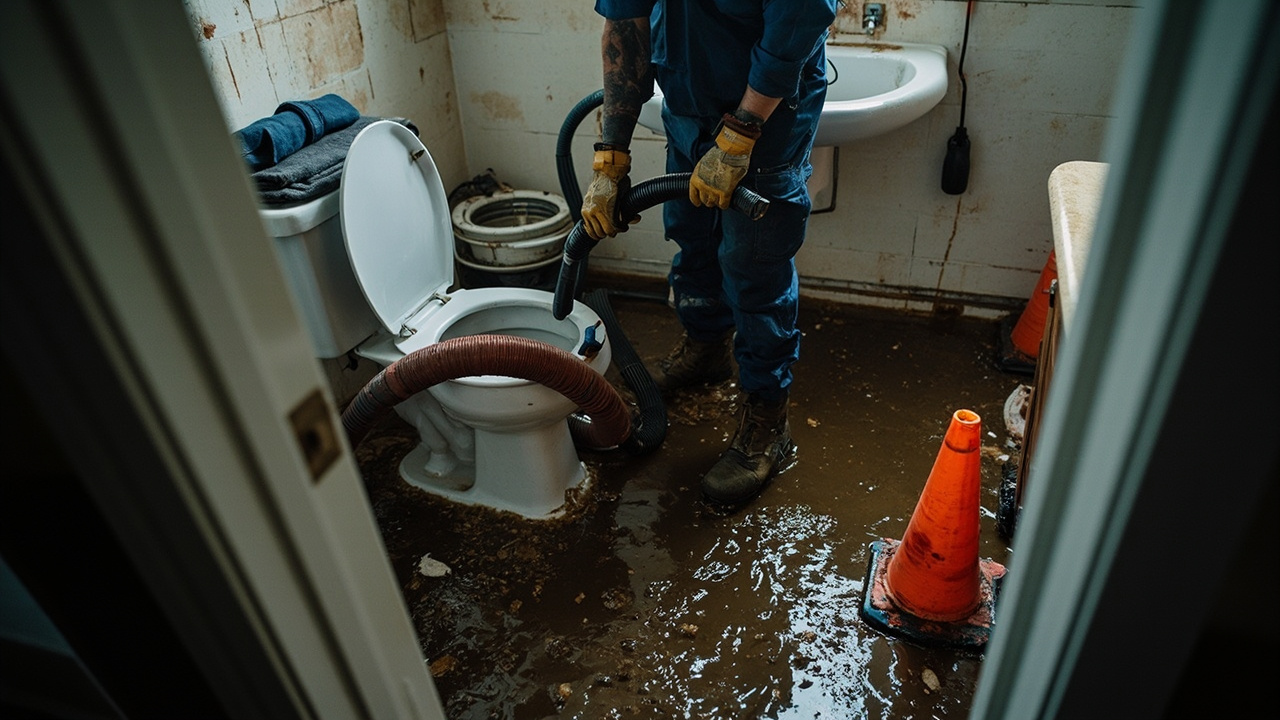
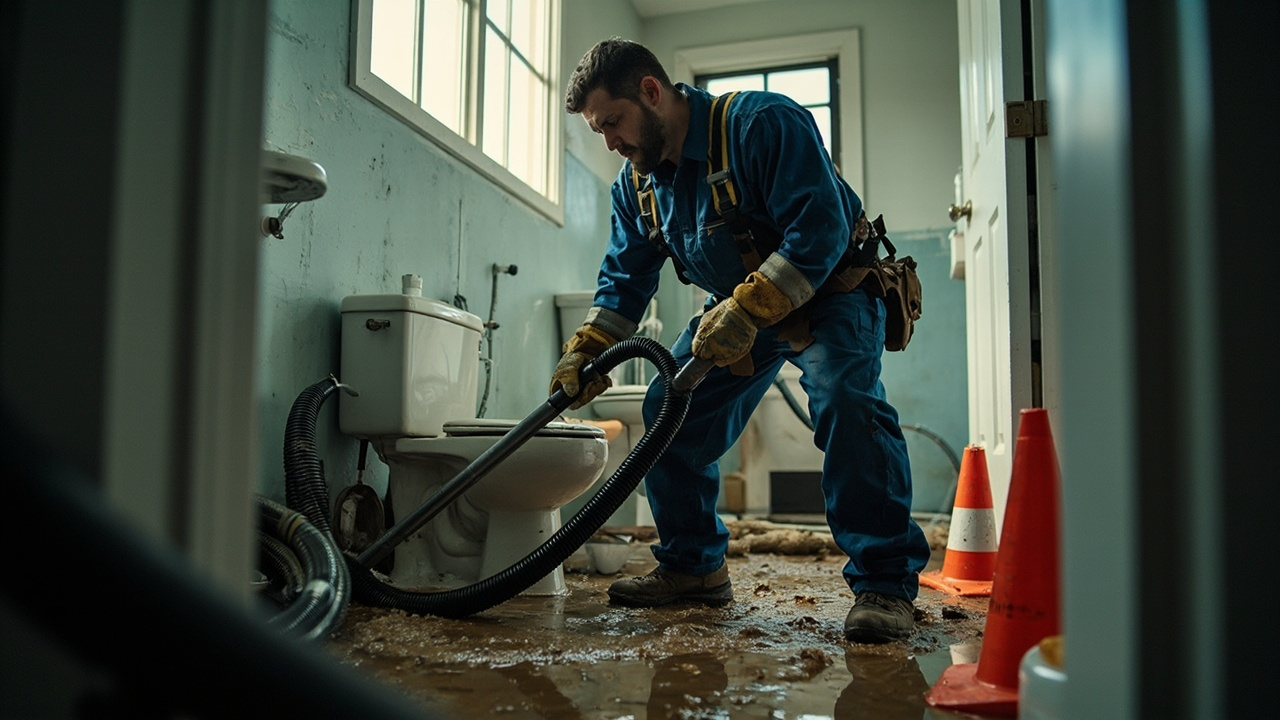
When raw sewage floods your home or business, every minute counts. Liberty Plumbing New Orleans dispatches licensed technicians immediately to extract contaminated water, sanitize affected areas, and restore safety before structural damage spreads.

Slider Image 1
Slider Image 2
Slider Image 3
Slider Image 4
Slider Image 5
Slider Image 7
Slider Image 8
Slider Image 9
Slider Image 10
Slider Image 11

Why Sewer Backups Happen Fast in New Orleans

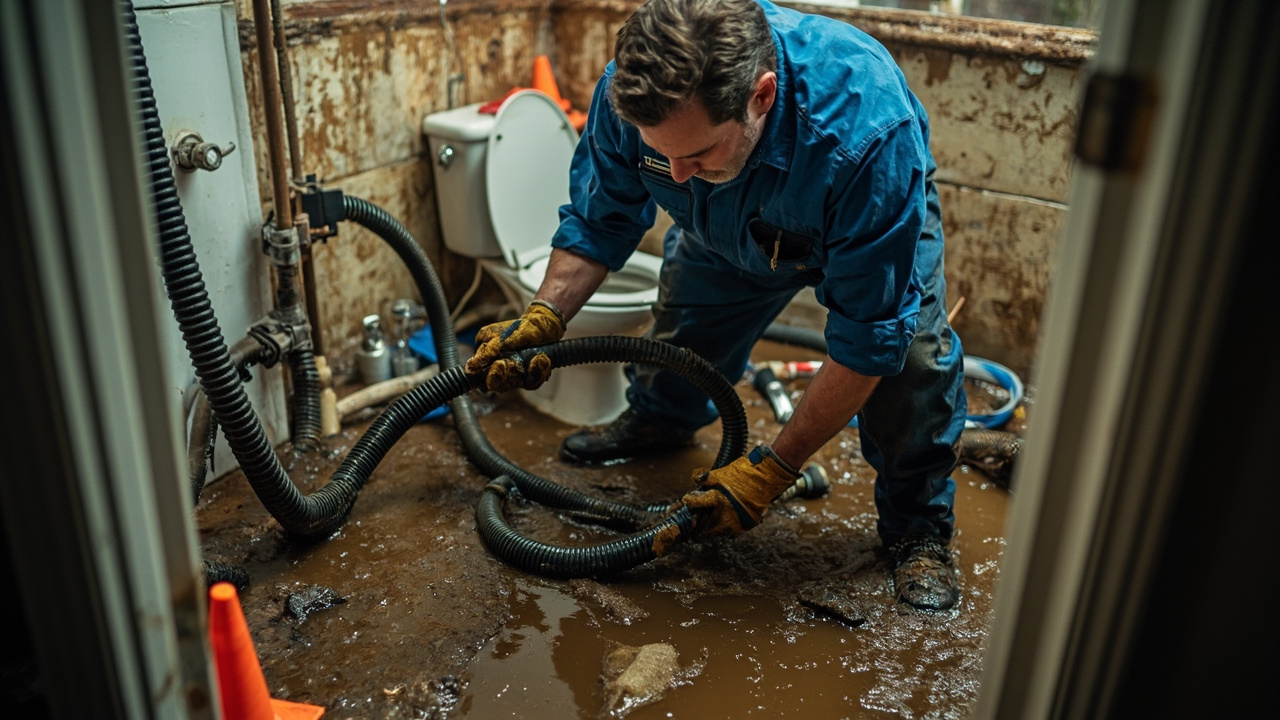
Raw sewage flooding into your property triggers immediate panic, and for good reason. You are staring at Category 3 contaminated water carrying bacteria, viruses, and pathogens that make every surface a health hazard.

New Orleans faces unique risks that accelerate sewer backup emergencies. The city sits below sea level with a high water table that saturates aging clay soil. When heavy rainfall overwhelms the city's pump systems or when tropical storms push water levels higher, the pressure reverses flow in your sewer lines. Combined with the prevalence of cast iron pipes installed decades ago in older neighborhoods like the French Quarter, Bywater, and Uptown, corrosion and root intrusion create blockages that collapse without warning.

Immediate sewage spill mitigation is not optional. Within hours, contaminated water wicks into drywall, soaks subflooring, and spreads E. coli and hepatitis A throughout your property. The Louisiana Department of Health classifies raw sewage as a biohazard requiring professional extraction and sanitization.

You need urgent sewage removal services that understand how New Orleans's infrastructure fails. When your main line backs up at 2 a.m. or your basement floods during a summer downpour, the clock starts on permanent damage. Emergency raw sewage extraction must begin before mold spores colonize and before the contamination spreads to HVAC systems.

Liberty Plumbing New Orleans operates 24 hour sewer overflow cleaning crews trained in rapid containment. We arrive equipped with industrial extractors, antimicrobial treatments, and the local knowledge to diagnose whether your backup stems from municipal system overload or private lateral failure.

Why Sewer Backups Happen Fast in New Orleans
How Professional Sewage Extraction Protects Your Property

How Professional Sewage Extraction Protects Your Property

Rapid sewer backup restoration follows a strict contamination protocol that homeowners cannot replicate with shop vacuums and bleach. Professional remediation removes the biohazard, prevents cross-contamination, and addresses the source failure simultaneously.

We begin with containment. Our technicians seal off affected areas using negative air pressure and physical barriers to prevent airborne pathogens from spreading to uncontaminated rooms. This step is critical in New Orleans homes with central air systems that can distribute contaminated particulates throughout the structure.

Industrial extraction removes standing sewage using truck-mounted pumps rated for solids and liquids. Standard wet vacuums cannot handle the volume or the waste composition. We extract everything down to the slab or subfloor, then apply EPA-registered antimicrobial agents that kill bacteria, viruses, and fungi on contact.

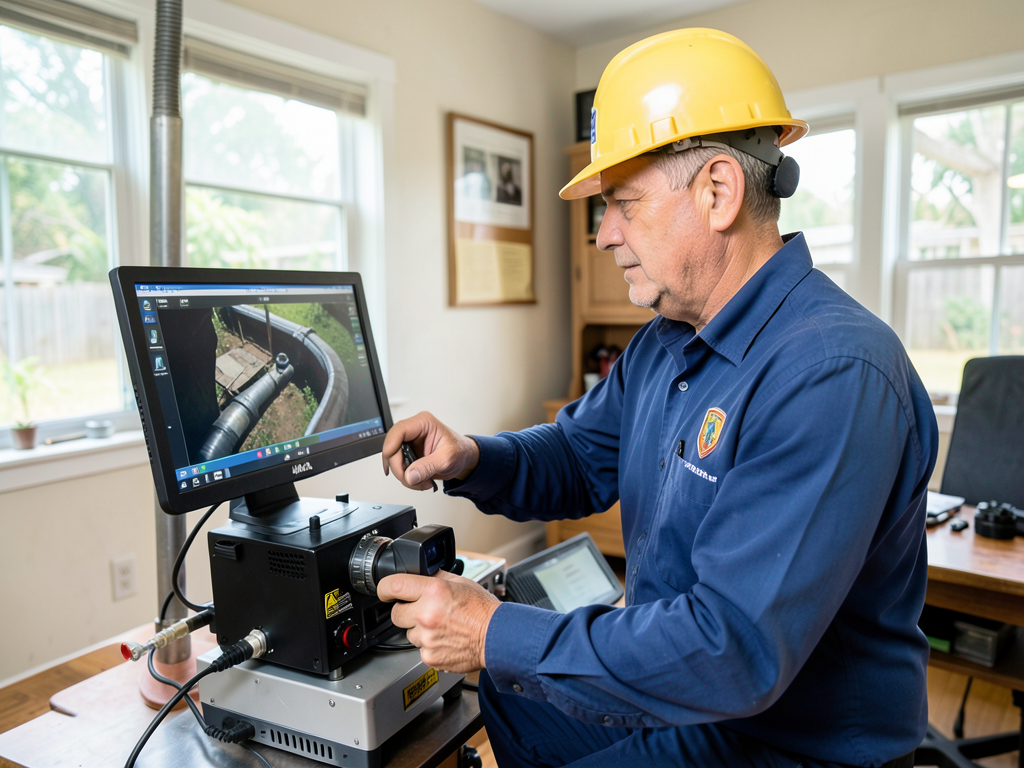
Next comes the diagnostic work. While extraction crews sanitize, our licensed plumbers camera-inspect your sewer lateral to identify the blockage source. Common culprits in New Orleans include Formosan termite nests inside pipes, root intrusion from live oaks and magnolias, and bellied sections where soil subsidence created low spots that trap waste. We clear the obstruction using hydro-jetting that scours pipe walls at 3,500 PSI, removing decades of grease buildup and scale.

The final phase addresses structural drying. We deploy commercial dehumidifiers and air movers calibrated to New Orleans's humidity levels. Ambient moisture sits above 70 percent year-round, which means passive drying fails. Our equipment runs continuously, monitored with moisture meters, until readings confirm materials have returned to dry standard. This prevents secondary mold growth that insurance companies will not cover if you skip professional drying.

What Happens During Emergency Sewage Cleanup

Emergency Sewer Backup Cleanup in New Orleans – 24/7 Response Team Arrives in Under 90 Minutes
01

Immediate Dispatch and Containment

You call our emergency line and speak directly to a dispatcher who logs your address and situation. A crew leaves within 15 minutes, arriving with personal protective equipment, containment barriers, and extraction pumps. They assess contamination spread, shut off water sources if needed, and establish containment zones to prevent cross-contamination. You receive a verbal outline of the scope before work begins.
02

Extraction and Sanitization

Technicians extract all standing sewage using industrial pumps, then remove contaminated materials that cannot be salvaged, like soaked insulation or compromised drywall. Surfaces receive hospital-grade antimicrobial treatment applied via electrostatic sprayers that coat every angle. Simultaneously, plumbers camera-inspect your sewer line, identify the blockage, and clear it using hydro-jetting or mechanical augering. You see the camera footage showing the obstruction and the cleared pipe.
03

Drying and Verification

Commercial dehumidifiers and air movers run for 48 to 72 hours, monitored daily with moisture meters. Technicians document drying progress and adjust equipment placement as needed. Once moisture readings reach acceptable levels, they perform a final antimicrobial treatment and provide documentation for insurance claims. You receive a written report detailing all work performed, equipment used, and verification that the property meets health standards for reoccupation.

Why New Orleans Residents Choose Liberty Plumbing for Sewage Emergencies

When raw sewage floods your home, you need a crew that understands New Orleans's aging infrastructure and the health risks posed by contaminated water in this climate. Liberty Plumbing New Orleans has spent years diagnosing sewer failures unique to this region, from cast iron corrosion in pre-1960s homes to pump station overloads during heavy rain.

Our technicians know the differences between Sewerage and Water Board main line responsibility and private lateral failures. We can tell you immediately whether the backup originated from municipal system overload or from a blockage in your property's line. That knowledge determines who pays for repairs and how fast you can file claims.

We also understand New Orleans's water table and soil conditions. Properties in Lakeview, Gentilly, and Mid-City face higher risks due to saturated clay soil that shifts and crushes sewer laterals. We have cleared blockages in homes along Magazine Street where live oak roots infiltrate pipes through microscopic cracks, and we have restored properties in the Lower Ninth Ward where post-Katrina replumbing still fails under stress.

Local expertise extends to permitting and code compliance. Orleans Parish requires specific backflow prevention devices and inspection protocols after sewer repairs. We handle permit acquisition and coordinate inspections so you avoid delays or failed sign-offs.

You also need a crew that carries proper biohazard liability coverage. Sewage cleanup exposes workers and occupants to serious pathogens. We maintain full liability and workers' compensation insurance, and our technicians hold certifications in bloodborne pathogen safety and hazardous waste handling.

Choosing Liberty Plumbing means you work with a team that knows which streets flood first during storms, which neighborhoods have the oldest sewer infrastructure, and how to navigate insurance claims when contamination spreads beyond the initial backup zone. We have cleaned sewage from shotgun doubles, raised Creole cottages, and commercial kitchens along Decatur Street. We know this city and its plumbing failures intimately.

What to Expect During Emergency Sewage Cleanup

Immediate Availability and Response Time

We answer emergency calls 24 hours a day, every day of the year. A live dispatcher takes your information and immediately notifies the nearest crew. Technicians typically arrive within 90 minutes anywhere in Orleans Parish, often faster for properties inside the city core. You are not waiting until morning or the next business day. Our trucks stay stocked with extraction equipment, antimicrobial agents, and diagnostic tools so we start work the moment we arrive. We understand that sewage contamination spreads quickly, and our response prioritizes speed without cutting corners on safety protocols. You will receive a call when the crew is 15 minutes out so you can prepare access.

Comprehensive Damage Assessment

Before extraction begins, our crew leader walks the property with you to document contamination spread, identify affected materials, and explain the scope of work. We take photos and moisture readings for insurance documentation. During extraction, plumbers simultaneously camera-inspect your sewer line to pinpoint the blockage cause. You watch the camera feed in real time and see exactly what failed. We explain whether the issue stems from root intrusion, pipe corrosion, a collapsed section, or municipal system backup. This transparency allows you to make informed decisions about repairs versus replacement. The assessment also identifies whether contamination reached HVAC ducts, crawl spaces, or wall cavities, ensuring nothing gets missed.

Complete Contamination Removal

You receive full extraction of standing sewage, removal of non-salvageable materials, and antimicrobial treatment of all exposed surfaces. Our industrial pumps handle solids and liquids that standard equipment cannot process. We then apply EPA-registered disinfectants proven effective against sewage pathogens, including E. coli, salmonella, and hepatitis A. Electrostatic sprayers ensure coverage on irregular surfaces and hard-to-reach areas. After sanitization, we set up commercial drying equipment calibrated for New Orleans's high humidity. Dehumidifiers and air movers run continuously, monitored daily until moisture readings confirm complete drying. You receive written documentation of all moisture levels, chemicals used, and drying timelines for insurance and health department records.

Post-Cleanup Documentation and Prevention

Once the property passes final moisture verification, we provide a comprehensive report detailing all work performed, equipment used, and test results. This documentation supports insurance claims and proves the property meets health standards for reoccupation. We also explain what caused the backup and recommend preventive measures specific to your property. If your sewer lateral shows multiple failure points, we discuss trenchless repair options or full line replacement. For properties in flood-prone areas, we can install backwater valves that prevent municipal system overflows from entering your plumbing. You leave with a clear understanding of your system's condition and a plan to prevent future emergencies.

Frequently Asked Questions

You Have Questions,
We Have Answers

How to clean up after a sewer backup? +

Stop using the area immediately. Sewage contains dangerous bacteria and pathogens that require professional removal. Turn off water to prevent additional flow. Do not touch contaminated materials without protective gear. A licensed plumber will extract standing sewage, remove damaged materials like drywall and flooring, and apply antimicrobial treatments. In New Orleans, high humidity accelerates mold growth within 24 hours, so speed matters. Professional crews use industrial pumps, air movers, and dehumidifiers to fully dry structural cavities. Attempting DIY cleanup exposes your family to E. coli, hepatitis, and other diseases. Call a 24/7 emergency plumber now.

How much does sewage backup cleanup cost? +

Emergency sewage cleanup in New Orleans typically ranges based on severity and affected square footage. Minor bathroom backups cost less than whole-house main line failures. Costs include sewage extraction, contaminated material removal, antimicrobial disinfection, structural drying, and disposal fees. High humidity and elevated water tables in the New Orleans area can increase drying time and equipment needs. Most insurance policies cover cleanup if you have sewage backup endorsement coverage. A licensed plumber provides free on-site assessments and works directly with your insurance adjuster. Never delay cleanup to save money. Mold remediation and structural damage cost far more than immediate professional response.

What is the average cost of sewer drain cleaning? +

Main sewer line cleaning in New Orleans depends on the blockage type, line depth, and access points. Simple augering costs less than hydro jetting root intrusions or broken cast iron pipe repairs. Older neighborhoods with mature oak and magnolia trees often face recurring root invasions that require annual maintenance contracts. Clay soil movement and settling foundations add complexity. A camera inspection identifies the exact problem before work begins. Most licensed plumbers offer flat-rate pricing after video diagnosis, not hourly charges. Emergency calls outside business hours carry premium rates. Preventive maintenance costs far less than emergency repairs during a backup.

Can you clear a main sewer line clog yourself? +

No. Main sewer line clogs require professional equipment and expertise. Store-bought drain augers reach only 25 feet and lack power to clear tree roots, grease buildup, or collapsed pipes common in New Orleans. You risk puncturing old cast iron or clay tile pipes, creating a far costlier repair. Chemical drain cleaners corrode pipes and do not remove blockages, just push them deeper. Without a sewer camera, you cannot diagnose the actual problem. DIY attempts waste time while sewage backs up into your home. A licensed plumber uses hydro jetters, professional-grade augers, and video inspection to clear blockages safely and permanently. Call now.

How long do sewage bacteria last on surfaces? +

Sewage bacteria survive on porous surfaces for days or weeks without proper disinfection. E. coli, salmonella, and hepatitis viruses thrive in New Orleans humidity. Drywall, wood framing, carpet, and upholstery absorb contaminated water deep into fibers where surface cleaning cannot reach. These materials must be removed and disposed of properly. Hard surfaces require EPA-registered antimicrobial treatments, not household bleach. Cross-contamination spreads pathogens throughout your home on shoes and clothing. Professional cleanup crews follow IICRC standards for category 3 water damage. Your family's health depends on complete removal and disinfection. Do not wait. Schedule emergency cleanup immediately.

How to get rid of sewer smell after a backup? +

Persistent sewer odors after cleanup indicate incomplete removal or trapped contamination. Sewage soaks into porous materials like subfloor plywood, wall cavities, and HVAC ductwork. In New Orleans, humidity amplifies odors as bacteria continue reproducing. A licensed plumber uses thermal imaging to locate hidden moisture pockets and industrial ozone generators or hydroxyl machines to neutralize odor molecules. Simply masking smells with air fresheners does not eliminate the health hazard. Trapped sewage also feeds mold growth. Professional remediation includes removing contaminated building materials, treating all surfaces with antimicrobials, and verifying complete dryness. Lingering odors mean lingering bacteria. Call for a thorough post-cleanup inspection.

Does homeowners insurance cover sewage back up? +

Standard homeowners insurance excludes sewer backups. You need a separate sewage backup endorsement or rider added to your policy. This coverage protects against water damage caused by drains or sewers backing up into your home. In flood-prone New Orleans, many homeowners confuse flood insurance with sewer backup coverage. They are different policies. Review your declarations page or call your agent immediately to confirm coverage before an emergency strikes. If you have the endorsement, most policies cover cleanup, material removal, and restoration. Keep receipts and document everything. A licensed plumber works directly with insurance adjusters to maximize your claim and expedite payment.

Why is my sewer bill 200 dollars? +

Your sewer bill likely reflects the Sewerage and Water Board of New Orleans tiered rate structure, not a backup issue. Charges include water usage, sewerage treatment fees, drainage fees, and stormwater management costs. High bills result from leaks, running toilets, or increased household usage. The city calculates sewerage charges based on winter water consumption averages. Review your billing statement for usage spikes or unexplained fees. A running toilet wastes 200 gallons daily. A licensed plumber can audit your fixtures for leaks and install water-saving devices. If you suspect a meter error, contact the Sewerage and Water Board directly. Sewer backups are separate emergency plumbing issues requiring immediate professional response.

How long does it take a plumber to unclog a main sewer line? +

Most main sewer line clogs clear within one to three hours once a licensed plumber arrives. Simple blockages near the cleanout take 30 minutes with a power auger. Deep clogs, tree roots, or collapsed pipes require hydro jetting or excavation, extending service to several hours or days. In New Orleans, cast iron and clay tile pipes in older neighborhoods often hide multiple problem areas. A sewer camera inspection pinpoints the blockage location and cause before work begins, preventing wasted time. Emergency response times vary based on call volume and weather events. The sooner you call, the faster your plumber arrives. Do not wait. Contact a 24/7 emergency plumber now.

How much do plumbers charge to unclog a sewer line? +

Licensed plumbers in New Orleans charge based on blockage severity, pipe access, and equipment needed. Simple drain augering costs less than hydro jetting or trenchless pipe repair. Emergency calls after hours or weekends carry premium rates. Reputable plumbers offer flat-rate pricing after camera inspection, not open-ended hourly billing. Beware of low-ball estimates that balloon after work begins. Tree root invasions and broken cast iron pipes common in older New Orleans neighborhoods increase complexity and cost. Most professionals provide free estimates and work with insurance companies when you have sewage backup coverage. Delaying repair causes structural damage and health hazards that cost far more than immediate professional service.

How New Orleans's Below-Sea-Level Geography Accelerates Sewer Backup Damage

New Orleans sits in a bowl surrounded by water, with most neighborhoods below sea level and a water table often within inches of the surface. When sewer lines back up, contaminated water has nowhere to drain naturally. Gravity works against you. Sewage sits in contact with foundations, soaks into pier supports on raised homes, and saturates the ground beneath slabs. Heavy summer rains that dump three inches in an hour overwhelm the pump system, and when Sewerage and Water Board stations lose power during storms, pressure reverses throughout the collection network. Emergency raw sewage extraction in this environment requires understanding how the city's drainage topology forces contamination to pool rather than flow away.

Liberty Plumbing New Orleans maintains relationships with local remediation specialists, structural engineers familiar with pier-and-beam foundations, and insurance adjusters who work this market daily. We know which streets have the oldest cast iron mains, which neighborhoods installed PVC during post-Katrina rebuilding, and how to navigate Orleans Parish permitting when sewer lateral replacement requires street cuts. Rapid sewer backup restoration in this city demands familiarity with Sewerage and Water Board protocols, knowledge of which pump stations serve your neighborhood, and experience working in crawl spaces where standing water is routine. You need a crew that has cleaned sewage from hundreds of New Orleans properties and understands the city's unique plumbing challenges at the street level.
Plumbing Services in The New Orleans Area

Liberty Plumbing proudly serves New Orleans and surrounding areas with dependable plumbing services available 24/7. Use the map below to locate our service area and see how close we are to your home or business. Whether you need emergency repairs or scheduled maintenance, we’re nearby and ready to help. Our team is local, friendly, and always prepared to respond when you need us most. Don’t wait for a plumbing issue to get worse—get fast, professional help from Liberty Plumbing today.

Address:
Liberty Plumbing New Orleans, 201 St Charles Ave, New Orleans, LA, 70170

Additional Services We Offer

Our news updates

Latest Articles & News from The Blogs

Common Plumbing Issues for Homeowners Using Well Water in Rural St. Bernard Parish Living in rural St. Bernard Parish means…

Common Plumbing Issues for Homeowners Using Well Water in Rural St. Bernard Parish

Common Plumbing Issues for Homeowners Using Well Water in Rural St. Bernard Parish Living in rural St. Bernard Parish means…

Dealing with Standing Water in Your Yard After a Typical New Orleans Rainstorm

Dealing with Standing Water in Your Yard After a Typical New Orleans Rainstorm Living in New Orleans means dealing with…

How to Make Your New Orleans Restaurant Bathrooms ADA Compliant

How to Make Your New Orleans Restaurant Bathrooms ADA Compliant Running a restaurant in New Orleans means navigating historic buildings,…

Contact Us

Every minute sewage sits in your property increases health risks and repair costs. Liberty Plumbing New Orleans dispatches crews 24/7 with full extraction and sanitization equipment. Call (985) 279-3332 now for immediate response.