



menu

Preventative Commercial Maintenance in New Orleans – Eliminate Downtime with Proactive System Management

Reduce emergency plumbing failures and protect your business continuity with scheduled commercial plumbing upkeep designed for New Orleans's high-humidity environment and aging infrastructure.

Slider Image 1
Slider Image 2
Slider Image 3
Slider Image 4
Slider Image 5
Slider Image 7
Slider Image 8
Slider Image 9
Slider Image 10
Slider Image 11

How New Orleans's Climate and Infrastructure Create Commercial Plumbing Liabilities

Your facility cannot afford unplanned closures. New Orleans's subtropical humidity accelerates corrosion in cast iron drain lines and galvanized supply piping. The city's sinking elevation and clay soil movement stress underground water mains and building laterals. Restaurants in the French Quarter deal with grease trap failures exacerbated by inadequate slope in century-old drain systems. Hotels near the Convention Center face liability from guest-facing fixture failures during high-occupancy periods.

Without routine commercial plumbing inspections, small issues compound into catastrophic failures. A slow drain becomes a sewage backup during peak business hours. A pinhole leak in a supply line floods a server room. Delayed maintenance translates directly into lost revenue, regulatory fines, and reputational damage.

Commercial plumbing maintenance plans address vulnerabilities before they trigger operational interruptions. Preventive commercial plumbing services identify weak points in your system: corroded pipe sections, failing PRV valves, sediment-clogged water heaters, and backflow preventer deficiencies. You eliminate emergency service premiums and protect tenant relationships through scheduled commercial plumbing upkeep that fits your operational calendar.

The difference between reactive and preventive maintenance is measurable in dollars and downtime hours. Buildings served by the Sewerage and Water Board's aging distribution system face higher failure risk from pressure fluctuations and sediment intrusion. Commercial plumbing service agreements create predictable maintenance costs and documented compliance for insurance and lease requirements.

How New Orleans's Climate and Infrastructure Create Commercial Plumbing Liabilities
The Engineering Behind Effective Commercial Maintenance Programs

The Engineering Behind Effective Commercial Maintenance Programs

Effective preventive commercial plumbing services require system-specific protocols. We map your entire plumbing infrastructure: supply risers, branch lines, drainage networks, gas piping, backflow devices, and fixture schedules. Each system component receives an inspection interval based on material type, age, usage intensity, and local water chemistry.

High-volume fixtures in restaurant kitchens require quarterly drain cleaning with enzymatic treatments and hydro-jetting to prevent grease solidification in trap assemblies. Medical facilities need monthly backflow testing to maintain Joint Commission compliance. Multi-tenant office buildings benefit from annual pressure testing on domestic water systems to identify hidden leaks before they damage tenant improvements.

Our commercial plumbing maintenance plans include predictive diagnostics. We use thermal imaging to detect concealed leaks in slab-on-grade construction common throughout Metairie and Kenner. Ultrasonic thickness testing measures remaining wall thickness in aging cast iron stacks before failure occurs. Water quality testing identifies corrosive conditions that accelerate fixture and valve deterioration.

Documentation separates professional maintenance from basic service calls. You receive detailed inspection reports with photographic evidence, recommended action timelines, and budget forecasts for planned replacements. This creates audit trails for insurance claims and provides ammunition for capital expenditure approvals.

Scheduled commercial plumbing upkeep reduces total cost of ownership. Planned part replacements during low-occupancy periods cost 60 percent less than emergency repairs. Incremental upgrades extend system life and improve water efficiency, reducing utility expenses across your portfolio.

How Commercial Maintenance Agreements Protect Your Operation

Preventative Commercial Maintenance in New Orleans – Eliminate Downtime with Proactive System Management
01

Comprehensive System Audit

We perform a complete facility assessment, documenting all plumbing assets from water service entrance to final fixtures. This includes fixture counts, pipe materials, valve locations, and current conditions. You receive a prioritized maintenance schedule calibrated to your operational requirements and budget parameters. The audit identifies immediate risks and establishes baseline conditions for ongoing monitoring.
02

Scheduled Service Intervals

Maintenance visits occur during your specified low-impact windows. Technicians execute inspection checklists, perform preventive tasks like aerator cleaning and PRV adjustments, and test safety devices including backflow preventers and temperature-pressure relief valves. Each visit generates a condition report with findings and recommendations. Issues requiring immediate attention trigger same-day communication to your facilities manager for approval before problems escalate.
03

Predictive Replacement Planning

As components approach end-of-service life, we provide replacement quotes and coordinate installations during scheduled maintenance windows. This eliminates surprise failures and allows you to budget capital improvements across fiscal periods. Commercial plumbing service agreements include priority emergency response if unplanned issues occur between scheduled visits, protecting your business continuity with guaranteed response times and preferential scheduling.

Why New Orleans Commercial Properties Choose Liberty Plumbing

Local expertise matters when managing plumbing systems in New Orleans's challenging environment. We understand how the Sewerage and Water Board's distribution system affects building performance. We know which pipe materials fail first in the city's corrosive soil conditions. We recognize the drainage challenges in below-sea-level construction and the unique demands of historic building plumbing retrofits.

Liberty Plumbing New Orleans maintains commercial relationships across hospitality, healthcare, multi-family, and industrial sectors. We service properties from the Central Business District to Lakeview, understanding the distinct infrastructure challenges in each area. Our technicians carry Orleans Parish commercial permits and maintain current backflow tester certifications required by local health departments.

Commercial clients require accountability. Our maintenance programs include dedicated account managers who understand your facilities and can coordinate multi-property service schedules. You communicate with the same point of contact for routine service and emergency response. This continuity eliminates the knowledge gaps that occur with rotating vendor relationships.

We stock commercial-grade parts for immediate repairs during maintenance visits. This includes flush valve rebuild kits, mixing valve cartridges, flushometer diaphragms, and PRV replacement parts for the fixture types common in New Orleans commercial construction. Our service vehicles function as mobile workshops, reducing the need for return visits to complete repairs.

Documentation meets institutional requirements. Inspection reports satisfy insurance underwriters, support lease compliance obligations, and create defensible maintenance records for liability protection. You demonstrate due diligence through documented preventive action rather than explaining why failures were not prevented.

What Commercial Maintenance Agreements Include

Flexible Service Scheduling

Maintenance visits align with your operational calendar. Restaurants schedule service during closed hours. Office buildings coordinate inspections during weekends or after-hours periods. Medical facilities receive service in non-patient areas during business hours. You define the service windows, and we staff accordingly. Rush service for urgent findings occurs within four hours during business days. Routine maintenance appointments lock in 30 days ahead, giving you schedule certainty for planning purposes.

Detailed System Diagnostics

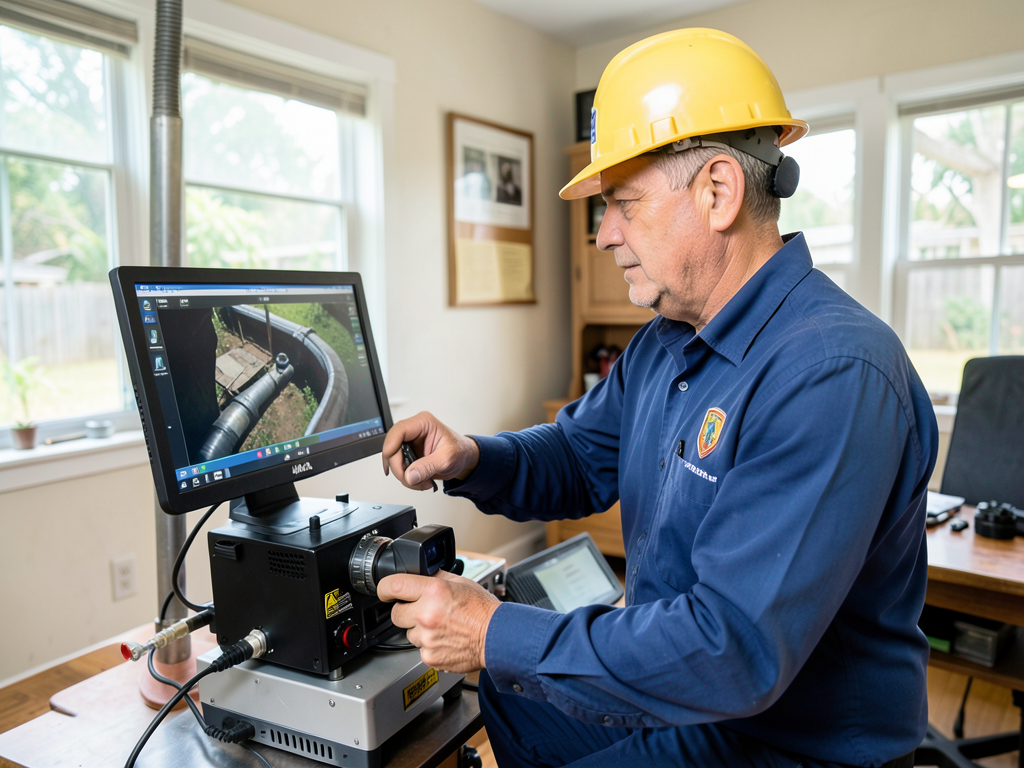
Each maintenance visit includes visual inspection of accessible piping, fixture operation testing, drain flow verification, water pressure measurement, and safety device functionality checks. We test backflow preventers, inspect water heater conditions, verify proper trap seal depths, and examine shut-off valve operation. High-risk areas receive enhanced inspection using cameras for drain lines or moisture meters for concealed leak detection. You receive findings documentation within 24 hours of each visit with photographic evidence and recommended corrective actions prioritized by urgency.

Performance Guarantees

Commercial plumbing service agreements include response time commitments. Emergency service requests receive priority dispatch ahead of non-contract work. Routine maintenance appointments occur within the scheduled service window or we credit your next invoice. Parts and labor completed during maintenance visits carry standard workmanship protection. The goal is predictable system performance with quantifiable downtime reduction compared to reactive-only service models. You measure results through documented reduction in emergency service calls year over year.

Ongoing System Optimization

Maintenance relationships create continuous improvement opportunities. We track water consumption patterns to identify inefficient fixtures. We recommend retrofits that reduce operating costs through low-flow technology or sensor-operated fixtures. We identify code compliance gaps before regulatory inspections. Annual program reviews compare system performance against baseline conditions established during initial audits. You receive capital planning guidance showing projected replacement timelines for major components, allowing budget forecasting and preventing emergency capital expenditures.

Frequently Asked Questions

You Have Questions,
We Have Answers

What are the 5 types of preventive maintenance? +

The five primary types of preventive maintenance for commercial facilities include time-based maintenance, which follows a fixed schedule regardless of equipment condition. Usage-based maintenance ties service intervals to operational hours or production cycles. Predictive maintenance uses sensors and data analysis to forecast failures before they occur. Condition-based maintenance monitors real-time equipment performance metrics to trigger service. Risk-based maintenance prioritizes assets by criticality and failure consequences. For commercial properties in New Orleans, humidity and salt air exposure from the Gulf make condition-based monitoring particularly valuable for identifying corrosion and moisture-related degradation before systems fail during peak cooling season.

How much does preventive maintenance cost for commercial HVAC? +

Commercial HVAC preventive maintenance costs depend on system size, complexity, and service frequency. Small commercial units under five tons may cost several hundred dollars per visit, while large rooftop systems or chiller plants serving multi-tenant buildings run significantly higher. Most New Orleans commercial properties require quarterly service due to year-round cooling loads and high humidity that accelerates coil fouling and refrigerant loss. Annual contracts often reduce per-visit costs and include priority response. Budget 3-5% of replacement value annually for comprehensive maintenance. Deferred maintenance in coastal climates like New Orleans typically costs three to five times more than proactive service when accounting for emergency repairs and downtime.

What are the 7 elements of preventive maintenance? +

The seven core elements of preventive maintenance include inspection to identify wear and potential failures. Cleaning removes debris and contaminants affecting performance. Lubrication reduces friction on moving components. Adjustment ensures proper settings and calibration. Testing verifies system operation meets specifications. Repair addresses minor issues before they escalate. Documentation creates service history for trend analysis. For commercial buildings in New Orleans, inspection and cleaning carry extra weight due to humidity driving mold growth in ductwork and drain pans. Regular documentation helps identify patterns like accelerated corrosion from salt air exposure near the lakefront or French Quarter, allowing proactive component replacement before business disruption occurs.

What are examples of preventative maintenance? +

Common preventative maintenance examples include replacing HVAC filters monthly to maintain airflow and indoor air quality. Checking refrigerant levels and pressures prevents compressor failure and efficiency loss. Cleaning condenser coils removes dirt buildup that restricts heat rejection. Inspecting electrical connections identifies loose terminals before they cause failures. Testing safety controls ensures proper shutdown during fault conditions. Calibrating thermostats maintains accurate temperature control. For New Orleans commercial properties, drain line flushing prevents algae clogs common in high-humidity environments. Inspecting roof curbs and flashing around rooftop units catches deterioration from intense UV exposure and afternoon thunderstorms before water intrusion damages ceilings or inventory.

What are the 4 P's of maintenance? +

The four P's of maintenance are Preserve, Predict, Prevent, and Promote. Preserve focuses on maintaining asset condition through routine care and timely component replacement. Predict uses data analysis and monitoring to forecast when failures will occur. Prevent implements scheduled interventions before breakdowns happen, reducing emergency repairs. Promote emphasizes improving reliability and extending equipment lifespan through continuous optimization. For commercial operations in New Orleans, the Predict element gains importance due to harsh coastal conditions that accelerate wear. Analyzing trends like declining refrigerant pressures or increasing amp draw helps schedule repairs during off-peak hours, avoiding business interruption during critical operating periods when downtime directly impacts revenue.

What is the 10% rule of preventive maintenance? +

The 10% rule of preventive maintenance states you should budget roughly 10% of equipment replacement cost annually for maintenance and repairs. This benchmark helps commercial property managers allocate appropriate resources for upkeep. A rooftop unit with a $20,000 replacement cost should receive approximately $2,000 per year in maintenance investment. The rule applies across mechanical systems, not just HVAC. In New Orleans, actual costs may exceed this baseline due to accelerated corrosion from salt air and continuous cooling loads driving more operating hours than northern climates. Properties near the Industrial Canal or along the lakefront often see 12-15% maintenance costs due to environmental exposure increasing component replacement frequency.

What is the $5000 AC rule? +

The $5,000 AC rule refers to HVAC repair decision-making guidance. Multiply the repair cost by the system age in years. If the result exceeds $5,000, replacement typically makes better financial sense than repair. A 12-year-old unit needing a $500 repair scores 6,000, suggesting replacement. This rule helps commercial property managers evaluate repair versus replacement decisions objectively. However, New Orleans considerations matter. High humidity and continuous operation often shorten commercial HVAC lifespan below national averages. A 10-year-old system here may have equivalent wear to a 15-year-old system in milder climates. Factor in energy efficiency improvements and refrigerant phase-outs when making replacement decisions for commercial properties.

What is the 3 minute rule for AC? +

The 3-minute rule for AC means you should wait at least three minutes between compressor cycles to allow refrigerant pressures to equalize throughout the system. Starting the compressor under unequal pressure forces it to work against high head pressure, causing excessive amp draw and potential motor damage. Commercial HVAC systems include time-delay relays or minimum off-timer controls to enforce this protection automatically. In New Orleans commercial applications with continuous cooling demands, short cycling often indicates undersized equipment, refrigerant loss, or failed controls. Properties experiencing rapid cycling during peak afternoon heat should schedule immediate service, as compressor failure from inadequate rest periods creates expensive emergency repairs and business disruption.

What is the most expensive part in an HVAC unit? +

The compressor represents the most expensive component in commercial HVAC systems, often accounting for 40-50% of total unit replacement cost. Compressor failure typically requires complete system replacement for units over eight years old due to labor costs and refrigerant compatibility. Heat exchangers and evaporator coils rank second in expense. For New Orleans commercial properties, compressors face additional stress from year-round operation and high ambient temperatures. Liquid slugging from clogged drain lines damages compressors by allowing liquid refrigerant into the compression chamber. Salt air accelerates electrical terminal corrosion. Regular preventive maintenance protecting the compressor delivers the highest return on investment by avoiding catastrophic failures during peak business periods.

What is a PM checklist? +

A PM checklist is a standardized preventive maintenance task list ensuring technicians complete all required inspections, adjustments, and services during scheduled visits. Commercial checklists typically include filter inspection, electrical connection testing, refrigerant level verification, condensate drain clearing, control calibration, airflow measurement, and safety device testing. Documentation captures findings, measurements, and corrective actions. For New Orleans commercial properties, effective checklists include humidity-specific items like drain pan condition, biological growth inspection, and corrosion assessment. Digital checklists with photo documentation provide audit trails for compliance and trend analysis. Comprehensive checklists prevent overlooked maintenance items that cause unexpected failures, helping commercial operations maintain business continuity despite challenging coastal environmental conditions.

Why New Orleans's Water Chemistry Demands Proactive Commercial Plumbing Maintenance

New Orleans draws water from the Mississippi River, creating mineral content and chlorine levels that accelerate fixture and valve wear. The water's hardness causes scale accumulation in tankless water heaters and supply lines, reducing flow capacity and heating efficiency. Chlorine concentrations deteriorate rubber valve seals and flapper assemblies faster than in municipalities using well water. Commercial kitchens face particular risk from scale buildup in steamers, coffee brewers, and ice machines. Routine commercial plumbing inspections catch these issues during early stages when descaling treatments and seal replacements prevent total component failure.

Commercial properties in New Orleans face unique code requirements related to backflow prevention and grease trap maintenance. Health department regulations mandate annual testing of backflow devices, with immediate corrective action for failures. Orleans Parish requires documented maintenance records for food service establishments. Buildings in flood zones need compliant installation of mechanical equipment above base flood elevation. Liberty Plumbing New Orleans maintains current knowledge of local plumbing codes and health department requirements, ensuring your preventive maintenance program satisfies regulatory obligations while protecting operational continuity.
Plumbing Services in The New Orleans Area

Liberty Plumbing proudly serves New Orleans and surrounding areas with dependable plumbing services available 24/7. Use the map below to locate our service area and see how close we are to your home or business. Whether you need emergency repairs or scheduled maintenance, we’re nearby and ready to help. Our team is local, friendly, and always prepared to respond when you need us most. Don’t wait for a plumbing issue to get worse—get fast, professional help from Liberty Plumbing today.

Address:
Liberty Plumbing New Orleans, 201 St Charles Ave, New Orleans, LA, 70170

Additional Services We Offer

Our news updates

Latest Articles & News from The Blogs

Common Plumbing Issues for Homeowners Using Well Water in Rural St. Bernard Parish Living in rural St. Bernard Parish means…

Common Plumbing Issues for Homeowners Using Well Water in Rural St. Bernard Parish

Common Plumbing Issues for Homeowners Using Well Water in Rural St. Bernard Parish Living in rural St. Bernard Parish means…

Dealing with Standing Water in Your Yard After a Typical New Orleans Rainstorm

Dealing with Standing Water in Your Yard After a Typical New Orleans Rainstorm Living in New Orleans means dealing with…

How to Make Your New Orleans Restaurant Bathrooms ADA Compliant

How to Make Your New Orleans Restaurant Bathrooms ADA Compliant Running a restaurant in New Orleans means navigating historic buildings,…

Contact Us

Stop gambling with emergency failures. Schedule a commercial system audit and receive a customized maintenance proposal. Call Liberty Plumbing New Orleans at (985) 279-3332 to eliminate downtime risk.