




menu

Trenchless Sewer Repair in New Orleans | Zero Excavation, Minimal Business Disruption

Liberty Plumbing New Orleans delivers no-dig sewer repair that keeps your commercial operations running while we rehabilitate failing pipes beneath your property without destroying parking lots, sidewalks, or landscaping.

Slider Image 1
Slider Image 2
Slider Image 3
Slider Image 4
Slider Image 5
Slider Image 7
Slider Image 8
Slider Image 9
Slider Image 10
Slider Image 11

Why New Orleans Commercial Properties Face Chronic Sewer Line Failures

Your commercial sewer system sits in some of the most hostile soil conditions in North America. New Orleans's high water table and saturated clay soil create constant hydrostatic pressure against underground pipes. The ground beneath your restaurant, hotel, or office building never fully dries. It swells during summer storms and contracts during rare freezes. This cycle breaks cast iron and clay pipes that were installed decades ago when the Central Business District and Warehouse District were first developed.

Traditional sewer excavation means tearing up your parking lot or closing a section of Tchoupitoulas Street for days. Your business loses customer access. You pay for asphalt replacement, concrete repair, and landscape restoration on top of the pipe work itself. Trenchless pipe lining eliminates that cascade of costs and interruptions.

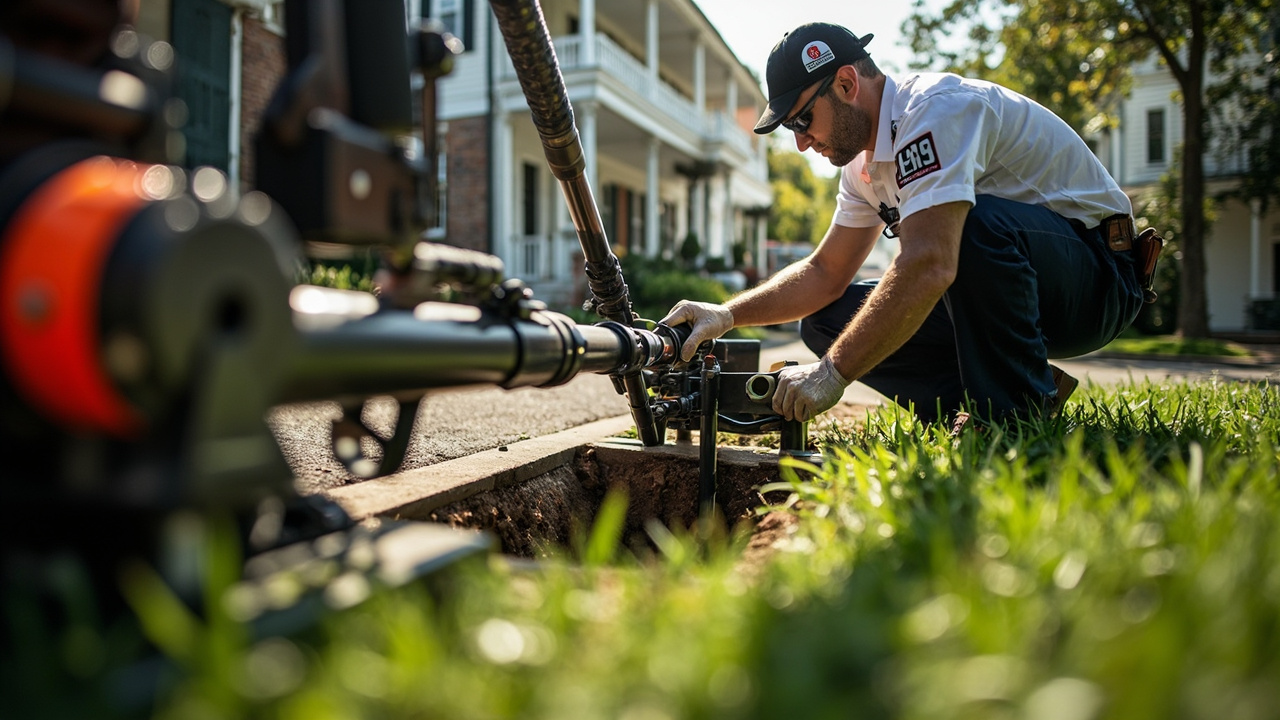
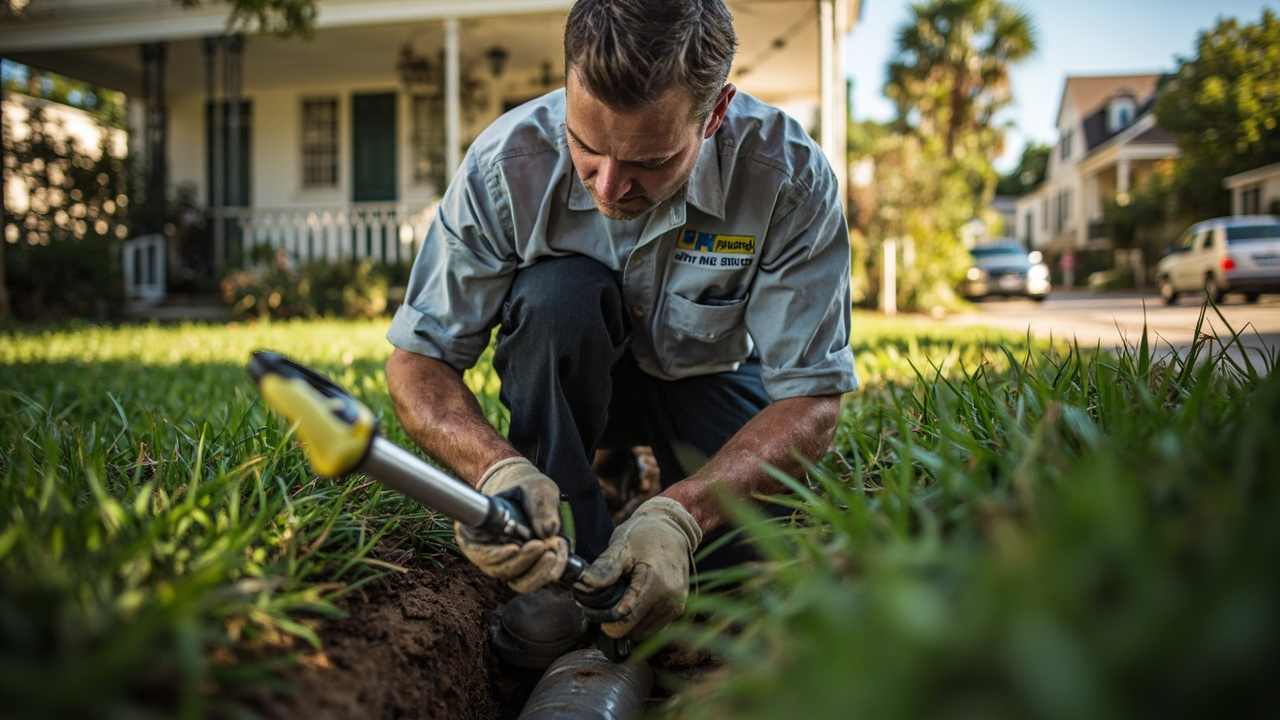
The aging infrastructure in neighborhoods like the Garden District and Uptown means sewer laterals installed in the 1920s through 1960s are now failing. You see frequent backups, slow drains across multiple fixtures, or sewage odors near your foundation. CIPP sewer repair allows us to rehabilitate these lines from the inside without destroying your property's exterior. We access the damaged section through existing cleanouts or small entry points, then install a structural pipe liner that becomes the new pipe wall. The result is a seamless, jointless pipe that resists root intrusion and corrosion for decades.

Why New Orleans Commercial Properties Face Chronic Sewer Line Failures
How Trenchless Sewer Replacement Works in High Water Table Conditions

How Trenchless Sewer Replacement Works in High Water Table Conditions

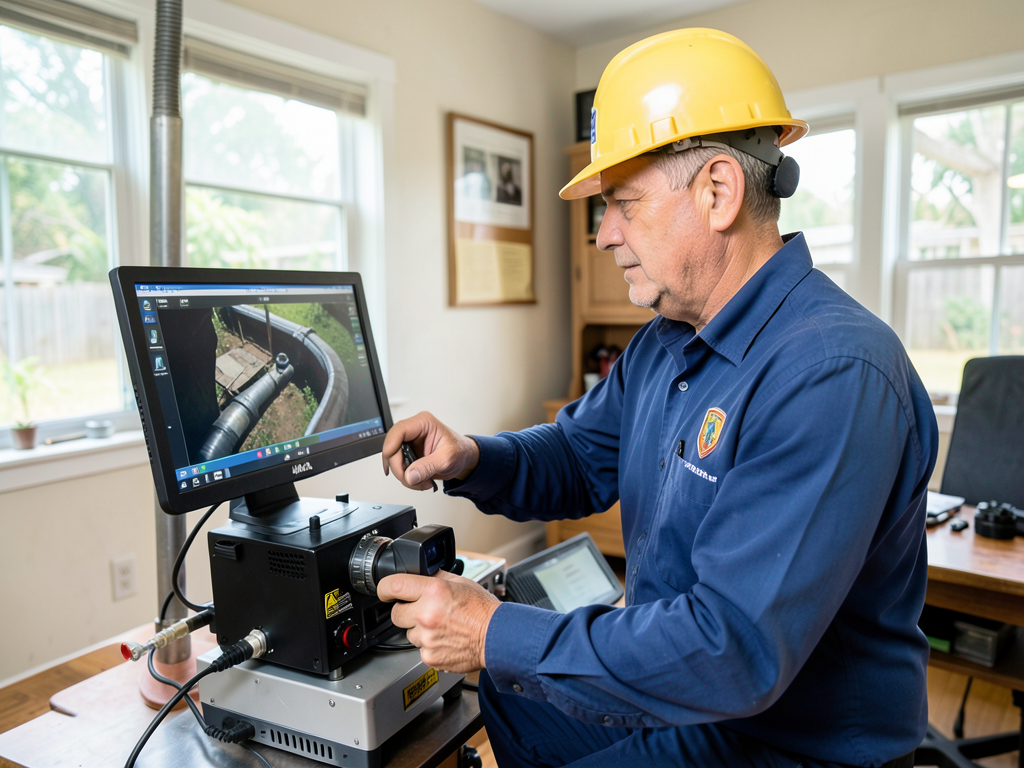
Trenchless pipe rehabilitation requires precise engineering adapted to New Orleans's subsurface water conditions. We begin with video camera inspection using push cameras or robotic crawlers to map your entire sewer lateral. We identify every crack, offset joint, root mass, and bellied section. This data determines whether CIPP lining or pipe bursting is the correct method for your property.

For most commercial applications, we use cured-in-place pipe lining. We insert a resin-saturated felt liner through your cleanout, then inflate it with air pressure until it conforms to the host pipe's interior. We cure the resin using hot water or steam, which hardens the liner into a rigid, structural pipe within the old pipe. The new liner is typically fiberglass-reinforced and rated for 50-year service life under commercial flow rates. It seals every crack and gap, preventing groundwater infiltration that causes soggy soil and foundation settlement.

Pipe bursting works when the existing line is too collapsed or offset for lining. We pull a bursting head through the old pipe, fracturing it outward into the surrounding soil while simultaneously pulling new HDPE pipe into place. This method replaces the pipe completely without a trench. It works in wet soil because we control the depth and trajectory hydraulically.

Both methods require dewatering pumps if we encounter high groundwater during access point excavation. We also coordinate with the Sewerage and Water Board of New Orleans when work affects public sewer connections. This coordination prevents permit violations and ensures your new pipe meets municipal specifications for commercial discharge volumes.

What Happens During Your Commercial Trenchless Sewer Project

Trenchless Sewer Repair in New Orleans | Zero Excavation, Minimal Business Disruption
01

Video Diagnostics and Flow Analysis

We deploy sewer cameras to record the entire pipeline from your building to the municipal main. You receive a digital recording showing every defect with distance markers measured from your building. We analyze flow rates, pipe diameter, and depth to design the liner specification. This diagnostic phase typically completes in two to four hours depending on lateral length and the number of branch connections serving different areas of your facility.
02

Pipe Cleaning and Liner Installation

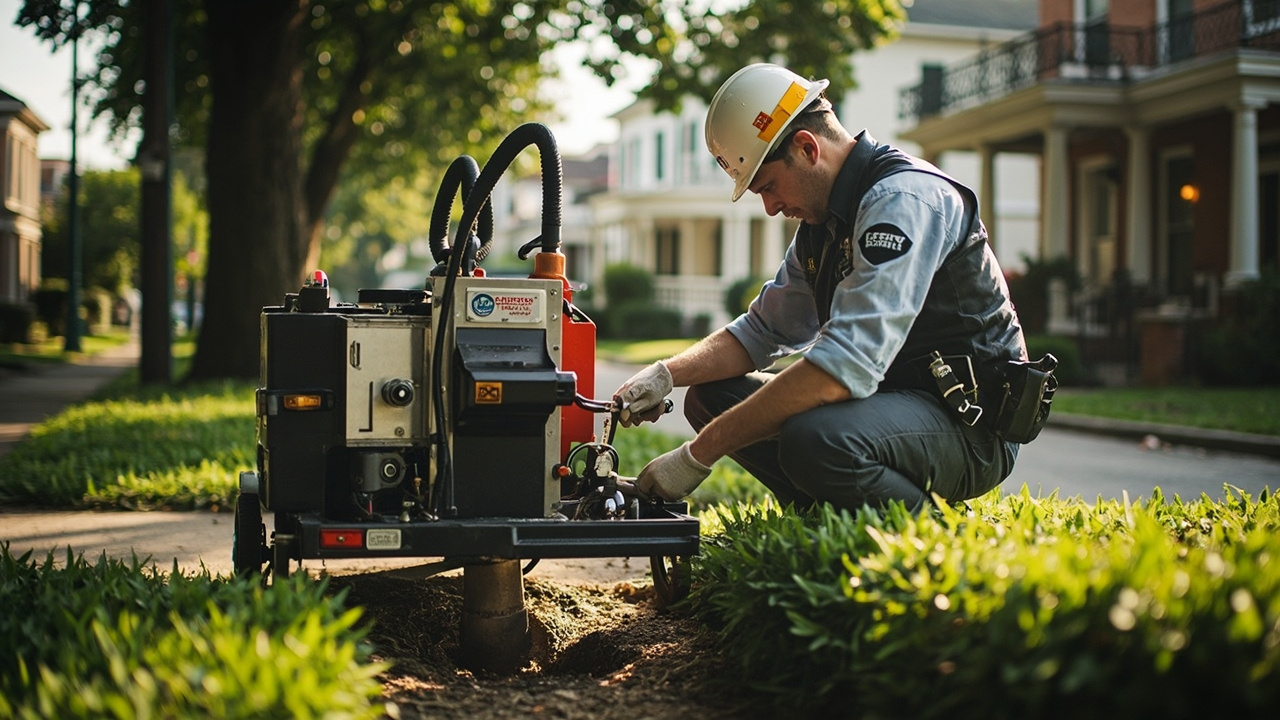
High-pressure water jetting removes grease, scale, and root material to expose clean pipe walls. We then saturate the felt liner with epoxy resin, invert it into the host pipe using air pressure, and cure it with heated water circulation. The curing process takes three to six hours. We monitor internal temperature and pressure continuously to ensure complete resin polymerization. Your building remains operational throughout this phase with temporary bypass pumping if needed for high-volume operations.
03

Final Inspection and Reinstatement

After curing, we trim the liner ends, reconnect lateral branches using robotic cutters, and perform a final camera inspection to document structural integrity. We pressure test the line to confirm it meets commercial load ratings. You receive video documentation, engineering specifications, and a dimensional survey showing the new pipe's interior diameter and flow capacity. We restore access points with concrete or asphalt patches that match existing surfaces. Most commercial projects return to full operation within 24 to 48 hours.

Why New Orleans Businesses Choose Liberty Plumbing for No-Dig Sewer Solutions

Commercial sewer failures cost you revenue every hour they persist. A backed-up kitchen closes your restaurant. Sewage odors drive customers away from retail spaces. Liberty Plumbing New Orleans understands the financial pressure you face. We mobilize trenchless equipment within hours of your call, not days.

We work in New Orleans's challenging subsurface conditions daily. We know where the water table sits in different neighborhoods. We understand how the Mississippi River's proximity affects groundwater levels in the French Quarter and Bywater. We coordinate with the Sewerage and Water Board to expedite permit approvals when your project requires public right-of-way access. This local knowledge eliminates delays that cost you business days.

Our trenchless pipe rehabilitation equipment is calibrated for commercial-grade applications. We handle 4-inch to 12-inch diameter sewer mains common in multi-tenant buildings, restaurants with high grease loads, and medical facilities with chemical discharge requirements. We carry multiple resin formulations to match your pipe's specific chemical exposure and temperature conditions. This technical depth means we engineer the solution correctly the first time.

You also avoid the liability exposure of open excavations. No trenches mean no pedestrian fall hazards, no blocked fire lanes, and no ADA access violations during construction. Your property insurance carrier will appreciate this risk reduction. We carry commercial general liability coverage specifically structured for trenchless work, which differs from traditional excavation coverage due to the subsurface risks involved.

We provide engineering documentation that satisfies commercial lenders, property management companies, and municipal inspectors. You receive as-built drawings, material certifications, and structural calculations proving your new sewer line meets current code. This documentation protects your property value and simplifies future transactions.

What Your Commercial Trenchless Sewer Project Includes

Project Timeline and Scheduling Flexibility

Most commercial trenchless sewer projects complete in one to three days depending on pipe length and the number of lateral connections. We schedule work during your lowest-traffic hours to minimize customer impact. Weekend and overnight installations are standard for restaurants, hotels, and retail operations. We provide detailed timelines during the diagnostic phase so you can plan staffing and communicate accurately with tenants. Emergency projects receive priority dispatch with crews mobilized within four hours of your call.

Comprehensive Video Documentation

You receive before and after video showing every inch of your sewer lateral. Pre-installation footage documents existing damage with measurement overlays indicating distance from your building and depth below grade. Post-installation video confirms complete liner adhesion, proper lateral reconnections, and smooth interior finish. This documentation satisfies insurance claims, provides evidence for tenant disputes, and creates a permanent maintenance record. We deliver digital files compatible with property management software and cloud storage systems used by commercial real estate firms.

Structural Engineering and Load Ratings

Your rehabilitated sewer line receives engineering calculations proving it meets ASTM F1216 standards for structural performance. We specify liner thickness and resin formulation based on your pipe's depth, soil load, and internal pressure from commercial flow volumes. The cured liner provides tensile strength exceeding original pipe specifications while remaining flexible enough to accommodate minor ground movement common in New Orleans's soft soil. You receive documentation suitable for municipal permit closeout and commercial property inspections required during refinancing or sale transactions.

Maintenance Protocols and Long-Term Performance

CIPP liners installed in commercial applications require minimal maintenance compared to traditional pipe. The smooth interior resists grease adhesion and root penetration. We provide maintenance protocols specific to your business type, including recommended jetting intervals for restaurants with heavy grease loads and inspection schedules for facilities with chemical discharge. The liner's expected service life exceeds 50 years under normal commercial use. We offer annual video inspection contracts that identify developing issues before they cause backups, allowing you to budget repairs predictably rather than facing emergency failures.

Frequently Asked Questions

You Have Questions,
We Have Answers

Is trenchless sewer repair worth it? +

Yes. Trenchless sewer repair minimizes business downtime and site disruption, which directly protects your revenue stream. Traditional excavation tears up parking lots, sidewalks, and landscaping, forcing closures and costly restoration. Trenchless methods like pipe lining or pipe bursting complete repairs faster with minimal surface impact. You avoid permit delays, landscaping restoration, and extended closures. In New Orleans, where high water tables and clay soil complicate excavation, trenchless repair reduces liability risks tied to open trenches and subsurface instability. For commercial properties, the ROI is clear: faster completion, lower restoration costs, and uninterrupted operations.

What are the disadvantages of trenchless pipe lining? +

Pipe lining reduces interior diameter slightly, typically 5-10%, which can impact flow capacity in undersized or heavily used lines. It requires functional access points and cannot repair severely collapsed pipes or those with major offsets. Root intrusion must be cleared before lining, adding prep costs. Lining also requires specialized equipment and trained technicians, limiting contractor availability in some markets. In New Orleans, properties with aging cast iron or Orangeburg pipes may face prep challenges due to corrosion or deterioration. However, for structurally sound pipes with cracks or joint failures, lining delivers a durable, code-compliant solution without excavation or business interruption.

What is the cheapest way to replace a sewer line? +

Spot repair or patch replacement of damaged sections costs less than full-line replacement. If only a joint or short section has failed, excavating that segment minimizes material and labor costs. Trenchless methods like pipe lining can also be cost-effective for longer runs when you factor in avoided restoration expenses. Traditional open-cut replacement remains the cheapest per linear foot for material but adds significant costs for excavation, backfill, and site restoration. In New Orleans, where water table issues and clay soil increase excavation complexity, trenchless options often deliver better total cost efficiency by eliminating landscaping and surface repairs. Evaluate total project cost, not just installation price.

Does homeowners insurance cover sewage line repairs? +

Rarely. Most homeowners policies exclude coverage for sewer line maintenance, wear, or gradual deterioration. Coverage typically applies only to sudden, accidental damage from covered perils like vehicle impact or fire. Sewer line failures from age, root intrusion, or ground movement are considered maintenance issues. Optional sewer line endorsements or separate service line policies provide limited coverage but carry deductibles and caps. Commercial property policies follow similar exclusions. In New Orleans, where shifting clay soil and aging infrastructure accelerate sewer line deterioration, budget for repairs as a capital expense rather than relying on insurance. Review your policy and consider separate coverage if you manage older buildings.

How long does trenchless sewer repair last? +

Properly installed trenchless pipe lining lasts 50 years or more under normal conditions. The cured-in-place pipe (CIPP) or epoxy lining creates a seamless, corrosion-resistant interior that resists root intrusion and chemical degradation. Lifespan depends on installation quality, pipe condition at repair, and system usage. In New Orleans, where high humidity and soil acidity affect underground infrastructure, quality materials and proper curing are critical. Commercial properties with high flow volumes or grease-laden discharge should implement routine maintenance to prevent coating damage. Trenchless methods deliver long-term performance comparable to new pipe installation without excavation costs. Verify contractor certifications and material specifications before committing.

Do plumbers recommend sewer liners? +

Yes. Experienced commercial plumbers recommend sewer lining for structurally sound pipes with cracks, joint failures, or minor corrosion. It eliminates excavation, reduces project timelines, and delivers durable results when installed correctly. Plumbers avoid recommending lining for severely collapsed pipes, major offsets, or lines with significant root blockages that compromise installation quality. In New Orleans, where clay soil and high water tables complicate excavation, qualified plumbers prioritize trenchless solutions to reduce site disruption and liability. However, recommendation depends on camera inspection results and pipe condition. Plumbers who lack trenchless training or equipment may default to excavation. Choose contractors with proven trenchless experience and current certifications.

How often does a sewer line need to be replaced? +

Sewer lines typically last 40-100 years depending on material and conditions. Cast iron pipes deteriorate faster in acidic or corrosive environments, often failing within 50-60 years. PVC and modern materials can exceed 100 years with proper installation. Replacement becomes necessary when pipes show widespread corrosion, multiple failures, or structural collapse. In New Orleans, clay soil movement and high water tables accelerate joint separation and pipe settlement, shortening lifespan. Commercial properties with aging cast iron or clay lines should schedule camera inspections every 5-10 years to identify deterioration before catastrophic failure. Proactive replacement or trenchless rehabilitation prevents emergency closures and costly damage to building foundations or interior spaces.

How much does it cost to reline a sewage pipe? +

Costs vary widely based on pipe diameter, length, access points, and condition. Factors include required excavation for access, pipe cleaning and prep, material type, and site-specific challenges. In New Orleans, high water tables and clay soil can increase prep costs if dewatering or stabilization is required. Commercial properties often face higher costs due to larger diameter pipes and stricter code requirements. Expect project pricing to reflect total scope, including permits, inspections, and site restoration. Request detailed estimates from multiple licensed contractors with trenchless experience. Avoid contractors who quote without camera inspection. Total project value includes avoided downtime and surface restoration costs.

Is sewer pipe relining worth it? +

Yes, for most commercial applications. Pipe relining eliminates excavation, reduces project duration, and minimizes business interruption. You avoid costs tied to surface restoration, parking lot replacement, and extended closures. Relining delivers a corrosion-resistant, seamless interior that meets code requirements and performs comparably to new pipe. In New Orleans, where excavation challenges increase costs and project timelines, relining offers superior ROI for pipes with structural integrity. The method works well for buildings in historic districts or areas with limited access. Evaluate relining against full replacement based on pipe condition, system age, and long-term facility plans. For operational continuity and cost control, relining typically delivers better value.

Can a homeowner replace a sewer line? +

Legally, no. Louisiana requires licensed plumbers for sewer line work that connects to public systems or involves pressurized lines. Unlicensed work violates state code, voids permits, and creates liability exposure. Sewer line replacement requires proper permitting, inspections, and code compliance. Homeowners lack the specialized equipment for excavation, pipe joining, and pressure testing. In New Orleans, where connections to municipal systems require coordination with the Sewerage and Water Board, DIY attempts risk fines and forced remediation. Commercial property owners face additional liability if unlicensed work causes environmental contamination or neighboring property damage. Hire licensed, insured contractors to ensure code compliance and protect your investment.

How New Orleans's Saturated Soil and Aging Infrastructure Make Trenchless Methods Essential

New Orleans sits an average of six feet below sea level with a water table that hovers just beneath the surface. Excavating traditional trenches requires continuous dewatering pumps running 24 hours to prevent groundwater from flooding the work area. This pumping destabilizes adjacent structures and can trigger foundation settlement in neighboring buildings. Trenchless sewer replacement eliminates this geotechnical risk entirely. The method also preserves the limited soil cover available above pipes in areas where bedrock sits shallow or where pipes were installed in raised neutral grounds along streets like St. Charles Avenue and Esplanade Avenue.

The Sewerage and Water Board of New Orleans maintains infrastructure standards that require commercial properties to meet specific flow capacity and structural specifications when replacing sewer laterals. Trenchless pipe lining creates a fully compliant pipe that often exceeds original design specifications. Liberty Plumbing New Orleans maintains relationships with municipal inspectors and understands the permit process for work in historic districts where excavation restrictions protect underground utilities and archaeological resources. This local expertise prevents project delays and ensures your rehabilitation meets all regulatory requirements without unnecessary engineering reviews or permit resubmissions.
Plumbing Services in The New Orleans Area

Liberty Plumbing proudly serves New Orleans and surrounding areas with dependable plumbing services available 24/7. Use the map below to locate our service area and see how close we are to your home or business. Whether you need emergency repairs or scheduled maintenance, we’re nearby and ready to help. Our team is local, friendly, and always prepared to respond when you need us most. Don’t wait for a plumbing issue to get worse—get fast, professional help from Liberty Plumbing today.

Address:
Liberty Plumbing New Orleans, 201 St Charles Ave, New Orleans, LA, 70170

Additional Services We Offer

Our news updates

Latest Articles & News from The Blogs

Upgrading Your Algiers Point Rental Property with Low-Maintenance Commercial Grade Fixtures Managing rental properties in Algiers Point means dealing with…

Upgrading Your Algiers Point Rental Property with Low-Maintenance Commercial Grade Fixtures

Upgrading Your Algiers Point Rental Property with Low-Maintenance Commercial Grade Fixtures Managing rental properties in Algiers Point means dealing with…

Why PEX-A is Often Better Than PEX-B for Re-Piping Projects in Older New Orleans Homes

Why PEX-A is Often Better Than PEX-B for Re-Piping Projects in Older New Orleans Homes Choosing the right piping material…

What New Orleans Homebuyers Should Look for in a Sewer Camera Inspection Report

What New Orleans Homebuyers Should Look for in a Sewer Camera Inspection Report Buying a home in New Orleans means…

Contact Us

Your commercial sewer line can be rehabilitated without closing your business or destroying your property. Call Liberty Plumbing New Orleans at (985) 279-3332 now for video diagnostics and a detailed project proposal. We provide same-day emergency response across the greater New Orleans metro.