



menu

Industrial Pipe Repair in New Orleans | Minimizing Downtime for Chemical Plants and Refineries

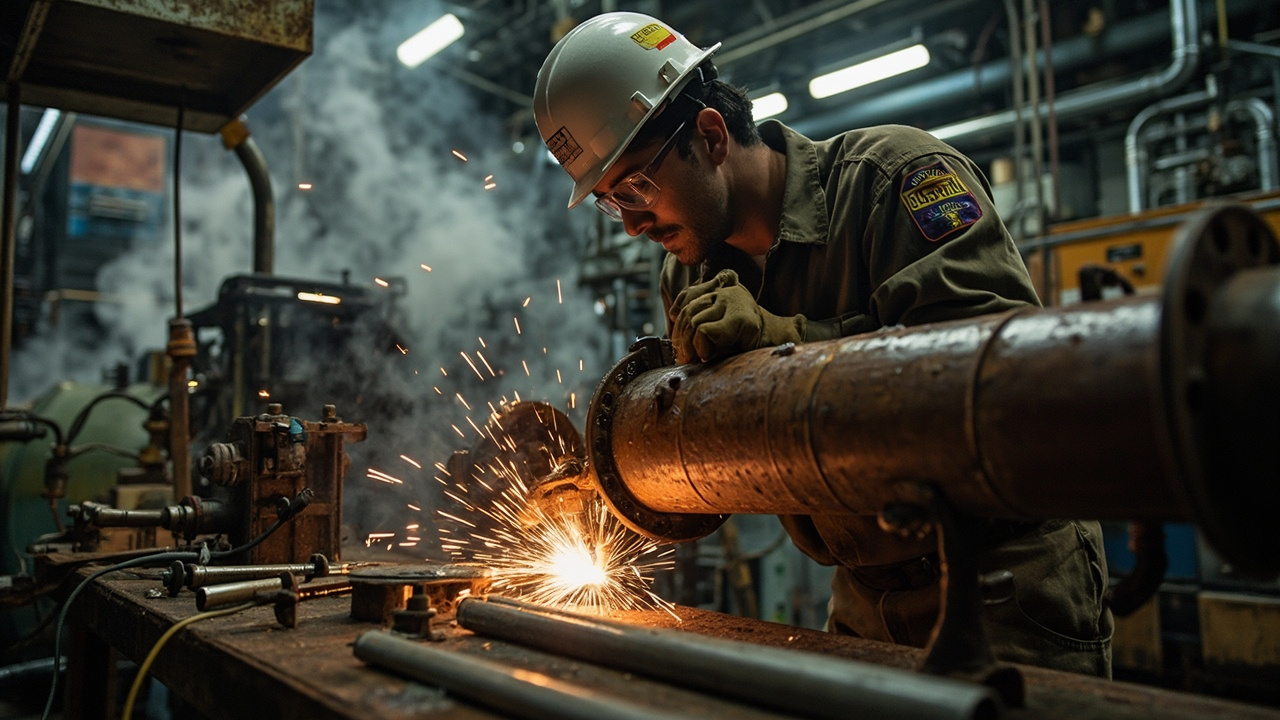
Liberty Plumbing New Orleans delivers industrial pipe restoration and process piping repair for facilities across the greater New Orleans metro, engineered to keep your operations running while we repair corroded lines, failed welds, and compromised industrial piping systems.

Slider Image 1
Slider Image 2
Slider Image 3
Slider Image 4
Slider Image 5
Slider Image 7
Slider Image 8
Slider Image 9
Slider Image 10
Slider Image 11

Industrial Piping Failures Cost You Revenue Every Hour

New Orleans's industrial corridor faces unique challenges. High humidity accelerates corrosion rates on carbon steel piping. Saltwater intrusion from the Gulf degrades coatings and welds faster than inland facilities experience. Chemical plants and refineries operating near the Mississippi River contend with ground settlement that creates stress fractures in process piping systems. Add thermal cycling from Louisiana heat and you get accelerated fatigue failure on welds and flanges.

When a pipe fails in your facility, you face immediate liability exposure. Leaked chemicals threaten employee safety. Environmental violations trigger regulatory fines. Production halts drain revenue by the minute. Your maintenance team cannot afford trial-and-error approaches or drawn-out repair schedules.

Industrial pipe repair demands precision diagnostics, code-compliant execution, and speed. You need technicians who understand ASME B31.3 process piping standards, can interpret ultrasonic thickness readings, and execute hot taps without shutting down adjacent lines. Generic commercial plumbers lack the certifications and field experience for industrial pipeline repair. Process piping operates under pressures and temperatures that require specialized welding procedures, metallurgy knowledge, and non-destructive testing protocols.

Every hour of downtime multiplies your losses. You need industrial piping repair services that prioritize business continuity, execute repairs during planned outages, and document work to satisfy insurance carriers and regulatory inspectors. The question is not whether to repair the line. The question is who can execute industrial pipe restoration without extending your shutdown window or compromising system integrity.

Industrial Piping Failures Cost You Revenue Every Hour
How We Execute Industrial Pipe Repair Under Pressure

How We Execute Industrial Pipe Repair Under Pressure

Liberty Plumbing New Orleans approaches industrial piping repair services with a shutdown-minimization methodology. We start with non-destructive evaluation using ultrasonic thickness gauges and radiographic testing to map the full extent of wall loss, cracking, or erosion. This prevents unnecessary line replacement and identifies the minimum intervention required to restore design pressure ratings.

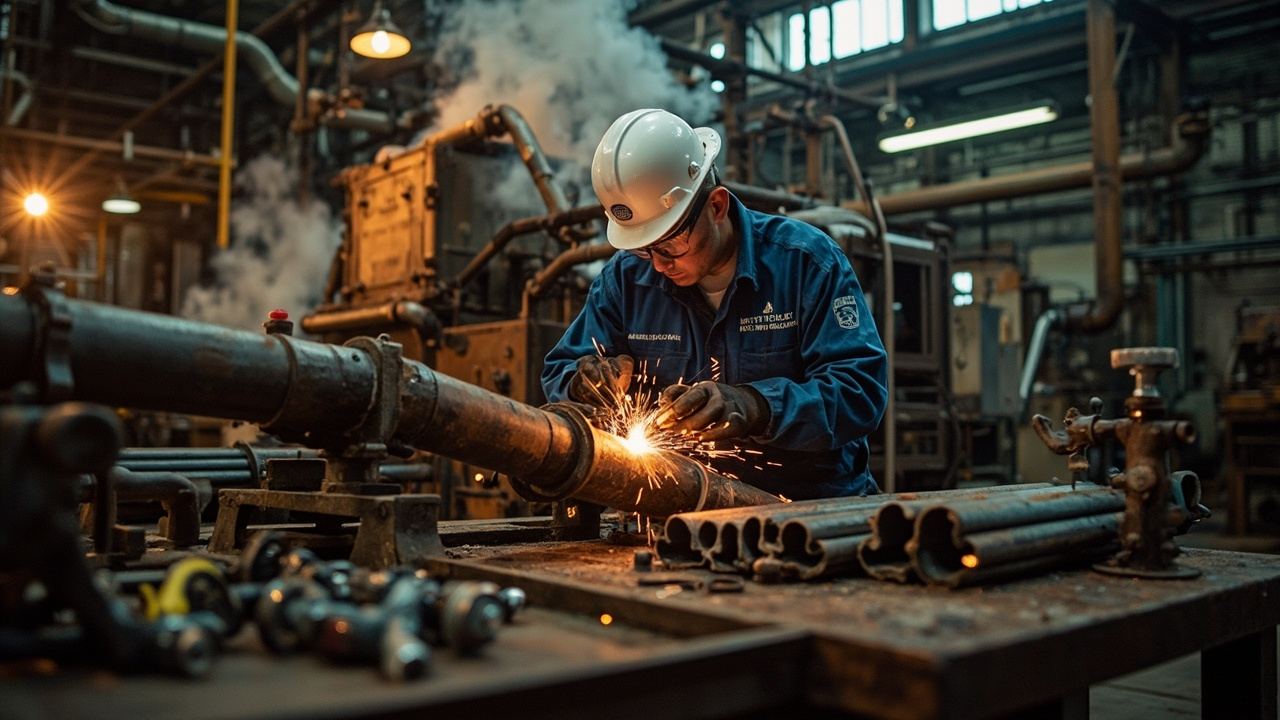
Our field team executes repairs using qualified welding procedures specific to your pipe material and service conditions. We maintain pre-qualified weld procedures for carbon steel, stainless steel, and duplex alloys common in chemical processing. All welders hold current certifications for pressure piping per ASME Section IX. We perform radiographic inspection or phased array ultrasonic testing on critical welds before returning lines to service.

For emergency failures, we can execute line stops and hot taps to isolate damaged sections without facility-wide shutdowns. This approach maintains production in unaffected areas while we replace corroded spools or repair failed welds. We coordinate with your operations team to schedule tie-ins during low-demand periods, further reducing impact on throughput.

Process piping repair often requires temporary bypass systems to maintain flow during rehabilitation work. We engineer and install temporary lines rated for your operating pressures and temperatures, then remove them after permanent repairs are complete and tested. This keeps your process running while we address the root failure.

Documentation matters for insurance claims and regulatory compliance. You receive weld maps, radiographic film or digital UT data, material certifications, and hydrostatic test records for every industrial pipe restoration project. This documentation proves code compliance and supports your facility's mechanical integrity program under OSHA PSM requirements.

Our Industrial Pipeline Repair Workflow

Industrial Pipe Repair in New Orleans | Minimizing Downtime for Chemical Plants and Refineries
01

Failure Analysis and NDE

We deploy technicians with ultrasonic thickness gauges, radiographic equipment, or phased array instruments to map the damage. This includes measuring remaining wall thickness, identifying crack propagation paths, and determining whether corrosion is localized or systemic. You receive a written assessment defining the minimum repair scope required to restore design pressure ratings and comply with B31.3 code requirements for your process conditions.
02

Repair Execution and Testing

Our certified welders execute repairs using pre-qualified weld procedures matched to your base metal and service environment. We perform required heat treatment for chromium-molybdenum alloys, conduct post-weld hardness testing when specified, and complete radiographic or ultrasonic inspection before releasing the joint. All work follows your facility's hot work permit procedures and lock-out tag-out protocols to maintain safety during active repairs in operating plants.
03

Pressure Testing and Documentation

We hydrostatically test repaired sections to 1.5 times design pressure per code requirements, holding pressure for the specified duration while inspecting for leaks or deformation. You receive complete documentation packages including weld maps, NDE reports, material test reports, and pressure test charts. This record-keeping supports your mechanical integrity program and satisfies insurance carrier requirements for process piping repairs in chemical manufacturing and refining operations.

Why New Orleans Facilities Choose Liberty Plumbing for Industrial Piping

Industrial facilities in the New Orleans area operate under regulatory scrutiny that demands precision documentation and code-compliant execution. The Louisiana Department of Environmental Quality enforces strict spill prevention requirements. OSHA's Process Safety Management standard applies to chemical plants handling threshold quantities of hazardous materials. Your mechanical integrity program requires qualified contractors who understand these compliance frameworks.

Liberty Plumbing New Orleans maintains the certifications and field experience that industrial facilities require. Our welders hold certifications for pressure piping in chemical and petroleum service. We understand the permit requirements for working in classified electrical areas common in petrochemical plants. We coordinate with facility safety teams to ensure hot work permits, confined space entry procedures, and lock-out tag-out protocols are followed during every repair.

New Orleans's industrial corridor includes aging infrastructure. Many refineries and chemical plants operate piping systems installed decades ago. Repairs on these legacy systems require metallurgy knowledge to match filler metals, pre-heat and post-weld heat treatment procedures, and an understanding of how original fabrication methods impact modern repair techniques. We have repaired process piping in facilities throughout the greater New Orleans metro, from Chalmette refineries to chemical plants in Norco and Geismar.

You need a contractor who responds fast but executes correctly. Rushed repairs that fail post-weld inspection extend your downtime. Incomplete documentation creates compliance gaps that trigger findings during insurance audits or regulatory inspections. We balance speed with precision, delivering industrial pipe rehabilitation that passes inspection the first time and returns your lines to service without rework delays or documentation deficiencies.

What to Expect When You Call Liberty Plumbing for Industrial Pipe Repair

Emergency Response and Scheduling

We dispatch technicians to your facility within hours for emergency failures. For planned repairs during scheduled turnarounds, we coordinate with your maintenance team to align our work with your outage window. You receive a detailed schedule showing mobilization dates, repair duration, testing timeframes, and expected return-to-service dates. We understand that your production schedule drives everything. Our project planning focuses on completing industrial pipeline repair within your available shutdown window, not extending it.

Site Assessment and Repair Planning

Our technicians perform non-destructive evaluation to define the repair scope. You receive a written assessment detailing damage extent, recommended repair methods, required materials, and estimated completion time. We identify whether a simple weld repair suffices or whether spool replacement is necessary. This assessment includes code references showing how the proposed repair complies with ASME B31.3 requirements for your operating conditions. You make informed decisions based on engineering analysis, not guesswork.

Code-Compliant Execution and Testing

Every weld receives inspection per code requirements. Critical welds undergo radiographic examination or phased array ultrasonic testing. We perform hydrostatic pressure testing and provide you with test charts documenting pressure levels and hold times. The repaired piping system is returned to service only after passing all required inspections. You receive confidence that the repair meets design standards and will perform reliably under your process conditions without premature re-failure.

Documentation and Compliance Records

You receive a complete documentation package including weld maps showing repair locations, radiographic film or digital UT data files, welder qualification records, material test reports for filler metals and pipe spools, and pressure test documentation. This record-keeping supports your facility's mechanical integrity program under OSHA PSM requirements and satisfies insurance carrier audits. Proper documentation protects you during regulatory inspections and provides the paper trail required for process safety compliance in chemical manufacturing operations.

Frequently Asked Questions

You Have Questions,
We Have Answers

How much does it typically cost to fix a broken pipe? +

Industrial pipe repair costs vary based on pipe material, diameter, location, and access difficulty. A minor gasket replacement may cost a few hundred dollars, while major repairs involving excavation, trenchless lining, or replacing large-diameter cast iron systems can run several thousand. In New Orleans, underground work often encounters complications from shifting clay soil and high water tables, which increases labor time. Older facilities in the French Quarter or Warehouse District may require specialized methods to meet historic preservation requirements. Request a site inspection and detailed estimate that accounts for downtime costs and code compliance before approving work.

What is the best way to fix a leaking pipe? +

The best method depends on pipe material, pressure rating, and leak severity. For process lines, welded patches or mechanical couplings provide code-compliant permanent fixes. Epoxy-based lining systems work well for internal corrosion in large-diameter pipes. For underground leaks, trenchless CIPP lining minimizes excavation and business disruption. In New Orleans industrial settings, humidity accelerates corrosion, so address root causes like inadequate coatings or galvanic reactions. Temporary measures like clamp kits serve only as emergency stops until permanent repairs occur. Choose methods that meet ASME or local plumbing code requirements and prioritize minimal downtime.

How long does epoxy pipe repair last? +

Quality epoxy pipe lining systems typically last 30 to 50 years when properly installed in industrial applications. Lifespan depends on pipe material, operating pressure, fluid chemistry, and installation quality. In New Orleans, high humidity and temperature swings can affect curing if installers do not control environmental conditions during application. Epoxy lining works best for potable water, wastewater, and non-aggressive chemical lines. For steam lines or extreme chemical exposure, alternative materials may perform better. Verify the installer follows manufacturer specifications and conducts post-installation pressure testing to ensure long-term performance and avoid premature failure.

How to repair a damaged pipe? +

Assess the damage first. Small cracks or pinholes may allow spot repairs using welding, mechanical sleeves, or composite wraps. Corrosion requiring wall thickness restoration often needs epoxy lining or sectional replacement. For underground pipes, camera inspection identifies damage extent before choosing between excavation or trenchless rehabilitation. In New Orleans facilities, check for soil subsidence or foundation settling that caused the damage, or similar failures will recur. Match repair methods to operating conditions, pressure ratings, and applicable codes. Always conduct pressure testing post-repair and document work for compliance records and insurance purposes.

Does insurance cover pipe repair? +

Commercial property insurance typically covers sudden and accidental pipe failures but excludes damage from deferred maintenance or gradual deterioration. If a pipe bursts due to freezing, equipment failure, or external impact, coverage usually applies. Slow leaks from corrosion or wear often do not qualify. In New Orleans, hurricane-related damage may fall under separate wind or flood policies. Review your policy's exclusions and document maintenance records to support claims. File promptly and provide detailed damage assessments. Some policies require specific leak detection systems or regular inspections as conditions of coverage in industrial facilities.

How much to repair a collapsed pipe? +

Collapsed pipe repair costs depend on depth, diameter, access, and chosen method. Excavation and replacement for a 6-inch line may cost several thousand dollars per linear foot, including pavement restoration. Trenchless methods like pipe bursting or CIPP lining reduce surface disruption and often lower total costs. In New Orleans, shallow water tables and soil instability increase excavation complexity and expenses. Factor in business downtime costs and permit fees. Industrial facilities with critical process lines should prioritize methods that restore service quickly. Get multiple bids that specify repair method, timeline, and warranty terms before proceeding.

Does flex seal really stop water leaks? +

Flex Seal and similar spray rubbers provide temporary emergency stops for minor seepage in low-pressure residential applications. They do not meet industrial standards for process piping, potable water systems, or any code-regulated installation. These products fail under pressure cycling, temperature extremes, and chemical exposure. In New Orleans industrial facilities, improper temporary fixes create liability exposure and code violations. Use only approved repair methods that meet ASME, ASTM, or local plumbing code requirements. Flex Seal may stop a weekend emergency until contractors arrive Monday, but it never replaces proper professional repair with documented compliance.

What can I seal a leaking pipe with? +

For code-compliant industrial repairs, use mechanical pipe clamps, compression couplings, or professional-grade epoxy systems rated for your pressure and fluid type. Residential products like tape or putty do not meet commercial standards. Stainless steel repair clamps with EPDM gaskets handle most temporary fixes until permanent repairs occur. For potable water, verify NSF-61 certification. In New Orleans facilities handling aggressive chemicals or high temperatures, consult with engineers to specify appropriate materials. Never use products that contaminate process fluids or create safety hazards. Document all emergency repairs and schedule permanent fixes to maintain compliance and avoid liability.

How to fix a leaking pipe without removing it? +

Trenchless CIPP lining, spray-applied epoxy coatings, or mechanical sleeve installations repair pipes without removal. These methods work for accessible sections and appropriate pipe materials. CIPP involves inserting a resin-saturated liner that cures in place, creating a new pipe inside the old one. Mechanical sleeves clamp around leaks from outside. Both minimize excavation and downtime in New Orleans industrial facilities where access disrupts operations. Limitations include severe corrosion, collapsed sections, or pipes with multiple bends. Camera inspection determines feasibility. These methods require specialized equipment and trained technicians to ensure code-compliant, long-lasting results.

What is 4 times stronger than epoxy? +

The claim that something is four times stronger than epoxy refers to specific formulations under controlled test conditions and lacks practical meaning without context. Material strength depends on application, substrate, curing conditions, and stress type. For industrial pipe repair, select products based on ASTM ratings, chemical compatibility, pressure requirements, and temperature ranges rather than marketing claims. High-performance urethanes, certain polyureas, or fiber-reinforced composites may outperform standard epoxies in specific applications. In New Orleans industrial settings, prioritize products with documented performance data and code approvals. Consult engineers to specify materials that match your operating conditions and compliance requirements.

How New Orleans's Chemical Corridor Demands Specialized Industrial Pipe Repair

The greater New Orleans metro hosts one of the nation's highest concentrations of chemical plants and refineries. Facilities stretch from Chalmette through Norco to Geismar, processing petrochemicals, plastics, and refined products. These operations expose process piping to corrosive chemicals, high temperatures, and thermal cycling that accelerates fatigue. Proximity to the Gulf means salt-laden air attacks external coatings and carbon steel surfaces. Ground settlement from Mississippi River alluvial soils creates stress on buried lines and pipe racks. Industrial piping repair services in this environment require contractors who understand corrosion mechanisms specific to Louisiana's coastal climate and chemical processing conditions.

New Orleans industrial facilities operate under stringent environmental and safety regulations. The Louisiana Department of Environmental Quality enforces spill prevention and leak detection requirements. OSHA's Process Safety Management standard applies to most chemical plants in the region. Your contractor must understand these regulatory frameworks and execute repairs that satisfy compliance requirements. Liberty Plumbing New Orleans has worked in chemical plants and refineries across the area, delivering industrial pipe restoration that passes third-party inspection and supports your facility's regulatory compliance programs. Local expertise matters when documentation deficiencies can trigger enforcement actions.
Plumbing Services in The New Orleans Area

Liberty Plumbing proudly serves New Orleans and surrounding areas with dependable plumbing services available 24/7. Use the map below to locate our service area and see how close we are to your home or business. Whether you need emergency repairs or scheduled maintenance, we’re nearby and ready to help. Our team is local, friendly, and always prepared to respond when you need us most. Don’t wait for a plumbing issue to get worse—get fast, professional help from Liberty Plumbing today.

Address:
Liberty Plumbing New Orleans, 201 St Charles Ave, New Orleans, LA, 70170

Additional Services We Offer

Our news updates

Latest Articles & News from The Blogs

Common Plumbing Issues for Homeowners Using Well Water in Rural St. Bernard Parish Living in rural St. Bernard Parish means…

Common Plumbing Issues for Homeowners Using Well Water in Rural St. Bernard Parish

Common Plumbing Issues for Homeowners Using Well Water in Rural St. Bernard Parish Living in rural St. Bernard Parish means…

Dealing with Standing Water in Your Yard After a Typical New Orleans Rainstorm

Dealing with Standing Water in Your Yard After a Typical New Orleans Rainstorm Living in New Orleans means dealing with…

How to Make Your New Orleans Restaurant Bathrooms ADA Compliant

How to Make Your New Orleans Restaurant Bathrooms ADA Compliant Running a restaurant in New Orleans means navigating historic buildings,…

Contact Us

Call Liberty Plumbing New Orleans at (985) 279-3332 for industrial pipe repair that prioritizes your production schedule. We dispatch certified welders and NDE technicians to your facility fast, execute code-compliant repairs, and deliver the documentation your compliance program requires.