




menu

Gas Line Repair & Installation in New Orleans – Expert Service for Every Gas Appliance and System in Your Home or Business

Liberty Plumbing New Orleans provides complete gas line repair, gas piping installation, and gas leak repair for furnaces, water heaters, ranges, dryers, and commercial equipment throughout the greater New Orleans metro area.

Slider Image 1
Slider Image 2
Slider Image 3
Slider Image 4
Slider Image 5
Slider Image 7
Slider Image 8
Slider Image 9
Slider Image 10
Slider Image 11

Why Gas Line Issues Demand Immediate Professional Attention in New Orleans

Natural gas powers your water heater, furnace, range, and dryer. When something goes wrong with your gas piping, you face immediate safety concerns and disrupted daily routines. New Orleans homes and businesses rely heavily on gas appliances due to frequent power outages during hurricane season and the region's humid climate that makes electric dryers less efficient.

The combination of Louisiana's high water table, frequent foundation settling in areas built on reclaimed swampland, and the region's aging housing stock creates unique challenges for gas line systems. Homes in neighborhoods like Mid-City, Lakeview, and Gentilly often sit on shifting clay soil that can stress gas pipe connections over time. Underground gas piping installed decades ago may use outdated materials like bare steel or corroded galvanized pipe that deteriorates faster in our humid, subtropical environment.

Gas leaks present serious risks. Natural gas is odorless in its pure form, but utility companies add mercaptan to give it that distinctive sulfur smell. If you detect this odor, hear hissing near gas appliances, or notice dead vegetation along your gas line path, you need immediate gas leak repair. Carbon monoxide poisoning is another silent threat when gas appliances malfunction due to improper combustion caused by compromised gas lines.

Professional gas line replacement and gas piping installation require specialized knowledge of local codes, proper sizing calculations, and pressure testing protocols. This is not DIY territory. Liberty Plumbing New Orleans handles everything from small gas pipe repair jobs to complete gas line plumbers services for multi-unit properties.

Why Gas Line Issues Demand Immediate Professional Attention in New Orleans
How We Approach Gas Line Repair and Installation Work

How We Approach Gas Line Repair and Installation Work

Gas line work requires precision, proper materials, and strict adherence to safety protocols. We start every job with a thorough assessment of your existing gas piping system, checking for corrosion, improper sizing, inadequate support, and code violations. Many older New Orleans homes have gas lines installed before current NFPA 54 standards, which means they may lack proper sediment traps, flex connectors, or shut-off valves at each appliance.

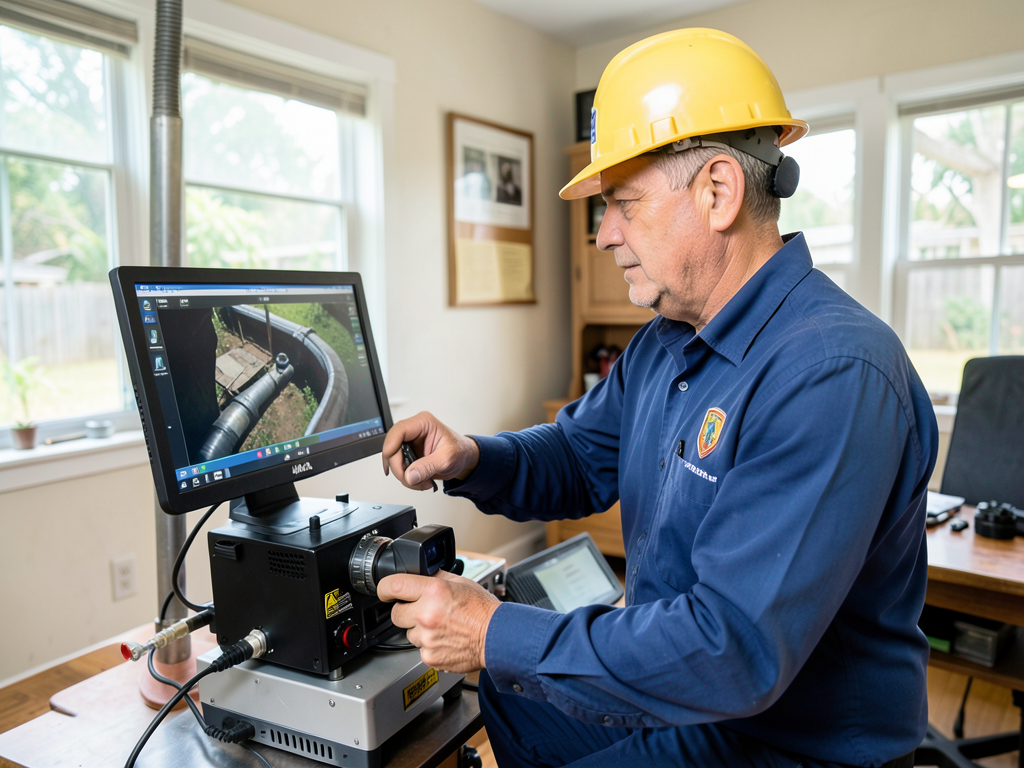
For gas leak repair, we use electronic gas detectors and pressure testing equipment to pinpoint the exact location of leaks. This eliminates guesswork and prevents unnecessary demolition. Once we locate the problem, we determine whether a section can be repaired or if gas line replacement is the safer option. We never patch a compromised line if replacement provides better long-term safety.

Gas piping installation for new appliances or remodels requires careful calculation of BTU demand, proper pipe sizing using IFGC tables, and correct pitch to prevent condensate accumulation. We use CSST (corrugated stainless steel tubing) or black steel pipe depending on the application, run length, and local code requirements. CSST offers flexibility for retrofit installations in tight spaces common to shotgun doubles and raised Creole cottages, while black steel pipe provides durability for exposed commercial runs.

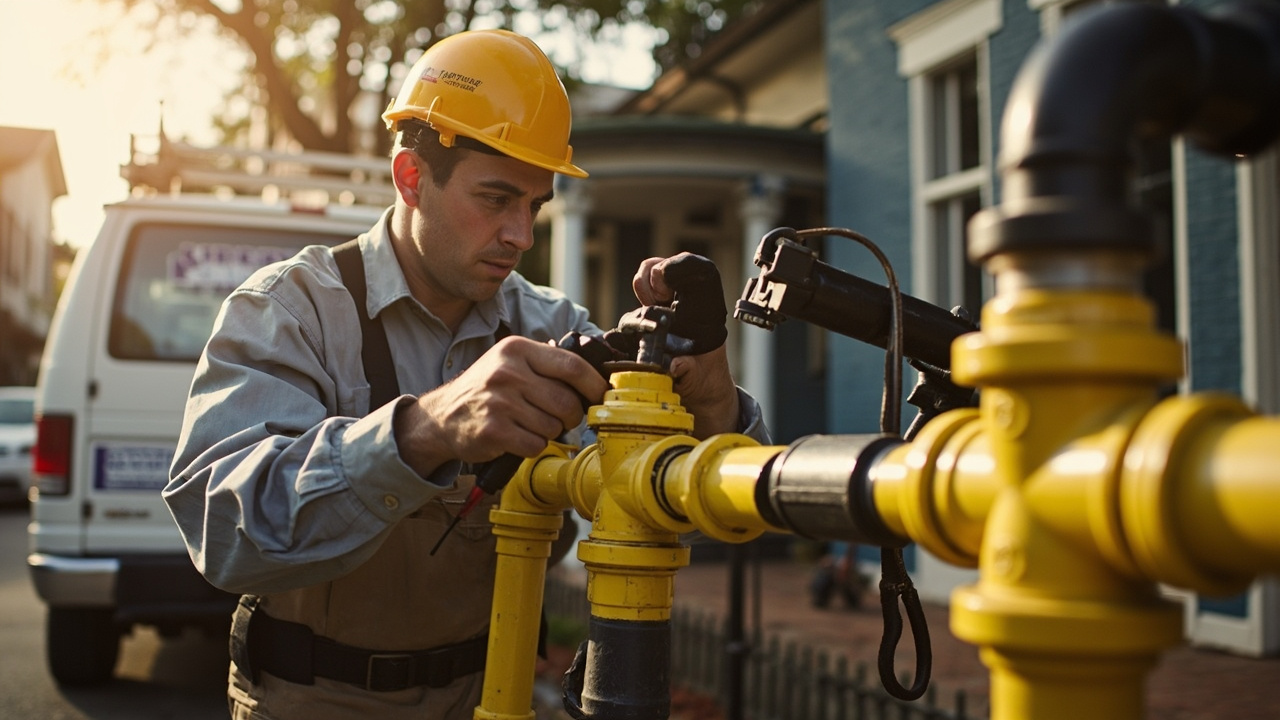
We install dielectric unions where gas piping transitions between dissimilar metals to prevent galvanic corrosion. Every connection is tested at 1.5 times operating pressure for a minimum of 15 minutes. We apply leak detection solution to every joint and fitting. Only after passing inspection do we restore gas service and test each appliance for proper operation and combustion quality.

What Happens During Your Gas Line Service

Gas Line Repair & Installation in New Orleans – Expert Service for Every Gas Appliance and System in Your Home or Business
01

System Assessment and Safety Check

We inspect your entire gas distribution system from the meter to each appliance. This includes checking for proper bonding, adequate ventilation, correct appliance clearances, and signs of previous amateur work. We use manometers to test operating pressure and verify your regulator is functioning correctly. If we detect active leaks or immediate hazards, we shut off gas supply and contact your utility provider if necessary.
02

Repair or Installation Work

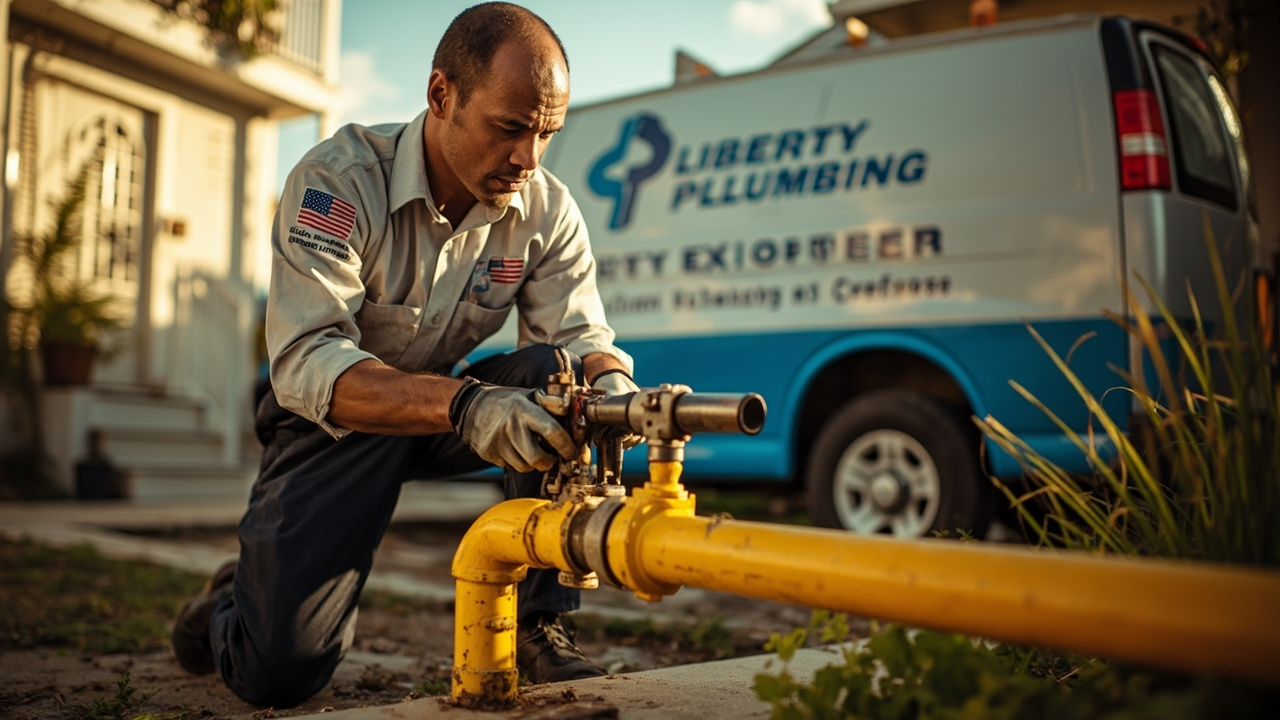
For repairs, we isolate the affected section, remove compromised piping, and install new components using proper joining methods. For new installations, we route pipe along the most direct path while maintaining code-required clearances from electrical components, maintaining proper support spacing, and protecting pipe from physical damage. We install sediment traps at each appliance drop and ball valves for easy shutoff. All work follows Louisiana State Uniform Construction Code requirements.
03

Testing and Documentation

After completing installation or repair, we pressure test the system and hold that pressure while checking every connection with leak detection solution. We document test results, photograph our work, and verify that all appliances ignite properly and burn with correct flame characteristics. You receive documentation of materials used, pressure test results, and any recommendations for future maintenance. We leave your property clean and ensure you understand how to operate any new shutoff valves.

Why New Orleans Properties Need Local Gas Line Expertise

Gas line work in New Orleans presents challenges you will not find in other cities. Our housing stock includes everything from 19th-century shotgun homes to modern construction, each with different gas system configurations and access challenges. Liberty Plumbing New Orleans knows how to work within the tight crawl spaces of raised foundations common throughout the city, navigate the complex piping layouts in converted double-gallery homes, and address the corrosion issues accelerated by our coastal humidity.

We understand local code enforcement expectations. New Orleans and Jefferson Parish have specific permitting requirements for gas line work. We handle permit applications, coordinate inspections, and ensure your work passes the first time. This protects your property insurance coverage and prevents problems during real estate transactions.

Our familiarity with Entergy Gas and Atmos Energy procedures streamlines the process when utility coordination is required. We know their meter placement standards, pressure requirements, and reconnection protocols. This prevents delays that leave you without gas service longer than necessary.

Foundation movement is a constant factor in New Orleans. The clay soil throughout the metro area expands when wet and contracts during dry periods, causing settling that can stress rigid gas piping. We design installations with appropriate flexibility and support to accommodate normal building movement. We also recognize when foundation issues require structural intervention before gas line work proceeds.

We stock materials suited to local conditions. The pipe, fittings, and joining compounds we use resist the corrosion promoted by high humidity and salt air intrusion from the Gulf. This extends system life and reduces the likelihood of future leaks caused by material degradation.

What You Can Expect From Our Gas Line Services

Response Time and Scheduling

For active gas leaks, we provide emergency response. Safety comes first. For planned installations or non-emergency repairs, we schedule at your convenience and arrive within the promised window. Most residential gas pipe repair jobs are completed within a few hours. Larger gas piping installation projects for new construction or commercial properties may require multiple days depending on system complexity and inspection scheduling. We coordinate with inspectors to minimize delays and keep your project moving forward. You receive clear timeline expectations during your initial consultation, and we communicate immediately if conditions require schedule adjustments.

Initial Evaluation Process

We start with questions about your current system, symptoms you have noticed, and your goals if this is a new installation or upgrade. We inspect visible gas piping, check appliance connections, test operating pressure, and assess overall system condition. For new installations, we calculate total BTU load for all current and planned appliances to ensure proper sizing. We measure run lengths, identify routing challenges, and determine the best materials for your application. You receive a detailed explanation of what we found, what work is required, and what options exist for addressing any problems. We answer your questions and ensure you understand the scope before work begins.

Quality of Final Installation

Every gas line we install or repair meets current code standards regardless of when your home was built. Connections are clean, properly supported, and protected from damage. Pipe runs follow logical paths with minimal joints. Valves operate smoothly. Labels clearly identify shutoff locations. We test every appliance after restoring gas service to verify proper ignition, flame characteristics, and safe operation. Your system will pass inspection because we build it right the first time. You get a safe, reliable gas distribution system that will serve you for decades with proper maintenance. We take pride in installations that other plumbers will admire when they see them years later.

Follow-Up and Maintenance Guidance

After completing your gas line work, we provide guidance on what to monitor and when to call for professional inspection. We recommend annual appliance servicing to catch small issues before they become expensive problems. Gas systems require minimal maintenance, but appliances connected to them benefit from regular cleaning and adjustment. We remain available for questions about your system and respond quickly if you detect any concerns. If you add new gas appliances in the future, we assess whether your existing gas piping can handle the additional load or if upgrades are needed. Our relationship does not end when we finish the installation. We are your long-term resource for all gas line needs.

Frequently Asked Questions

You Have Questions,
We Have Answers

How much does it cost to have a gas line repaired? +

Gas line repair costs in New Orleans vary based on the problem. A simple leak repair on an accessible line might run lower, while extensive work involving digging through concrete slabs or running new sections of pipe costs more. Factors include pipe material, location accessibility, and whether you need emergency service. New Orleans homes with older cast iron or steel pipes often require more complex fixes due to corrosion from high humidity. Labor, permits, and pressure testing add to the final bill. Get multiple quotes from licensed plumbers who understand local code requirements.

Do plumbers or HVAC run gas lines? +

Both licensed plumbers and HVAC technicians can run gas lines in New Orleans, but plumbers handle most residential gas pipe installations. Plumbers specialize in pressurized piping systems and know local code requirements for sizing and placement. HVAC techs typically connect appliances to existing lines when installing furnaces or water heaters. For new construction or extensive gas line work, you want a plumber with gas fitting experience. Louisiana requires specific licensing for gas work. Always verify the contractor holds proper credentials and pulls permits through the city.

How much does it cost for gas installation? +

Gas installation costs depend on project scope. Installing a line for a single appliance like a stove or tankless water heater costs less than running multiple lines for a whole-home conversion. Distance from the meter, pipe material choice, wall or slab penetration, and permit fees affect pricing. In New Orleans, foundation types matter. Pier and beam homes allow easier access than slab foundations. Commercial-grade black iron pipe costs more than flexible CSST but lasts longer in our humid climate. Pressure testing and inspection fees add to total costs.

Who do you call to put in a gas line? +

Call a licensed plumber who specializes in gas line installation. In New Orleans, you need a contractor familiar with local building codes and permit requirements through the city's Safety and Permits office. The plumber should pull permits, size the line correctly for your appliances, install to code, and arrange the required pressure test and inspection. For commercial properties, verify the contractor has commercial gas fitting experience. Never hire unlicensed workers for gas work. The risks of improper installation include leaks, explosions, and carbon monoxide poisoning.

Can a plumber fix a gas line? +

Yes, licensed plumbers fix gas lines, and they are the primary trade you should call for gas pipe repairs in New Orleans. Plumbers handle pressurized piping systems daily and understand gas line codes, materials, and safety protocols. They can locate leaks using detection equipment, replace corroded sections, upgrade fittings, and test the system for pressure integrity. Louisiana requires specific certification for gas work beyond a basic plumbing license. Always verify your plumber holds the proper credentials. Gas leaks demand immediate professional attention due to explosion and poisoning risks.

Why is the gas line so expensive? +

Gas line work costs more because of strict safety requirements and specialized skills. Licensed technicians must understand combustible gas codes, proper pipe sizing for BTU loads, pressure testing protocols, and leak detection methods. Materials like black iron or CSST piping cost more than standard water pipes. Permit fees, mandatory inspections, and liability insurance add expense. In New Orleans, digging through slabs or navigating crawlspaces in older homes increases labor time. The stakes are high. Improper gas work causes explosions, fires, and carbon monoxide deaths. You pay for expertise and safety.

Do natural gas lines need to be replaced? +

Yes, natural gas lines eventually need replacement. Steel and iron pipes corrode over time, especially in New Orleans where high humidity accelerates rust. Older homes built before 1970 often have undersized lines or outdated fittings that do not meet current codes. If you smell gas frequently, see visible corrosion, or add new appliances that exceed your line's capacity, replacement makes sense. Underground lines shift in our clay soils and can develop stress cracks. During major renovations, upgrade old gas piping to modern materials like CSST or schedule 40 black iron.

Do electricians do gas lines? +

No, electricians do not install or repair gas lines. Gas piping requires specific licensing separate from electrical work. In Louisiana, only licensed plumbers with gas fitting credentials can legally work on natural gas or propane systems. The skills do not overlap. Electricians handle wiring, panels, and circuits. Plumbers handle pressurized pipe systems and combustible gases. Some contractors hold multiple licenses, but the work must be performed under the appropriate license. Never let an electrician touch your gas lines. It is illegal, dangerous, and voids your homeowner's insurance if something goes wrong.

Who gets paid more, HVAC or plumbers? +

This question misses the point for homeowners in New Orleans. Both trades earn solid livings, but pay varies by experience, specialization, and whether they own a business. What matters for your project is hiring the right trade. Plumbers handle gas lines, water systems, and drainage. HVAC techs handle heating, cooling, and ventilation. For gas line repair or installation, you need a licensed plumber. Comparing wages does not help you solve your problem. Focus on finding a qualified, insured contractor who pulls permits and follows local codes.

Who is responsible for the gas pipe to my meter? +

The gas utility company owns and maintains the line from the street main to your meter. You own everything after the meter, including the piping into your home and to each appliance. In New Orleans, Entergy manages most natural gas service. If you smell gas near the meter or street, call Entergy immediately. They respond to leaks on their side at no charge. For leaks inside your home or past the meter outlet, you hire a licensed plumber. Know where your responsibility starts. Keep the area around your meter clear and accessible.

How New Orleans's Climate and Construction History Affect Gas Line Longevity

The combination of high humidity, seasonal flooding risk, and soil instability creates a challenging environment for underground gas piping in New Orleans. Many homes in Gentilly, Lakeview, and eastern New Orleans experienced flooding during Katrina, which can compromise buried gas lines through soil erosion and differential settling. The city's extensive use of pier and beam foundations means gas lines often run through damp crawl spaces where condensation accelerates corrosion on steel pipe. Neighborhoods with older housing stock frequently have gas piping installed before modern corrosion-resistant materials became standard. These factors make professional gas leak repair and gas line replacement more common here than in cities with stable, dry soil conditions.

Liberty Plumbing New Orleans has built relationships with local inspectors, understands parish-specific permitting processes, and knows the quirks of gas systems in different neighborhood housing types. We recognize when a French Quarter commercial building needs specialized routing to preserve historic architecture, or when a Mid-City raised double requires creative solutions to access buried supply lines. Our familiarity with local utility providers streamlines coordination for meter work and service reconnections. When you choose local gas line plumbers with deep community roots, you get service informed by thousands of repairs across every New Orleans neighborhood and building type. That experience translates to better solutions and fewer complications on your project.
Plumbing Services in The New Orleans Area

Liberty Plumbing proudly serves New Orleans and surrounding areas with dependable plumbing services available 24/7. Use the map below to locate our service area and see how close we are to your home or business. Whether you need emergency repairs or scheduled maintenance, we’re nearby and ready to help. Our team is local, friendly, and always prepared to respond when you need us most. Don’t wait for a plumbing issue to get worse—get fast, professional help from Liberty Plumbing today.

Address:
Liberty Plumbing New Orleans, 201 St Charles Ave, New Orleans, LA, 70170

Additional Services We Offer

Our news updates

Latest Articles & News from The Blogs

Common Plumbing Issues for Homeowners Using Well Water in Rural St. Bernard Parish Living in rural St. Bernard Parish means…

Common Plumbing Issues for Homeowners Using Well Water in Rural St. Bernard Parish

Common Plumbing Issues for Homeowners Using Well Water in Rural St. Bernard Parish Living in rural St. Bernard Parish means…

Dealing with Standing Water in Your Yard After a Typical New Orleans Rainstorm

Dealing with Standing Water in Your Yard After a Typical New Orleans Rainstorm Living in New Orleans means dealing with…

How to Make Your New Orleans Restaurant Bathrooms ADA Compliant

How to Make Your New Orleans Restaurant Bathrooms ADA Compliant Running a restaurant in New Orleans means navigating historic buildings,…

Contact Us

Do not wait for a small gas leak to become a dangerous emergency. Call Liberty Plumbing New Orleans at (985) 279-3332 for professional gas line repair, installation, and inspection services. We respond quickly and fix it right the first time.