
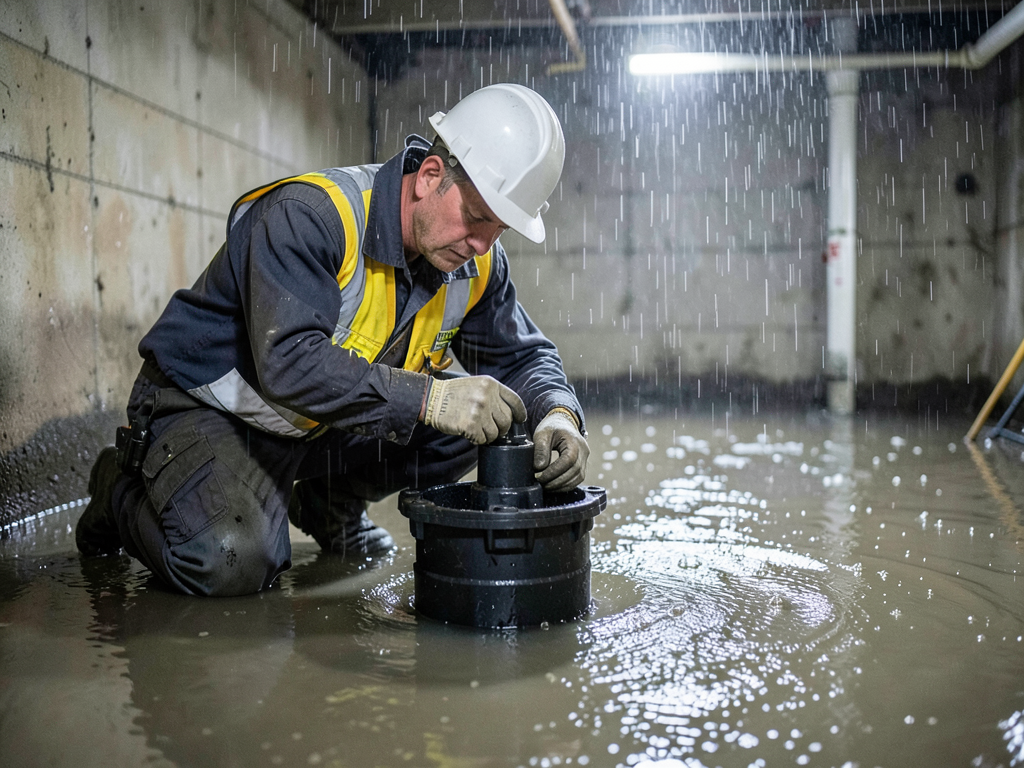
Testing Your Sump Pump Before the Next New Orleans Summer Rainstorm
Living in New Orleans means dealing with intense summer thunderstorms that can dump inches of rain in just hours. Your sump pump is your first line of defense against basement flooding, but it only works if it is functioning properly. Before the next big storm rolls in, take 15 minutes to test your system. This guide shows you exactly how to check your pump, battery backup, and discharge lines using simple tools you likely already own.
Why Testing Your Sump Pump is Critical in South Louisiana
New Orleans sits below sea level in a bowl-shaped topography, surrounded by water on three sides. The city’s aging drainage infrastructure and high water table mean groundwater constantly presses against your foundation. When heavy rains overwhelm the municipal pumps, your sump system becomes the only barrier keeping your basement dry. Fast Tankless Water Heater Installation for New Orleans Residents.
During hurricane season from June through November, power outages happen frequently. If your primary pump fails and your battery backup is dead, you could face thousands in water damage within hours. Testing now prevents emergency calls during the worst possible timing. Who to Call for a 24 Hour Emergency Plumber in New Orleans.
Tools and Safety Precautions Before You Begin
Gather these items before starting:
- 5-gallon bucket or large pitcher
- Flashlight
- Garden hose
- Rubber gloves
- Safety glasses
- Multimeter (optional, for electrical testing)
Safety first. Never touch electrical components with wet hands. If you smell burning or see smoke, stop immediately and call a licensed plumber. Always unplug the pump before inspecting the basin or removing the lid.
Step-by-Step Instructions: The Standard Water Test
The most reliable way to test your sump pump is the water test. This method simulates actual operating conditions and reveals problems you cannot see by just flipping a switch. Fast Water Heater Repair and Replacement Services for Metairie Residents.
Method 1: The Bucket Test
Fill a 5-gallon bucket with water and slowly pour it into the sump pit until the float rises. Listen for the click of the float switch engaging. The pump should start within 5-10 seconds. Watch the water level drop. When it reaches the shut-off point, the pump should stop automatically.
If the pump does not start, check that it is plugged in and that the outlet has power. Test the outlet with a lamp or phone charger. If power is present but the pump does not run, the motor or switch may be faulty.
Method 2: Testing the Float Switch
Lift the float gently with your hand. It should move freely without binding. If the float feels stuck or the pump does not start when lifted, debris in the pit may be preventing proper movement. Clean any sediment, leaves, or small stones from the basin bottom.
For tethered floats, ensure the cord has enough slack to allow full range of motion. A float that sits too high or low indicates improper installation or wear.
Checking Your Battery Backup System
Battery backups are essential in New Orleans where summer storms often knock out power. Locate your backup unit and check the battery indicator light. A green light means the battery is charging properly. Yellow indicates low charge, and red means the battery needs replacement.. Read more about Why Your Old Metairie Home Needs a Backwater Valve to Prevent Sewer Backups During Heavy Rain.
Most backup systems use sealed lead-acid batteries that last 3-5 years. If your battery is older than three years, test it by unplugging your primary pump and pouring water into the pit. The backup should activate within seconds. If it does not, replace the battery before storm season.
Also check the charger. A failing charger can prevent the battery from maintaining charge even if the battery itself is good. Use a multimeter to verify the charger outputs 13.5-14.5 volts when connected.
Troubleshooting: What to Do If Your Pump Fails the Test
If your pump does not start during testing, several issues could be causing the failure. First, check for clogs in the intake screen. Remove the pump and inspect the bottom grate. Use a soft brush to clean away debris. Never use sharp tools that could damage the plastic housing.
Next, examine the discharge pipe outside your home. Make sure the pipe extends at least 10 feet from your foundation and that the exit is not blocked by soil, mulch, or landscaping. A clogged discharge line can cause the pump to run but not remove water effectively.
Listen for unusual noises during operation. Grinding sounds indicate failing bearings. Clicking without pumping suggests a seized motor. Both require professional replacement.
Sump Pump Maintenance Checklist for Hurricane Season
Before June 1st each year, complete this maintenance routine:
- Test both primary and backup pumps using the bucket method
- Clean the sump pit of all debris
- Inspect discharge pipe for blockages or damage
- Check GFCI outlet for proper function
- Verify battery backup charge level
- Ensure float moves freely
- Listen for unusual pump noises
- Test alarm function if equipped
Consider installing a water alarm that sounds when the pit fills beyond normal levels. These devices provide early warning of pump failure and can prevent major flooding.
When to Call a Professional New Orleans Plumber
Some problems require professional expertise. Call a licensed plumber if:
- Your pump fails multiple tests
- You notice rust or corrosion on electrical connections
- The motor runs but does not pump water
- You smell burning during operation
- Your discharge pipe is cracked or improperly sized
- You need to install a new system or replace an old one
Liberty Plumbing serves the Greater New Orleans area with emergency service available 24/7. Our technicians understand local soil conditions, water table levels, and the unique challenges of NOLA drainage systems. Emergency Drain Cleaning Services for Metairie Homeowners and Businesses.
Call (985) 279-3332 today to schedule your sump pump inspection before the next storm hits. Do not wait until water is rising in your basement to discover your pump has failed.
Frequently Asked Questions
How often should I test my sump pump?
Test your sump pump every three to four months and always before hurricane season begins. More frequent testing is wise if you live in low-lying areas or have experienced heavy rains recently.
What size sump pump do I need for my New Orleans home?
Most single-family homes need a 1/3 to 1/2 horsepower submersible pump capable of moving 2,000-3,000 gallons per hour. Homes with larger basements or those in flood-prone areas may require 3/4 horsepower units.
Can I install a sump pump myself?
While DIY installation is possible, New Orleans requires permits for sump pump installations due to local drainage regulations. Professional installation ensures proper sizing, code compliance, and warranty protection.. Read more about Solving Persistent Yard Drainage Issues with a Professional Catch Basin in Kenner.
How long do sump pumps typically last?
Quality sump pumps last 7-10 years with proper maintenance. Harsher conditions like constant operation or power surges can reduce lifespan to 5-7 years. Battery backups typically need replacement every 3-5 years.
What causes sump pumps to fail?
Common failure causes include power outages, float switch malfunctions, clogged intake screens, frozen discharge lines, and motor burnout. Regular testing helps identify these issues before they cause flooding. For more information, visit EPA sump pump efficiency guidelines. For more information, visit National Hurricane Center preparedness checklist.
{
“@context”: “https://schema.org”,
“@type”: “BlogPosting”,
“headline”: “Testing Your Sump Pump Before the Next New Orleans Summer Rainstorm”,
“description”: “Learn how to test your sump pump before hurricane season hits. Our NOLA plumbers show you the bucket test, float switch checks, and backup system inspections.”,
“wordCount”: 1200,
“datePublished”: “2026-06-12T12:42:00.000Z”,
“dateModified”: “2026-06-12T12:42:00.000Z”,
“inLanguage”: “en-US”,
“mainEntityOfPage”: {
“@type”: “WebPage”,
“@id”: “https://libertyplumbingneworleans.com”
},
“publisher”: {
“@type”: “LocalBusiness”,
“name”: “Liberty Plumbing New Orleans”,
“url”: “https://libertyplumbingneworleans.com”
},
“author”: {
“@type”: “Organization”,
“name”: “Liberty Plumbing New Orleans”,
“url”: “https://libertyplumbingneworleans.com”
},
“image”: {
“@type”: “ImageObject”,
“url”: “https://libertyplumbingneworleans.com/wp-content/uploads/2026/03/testing-your-sump-pump-before-the-next-new-orleans-1.png”
}
}
{
“@context”: “https://schema.org”,
“@type”: “Plumber”,
“name”: “Liberty Plumbing New Orleans”,
“url”: “https://libertyplumbingneworleans.com”,
“address”: {
“@type”: “PostalAddress”,
“addressLocality”: “New Orleans”
},
“areaServed”: {
“@type”: “City”,
“name”: “New Orleans”
}
}
{
“@context”: “https://schema.org”,
“@type”: “FAQPage”,
“mainEntity”: [
{
“@type”: “Question”,
“name”: “How often should I test my sump pump?”,
“acceptedAnswer”: {
“@type”: “Answer”,
“text”: “Test your sump pump every three to four months and always before hurricane season begins. More frequent testing is wise if you live in low-lying areas or have experienced heavy rains recently.”
}
},
{
“@type”: “Question”,
“name”: “What size sump pump do I need for my New Orleans home?”,
“acceptedAnswer”: {
“@type”: “Answer”,
“text”: “Most single-family homes need a 1/3 to 1/2 horsepower submersible pump capable of moving 2,000-3,000 gallons per hour. Homes with larger basements or those in flood-prone areas may require 3/4 horsepower units.”
}
},
{
“@type”: “Question”,
“name”: “Can I install a sump pump myself?”,
“acceptedAnswer”: {
“@type”: “Answer”,
“text”: “While DIY installation is possible, New Orleans requires permits for sump pump installations due to local drainage regulations. Professional installation ensures proper sizing, code compliance, and warranty protection.”
}
},
{
“@type”: “Question”,
“name”: “How long do sump pumps typically last?”,
“acceptedAnswer”: {
“@type”: “Answer”,
“text”: “Quality sump pumps last 7-10 years with proper maintenance. Harsher conditions like constant operation or power surges can reduce lifespan to 5-7 years. Battery backups typically need replacement every 3-5 years.”
}
}
]
}
{
“@context”: “https://schema.org”,
“@type”: “BreadcrumbList”,
“itemListElement”: [
{
“@type”: “ListItem”,
“position”: 1,
“name”: “Home”,
“item”: “https://libertyplumbingneworleans.com”
},
{
“@type”: “ListItem”,
“position”: 2,
“name”: “Blog”,
“item”: “https://libertyplumbingneworleans.com/blog”
},
{
“@type”: “ListItem”,
“position”: 3,
“name”: “Testing Your Sump Pump Before the Next New Orleans Summer Rainstorm”
}
]
}
{
“@context”: “https://schema.org”,
“@type”: “Service”,
“serviceType”: “Plumbing”,
“provider”: {
“@type”: “LocalBusiness”,
“name”: “Liberty Plumbing New Orleans”,
“url”: “https://libertyplumbingneworleans.com”
},
“areaServed”: {
“@type”: “City”,
“name”: “New Orleans”
},
“description”: “Learn how to test your sump pump before hurricane season hits. Our NOLA plumbers show you the bucket test, float switch checks, and backup system inspections.”
}