
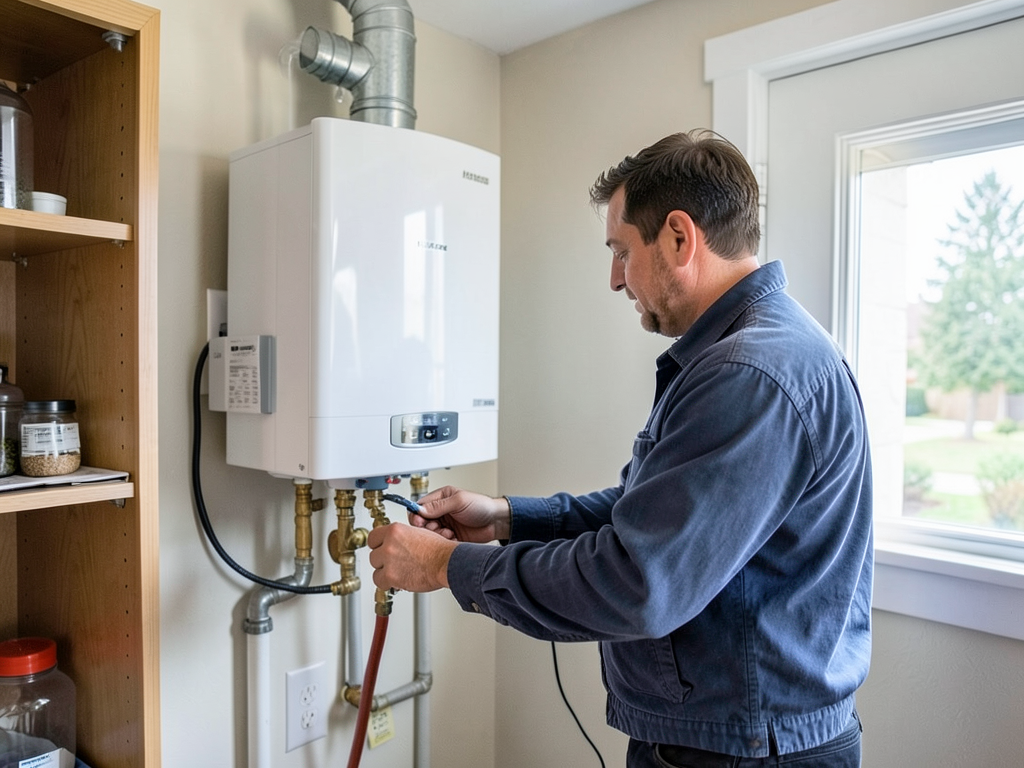
Switching to a Tankless Water Heater in Lakeview for Endless Hot Water
Lakeview homeowners know the frustration of running out of hot water during busy mornings or after hosting guests. A tankless water heater delivers continuous hot water on demand while saving space and reducing energy bills. For Lakeview’s mix of mid-century homes and newer constructions, upgrading to tankless technology means never waiting for a tank to refill again.. Read more about Is Your Algiers Water Heater Leaking? Here Is Who to Call for Repairs.
How Tankless Water Heaters Work in Lakeview Homes
Tankless units heat water directly as it flows through the system using high-powered burners or electric coils. When you turn on a hot water tap, cold water travels through a heat exchanger where it reaches your desired temperature instantly. Unlike traditional tanks that store 40-50 gallons and constantly reheat it, tankless systems activate only when needed, eliminating standby heat loss.
Lakeview’s water pressure typically ranges from 40-60 PSI, which works well for most tankless units. The system measures flow rate in gallons per minute (GPM), and proper sizing ensures your household never experiences temperature drops during simultaneous use. A family of four in Lakeview usually needs a unit providing 8-10 GPM to handle multiple showers, dishwasher, and washing machine operation. Shower & Bathtub Plumbing.
Installation Process and Requirements
Professional installation involves several critical steps specific to Lakeview’s housing stock. Most homes built before 2000 have ½-inch gas lines that need upgrading to ¾-inch to handle the higher BTU demands of tankless units. The venting system must use Category III stainless steel pipe to handle the high-temperature exhaust gases safely.. Read more about Keeping Your Lakeview Home Dry with a Professional Sump Pump Installation.
Mounting location matters in Lakeview where many homes have limited utility space. Wall-mounted units free up floor space previously occupied by bulky tanks. The installation requires proper clearance from windows, doors, and combustible materials. Electrical upgrades often include dedicated 120V circuits for the digital controller and freeze protection features.
Energy Efficiency and Cost Savings
Tankless water heaters achieve 95% efficiency compared to 60-70% for traditional tanks. This translates to 30-50% reduction in water heating costs for Lakeview homeowners. The units qualify for federal energy tax credits covering up to 30% of installation costs through 2026, plus local utility rebates that can add another $300-500 in savings.
Hard water from Lake Pontchartrain’s source creates mineral buildup that affects efficiency. Lakeview’s water contains approximately 150-200 PPM calcium carbonate, requiring annual descaling to maintain optimal performance. Professional maintenance includes flushing the heat exchanger with food-grade citric acid solution to remove scale deposits that can reduce efficiency by 25% over three years.
Space and Design Benefits
Traditional 50-gallon tanks measure 60 inches tall by 24 inches wide, requiring dedicated closet or garage space. Tankless units measure just 28 inches high by 20 inches wide by 10 inches deep, mounting flush against walls. This space savings proves valuable in Lakeview’s older homes where closet space comes at a premium.
Multiple unit configurations handle larger homes without the long wait times of single-tank systems. Installing units near high-demand areas like master bathrooms eliminates the cold water sandwich effect where temperature fluctuates during initial use. Digital controllers allow temperature adjustment from multiple locations, perfect for households with varying hot water preferences.
Lifespan and Reliability Factors
Quality tankless units last 20-25 years with proper maintenance, compared to 8-12 years for traditional tanks. The heat exchanger carries a 15-year warranty when installed by certified technicians. Lakeview’s humidity levels require additional considerations like condensate drainage and freeze protection for outdoor installations.
Power outage readiness differs between systems. Traditional tanks provide limited emergency hot water during outages, while tankless units require electricity for operation. Battery backup systems can maintain critical functions like freeze protection during brief outages common during summer thunderstorms. Who to Call for a 24 Hour Emergency Plumber in New Orleans.
Environmental Impact
Tankless systems reduce carbon emissions by 50-60% compared to traditional heating methods. The on-demand operation means less wasted energy heating water that sits unused. Lakeview homeowners concerned about environmental impact appreciate the reduced water waste since tankless units eliminate the need to run water until it heats up.
Recycling old tanks prevents landfill waste. The steel components and insulation materials from removed tanks get processed for reuse. Many Lakeview plumbing contractors partner with recycling facilities to ensure responsible disposal of replaced equipment. Plumbing Slidell.
Common Lakeview Installation Scenarios
Mid-century ranch homes in Lakeview often have ideal conditions for tankless upgrades. These homes typically have accessible attics or crawl spaces for venting runs. The 4800 block of Harrison Avenue features many homes where tankless installations replaced failing 15-year-old tanks, freeing up valuable laundry room space.
Newer constructions on the West End Boulevard corridor often include pre-plumbing for future tankless installation. Builders leave space and run larger gas lines during initial construction, making the upgrade process straightforward. These homes benefit from the space efficiency without major retrofitting requirements. Plumbing Estelle.
Maintenance Requirements
Annual maintenance includes cleaning the inlet filter screen to prevent debris from entering the heat exchanger. Lakeview’s water quality means sediment buildup occurs faster than in areas with softer water. Professional technicians check gas pressure, inspect venting for corrosion, and test the pressure relief valve during routine service calls.
Descaling frequency depends on water hardness and usage patterns. Homes using over 80 gallons daily require bi-annual descaling to prevent efficiency losses. The process takes 60-90 minutes and costs $150-200, significantly less than the energy waste from neglected scale buildup.
Cost Considerations
Installation costs range from $2,500-4,500 depending on complexity. Basic replacements in homes with existing gas service run toward the lower end. Complex installations requiring electrical upgrades, gas line replacement, or new venting push costs higher. The investment typically pays for itself within 3-5 years through energy savings.
Monthly operating costs average $15-25 for a family of four, compared to $30-45 for traditional tank systems. The difference becomes more pronounced in Lakeview where summer humidity increases standby heat loss in poorly insulated areas.
Choosing the Right Size
Proper sizing prevents performance issues. A 5 GPM unit handles one shower and one sink simultaneously. 8-10 GPM units support two showers plus appliances. 11+ GPM systems handle luxury homes with multiple bathrooms and high-demand fixtures like spa tubs.
Temperature rise calculations matter. Lakeview’s groundwater enters at approximately 65°F. A unit must raise this to 120°F, requiring a 55°F temperature rise. This affects sizing compared to northern climates where groundwater starts at 45°F.
Safety Features
Modern units include multiple safety systems. Overheat protection shuts down the unit if water exceeds 180°F. Freeze protection activates electric elements when temperatures drop below 40°F. Flame failure devices cut gas supply if the burner doesn’t ignite properly.
Carbon monoxide detectors become mandatory with gas installations. Lakeview building codes require placement within 15 feet of bedrooms in homes with gas appliances. The venting system must maintain proper clearances to prevent backdrafting of exhaust gases.
Commercial Applications
Local businesses benefit from tankless technology. Coffee shops along Harrison Avenue install point-of-use units at espresso stations for instant hot water. Restaurants use multiple units to handle dishwashing and hand-washing demands without the recovery time of traditional tanks.
Office buildings in Lakeview’s commercial corridor save space in mechanical rooms by replacing multiple tanks with centralized tankless systems. The modular nature allows adding capacity as business grows without replacing entire systems.
Future Technology Trends
Smart controls integrate with home automation systems. Mobile apps allow remote temperature adjustment and usage monitoring. Some units learn household patterns and preheat water during expected high-demand periods.
Hybrid systems combine tankless with small buffer tanks to eliminate cold water sandwich effects. These units provide the efficiency of tankless with the comfort of traditional systems for homes with inconsistent hot water demands.
Making the Switch
Start with a professional assessment of your current system. A licensed plumber evaluates gas service capacity, venting options, and household hot water demands. They calculate the return on investment based on your specific usage patterns and local utility rates.
Consider timing your upgrade before your current tank fails. Emergency replacements often lead to rushed decisions and higher costs. Planning allows for proper sizing and minimizes disruption to your household routine.
Frequently Asked Questions
How long does installation take?
Most replacements complete in 4-6 hours. Complex installations requiring gas line upgrades or new venting may take 1-2 days.
Can I install it myself?
Professional installation ensures proper venting, gas connections, and code compliance. DIY installation voids warranties and creates safety hazards.
What maintenance is required?
Annual professional service plus monthly cleaning of inlet filters keeps the system running efficiently. Descaling frequency depends on water hardness.
Ready to Upgrade Your Lakeview Home?
Endless hot water and lower energy bills await with the right tankless water heater installation. Lakeview’s unique housing stock and water conditions require experienced local professionals who understand the specific challenges of your home.
Call (985) 279-3332 today to schedule your free assessment. Our licensed technicians will evaluate your current system, explain your options, and provide a detailed quote with no pressure. Don’t wait for your old tank to fail during your next busy morning.
Pick up the phone and call (985) 279-3332 now to discover how tankless technology can transform your home’s hot water experience. We serve all of Lakeview with same-day service availability and emergency support when you need it most. For more information, visit U.S. Department of Energy tankless water heater guide. For more information, visit EPA WaterSense program.
{
“@context”: “https://schema.org”,
“@type”: “BlogPosting”,
“headline”: “Switching to a Tankless Water Heater in Lakeview for Endless Hot Water”,
“description”: “Learn how tankless water heaters solve Lakeview’s hot water demands with energy savings and space efficiency. Discover installation costs, benefits, and local expert service.”,
“wordCount”: 1554,
“datePublished”: “2026-02-24T15:30:00.000Z”,
“dateModified”: “2026-02-24T15:30:00.000Z”,
“inLanguage”: “en-US”,
“mainEntityOfPage”: {
“@type”: “WebPage”,
“@id”: “https://libertyplumbingneworleans.com”
},
“publisher”: {
“@type”: “LocalBusiness”,
“name”: “Liberty Plumbing New Orleans”,
“url”: “https://libertyplumbingneworleans.com”
},
“author”: {
“@type”: “Organization”,
“name”: “Liberty Plumbing New Orleans”,
“url”: “https://libertyplumbingneworleans.com”
},
“image”: {
“@type”: “ImageObject”,
“url”: “https://libertyplumbingneworleans.com/wp-content/uploads/2026/03/switching-to-a-tankless-water-heater-in-lakeview-f-1.png”
}
}
{
“@context”: “https://schema.org”,
“@type”: “Plumber”,
“name”: “Liberty Plumbing New Orleans”,
“url”: “https://libertyplumbingneworleans.com”,
“address”: {
“@type”: “PostalAddress”,
“addressLocality”: “New Orleans”
},
“areaServed”: {
“@type”: “City”,
“name”: “New Orleans”
}
}
{
“@context”: “https://schema.org”,
“@type”: “FAQPage”,
“mainEntity”: [
{
“@type”: “Question”,
“name”: “How long does installation take?”,
“acceptedAnswer”: {
“@type”: “Answer”,
“text”: “Most replacements complete in 4-6 hours. Complex installations requiring gas line upgrades or new venting may take 1-2 days.”
}
},
{
“@type”: “Question”,
“name”: “Can I install it myself?”,
“acceptedAnswer”: {
“@type”: “Answer”,
“text”: “Professional installation ensures proper venting, gas connections, and code compliance. DIY installation voids warranties and creates safety hazards.”
}
},
{
“@type”: “Question”,
“name”: “What maintenance is required?”,
“acceptedAnswer”: {
“@type”: “Answer”,
“text”: “Annual professional service plus monthly cleaning of inlet filters keeps the system running efficiently. Descaling frequency depends on water hardness.”
}
},
{
“@type”: “Question”,
“name”: “Ready to Upgrade Your Lakeview Home?”,
“acceptedAnswer”: {
“@type”: “Answer”,
“text”: “Endless hot water and lower energy bills await with the right tankless water heater installation. Lakeview’s unique housing stock and water conditions require experienced local professionals who understand the specific challenges of your home.”
}
}
]
}
{
“@context”: “https://schema.org”,
“@type”: “BreadcrumbList”,
“itemListElement”: [
{
“@type”: “ListItem”,
“position”: 1,
“name”: “Home”,
“item”: “https://libertyplumbingneworleans.com”
},
{
“@type”: “ListItem”,
“position”: 2,
“name”: “Blog”,
“item”: “https://libertyplumbingneworleans.com/blog”
},
{
“@type”: “ListItem”,
“position”: 3,
“name”: “Switching to a Tankless Water Heater in Lakeview for Endless Hot Water”
}
]
}
{
“@context”: “https://schema.org”,
“@type”: “Service”,
“serviceType”: “Plumbing”,
“provider”: {
“@type”: “LocalBusiness”,
“name”: “Liberty Plumbing New Orleans”,
“url”: “https://libertyplumbingneworleans.com”
},
“areaServed”: {
“@type”: “City”,
“name”: “New Orleans”
},
“description”: “Learn how tankless water heaters solve Lakeview’s hot water demands with energy savings and space efficiency. Discover installation costs, benefits, and local expert service.”
}