
Picking the Right Sump Pump for Your Belle Chasse Property
Living in Belle Chasse means dealing with one of the highest water tables in Plaquemines Parish. Your home sits just miles from the Mississippi River and surrounded by marshland where groundwater can rise quickly during heavy rains or storm surge. A properly sized and installed sump pump isn’t just a convenience here—it’s your first line of defense against flooding that could damage your foundation, ruin your belongings, and create dangerous mold conditions in your crawl space or basement. Plaquemines Parish Ordinance No. 2021-08.
The right sump pump for your Belle Chasse property needs to handle our unique combination of heavy rainfall, high humidity, and occasional power outages during hurricane season. Most homeowners don’t realize that a standard 1/3 HP pump often struggles when our local soil becomes saturated after a tropical storm. You need equipment built for these conditions with the right horsepower, construction material, and backup power system to keep your home dry when it matters most.
Why Belle Chasse Homes Require Specialized Sump Pump Solutions
Belle Chasse sits in a low-lying area where the water table can be just a few feet below the surface during wet seasons. This means your sump pit may fill with water even on dry days, and during heavy rains the system works overtime to keep up. The soil here is mostly silt and clay from the Mississippi’s alluvial deposits, which drains slowly and can hold water against your foundation for days after a storm passes. Fast Tankless Water Heater Installation for New Orleans Residents.
Our local building codes under Plaquemines Parish Ordinance No. 2021-08 require sump pump discharge to be directed at least five feet from the foundation and away from neighboring properties. This matters because improper discharge can cause water to cycle back into your pit, making your pump run continuously and burn out prematurely. The humid coastal air also accelerates corrosion on cheap pumps, which is why cast iron construction is worth the extra cost in our climate. Fast Water Heater Repair and Replacement Services for Metairie Residents.
During hurricane season, Belle Chasse often experiences power outages that can last hours or even days. When your primary electric pump stops working, water has nowhere to go and can quickly rise above the pit level. This is why every local plumber recommends a battery backup system as standard equipment, not an optional upgrade. The cost of preventing one flood far outweighs the investment in proper protection. Who to Call for a 24 Hour Emergency Plumber in New Orleans.
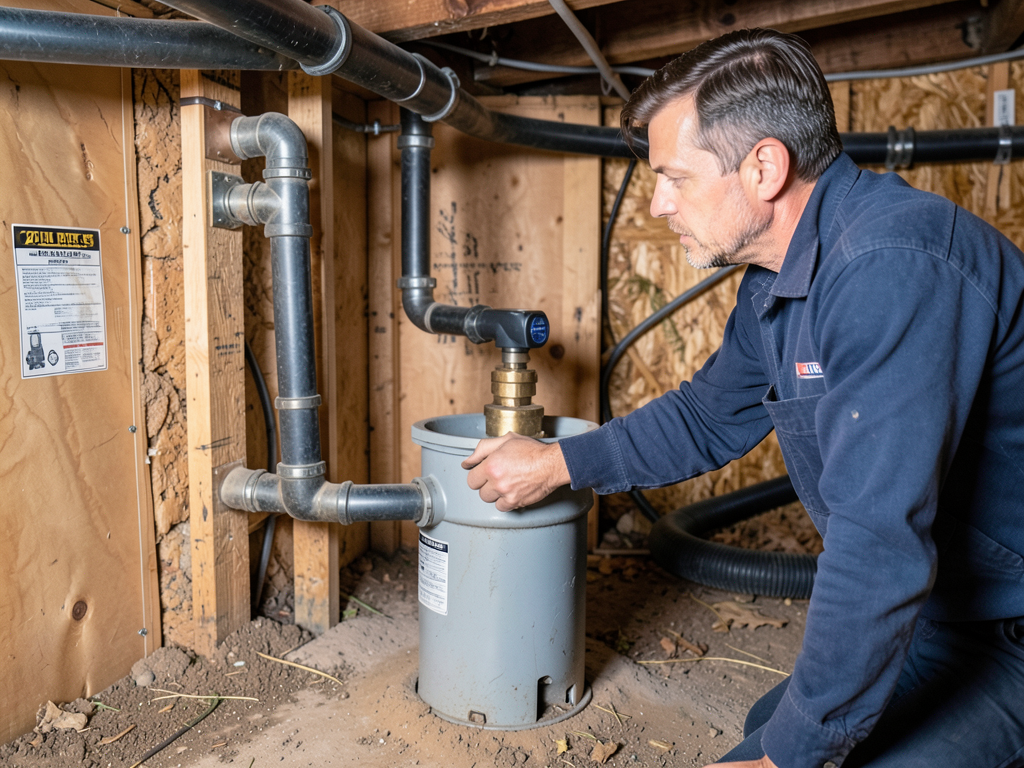
Top 3 Sump Pump Recommendations for New Orleans & Belle Chasse
Based on 15 years of installing pumps in Plaquemines Parish, these three systems represent the best balance of reliability, capacity, and value for our local conditions. Each serves a different need, from basic protection to whole-home flood defense.
| Category | Recommended Model | Key Features | Best For |
|---|---|---|---|
| Workhorse | Zoeller M53 Mighty-Mate | 1/3 HP cast iron, 43 GPM, vertical float | Standard homes with moderate water table |
| Powerhouse | 1/2 HP cast iron, 60 GPM, dual float | Larger homes or high water table areas | |
| Safeguard | Wayne WSS30V with battery backup | 1/2 HP + 12V backup, 75 GPM total | Hurricane-prone properties needing redundancy |
The Zoeller M53 has proven itself in hundreds of Belle Chasse installations since the 1980s. Its simple design with a vertical float switch resists jamming from silt, and the cast iron housing withstands our humid conditions without corroding like cheaper plastic models. For most single-story homes on standard lots, this pump moves enough water to handle typical rainfall events.
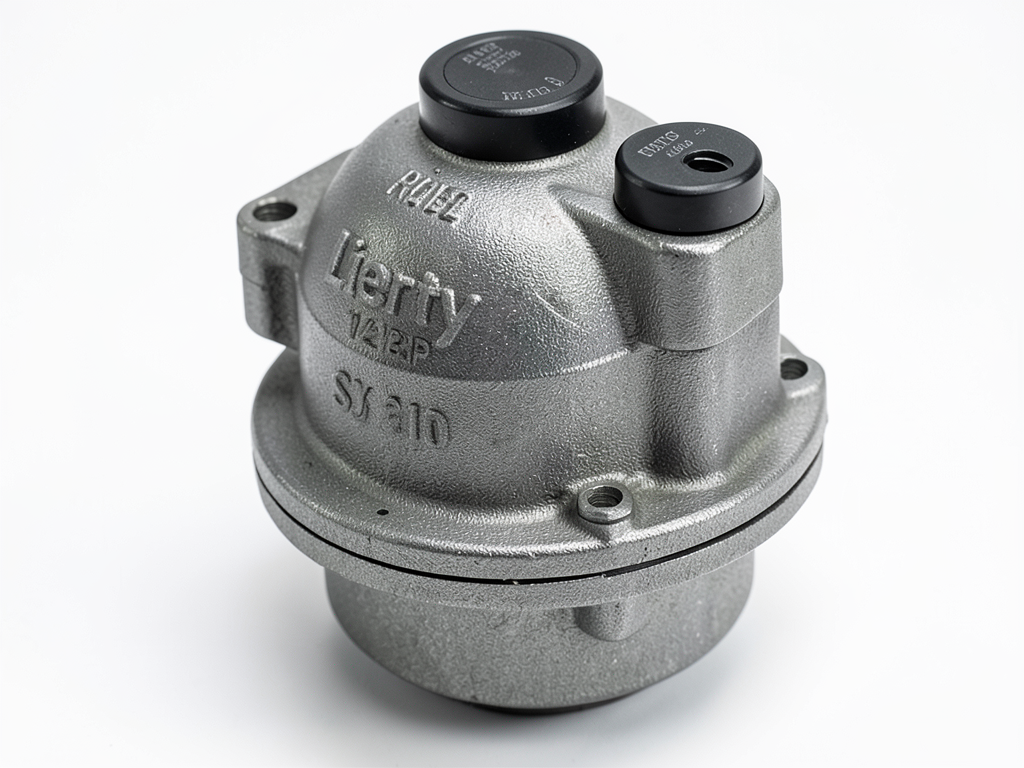
Larger properties or homes with finished basements often need the extra capacity of a 1/2 HP pump. The Liberty SJ10 delivers 60 gallons per minute compared to the M53’s 43 GPM, which makes a significant difference when water is rising quickly. The dual float switch provides redundancy—if one fails, the other still activates the pump.
During hurricane season, the Wayne WSS30V with integrated battery backup becomes essential. When the power goes out, the 12-volt backup pump automatically takes over, providing up to 10 hours of continuous operation. For Belle Chasse residents who’ve experienced the frustration of a failed primary pump during a storm, this combination system eliminates the single point of failure.
Key Features to Look For: GPM, Horsepower, and Construction
Understanding pump specifications helps you make an informed decision rather than guessing at the store. The most important number is gallons per minute (GPM) rating, which tells you how much water the pump can move in one minute. For Belle Chasse’s conditions, you need at least 2,400 gallons per hour (GPH) capacity to handle a typical 1-inch rainfall on a 2,000 square foot roof.
Horsepower directly affects both capacity and durability. A 1/3 HP pump works for many homes but struggles when the water table is high or during prolonged rain events. The 1/2 HP models cost about 20% more but provide 40% more pumping capacity and typically last 2-3 years longer in our humid environment. The larger motor also handles debris better without clogging.
Construction material makes a huge difference in our coastal climate. Cast iron housing resists corrosion from salt air and high humidity, while plastic housings can crack or become brittle within 3-5 years. The switch mechanism matters too—vertical float switches are more reliable than tethered floats in silt-heavy water, and dual float systems provide backup if one fails.
Check valve installation is often overlooked but critical. A quality check valve prevents water from flowing back into the pit after the pump shuts off, which would make it cycle on and off rapidly and burn out the motor. The valve should be installed on the discharge pipe within 6 inches of the pump outlet, using a union connection for easy maintenance.
Professional Installation vs. DIY in a Flood Zone
Installing a sump pump might seem straightforward, but in Belle Chasse’s flood-prone environment, mistakes can be costly. Professional installation ensures proper pit depth, correct discharge routing, and compliance with local building codes. A DIY installation that violates Plaquemines Parish codes could void your flood insurance coverage if water damage occurs.
The installation process starts with determining the right pit size. A standard 18-inch diameter pit works for most homes, but if your water table is exceptionally high, a wider pit prevents the pump from cycling too frequently. The pit should be deep enough to allow for proper drainage around the foundation—typically 24 to 30 inches deep depending on your soil conditions. Emergency Drain Cleaning Services for Metairie Homeowners and Businesses.
Discharge routing requires careful planning to avoid creating new problems. Water must flow away from your foundation by gravity, which means the discharge pipe needs a continuous downward slope. In Belle Chasse, where yards can be nearly flat, this often requires extending the pipe farther from the house or using a dry well to disperse the water underground.
Electrical requirements are another area where DIYers often make mistakes. Sump pumps need a dedicated GFCI-protected circuit to prevent shock hazards in wet environments. The outlet should be installed above the high-water mark but within reach of the pump’s power cord. Battery backup systems require additional wiring and periodic battery replacement every 3-5 years.
Professional installers also test the entire system before leaving, checking for proper operation, verifying that the check valve works correctly, and ensuring the alarm system (if included) functions. This testing phase catches problems that might not appear until the next heavy rain, when it’s too late to fix them easily.
Sump Pump Maintenance Tips for the Hurricane Season
Regular maintenance prevents the most common cause of sump pump failure: neglect. In Belle Chasse’s humid climate, debris and silt can accumulate quickly in the pit, and switches can corrode from salt air exposure. A simple maintenance routine takes less than 30 minutes but can save you thousands in water damage repairs. EPA sump pump discharge guidelines.
Test your pump every three months by pouring a bucket of water into the pit until the float rises and activates the pump. Listen for unusual noises like grinding or rattling, which indicate bearing wear or debris in the impeller. The pump should start quickly and shut off promptly when the water level drops. If it runs continuously or hesitates to start, service is needed.
Clean the pit annually by removing all water and debris, then wiping down the interior walls. Check the inlet screen on the pump for clogs from silt or small stones. In our area, this screen often needs cleaning every six months due to the fine sediment in our soil. A clogged inlet reduces pumping capacity by up to 50%.
Battery backup systems require specific attention since they’re often forgotten until a storm hits. Test the backup pump monthly by unplugging the primary pump and adding water to the pit. Check battery water levels every six months and replace batteries every three to five years regardless of apparent function. A dead backup battery during a hurricane is the same as having no backup at all.
During hurricane season, which runs June through November in Louisiana, increase your inspection frequency to monthly. Keep the area around the discharge pipe clear of debris that could block water flow. Consider installing a water alarm that alerts you if the pit fills above normal levels, giving you time to address problems before flooding occurs.
Document your maintenance with photos and notes. This record helps you track when components need replacement and provides valuable information if you ever need to file an insurance claim for water damage. Many insurance companies now offer premium discounts for documented sump pump maintenance.
- Visual Inspection
Remove the pit cover and check for debris, proper float position, and any visible damage to the pump or wiring.
- Water Test
Gradually pour 5 gallons of water into the pit until the float activates the pump. Verify it starts quickly and shuts off when water level drops.
- Backup Test
Unplug the primary pump and repeat the water test to confirm the battery backup activates properly.
- Discharge Check
Observe the discharge point outside to ensure water flows freely and doesn’t pool near the foundation.
Frequently Asked Questions
How long should a sump pump last in Belle Chasse?
Quality cast iron pumps typically last 7-10 years in our humid climate, while cheaper plastic models may fail in 3-5 years. Battery backups need replacement every 3-5 years regardless of use. Regular maintenance can extend pump life by 2-3 years.
Can I install a sump pump myself to save money?
While possible, DIY installation risks code violations, improper discharge routing, and electrical hazards. In Belle Chasse’s flood-prone area, professional installation ensures compliance with Plaquemerms Parish codes and proper system sizing for local conditions.
What size pump do I need for my Belle Chasse home?
Most single-story homes need at least 1/3 HP capacity (2,400 GPH), but homes with high water tables or finished basements should consider 1/2 HP (3,600+ GPH). The Liberty SJ10 or Wayne WSS30V with battery backup are recommended for our area.
Don’t wait for the next heavy rain to discover your sump pump isn’t up to the task. Belle Chasse’s high water table and hurricane season demand reliable flood protection. Call (985) 279-3332 today to schedule your sump pump inspection and get a free quote on upgrading to a system built for our local conditions. Your home deserves protection that works when you need it most.
Liberty Plumbing serves Belle Chasse and all of Plaquemines Parish with 24/7 emergency service. We understand the unique challenges of keeping homes dry in our coastal environment and stand behind every installation with our satisfaction guarantee. Don’t let water damage become your next emergency—call now while the sun is shining. Plumbing Slidell.
{
“@context”: “https://schema.org”,
“@type”: “BlogPosting”,
“headline”: “Picking the Right Sump Pump for Your Belle Chasse Property”,
“description”: “Discover which sump pumps handle Belle Chasse’s high water table and hurricane season. Expert guide from Liberty Plumbing covering local codes, installation, and maintenance.”,
“wordCount”: 1962,
“datePublished”: “2026-05-03T11:17:00.000Z”,
“dateModified”: “2026-05-03T11:17:00.000Z”,
“inLanguage”: “en-US”,
“mainEntityOfPage”: {
“@type”: “WebPage”,
“@id”: “https://libertyplumbingneworleans.com”
},
“publisher”: {
“@type”: “LocalBusiness”,
“name”: “Liberty Plumbing New Orleans”,
“url”: “https://libertyplumbingneworleans.com”
},
“author”: {
“@type”: “Organization”,
“name”: “Liberty Plumbing New Orleans”,
“url”: “https://libertyplumbingneworleans.com”
},
“image”: {
“@type”: “ImageObject”,
“url”: “https://libertyplumbingneworleans.com/wp-content/uploads/2026/03/picking-the-right-sump-pump-for-your-belle-chasse-1.png”
}
}
{
“@context”: “https://schema.org”,
“@type”: “Plumber”,
“name”: “Liberty Plumbing New Orleans”,
“url”: “https://libertyplumbingneworleans.com”,
“address”: {
“@type”: “PostalAddress”,
“addressLocality”: “New Orleans”
},
“areaServed”: {
“@type”: “City”,
“name”: “New Orleans”
}
}
{
“@context”: “https://schema.org”,
“@type”: “FAQPage”,
“mainEntity”: [
{
“@type”: “Question”,
“name”: “How long should a sump pump last in Belle Chasse?”,
“acceptedAnswer”: {
“@type”: “Answer”,
“text”: “Quality cast iron pumps typically last 7-10 years in our humid climate, while cheaper plastic models may fail in 3-5 years. Battery backups need replacement every 3-5 years regardless of use. Regular maintenance can extend pump life by 2-3 years.”
}
},
{
“@type”: “Question”,
“name”: “Can I install a sump pump myself to save money?”,
“acceptedAnswer”: {
“@type”: “Answer”,
“text”: “While possible, DIY installation risks code violations, improper discharge routing, and electrical hazards. In Belle Chasse’s flood-prone area, professional installation ensures compliance with Plaquemerms Parish codes and proper system sizing for local conditions.”
}
},
{
“@type”: “Question”,
“name”: “What size pump do I need for my Belle Chasse home?”,
“acceptedAnswer”: {
“@type”: “Answer”,
“text”: “Most single-story homes need at least 1/3 HP capacity (2,400 GPH), but homes with high water tables or finished basements should consider 1/2 HP (3,600+ GPH). The Liberty SJ10 or Wayne WSS30V with battery backup are recommended for our area.”
}
}
]
}
{
“@context”: “https://schema.org”,
“@type”: “HowTo”,
“name”: “How to Test Your Sump Pump”,
“step”: [
{
“@type”: “HowToStep”,
“position”: 1,
“name”: “Visual Inspection”,
“text”: “Remove the pit cover and check for debris, proper float position, and any visible damage to the pump or wiring.”
},
{
“@type”: “HowToStep”,
“position”: 2,
“name”: “Water Test”,
“text”: “Gradually pour 5 gallons of water into the pit until the float activates the pump. Verify it starts quickly and shuts off when water level drops.”
},
{
“@type”: “HowToStep”,
“position”: 3,
“name”: “Backup Test”,
“text”: “Unplug the primary pump and repeat the water test to confirm the battery backup activates properly.”
},
{
“@type”: “HowToStep”,
“position”: 4,
“name”: “Discharge Check”,
“text”: “Observe the discharge point outside to ensure water flows freely and doesn’t pool near the foundation.”
}
],
“image”: “https://libertyplumbingneworleans.com/wp-content/uploads/2026/03/picking-the-right-sump-pump-for-your-belle-chasse-1.png”
}
{
“@context”: “https://schema.org”,
“@type”: “BreadcrumbList”,
“itemListElement”: [
{
“@type”: “ListItem”,
“position”: 1,
“name”: “Home”,
“item”: “https://libertyplumbingneworleans.com”
},
{
“@type”: “ListItem”,
“position”: 2,
“name”: “Blog”,
“item”: “https://libertyplumbingneworleans.com/blog”
},
{
“@type”: “ListItem”,
“position”: 3,
“name”: “Picking the Right Sump Pump for Your Belle Chasse Property”
}
]
}
{
“@context”: “https://schema.org”,
“@type”: “Service”,
“serviceType”: “Plumbing”,
“provider”: {
“@type”: “LocalBusiness”,
“name”: “Liberty Plumbing New Orleans”,
“url”: “https://libertyplumbingneworleans.com”
},
“areaServed”: {
“@type”: “City”,
“name”: “New Orleans”
},
“description”: “Discover which sump pumps handle Belle Chasse’s high water table and hurricane season. Expert guide from Liberty Plumbing covering local codes, installation, and maintenance.”
}